 English
 عربى
عربى 中文简体
中文简体

3KG Portable Steel Fire Extinguisher(CK45/CE)
Cat:CO2 Fire Extinguisher (CK45/CE)
The 3kg portable steel fire extinguisher is a firefighting device designed to deal with all types of fires. Made of CK45 steel, it is sturdy and durab...
See Details
+86 13857576559
Carbon dioxide fire extinguishers are engineered for Class B fires (flammable liquids and gases) and Class C fires (energized electrical equipment). They are not rated for Class A fires, which cover wood, paper, textiles, rubber and most plastics.
When CO2 is discharged onto a Class A fire, it can knock down the visible flame within seconds. That looks like progress. But heat remains trapped deep inside the material. Once the gas disperses and oxygen flows back, hot embers rekindle and the fire re-establishes itself. In practice, this cycle is what turns a small fire into a much larger one.
Class A is the category covering solid, carbon-based fuels. These are the most common fire materials in offices, workshops, warehouses, schools and homes:
The challenge with these fuels is that they burn in two phases. The visible flame is only the surface. Beneath it, the material smolders inside its porous structure. A deep-seated fire keeps burning internally even after the surface flame disappears, which makes the choice of extinguishing agent far more important than many buyers assume.
A CO2 extinguisher stores liquid carbon dioxide under high pressure. When the valve opens, the liquid flashes into gas and exits through the discharge horn at a temperature low enough to form dry-ice particles (around -78 °C). It attacks the fire in two ways:
Both effects are real, and both are brief. Carbon dioxide disperses into the surrounding air within moments and leaves no film or residue. For a fire in a free-burning liquid or a live electrical enclosure, that behaviour is an advantage. For a fire inside a solid mass of wood or paper, it quickly becomes a limitation.
Three mechanical reasons explain the failure mode:
CO2 works by temporarily lowering the local oxygen concentration. In any ventilated room, normal oxygen levels are restored within moments. The gas has a short residence time, especially near floor level, where a typical discharge is aimed. As soon as the cloud clears, the fuel is exposed to air again.
Wood, fabric and paper are porous, and they act as thermal insulation. The surface may look dark and cooled, while the interior remains hot enough to continue pyrolysis. CO2 can freeze the surface layer briefly, but it does not remove the heat stored deeper in the material.
Foam and fire blankets leave a physical layer that keeps oxygen away from the fuel. Carbon dioxide leaves nothing behind. Once the gas moves on, the surrounding oxygen is free to reach the embers again.
The visible flame disappears, but the fire has only gone underground. The embers are waiting for oxygen — a pattern familiar to every fire investigator who has answered a re-ignition alarm minutes after a CO2 discharge.
Because of this, CO2 is considered unsuitable for Class A conditions in which a fire can smolder quietly and break out again, sometimes several minutes after the discharge appears successful.
Carbon dioxide extinguishers are the right choice when the dominant risk is flammable liquids or live electrical equipment:
CO2 leaves no conductive or corrosive residue, which protects sensitive electronics and clean machinery. This is why CO2 units live in server rooms, electrical substations, laboratories, engine test cells and vehicle maintenance bays. The discharge is aggressive but brief, so the unit must be sized to the risk and placed where a trained person can reach it fast.
For these scenarios, a well-built CO2 extinguisher such as a 5kg steel portable CO2 model with a CK45/CE-certified seamless cylinder provides fast intervention. But the label is the real authority: if the rating does not include Class A, keep the unit away from combustible solids.
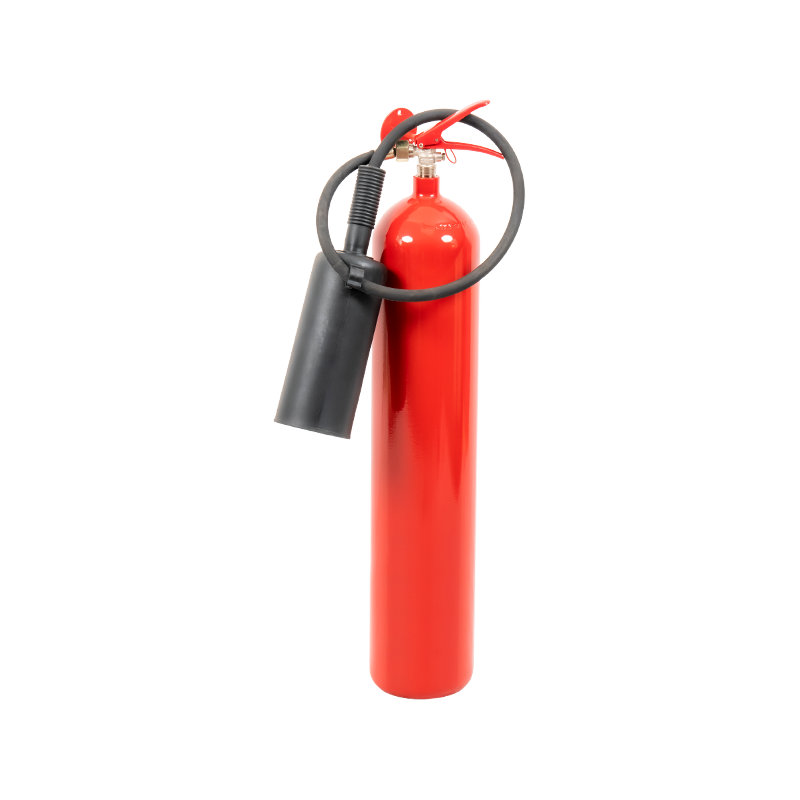 5kg Portable CO2 Fire Extinguisher with Seamless Steel CylinderThis CO2 unit appears when the article warns against using CO2 on Class A fires. Its rated classes must be checked before approaching combustible solids.View Product →
For fires in ordinary solid materials, the extinguisher must cool the fuel and prevent re-ignition:
For most workshops, offices and storage spaces, an ABC dry powder unit is the most balanced first line. It handles Class A as well as the B and C risks that often exist in the same room. A 1kg portable dry powder extinguisher is compact enough for a desk or vehicle, while larger units cover workshops and loading areas.
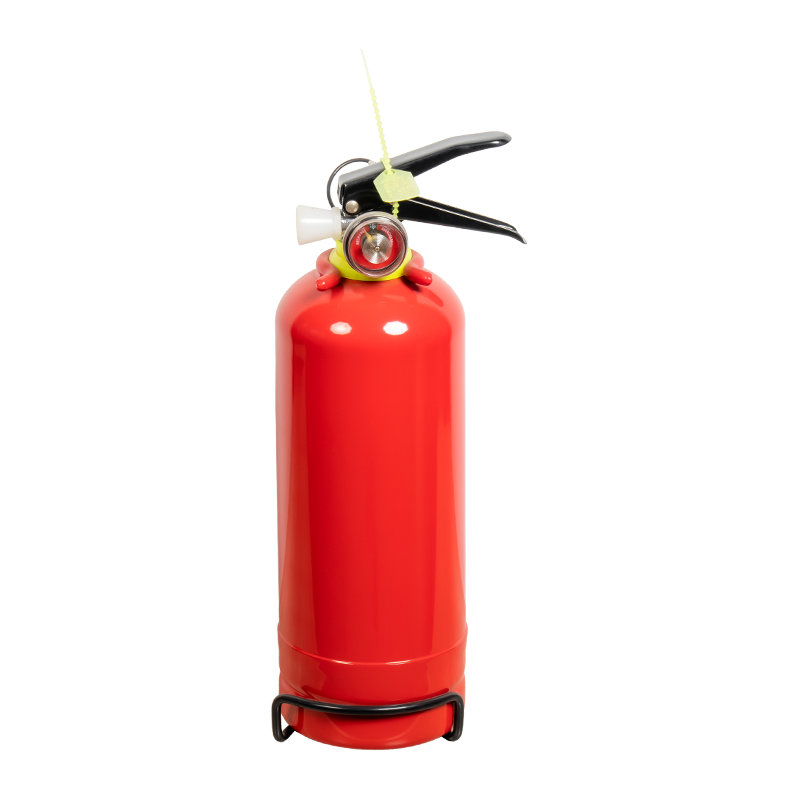 1kg Portable ABC Dry Powder Fire ExtinguisherFeatured as the compact option in the discussion of balanced first-line protection, this dry powder unit covers Class A, B, and C risks in small spaces.View Product →
The comparison below summarises what each common portable type can and cannot do for Class A materials:
| Extinguisher type | Rated for Class A? | How it works | Main limitation |
|---|---|---|---|
| Water | Yes | Cools fuel below ignition temperature | Not for live electrical equipment or burning oils |
| Foam | Yes | Blanket smothers flames and cools the surface | Not for live electrical equipment; messy cleanup |
| ABC dry powder | Yes | Breaks the chemical chain reaction | Powder residue; can reduce visibility in the room |
| Carbon dioxide | No | Displaces oxygen; brief cooling | Re-ignition risk on Class A; confined-space hazard |
Operating discipline matters as much as the agent; the basics of proper use of fire equipment apply to every type of unit.
Match the extinguisher to the actual risk of the room, not to habit. Three questions decide most installations:
For spaces that face humidity, chemicals or repeated cleaning, a stainless steel dry powder extinguisher resists corrosion better than painted steel. This makes it a practical choice for industrial kitchens, marine environments and outdoor storage areas where durability matters.
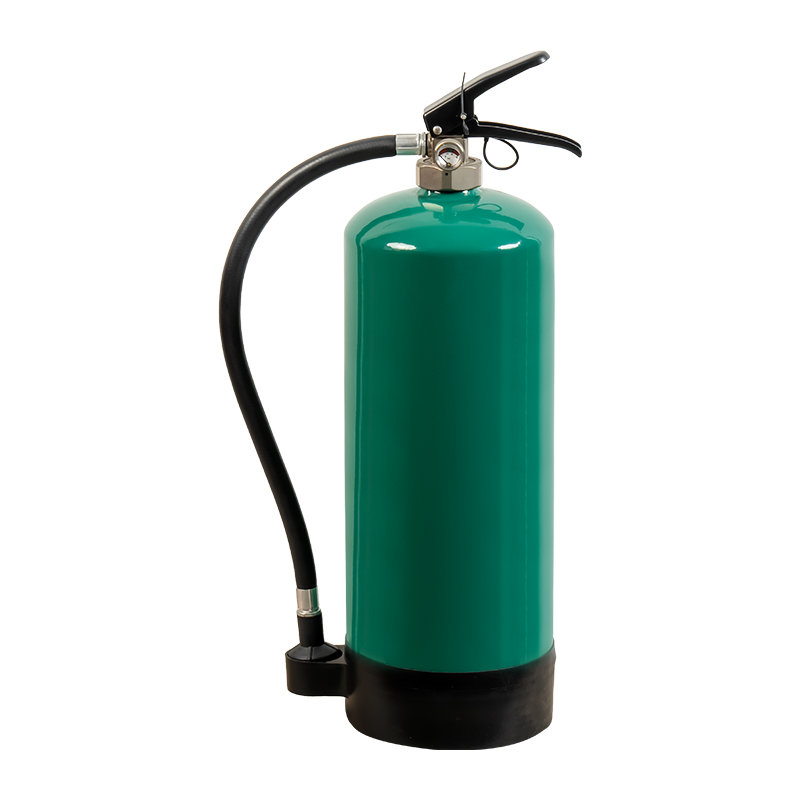 6kg Stainless Steel Dry Powder Fire ExtinguisherHighlighted after mentioning corrosive environments, this stainless steel model suits humid or chemical-exposed locations where painted steel may fail.View Product →
Carbon dioxide fire extinguishers are precise tools for Class B and Class C fires. They are the wrong choice for Class A fires, because CO2 does not cool a solid fuel deeply enough and leaves no barrier against re-ignition.
Identify the fire classes in your environment, select the correct extinguisher for each, and keep the labels visible and legible. That one decision — the right agent for the right fuel — is the difference between a controlled incident and a fire that comes back.
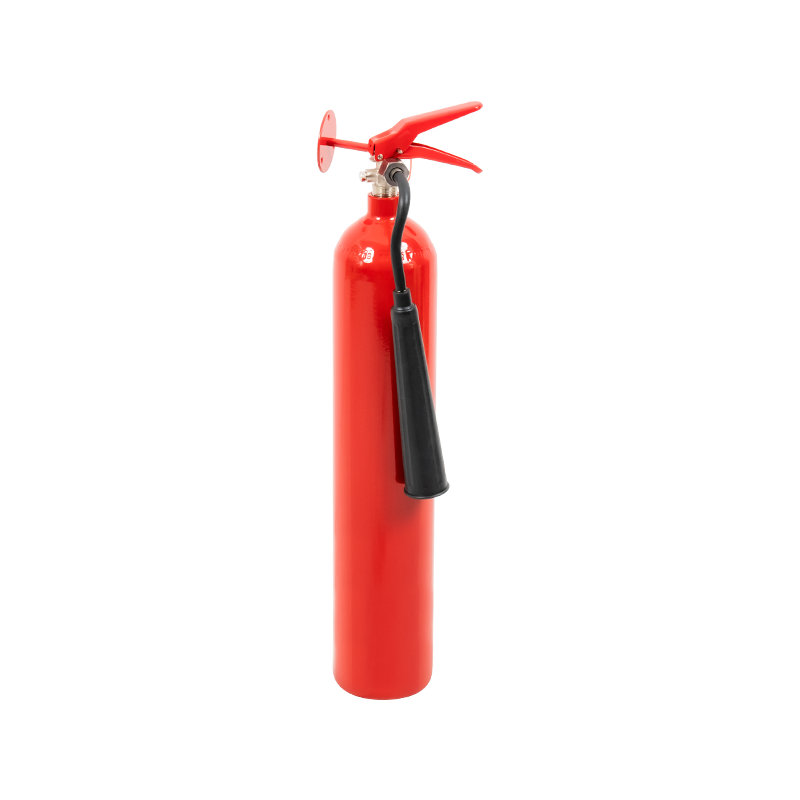
The 3kg portable steel fire extinguisher is a firefighting device designed to deal with all types of fires. Made of CK45 steel, it is sturdy and durab...
See Details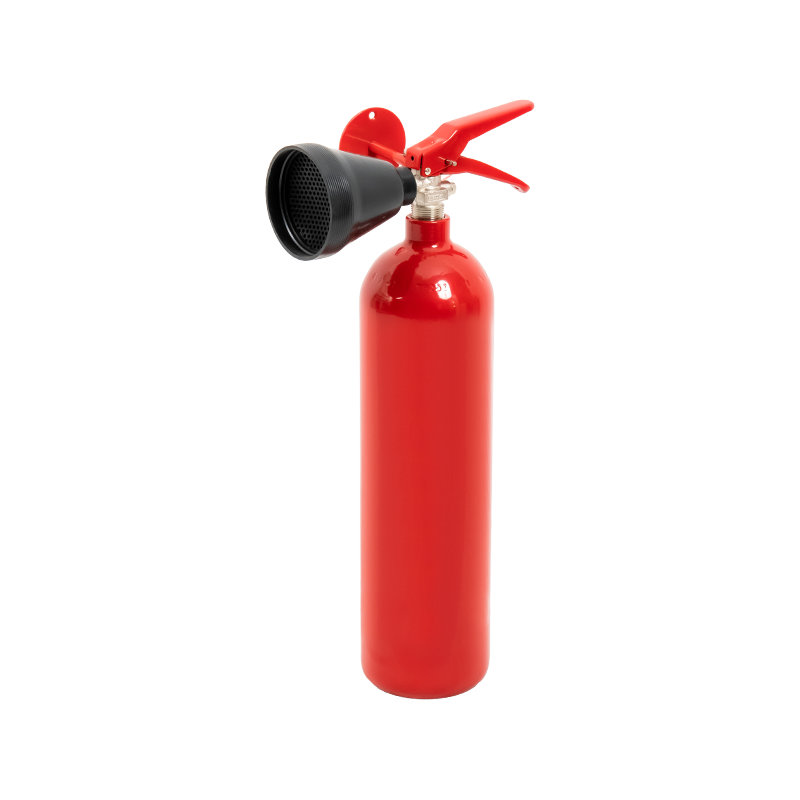
The 2kg portable CE fire extinguisher is a firefighting device designed for quick response and extinguishing of small fires. It is made of high-streng...
See Details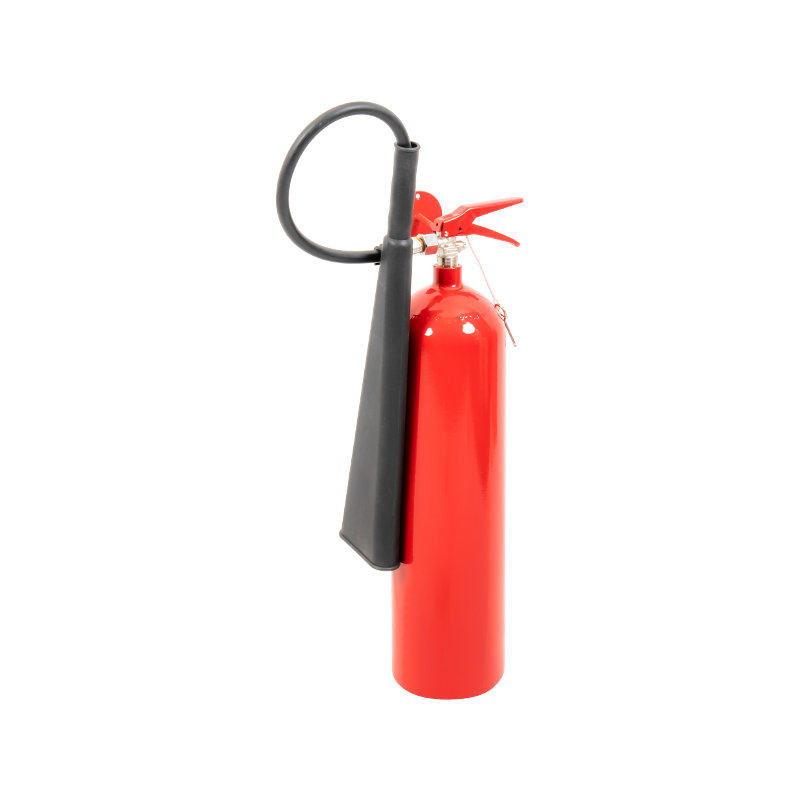
The 5kg CO2 CE extinguisher is suitable for a variety of applications, including in factories, production lines and warehouses. The 5kg CO2 extinguish...
See Details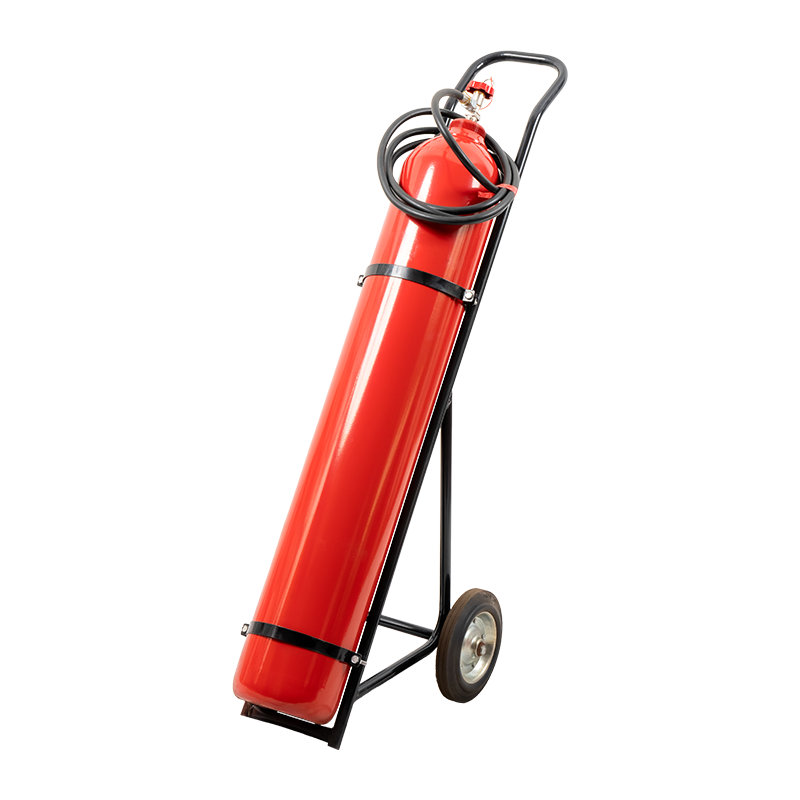
The 10KG Steel Cart-Mounted CO2 Fire Extinguisher is a portable firefighting tool consisting of a large steel cylinder with a capacity of 10kg CO2, mo...
See Details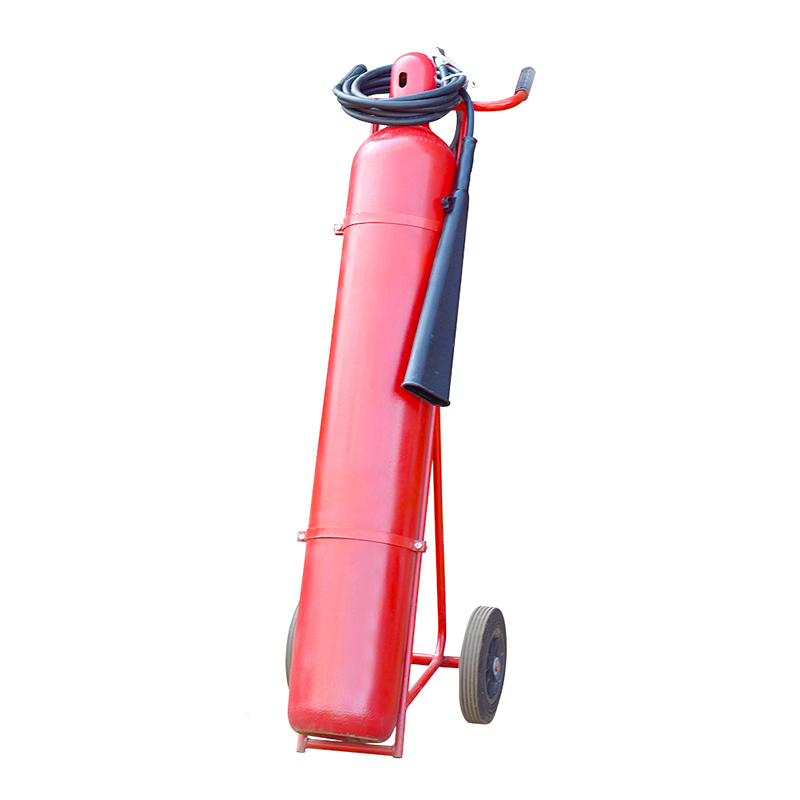
The 25kg trolley mobile fire extinguisher is a high-capacity fire-fighting equipment designed for large-scale fires. It has mechanical strength and co...
See Details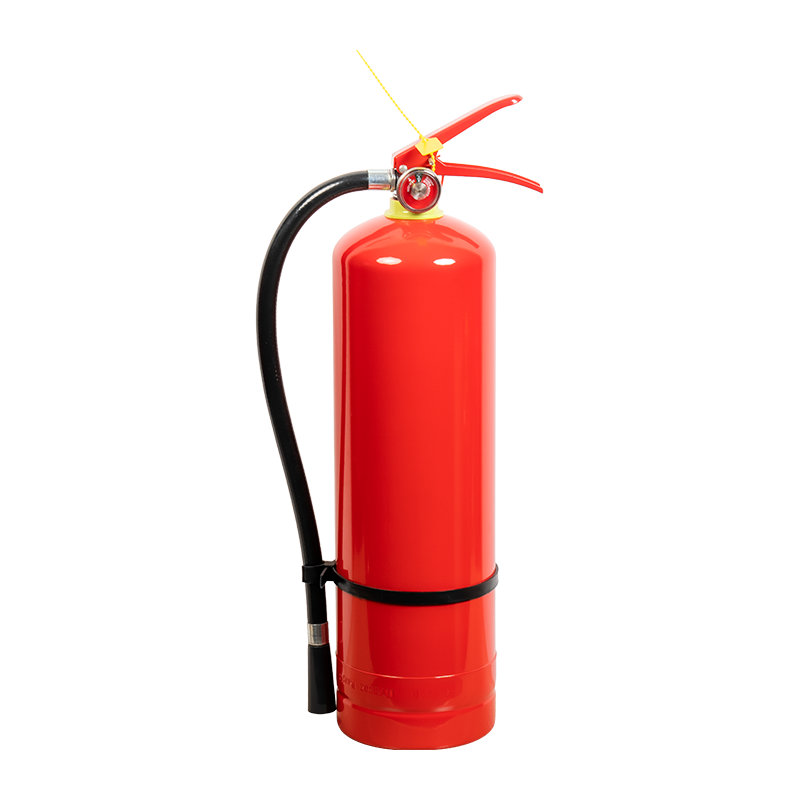
The 6kg stainless steel portable dry powder fire extinguisher is a fire extinguishing device suitable for extinguishing various small fires. Dry powde...
See Details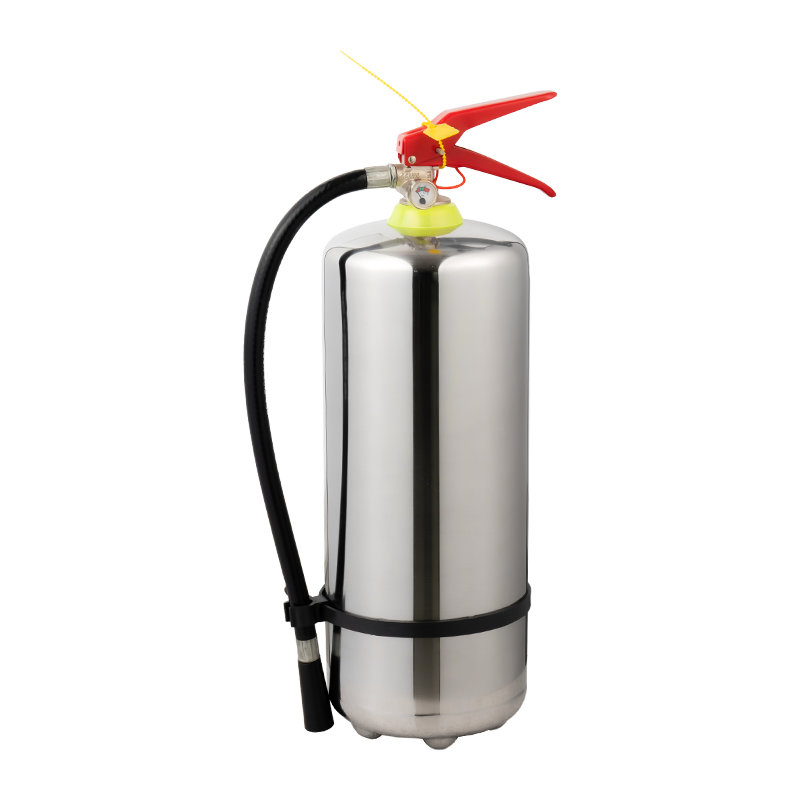
304 stainless steel 6L fire extinguisher is a professionally designed fire extinguishing equipment, made of high-quality SUS304 stainless steel materi...
See Details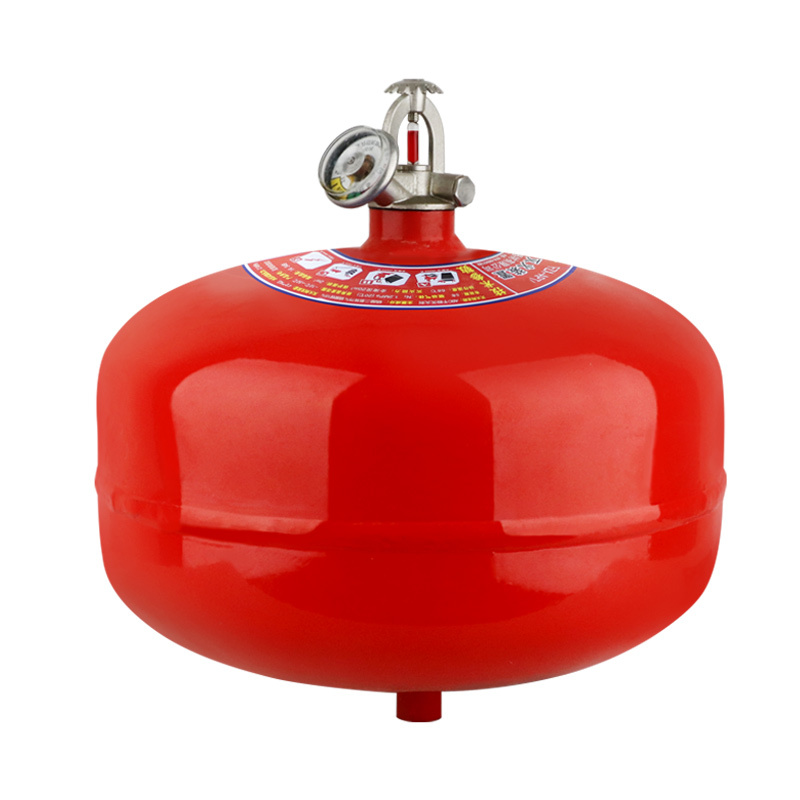
8KG hanging fire extinguisher can be installed on the wall or ceiling, fixed by hook or bracket, making it easy to quickly access and operate when nee...
See Details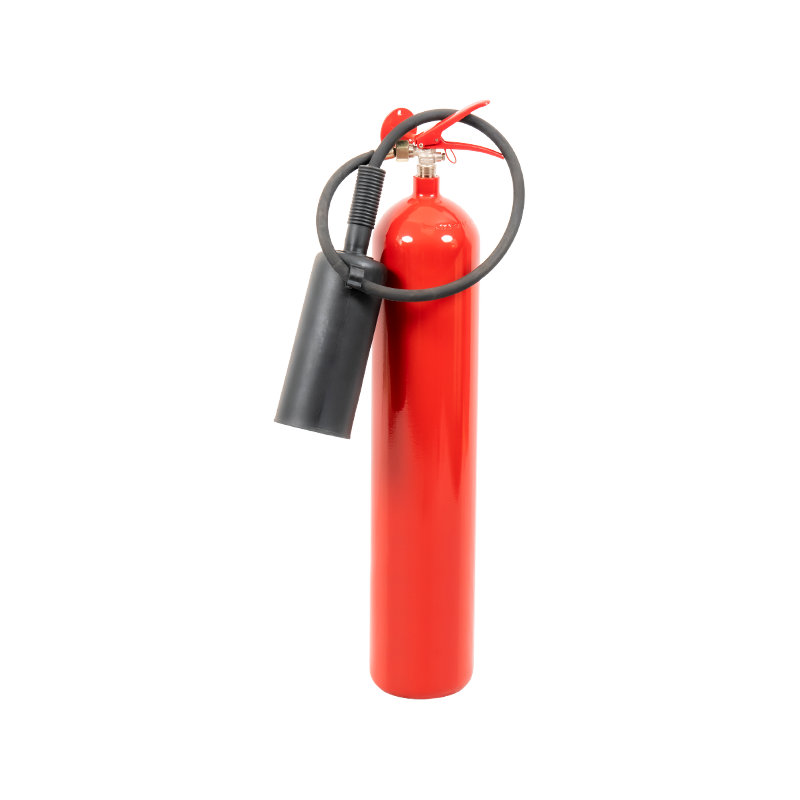
The 5kg fire-fighting carbon dioxide fire extinguisher can work in a wide temperature range, from -30˚C to +60˚C, to meet the firefighting needs in va...
See Details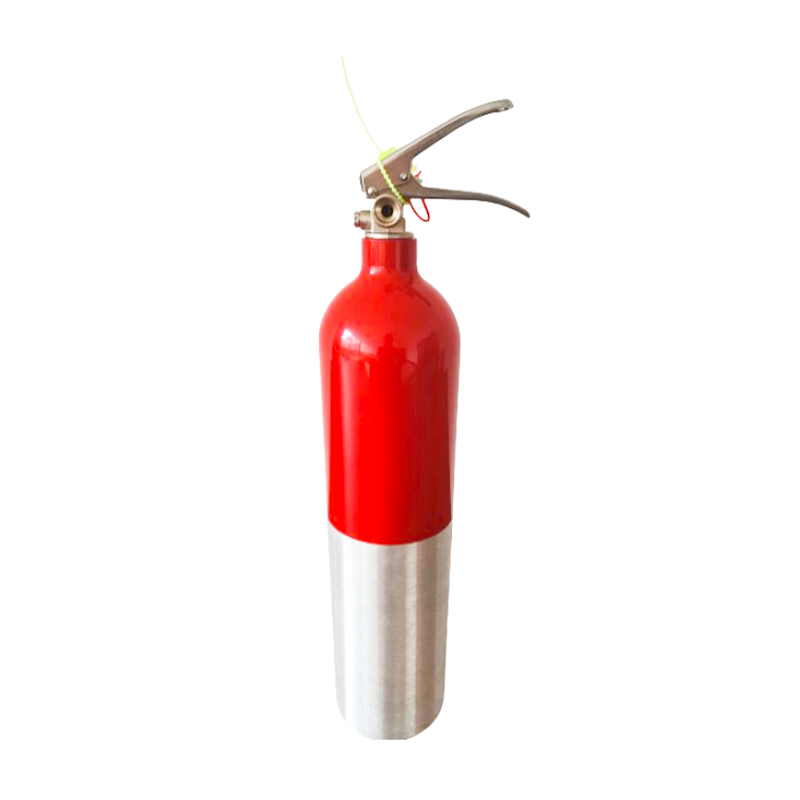
The 5KG portable aluminum fire extinguisher is an efficient and reliable fire extinguishing equipment suitable for fire protection needs in various in...
See Details
Zhejiang Yongshang Pressure Vessel Co., Ltd. was established in 2016. It is a modern enterprise integrating R&D, production and sales, specializing in the production of dry powder, carts, carbon dioxide fire extinguishers, seamless steel cylinders, and aluminum bottles.

+86 13857576559


Zhuhai Village, Gaibei Town, Shangyu District, Shaoxing City, Zhejiang Province, China
