 English
 عربى
عربى 中文简体
中文简体

3KG Portable Steel Fire Extinguisher(CK45/CE)
Cat:CO2 Fire Extinguisher (CK45/CE)
The 3kg portable steel fire extinguisher is a firefighting device designed to deal with all types of fires. Made of CK45 steel, it is sturdy and durab...
See Details
+86 13857576559
The short answer is no — a standard CO2 tank cannot be used as a fire extinguisher. The useful answer goes further: understanding why it cannot helps you buy, inspect, and deploy equipment that actually works.
Ask any plant manager who has considered this, and the logic is easy to follow. Carbon dioxide already suppresses fire, so why not attach a horn to an industrial CO2 cylinder and keep it near the machining area? Because CO2 only extinguishes when it is discharged the right way. It must leave the vessel as a rapid, directed flow of gas and fine dry-ice snow that displaces oxygen and pulls heat from the burning material. That behavior depends on the internal design of the cylinder, not just the gas it holds.
A CO2 cylinder and a CO2 fire extinguisher can look nearly identical from the outside. Everything changes when the valve opens.
In an emergency, an improvised setup usually fails in one of three ways: it discharges too slowly, releases the gas into the air instead of the fire, or cannot sustain the discharge long enough to finish the job. Each failure burns the critical first seconds of a developing fire.
The decisive component is the dip tube, also called an eductor or siphon tube. In a genuine CO2 fire extinguisher, this tube runs from the valve down to the floor of the cylinder. As soon as the valve opens, internal pressure pushes liquid CO2 up through the tube and into the horn. The liquid flashes into a mixture of gas and frozen snow, absorbing heat and cutting off oxygen at the base of the flame. Without the dip tube, only the gaseous phase can escape.
A standard CO2 cylinder used for dispensing drinks, powering pneumatic equipment, or feeding an industrial process rarely contains a dip tube. The valve opens near the top of the vessel, so the first discharge is a short burst of room-temperature gas. The pressure drops rapidly, the flow slows, and the fire simply continues to burn. Even a correct CO2 concentration delivered this way is not directed, sustained, or cold enough to achieve suppression.
| Feature | Standard CO2 Tank | CO2 Fire Extinguisher |
|---|---|---|
| Dip tube | Usually absent | Present; draws liquid CO2 |
| Valve behavior | Industrial open and close | Fast full-open, locked flow |
| Discharge direction | Not defined | Shaped by a fixed horn |
| Pressure certification | Gas storage standard | Fire-rated tests, CE and ISO |
| Inspection logic | General vessel checks | Annual weight and seal checks |
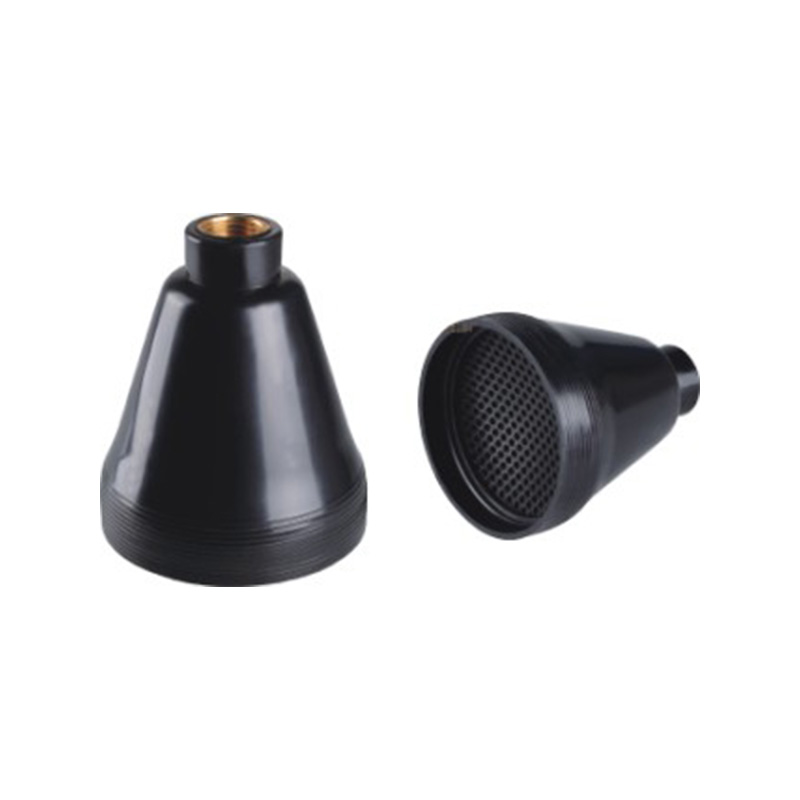
Fire-rated construction goes beyond the internal tube. The valve on a CO2 extinguisher snaps fully open, holds that position, and sends the agent through a horn designed to shape the flow. The horn is not an attachment of convenience: it slows the expanding CO2, keeps it concentrated, and prevents it from scattering into the surrounding air.
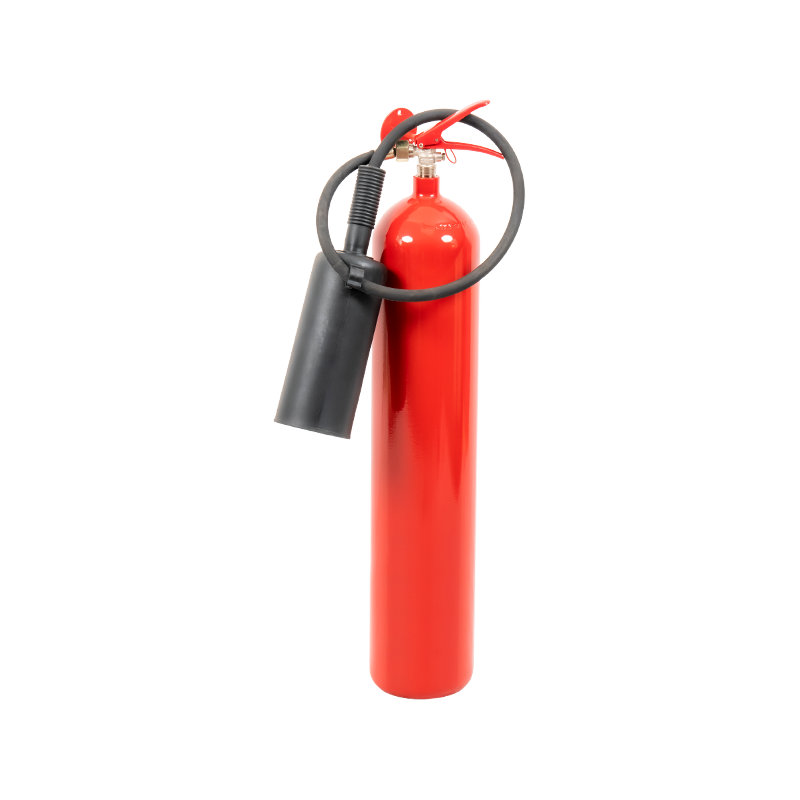 5 kg Steel Portable CO2 Fire Extinguisher with CE MarkingThis portable CO2 unit suits unheated or hot environments where temperature shifts affect discharge performance; its seamless steel cylinder and fire-rated valve are detailed in the surrounding discussion.View Product →
Genuine units are also manufactured to a different standard of traceability. CO2 extinguishers in our range are built on seamless steel cylinders with fire-rated valves and CE-marked compliance, and the same discipline extends across the wider pressure-vessel line. Temperature changes internal pressure, so discharge reach and duration change with it. Our engineers have measured how a 5 kg CO2 extinguisher maintains discharge performance across temperatures — exactly the data that matters when an extinguisher sits in an unheated shed or above a hot control panel.
CO2 earns its place in specific fire scenarios rather than all of them. It is the preferred agent for fires in energized electrical equipment, electronics cabinets, laboratories, and small chemical stores, because it leaves no residue, does not conduct electricity, and does not damage sensitive optics or circuit boards.
It is also effective on Class B flammable-liquid fires such as oil, solvent, and fuel spills, where a directed stream can sweep across the surface and cut off the oxygen feeding the flame.
The limits are just as important. CO2 is a poor choice for deep-seated Class A fires in materials like upholstery, paper bales, and wood, because the gas disperses quickly and cannot cool the core of the fuel. It is also unsuitable in open outdoor areas where wind scatters the discharge before it can act. And in a confined room, the same oxygen displacement that extinguishes a fire can become a danger to anyone inside.
For facilities with larger floor areas — server halls, transformer rooms, production lines — a portable unit quickly shows its capacity limits. A wheeled CO2 extinguisher carries ten kilograms of agent and allows the operator to deliver a sustained discharge over a much longer reach, which is why trolley units are the practical upgrade when risk points multiply across a floor. For typical workshops and offices, a 5 kg portable cylinder provides the reach, rechargeability, and recognition needed for first-aid firefighting.
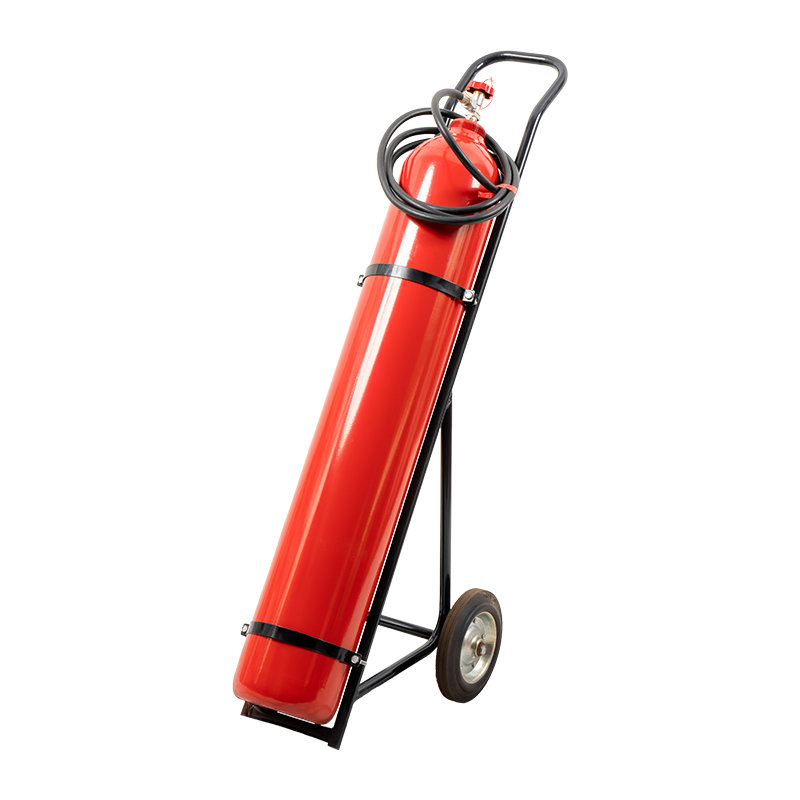 10 kg Steel Trolley CO2 Fire ExtinguisherWhen portable capacity is insufficient for large areas, this wheeled unit delivers ten kilograms of CO2 with longer reach and sustained discharge, making it a practical upgrade for server halls and production lines.View Product →
Whether you are inspecting an existing extinguisher or selecting a new one, the same diagnostic questions apply. A CO2 extinguisher is a simple machine, but its reliability is a matter of verification, not assumptions.
If you are buying rather than inspecting, the same checks apply at purchasing level. Choose a certified fire equipment manufacturer that can document standards compliance and supply replacement valves, horns, and seals — operational continuity matters more than initial price. For compact vehicles and technical cabinets, a 3 kg CO2 unit balances suppression capacity with weight and storage size.
 3 kg Steel Portable Fire Extinguisher (CK45/CE)Positioned as a balanced choice for compact vehicles and technical cabinets, this 3 kg CE-marked unit offers suppression capacity while keeping weight and storage size manageable, as noted in the preceding text.View Product →
The distinction is simple to remember. A CO2 tank is a storage container for compressed gas. A fire extinguisher is a tool that converts the energy of that compressed gas into a controlled discharge with a defined flow rate, direction, and agent phase. The first holds pressure. The second puts pressure to work.
If you already own CO2 cylinders, keep them for their intended processes — gas distribution, beverage carbonation, or industrial supply. That is where they are safe and effective. Then buy the tool engineered for fires. A purpose-built CO2 extinguisher, inspected on schedule and mounted in the right places, is one of the most reliable clean-agent options for electrical equipment, flammable liquids, and sensitive environments.
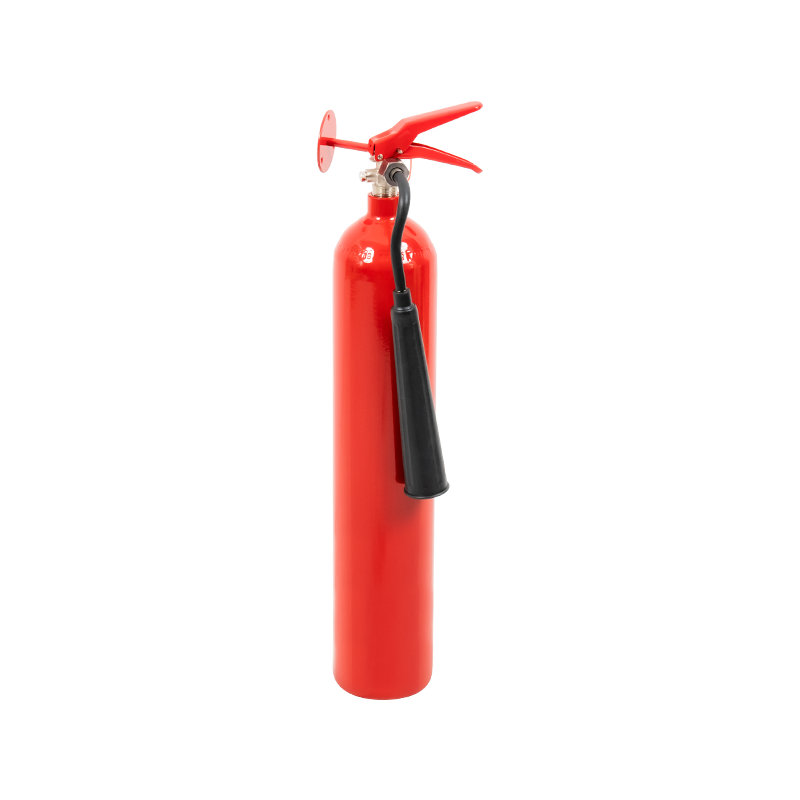
The 3kg portable steel fire extinguisher is a firefighting device designed to deal with all types of fires. Made of CK45 steel, it is sturdy and durab...
See Details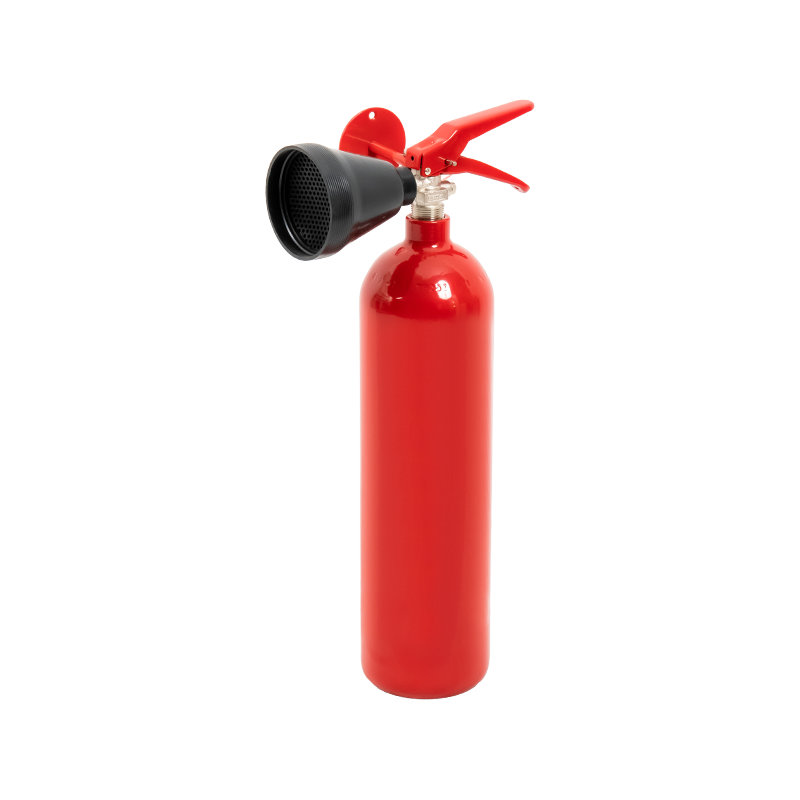
The 2kg portable CE fire extinguisher is a firefighting device designed for quick response and extinguishing of small fires. It is made of high-streng...
See Details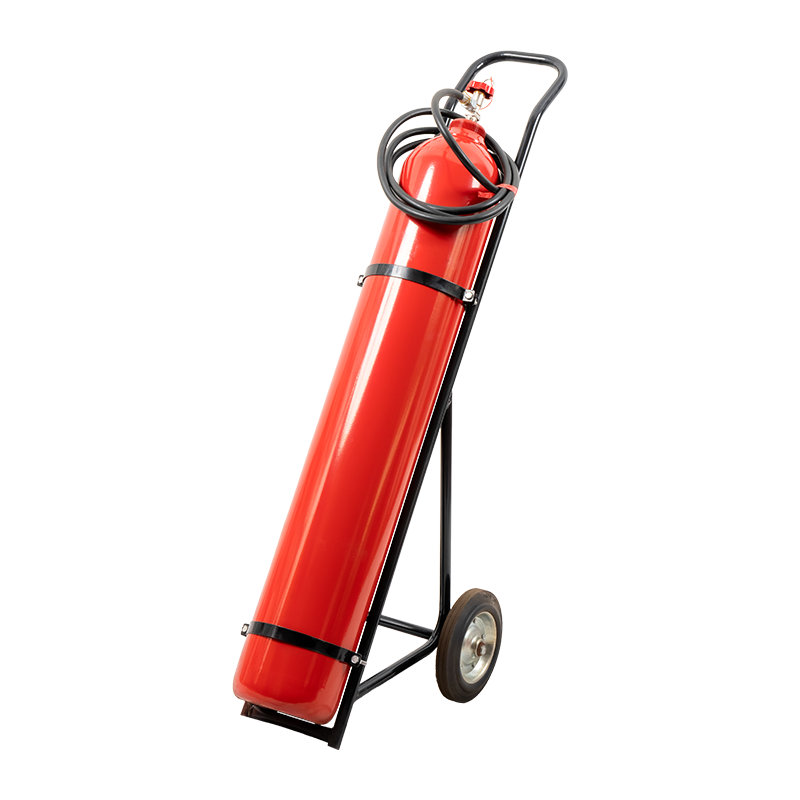
The 10KG Steel Cart-Mounted CO2 Fire Extinguisher is a portable firefighting tool consisting of a large steel cylinder with a capacity of 10kg CO2, mo...
See Details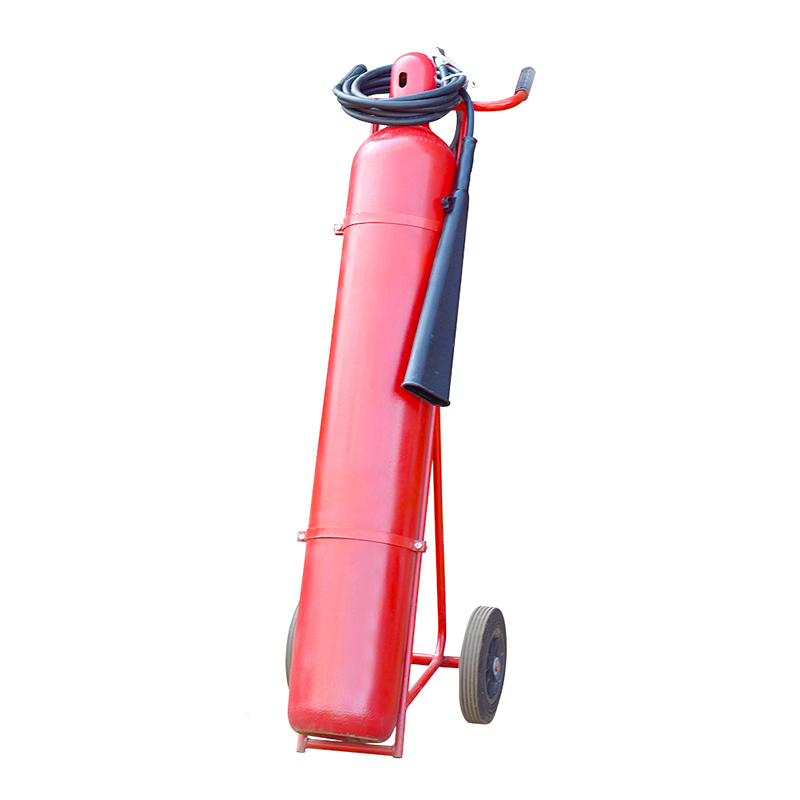
The 25kg trolley mobile fire extinguisher is a high-capacity fire-fighting equipment designed for large-scale fires. It has mechanical strength and co...
See Details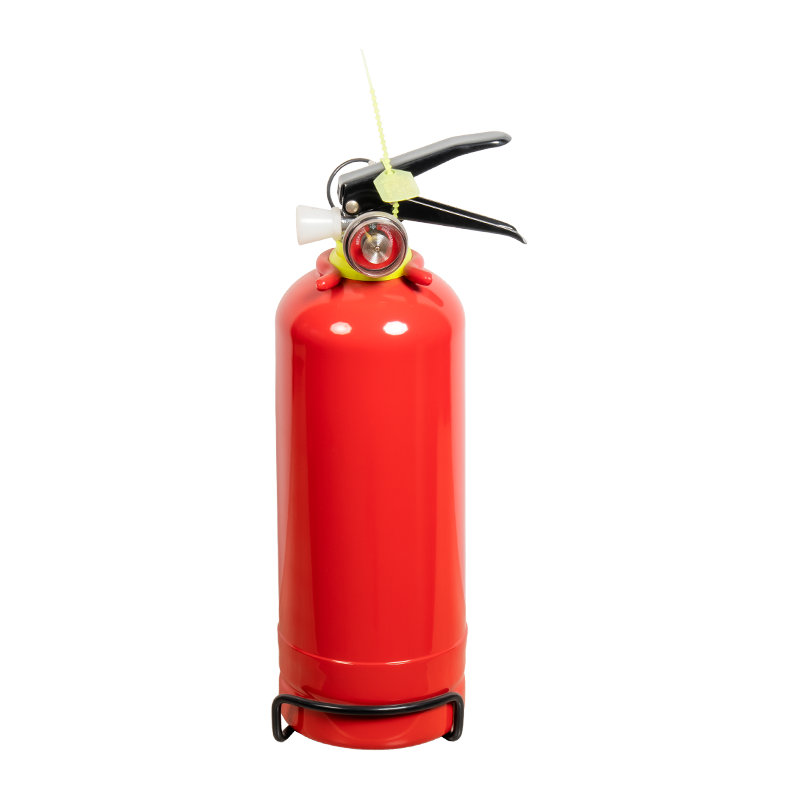
The 1kg portable dry powder fire extinguisher is a safety device used to put out small fires in emergency situations. Its outer shell is made of steel...
See Details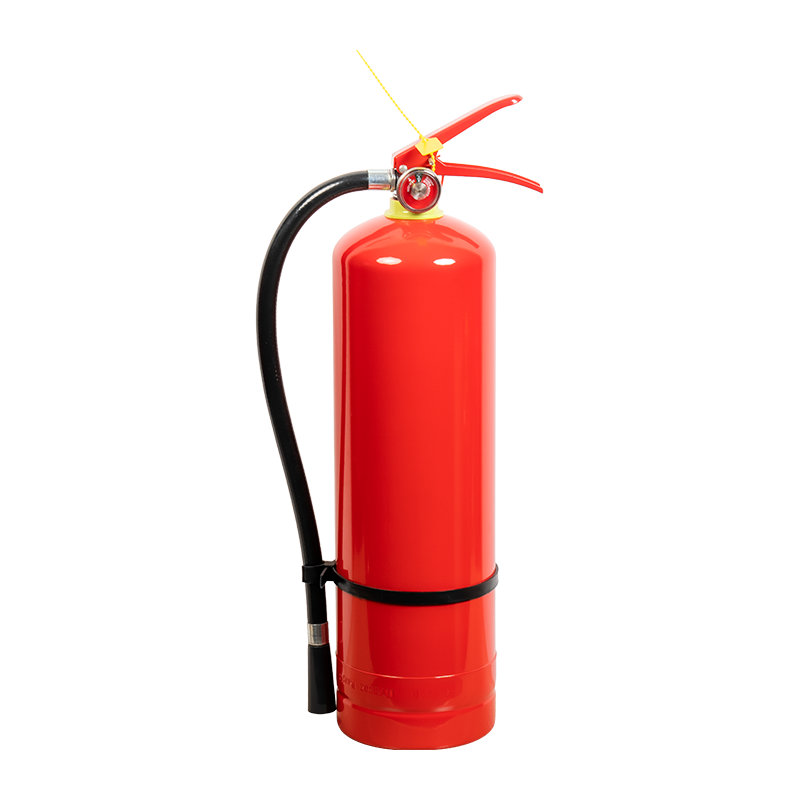
The 6kg stainless steel portable dry powder fire extinguisher is a fire extinguishing device suitable for extinguishing various small fires. Dry powde...
See Details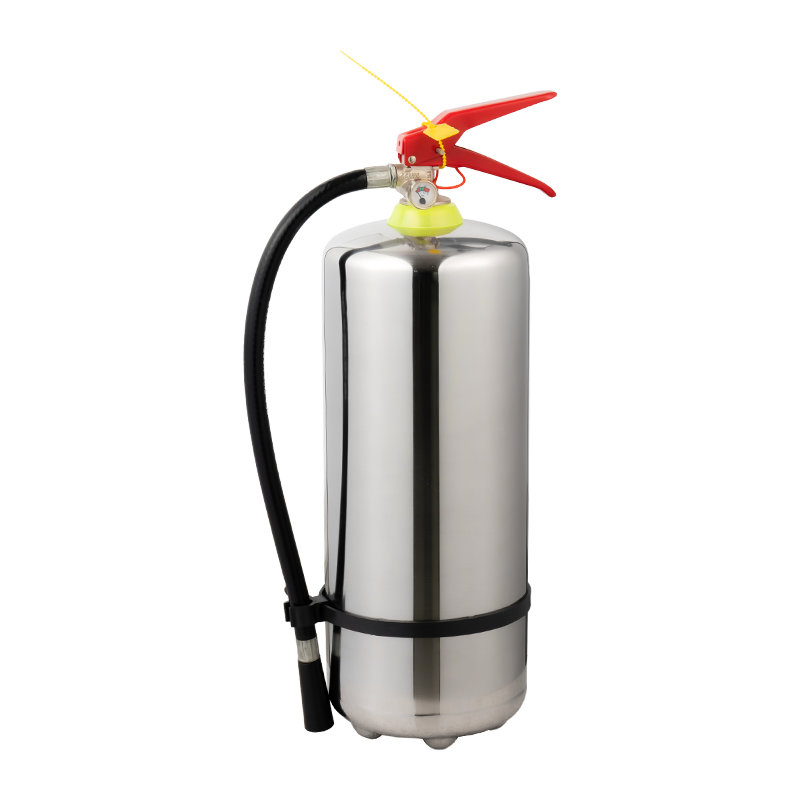
304 stainless steel 6L fire extinguisher is a professionally designed fire extinguishing equipment, made of high-quality SUS304 stainless steel materi...
See Details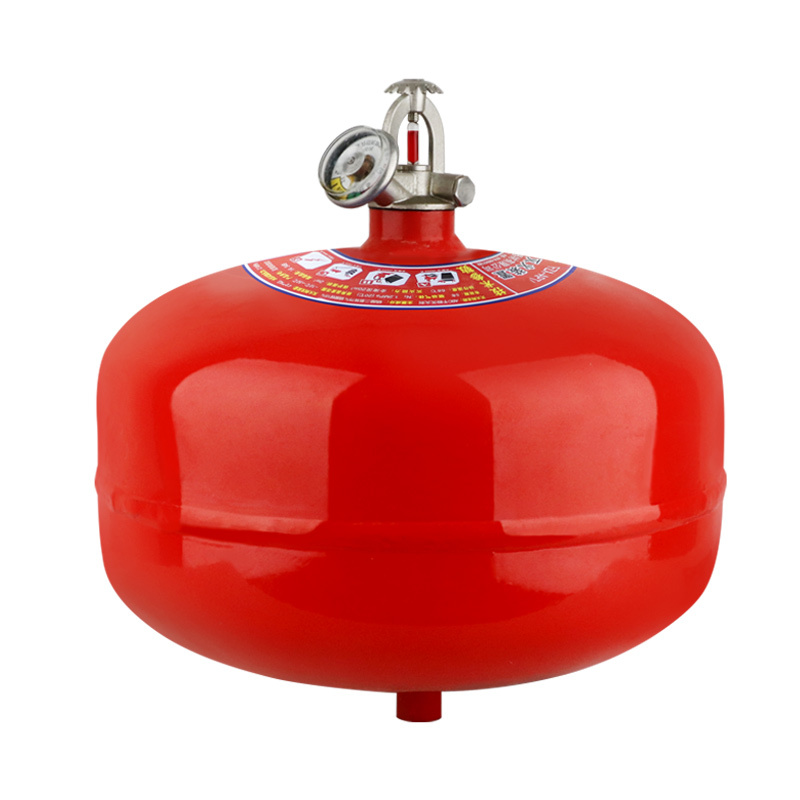
8KG hanging fire extinguisher can be installed on the wall or ceiling, fixed by hook or bracket, making it easy to quickly access and operate when nee...
See Details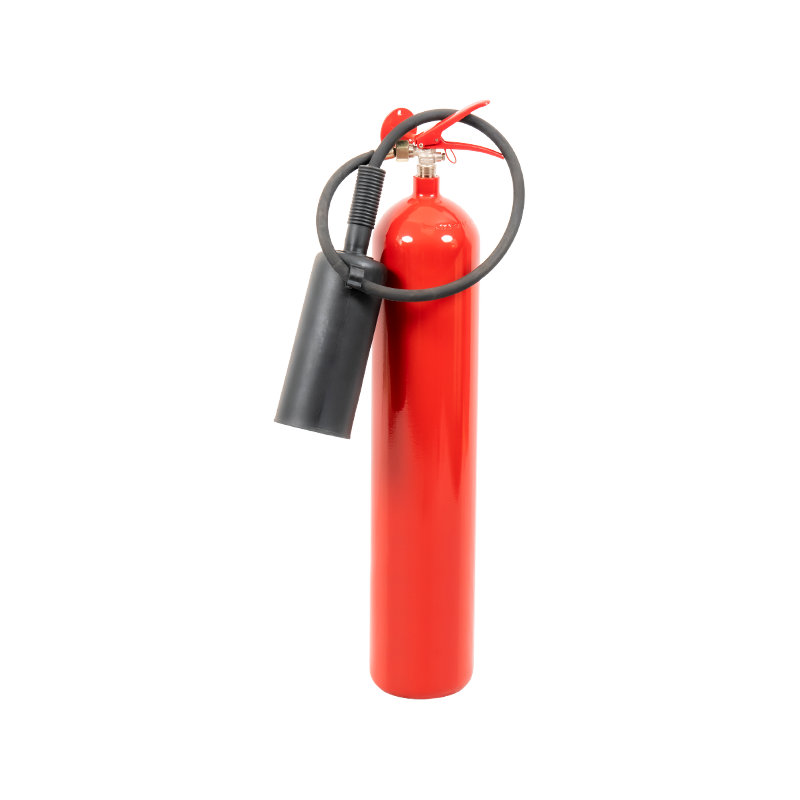
The 5kg fire-fighting carbon dioxide fire extinguisher can work in a wide temperature range, from -30˚C to +60˚C, to meet the firefighting needs in va...
See Details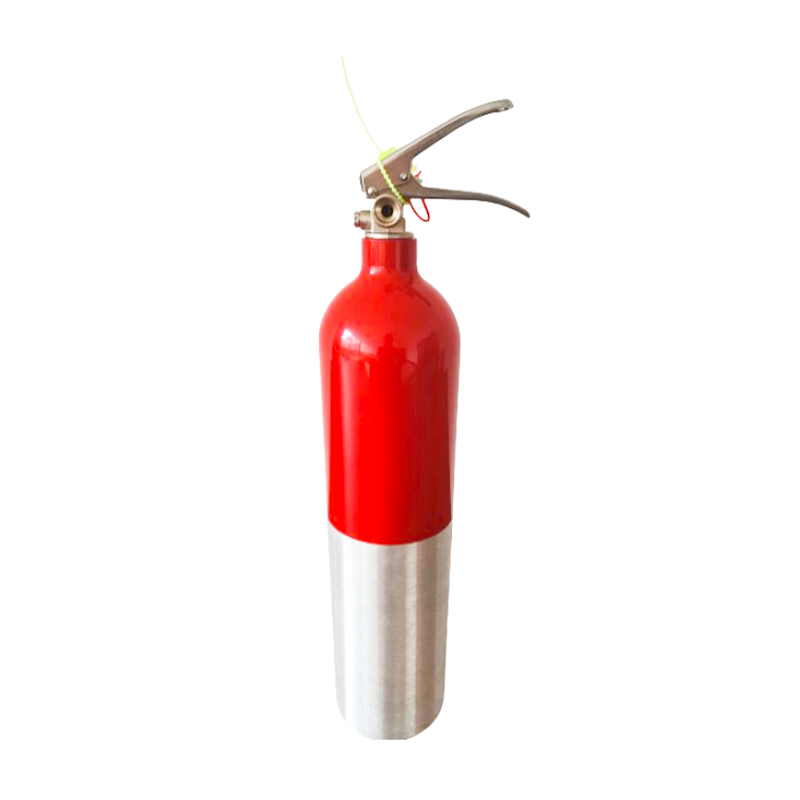
The 5KG portable aluminum fire extinguisher is an efficient and reliable fire extinguishing equipment suitable for fire protection needs in various in...
See Details
Zhejiang Yongshang Pressure Vessel Co., Ltd. was established in 2016. It is a modern enterprise integrating R&D, production and sales, specializing in the production of dry powder, carts, carbon dioxide fire extinguishers, seamless steel cylinders, and aluminum bottles.

+86 13857576559


Zhuhai Village, Gaibei Town, Shangyu District, Shaoxing City, Zhejiang Province, China
