 English
 عربى
عربى 中文简体
中文简体

3KG Portable Steel Fire Extinguisher(CK45/CE)
Cat:CO2 Fire Extinguisher (CK45/CE)
The 3kg portable steel fire extinguisher is a firefighting device designed to deal with all types of fires. Made of CK45 steel, it is sturdy and durab...
See Details
+86 13857576559
The 50 L Seamless Steel Oxygen Cylinder, Considered
Buying a 50-litre seamless steel oxygen cylinder is a specification exercise with safety consequences. This guide covers capacity, seamless construction, material standards, inspection duties, and the details worth verifying before you place an order.
A workshop running two welding stations will typically cycle three to five 50 L oxygen cylinders per week, and the last thing its manager wants is an empty cylinder mid-shift. The 50 L seamless steel cylinder has become the workhorse of continuous gas supply for one reason: at 150 bar it stores roughly 7.5 cubic metres of oxygen, enough to keep cutting torches and heating equipment busy while other work proceeds. The decisive part of the purchase, though, is not the size. It is whether the cylinder has been forged seamlessly, certified to the correct standard, and prepared for oxygen service — three conditions that determine whether it serves safely for years or becomes a liability.
Gas logistics reward consistency, which is why standard cylinder sizes exist. A 50 L water-capacity cylinder filled to 150 bar delivers about 7.5 cubic metres of oxygen at atmospheric pressure; a 200 bar version approaches 10 cubic metres. That volume balances delivery efficiency, which favours larger containers, against handling reality, because a full 50 L steel cylinder weighs roughly 65 to 80 kg and moves on a trolley or cart rather than in a hand.
Next to the common 40 L cylinder, the 50 L size cuts changeover frequency by about a quarter. In welding, flame cutting, HVAC brazing and medical gas backup installations, that means fewer interruptions and simpler inventory. It is also the size where seamless steel becomes the default: beyond this capacity, a welded alternative gets too heavy and thick for high-pressure oxygen.
| Parameter | Typical value |
|---|---|
| Water capacity | 50 L |
| Working pressure | 150 or 200 bar |
| Oxygen volume at 150 bar | Approximately 7.5 m³ |
| Outer diameter | 229–267 mm |
| Approx. height with valve | 1500–1700 mm |
| Approx. empty weight | 50–65 kg |
| Material | 37Mn or alloy steel |
| Design standard | ISO 9809-1 / ISO 9809-3 |
For ratings of 150 or 200 bar, manufacturers usually design the wall against ISO 9809-1, the international benchmark for quenched and tempered seamless steel gas cylinders.
A seamless cylinder starts as a solid steel billet that is pierced, drawn and heat-treated into one continuous shell. There is no longitudinal weld, no filler metal and no heat-affected zone — a distinction that matters more in oxygen service than almost anywhere else, because a 150 bar oxygen cylinder is cycled from full to empty thousands of times during its life, and fatigue cracks prefer to start at weld defects.
A weld seam is a discontinuity. In a container pressurised and depressurised tens of thousands of times, the most effective design decision is to eliminate that discontinuity altogether.
Forging the shell in one piece produces a uniform grain structure and removes the most common source of premature failure, which is why high-pressure oxygen cylinder codes require seamless construction rather than suggest it. The visual check is straightforward: a genuine seamless cylinder has a smooth, one-piece shoulder and no longitudinal line along the body. A cylinder with a visible longitudinal weld has no place in high-pressure oxygen service.
The shoulder of a quality cylinder carries what looks like cryptic engineering text. In fact it is a compact passport: water capacity, tare weight, working pressure, test pressure, serial number, material grade and the approving standard. In oxygen service, the material line typically names a carbon-manganese or alloy steel. 37Mn is a widely specified grade in seamless cylinder production; alloy steels such as 30CrMo equivalents deliver higher strength and a lighter wall at elevated pressures.
Standards keep this passport legible across borders. ISO 9809-1 applies to quenched and tempered seamless steel cylinders of high tensile strength — the right fit for 150 and 200 bar ratings common on 50 L oxygen cylinders. ISO 9809-3 covers a lower-tensile variant with a thicker wall for the same pressure, often chosen where low-temperature toughness matters. In Europe, CE marking under the Pressure Equipment Directive adds a regulatory layer, so a cylinder carrying both an ISO 9809 reference and a valid CE PED certificate is the safest short-list.
The best cylinder on the market still depends on its owner's discipline. Before every fill, a trained eye checks that stamps stay legible, neck and valve threads remain clean, and no dent or corrosion pitting has formed near the shoulder or foot ring. Beyond routine checks, most regulators require periodic requalification of seamless steel cylinders — typically a hydrostatic test every ten years in some jurisdictions and every five years in others. The interval follows the national standard and service history, not the manufacturer, so confirm the cadence that applies to your cylinder.
Two oxygen-specific rules dominate everything else. First, oxygen is a clean-service gas: any trace of oil, grease or hand residue inside the system can ignite violently in pressurised oxygen, so the interior and the valve must be validated as oxygen-clean before first use. Second, only an oxygen-compatible valve and regulator should touch the port, and the thread standard must match the destination country's system.
Even well-maintained cylinders age, and separating benign wear from a critical defect is a practical skill every operations team should build. Our field guide on detecting early signs of wear or damage in seamless gas cylinders walks through the checks that distinguish routine maintenance from an overdue retirement.
Procurement conversations about 50 L oxygen cylinders usually settle on five checkpoints. Work through them in order, and the remaining variables — price, lead time, freight and valve preference — become easier to negotiate.
The 50 L seamless steel oxygen cylinder looks like a simple industrial object, but every forge line, stamp and test report records a different part of its history. Buy the standard, not just the steel. Confirm the material, respect the oxygen rules, and choose a supplier whose documentation lets you trace each cylinder to the day it passed its test. For large orders, review the manufacturer's operations as carefully as the certificate, because the paperwork is only as trustworthy as the factory behind it.
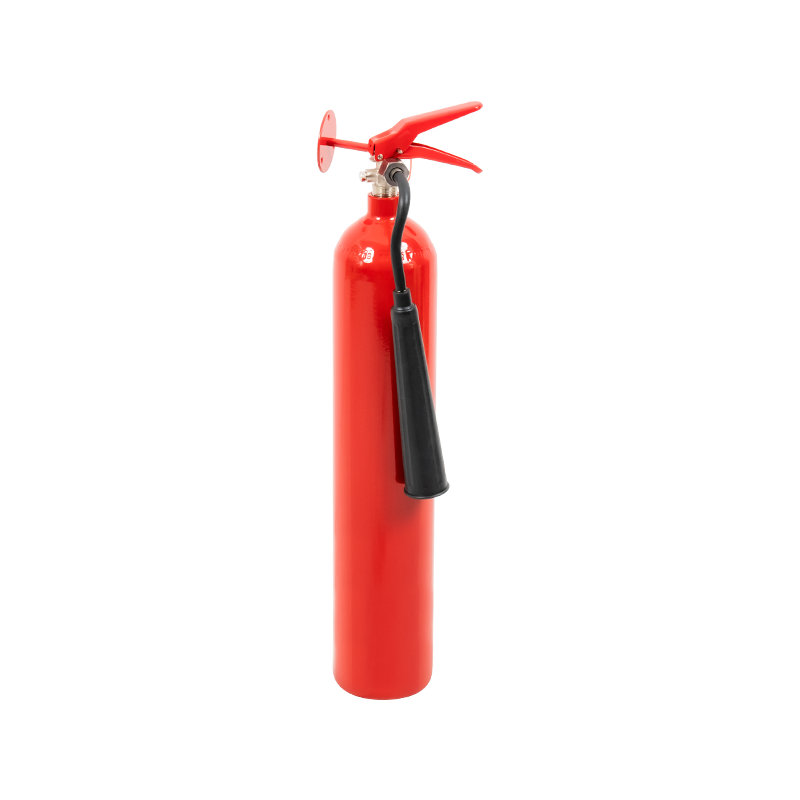
The 3kg portable steel fire extinguisher is a firefighting device designed to deal with all types of fires. Made of CK45 steel, it is sturdy and durab...
See Details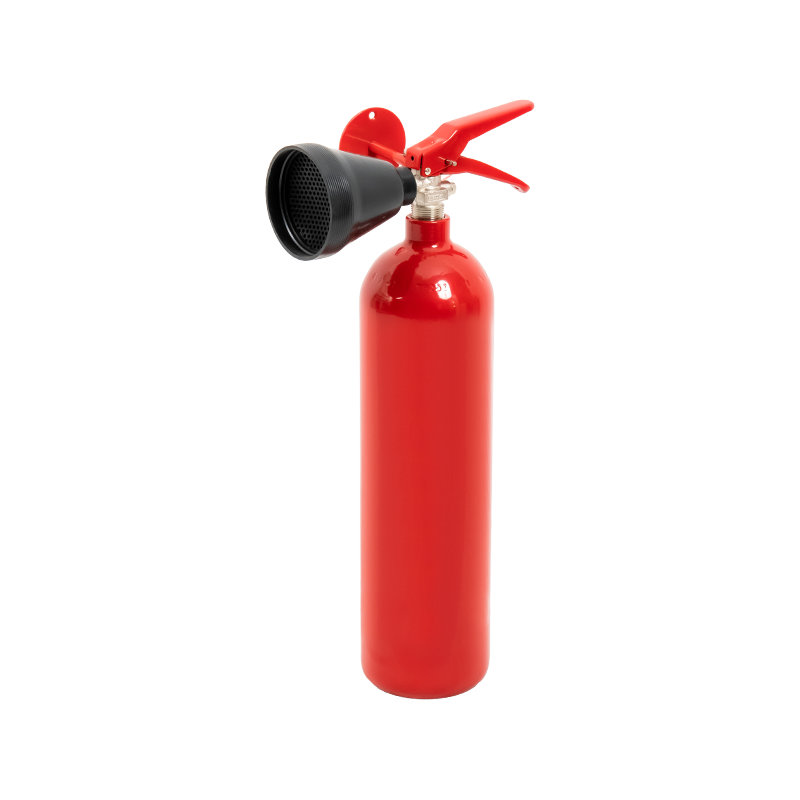
The 2kg portable CE fire extinguisher is a firefighting device designed for quick response and extinguishing of small fires. It is made of high-streng...
See Details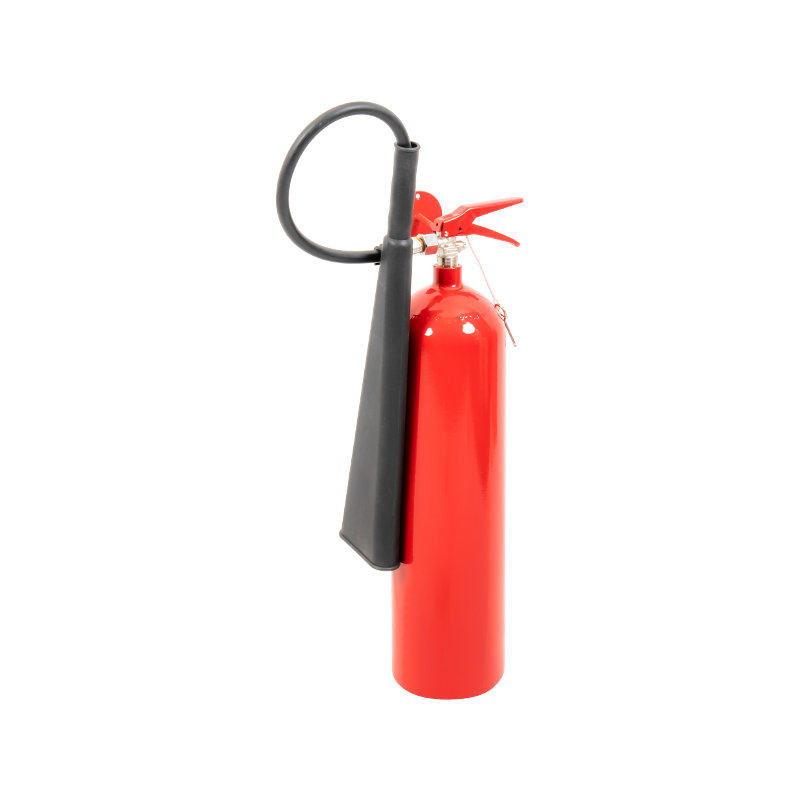
The 5kg CO2 CE extinguisher is suitable for a variety of applications, including in factories, production lines and warehouses. The 5kg CO2 extinguish...
See Details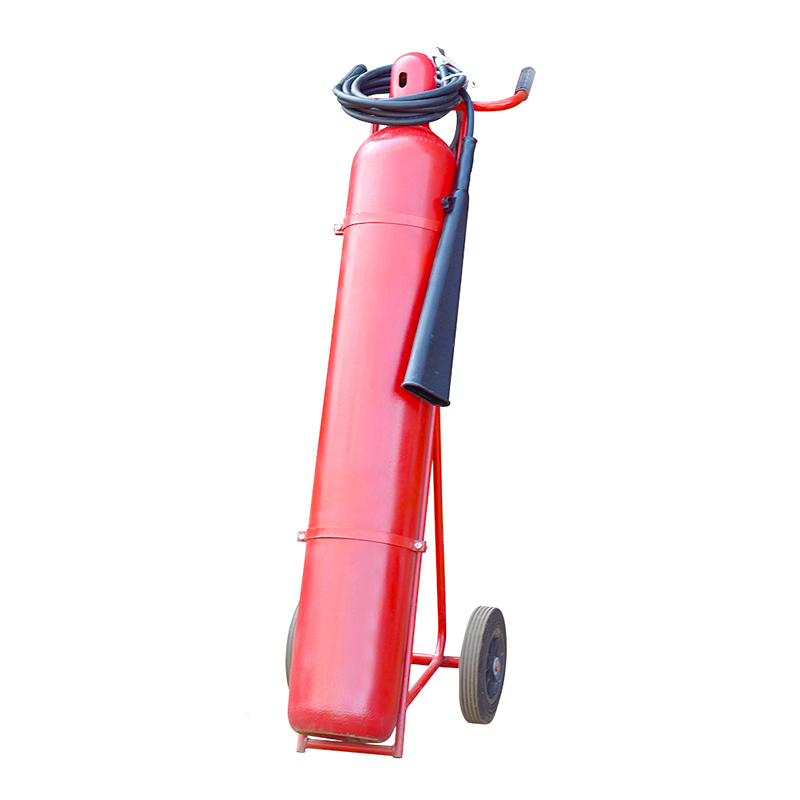
The 25kg trolley mobile fire extinguisher is a high-capacity fire-fighting equipment designed for large-scale fires. It has mechanical strength and co...
See Details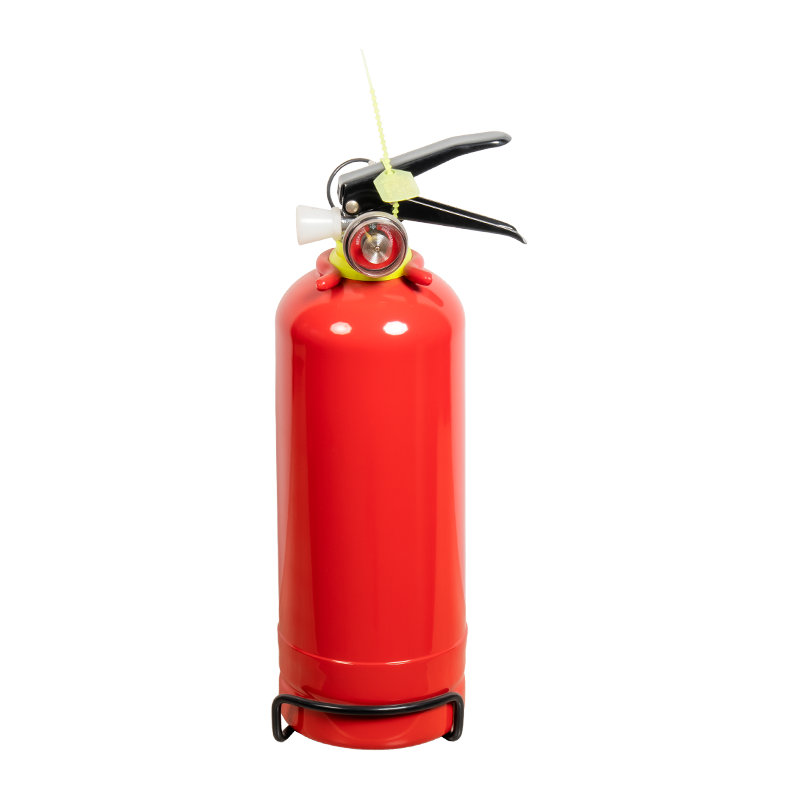
The 1kg portable dry powder fire extinguisher is a safety device used to put out small fires in emergency situations. Its outer shell is made of steel...
See Details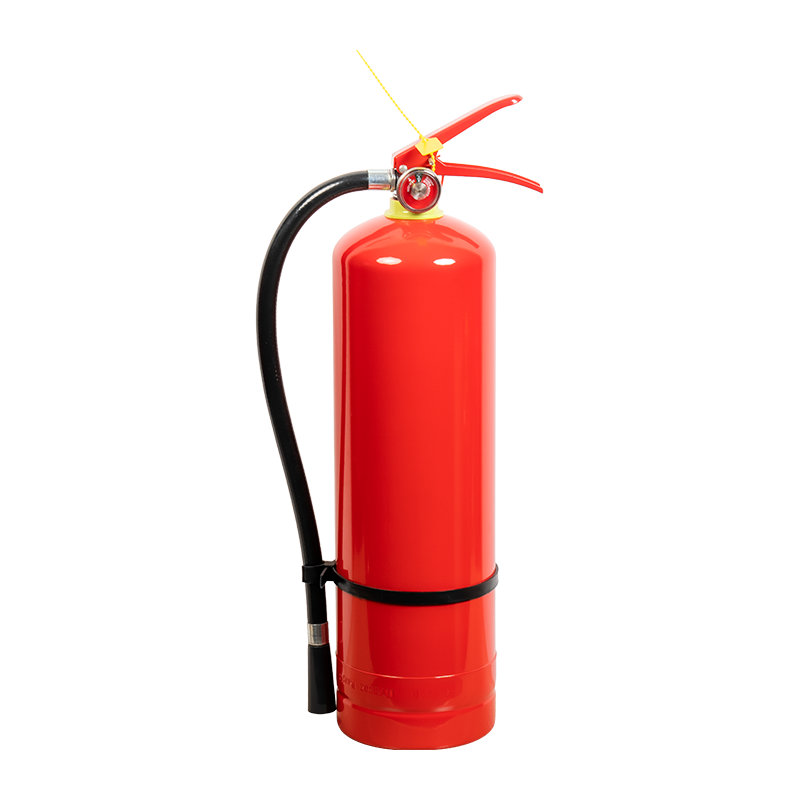
The 6kg stainless steel portable dry powder fire extinguisher is a fire extinguishing device suitable for extinguishing various small fires. Dry powde...
See Details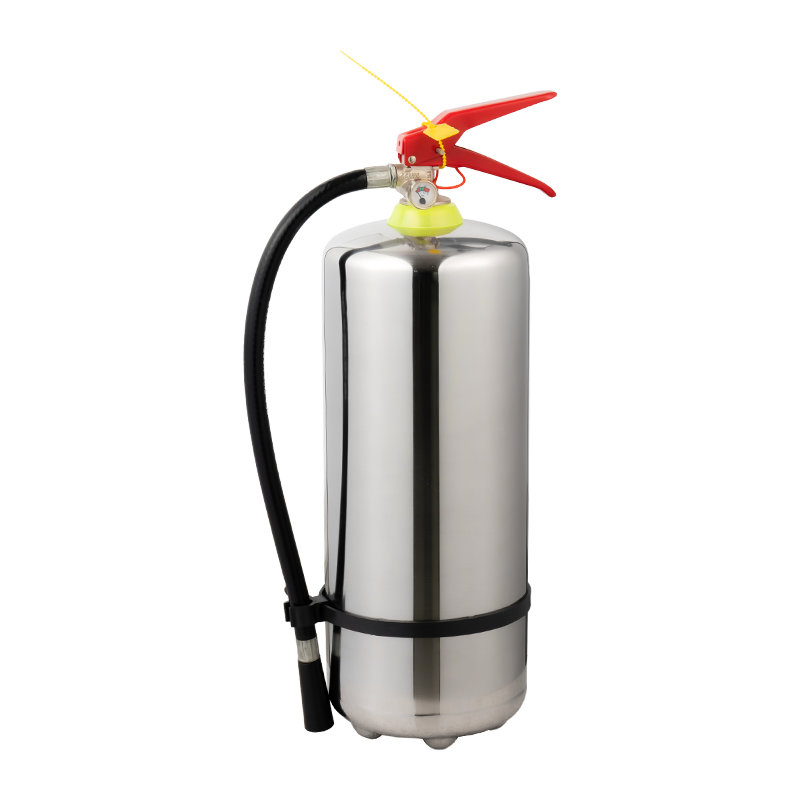
304 stainless steel 6L fire extinguisher is a professionally designed fire extinguishing equipment, made of high-quality SUS304 stainless steel materi...
See Details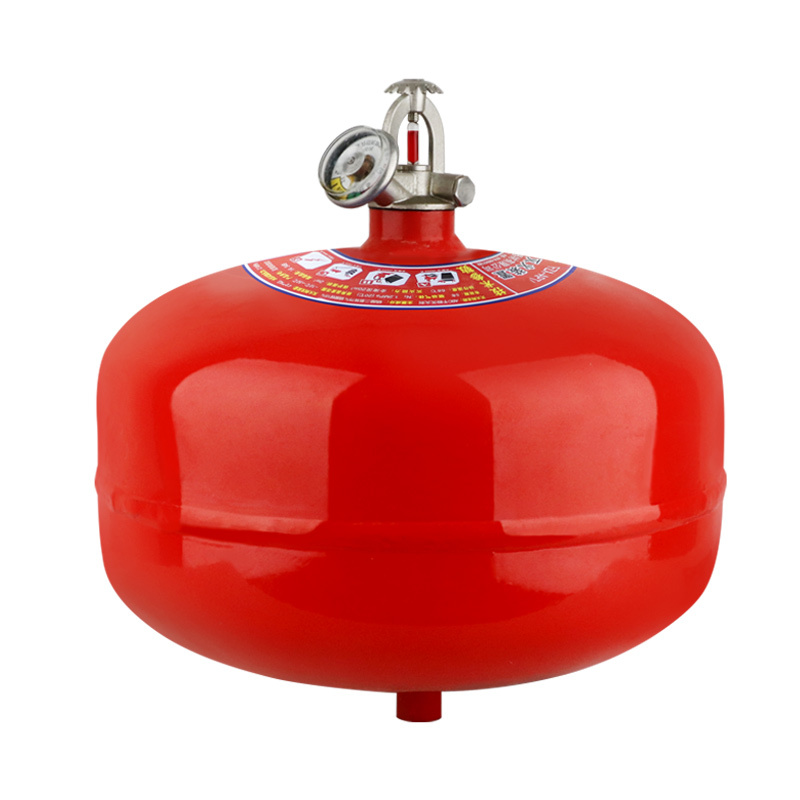
8KG hanging fire extinguisher can be installed on the wall or ceiling, fixed by hook or bracket, making it easy to quickly access and operate when nee...
See Details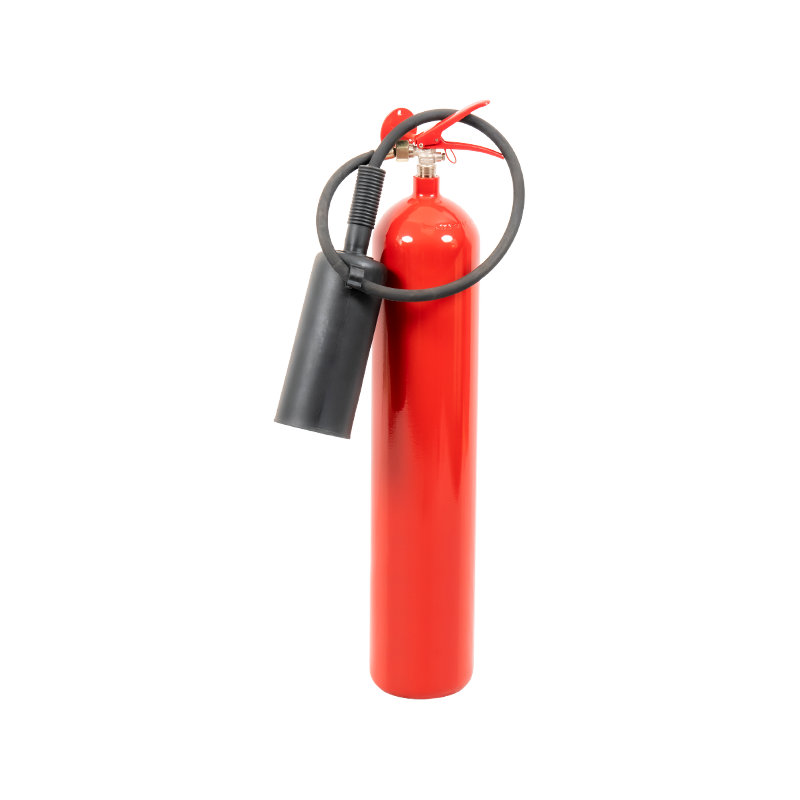
The 5kg fire-fighting carbon dioxide fire extinguisher can work in a wide temperature range, from -30˚C to +60˚C, to meet the firefighting needs in va...
See Details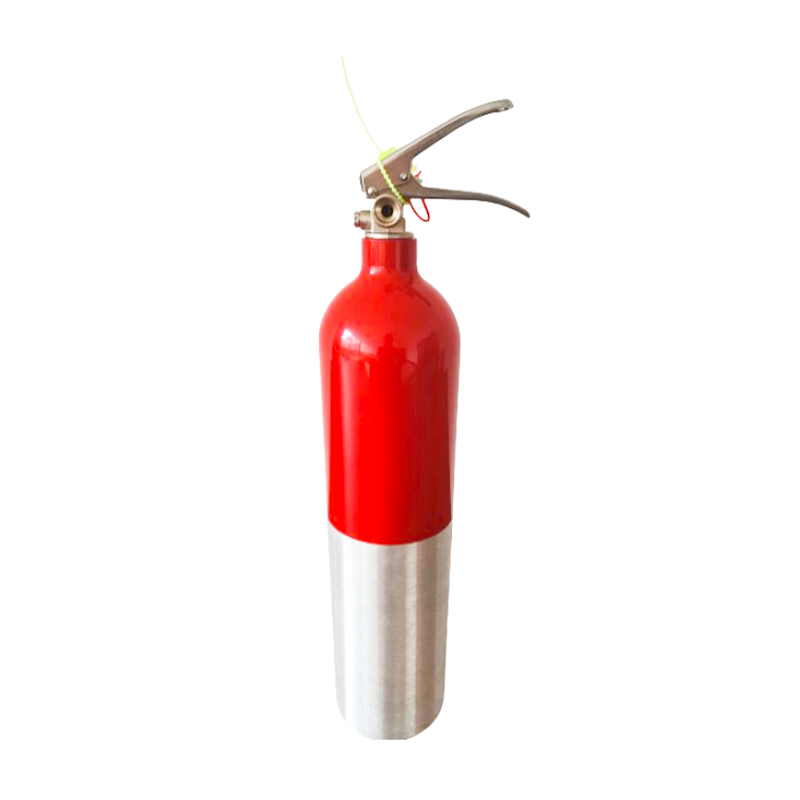
The 5KG portable aluminum fire extinguisher is an efficient and reliable fire extinguishing equipment suitable for fire protection needs in various in...
See Details
Zhejiang Yongshang Pressure Vessel Co., Ltd. was established in 2016. It is a modern enterprise integrating R&D, production and sales, specializing in the production of dry powder, carts, carbon dioxide fire extinguishers, seamless steel cylinders, and aluminum bottles.

+86 13857576559


Zhuhai Village, Gaibei Town, Shangyu District, Shaoxing City, Zhejiang Province, China
