 English
 عربى
عربى 中文简体
中文简体

3KG Portable Steel Fire Extinguisher(CK45/CE)
Cat:CO2 Fire Extinguisher (CK45/CE)
The 3kg portable steel fire extinguisher is a firefighting device designed to deal with all types of fires. Made of CK45 steel, it is sturdy and durab...
See Details
+86 13857576559
Pressure Vessel Engineering · Buyer Guidance
A 47L seamless steel gas cylinder is more than a large steel bottle. It is a pressure boundary that must be defined by gas compatibility, working pressure, material traceability, and inspection rhythm.
When a specification sheet says “47L seamless steel gas cylinder,” the immediate instinct is to compare dimensions, weight, and price. That is a valid starting point, but not a complete one. The safer order of decisions is: identify the gas, define the working pressure, confirm the governing standard, and then assess the manufacturer’s testing and traceability. This article explains what matters at each step.
The “47L” in a 47L seamless steel gas cylinder is the water capacity. It describes how much water the cylinder shell can hold, not the volume of gas delivered at atmospheric pressure. This distinction affects filling calculations and often causes confusion in procurement.
For a rough estimate of free gas volume, multiply water capacity in liters by the absolute filling pressure. At a 150 bar gauge pressure, a 47L cylinder holds approximately 7.1 m³ of gas at atmospheric pressure. At 200 bar, the same shell can carry approximately 9.4 m³. The exact value also depends on gas properties and temperature.
| Service pressure (gauge) | Approx. free gas volume | Typical context |
|---|---|---|
| 150 bar | ≈ 7.1 m³ | Industrial gas storage, lower-pressure systems |
| 200 bar | ≈ 9.4 m³ | High-pressure fire suppression and gas supply |
| 300 bar | ≈ 14.1 m³ | Special high-pressure packages |
InfoIf a vendor describes “47 liters of gas,” ask whether they mean water capacity or normal liters. The two figures are not interchangeable and the difference can overstate a cylinder’s real capacity several times.
Seamless construction means the cylinder body is formed from a single pierced billet of steel, with no longitudinal weld line. Because the entire wall is continuous, the cylinder handles internal pressure more predictably than a welded vessel of the same thickness. This is a key reason seamless steel cylinders are preferred for refillable high-pressure service.
For a 47L seamless steel gas cylinder, material selection starts with the required service pressure. Common grades include 37Mn manganese steel and higher-strength alloy steels. After forming, the cylinder is heat treated and then machined at the neck to accept a valve. The surface is usually phosphated, painted, or otherwise protected against corrosion. The balance between strength, ductility, and weight is decided by the standard and the design pressure.
The most reliable way to evaluate a 47L seamless steel gas cylinder is to read its stamping. The standard mark tells you which design, manufacturing, and testing rules were followed. ISO 9809-1 covers quenched and tempered seamless steel gas cylinders for high-pressure service; ISO 9809-3 applies to normalized steel cylinders and is commonly chosen for lower-pressure applications. National standards such as GB/T 5099 may also apply depending on the destination market.
A gas cylinder is a pressure vessel first and a commodity second. Every safe cylinder has a clear standard, a legible marking, and a tested wall.
Certification and inspection are not decoration. A responsible manufacturer should be able to provide material certificates, heat treatment records, hydrostatic test reports, and batch traceability. Before placing an order, confirm that the cylinder’s test pressure, working pressure, and valve connection are stated on the drawing and the nameplate.
WarningBe careful with generic “CE” claims. A cylinder exported for EU use must meet the relevant pressure equipment directive or transportable pressure equipment requirements. Certification should match the product and its destination, not just appear as a sticker.
The 47L size sits between portable cylinders and bulk storage, which makes it practical for applications where gas demand is too high for small cylinders but a manifold is not yet justified.
Gas compatibility matters as much as volume. A cylinder intended for dry inert gas is not automatically suitable for gases with different moisture tolerance or filling behavior. Valves, internal cleanliness, and filling ratios must be reviewed gas by gas.
Buying a 47L seamless steel gas cylinder from a manufacturer is not just about aesthetics or freight cost. The following checks separate a pressure vessel from a promotional image.
These requirements also help you compare suppliers on an equal basis. A lower quote with unclear documentation can become a much larger cost after arrival, especially when a local inspector refuses to accept the cylinder.
SuccessIf the supplier can provide a complete documentation package and still holds a stable production schedule, that is a stronger indicator of quality than a glossy brochure.
A well-built 47L seamless steel gas cylinder is designed for repeated refilling, but only under controlled conditions. Cylinders should be inspected before every fill, sorted by test date, and removed from service when the interval expires.
DangerNever fill a cylinder with visible structural damage, an expired test date, or an unstable valve. Depressurize it, mark it out of service, and return it to a qualified facility for evaluation.
For more detail on what to look for during routine checks, see how to detect potential signs of wear or damage in a steel seamless gas cylinder.
The 47L seamless steel gas cylinder earns its place in fire suppression and industrial gas systems because of its repeatable engineering, clear standards, and practical volume. But the cylinder alone is not a complete solution. The gas, the valve, the filling station, and the inspection routine define whether that steel shell works safely over many years.
Choose a supplier that can show you the material story behind the cylinder: where the steel came from, how it was formed, how it was tested, and what the markings mean. That level of transparency is what separates a dependable pressure vessel from a low-cost cylinder with hidden risk.
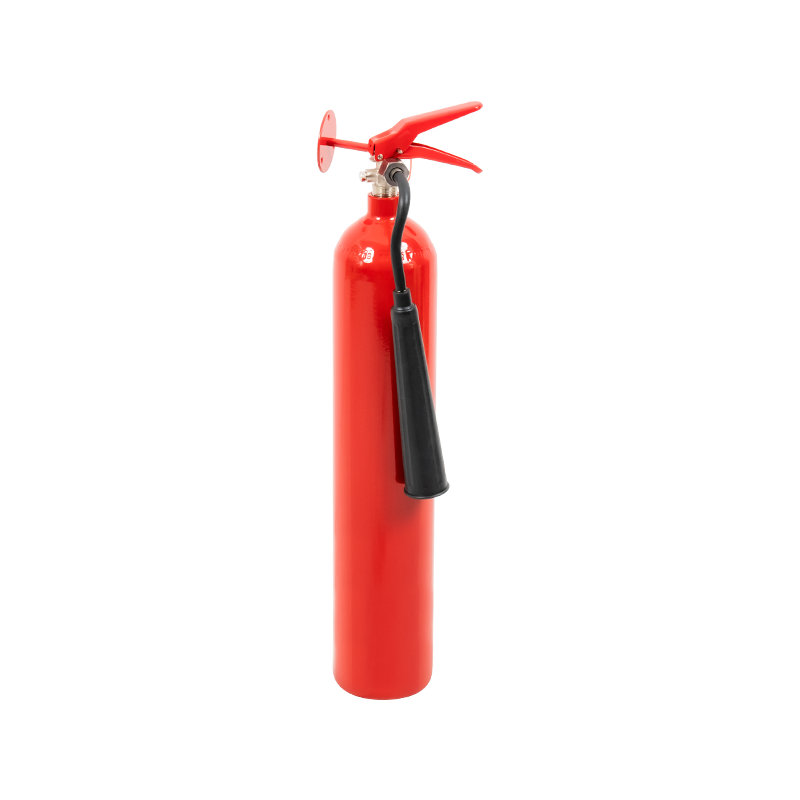
The 3kg portable steel fire extinguisher is a firefighting device designed to deal with all types of fires. Made of CK45 steel, it is sturdy and durab...
See Details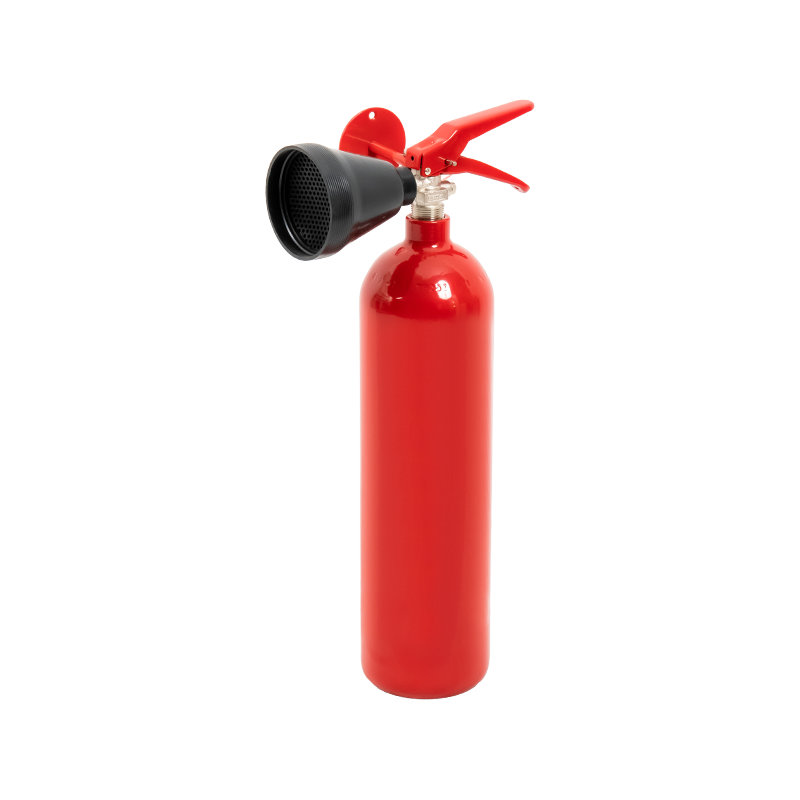
The 2kg portable CE fire extinguisher is a firefighting device designed for quick response and extinguishing of small fires. It is made of high-streng...
See Details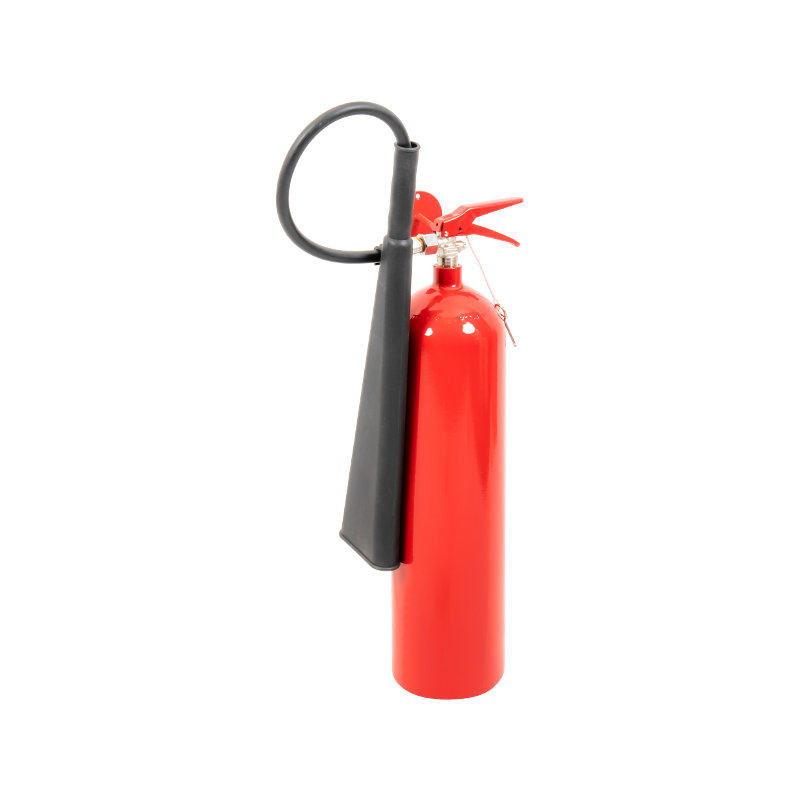
The 5kg CO2 CE extinguisher is suitable for a variety of applications, including in factories, production lines and warehouses. The 5kg CO2 extinguish...
See Details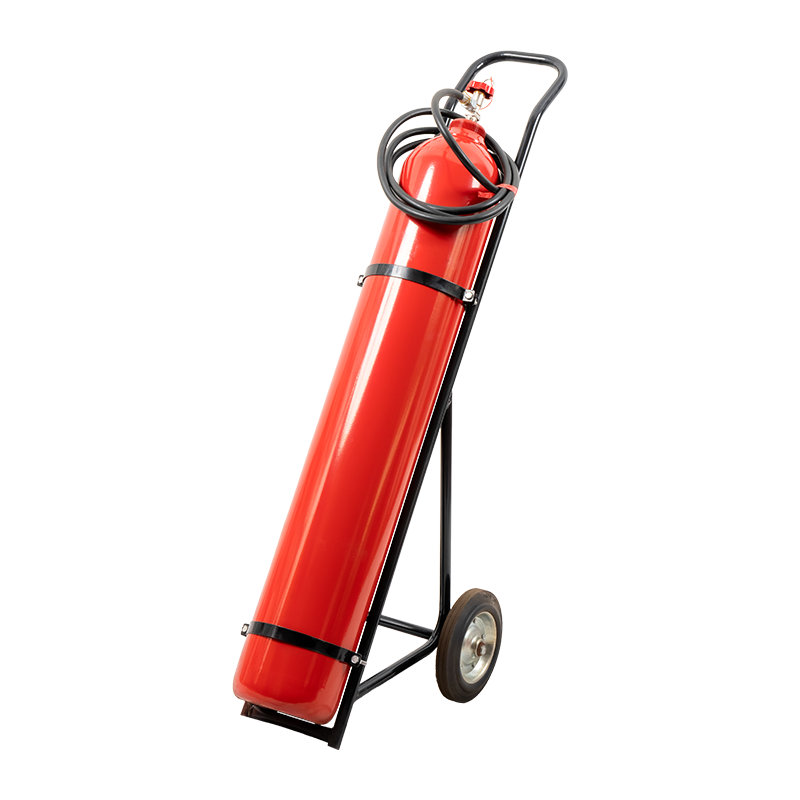
The 10KG Steel Cart-Mounted CO2 Fire Extinguisher is a portable firefighting tool consisting of a large steel cylinder with a capacity of 10kg CO2, mo...
See Details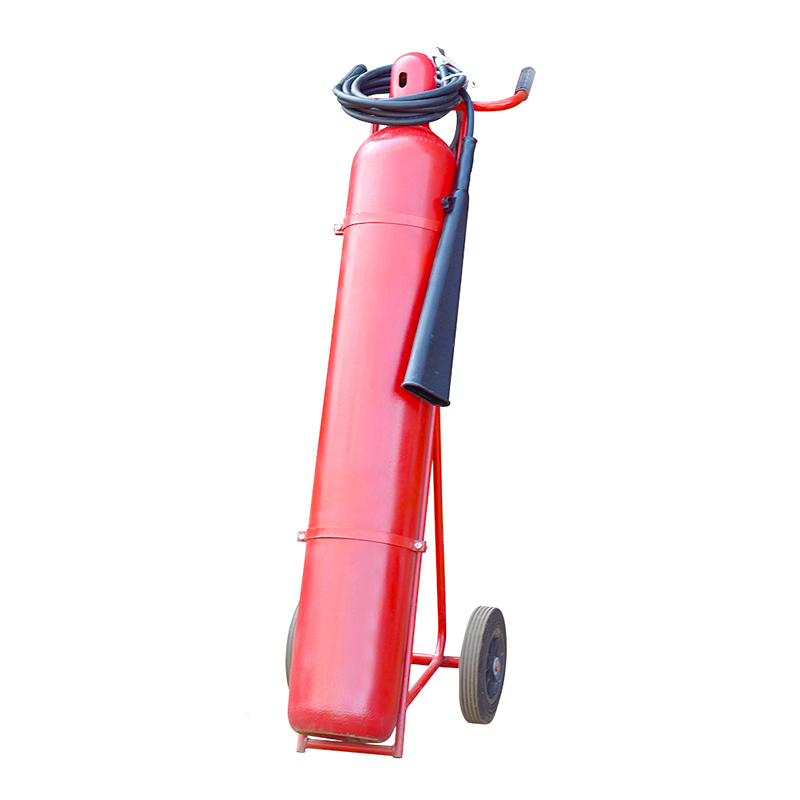
The 25kg trolley mobile fire extinguisher is a high-capacity fire-fighting equipment designed for large-scale fires. It has mechanical strength and co...
See Details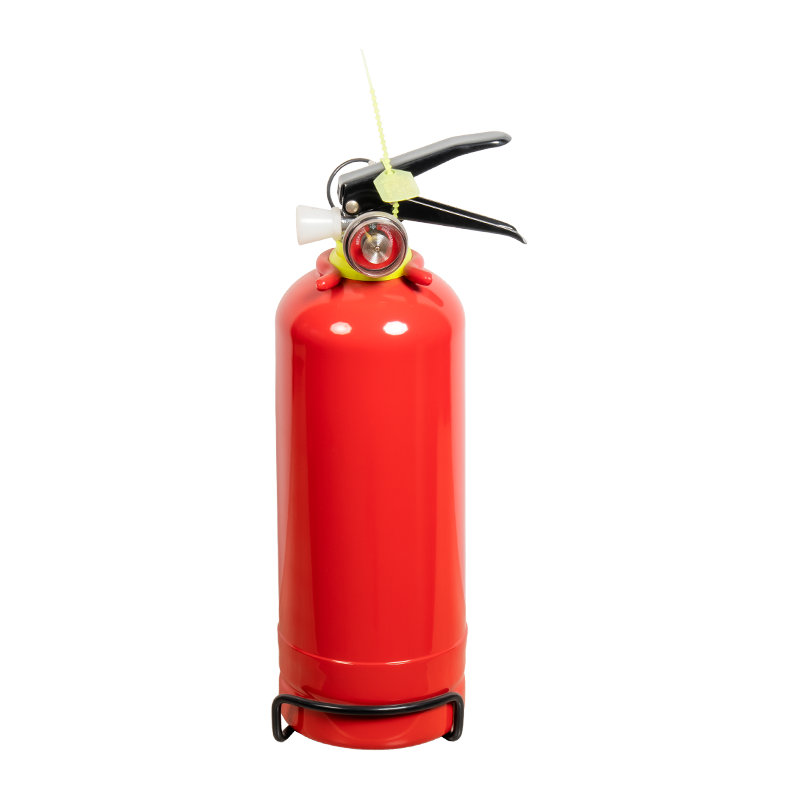
The 1kg portable dry powder fire extinguisher is a safety device used to put out small fires in emergency situations. Its outer shell is made of steel...
See Details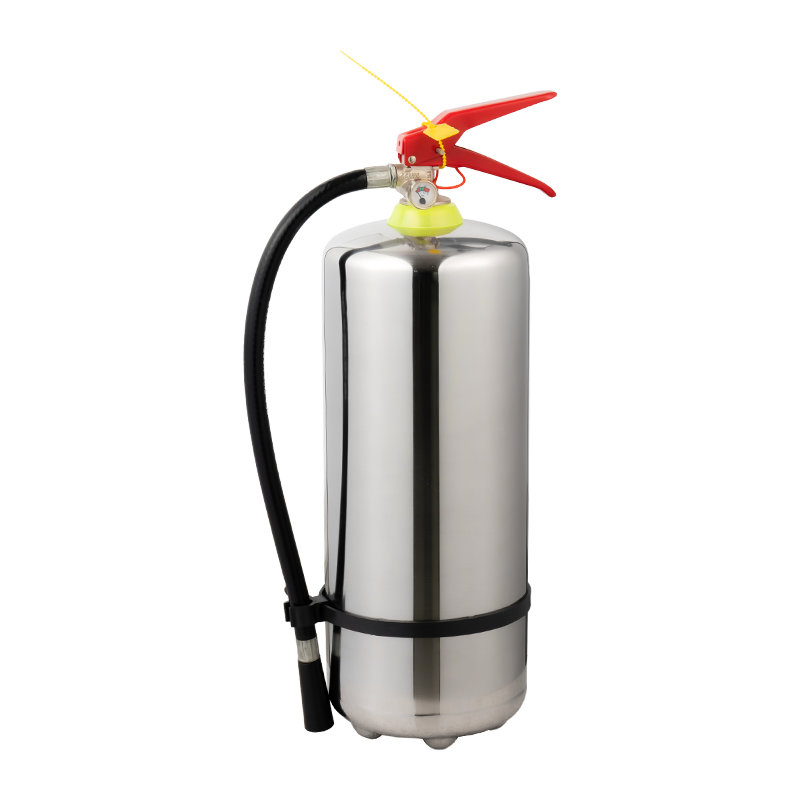
304 stainless steel 6L fire extinguisher is a professionally designed fire extinguishing equipment, made of high-quality SUS304 stainless steel materi...
See Details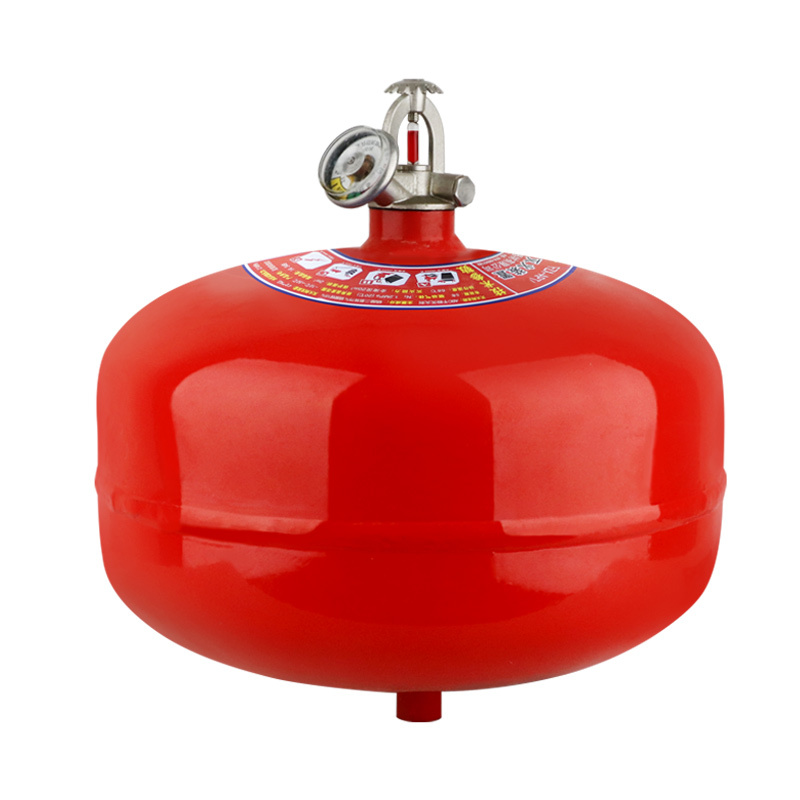
8KG hanging fire extinguisher can be installed on the wall or ceiling, fixed by hook or bracket, making it easy to quickly access and operate when nee...
See Details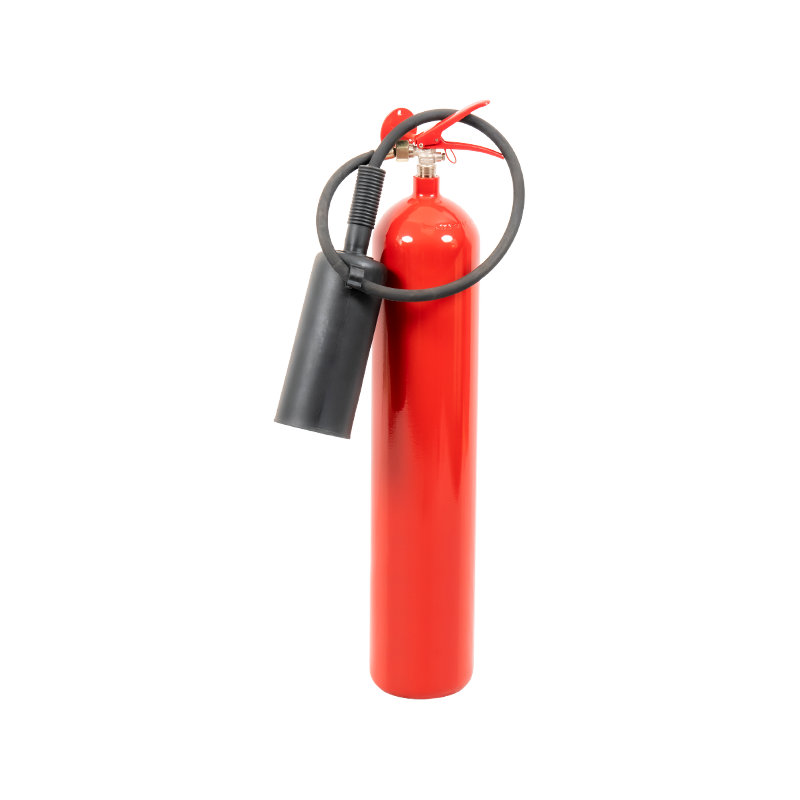
The 5kg fire-fighting carbon dioxide fire extinguisher can work in a wide temperature range, from -30˚C to +60˚C, to meet the firefighting needs in va...
See Details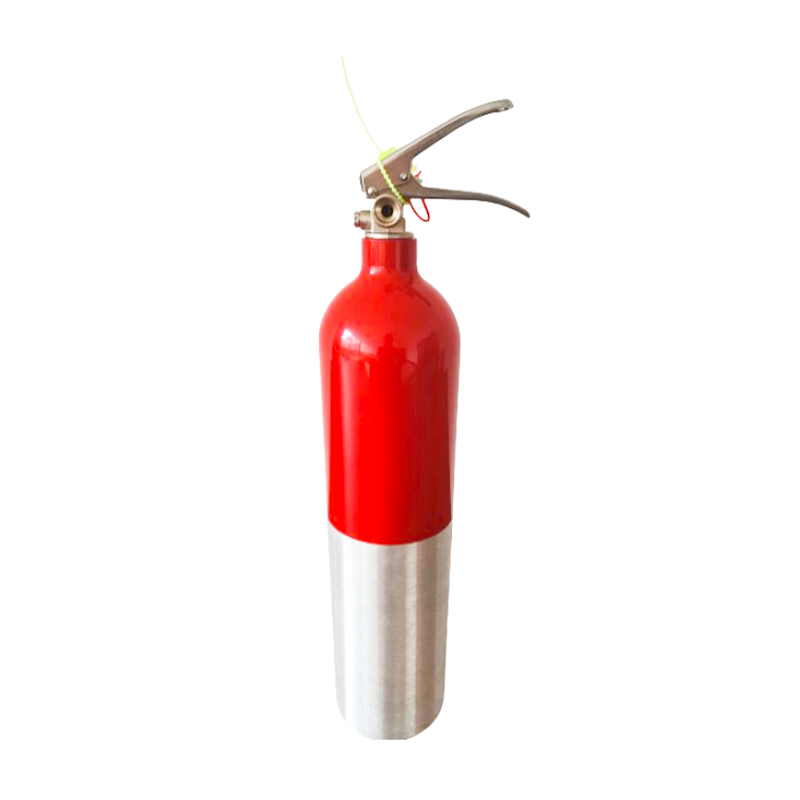
The 5KG portable aluminum fire extinguisher is an efficient and reliable fire extinguishing equipment suitable for fire protection needs in various in...
See Details
Zhejiang Yongshang Pressure Vessel Co., Ltd. was established in 2016. It is a modern enterprise integrating R&D, production and sales, specializing in the production of dry powder, carts, carbon dioxide fire extinguishers, seamless steel cylinders, and aluminum bottles.

+86 13857576559


Zhuhai Village, Gaibei Town, Shangyu District, Shaoxing City, Zhejiang Province, China
