English
 عربى
عربى 中文简体
中文简体


CE Marking for Fire Extinguishers: What Separates Portable Units from Fixed Systems
A closer look at how European certification standards govern two very different categories of fire suppression equipment — and why the distinction changes what buyers, facility managers, and safety officers should actually check before relying on either.
The Short Answer
A portable fire extinguisher must carry CE marking under the Construction Products Regulation and be manufactured to the EN 3 series of standards, while a fixed fire extinguishing system is CE marked separately under EN 12094 or EN 15276, depending on the extinguishing medium. Portable units are certified as standalone, hand-operated devices, whereas fixed systems are certified as engineered installations covering detection, actuation, piping, and discharge. Both categories require CE marking before they can legally enter the market across the UK and EU, but the testing scope, documentation, and installation obligations differ significantly between the two. Understanding this distinction matters whether you are sourcing a new fire extinguisher for a single office or specifying a suppression system for an industrial facility.
CE marking confirms a product met a defined standard at the moment it left the factory — it is a declaration of conformity, not a lifetime guarantee of performance.
What CE Marking Actually Certifies
CE marking is a legal declaration that a product has been assessed against a harmonized European standard and meets defined minimum performance and safety criteria. For fire suppression equipment, this means the manufacturer — or an accredited third-party notified body — has verified factors such as extinguishing capacity, discharge time, working pressure, valve integrity, and material durability under stress conditions like vibration, corrosion, and temperature cycling.
The mark itself is not a performance ranking. A CE-marked extinguisher rated 13A is not automatically superior to one rated 5A; the rating simply describes the tested fire class and size of fire the unit can extinguish under controlled conditions. Buyers should read the rating alongside the CE mark rather than treating the mark alone as a complete specification.
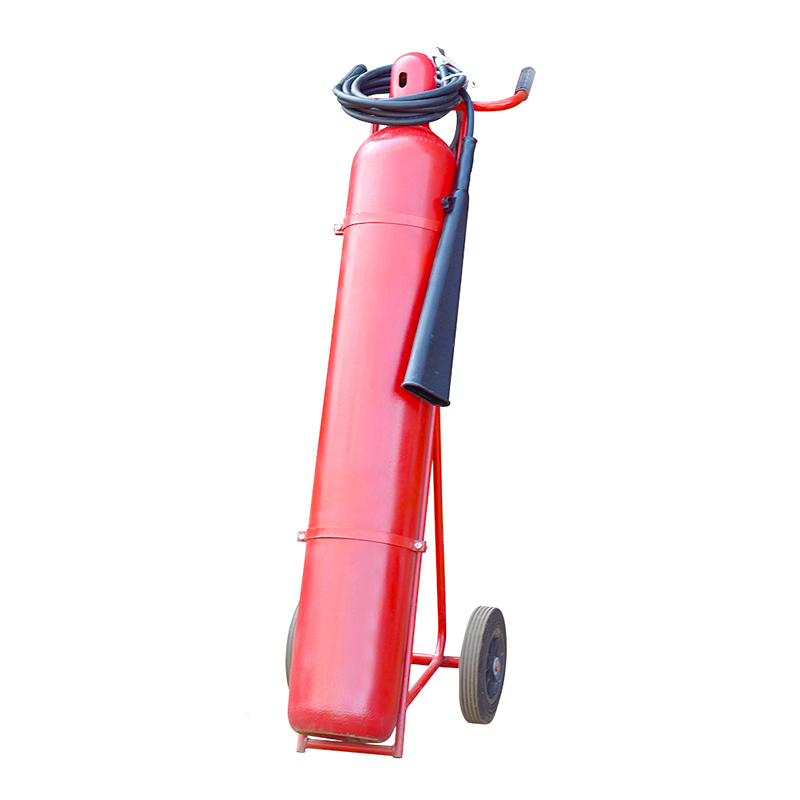
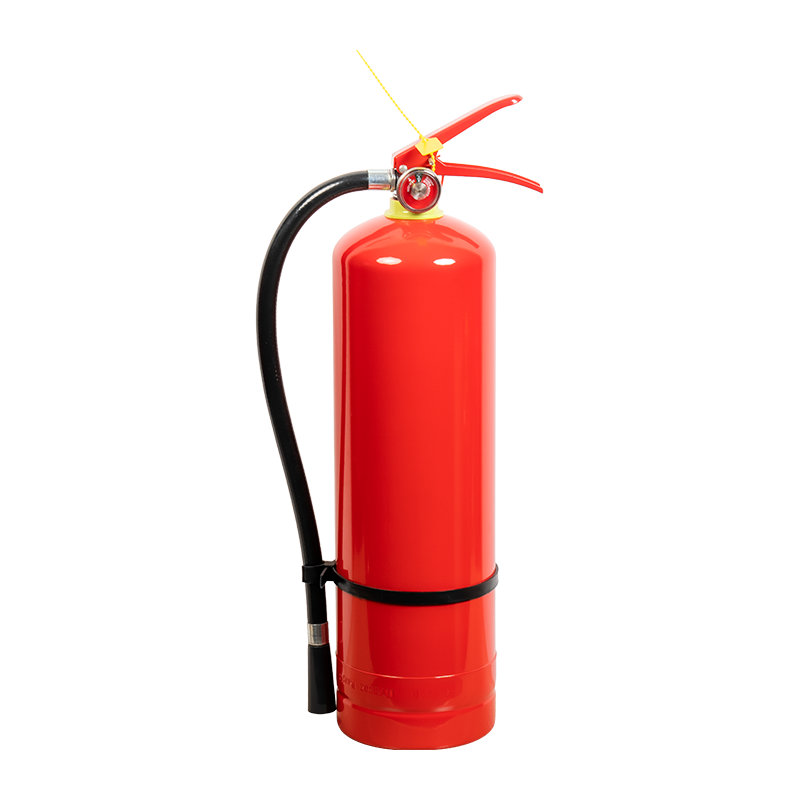
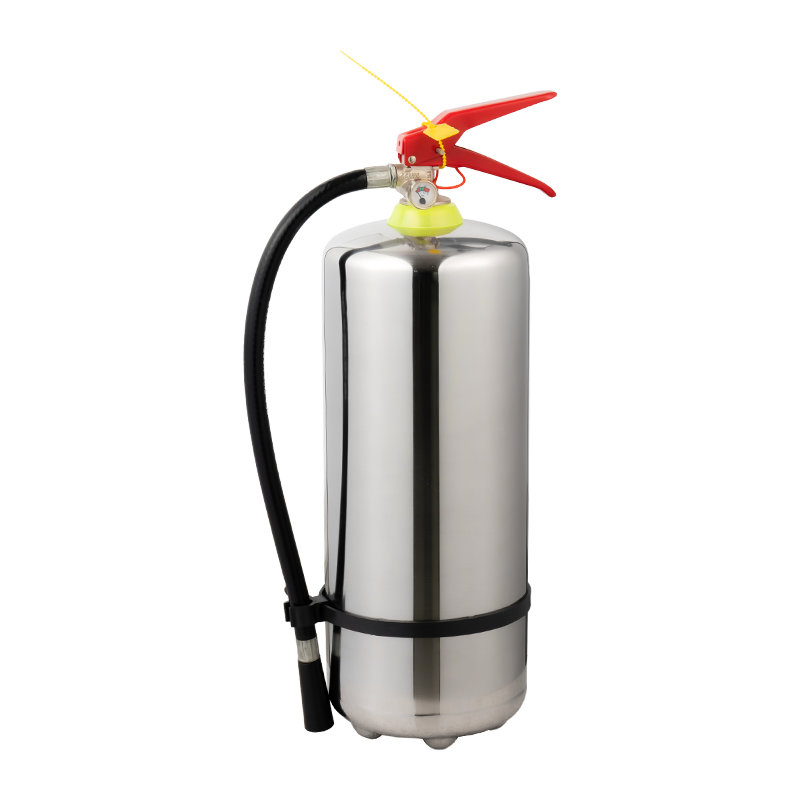
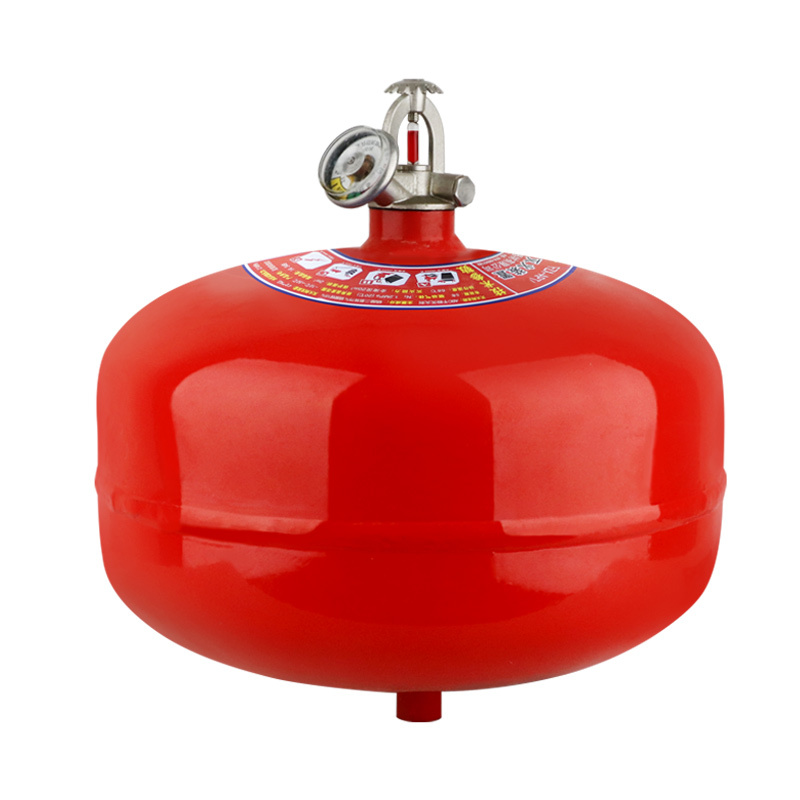
fire extinguisher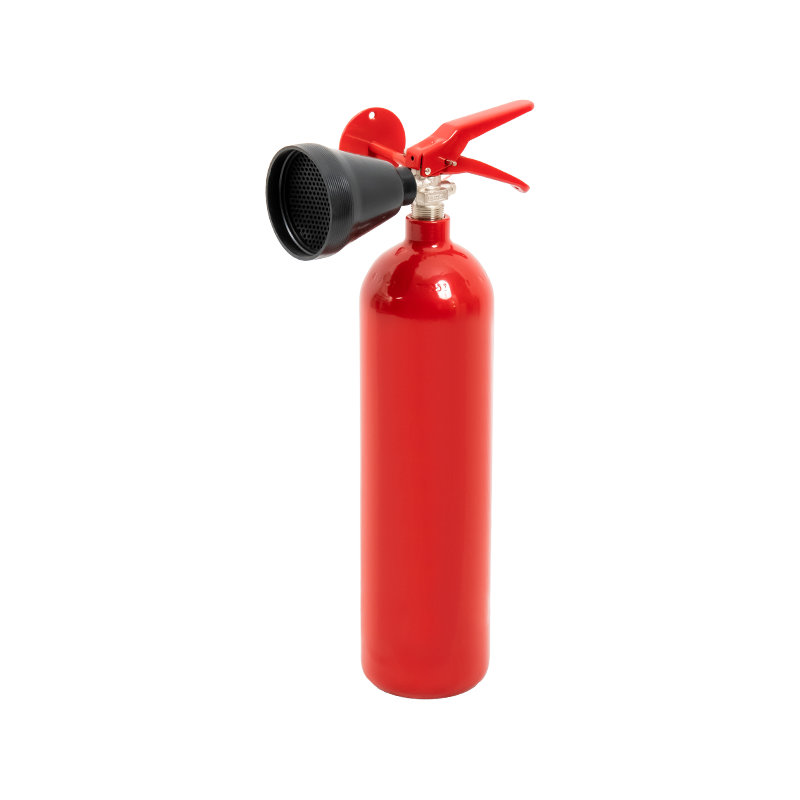
Core Elements Verified During Certification
- Extinguishing agent composition and minimum fill quantity
- Cylinder or vessel pressure rating and burst-test tolerance
- Valve and hose assembly reliability under repeated cycling
- Fire rating classification — A, B, C, F, or electrical suitability
- Label legibility, pictogram accuracy, and operating instructions
CE Requirements for Portable Fire Extinguishers
A portable fire extinguisher is defined as a hand-carried or wheeled unit not exceeding 20 kilograms in gross mass, intended for operation by one person. Across the EU and UK, portable units fall under the harmonized standard EN 3, split into several parts covering construction, fire rating tests, and pressure resistance. Manufacturers must run production through a Notified Body assessment before affixing the CE mark, and the mark must appear alongside the Notified Body's four-digit identification number on the extinguisher label.
Because portable units are mass-produced and sold individually to businesses, schools, warehouses, and households, regulators focus heavily on consistent quality control across production batches. This is why CE-marked portable extinguishers typically include a batch or serial number traceable to a specific manufacturing run — useful both for recalls and for scheduling fire extinguisher servicing at the correct interval.
Every CE-marked portable extinguisher should be sold with a Declaration of Performance. If a supplier cannot produce one on request, treat that as a red flag rather than an oversight.
Typical Documentation Bundled with a Portable Unit
| Document | Purpose |
|---|---|
| Declaration of Performance | Confirms tested fire rating and standard compliance |
| Commissioning Certificate | Confirms the unit was inspected and charged before dispatch |
| Service Tag | Records install date, servicing history, and next due date |
CE Requirements for Fixed Fire Extinguishing Systems
Fixed systems — including automatic clean agent suppression, CO2 flooding systems, and pre-engineered kitchen suppression units — are certified under different standards depending on the agent used: EN 15276 for water- and foam-based fixed systems, and EN 12094 for the component parts of gas extinguishing systems, including valves, actuators, pressure switches, and detection interfaces. Unlike portable units, fixed systems are rarely certified as a single finished product. Instead, each critical component carries its own CE mark, and the system as a whole is validated at the point of design and installation by a competent fire engineer.
This component-level approach exists because fixed systems are engineered per building — pipe runs, nozzle placement, and agent quantity are calculated based on room volume, ventilation, and hazard class. A CE mark on an individual cylinder or valve confirms that part meets pressure and material standards, but the overall system's fire protection adequacy depends on correct design calculations, which fall outside the scope of the CE mark itself.
Why Installation Competence Matters as Much as the CE Mark
Because fixed systems combine multiple CE-marked components into a site-specific configuration, a poorly designed installation can be fully compliant on paper — every part individually CE marked — yet still underperform if agent concentration, discharge timing, or room integrity are miscalculated. This is why most fire safety consultants recommend third-party commissioning tests after installation, in addition to relying on component-level CE documentation.
A fixed system built entirely from CE-marked components is not automatically fit for purpose. Design calculations and commissioning tests matter as much as the individual certifications.
Side-by-Side Comparison
| Factor | Portable Extinguisher | Fixed System |
|---|---|---|
| Governing Standard | EN 3 series | EN 15276 / EN 12094 |
| Certification Unit | Whole finished product | Individual components |
| Design Responsibility | Manufacturer | Installer / fire engineer |
| Post-Sale Obligation | Annual servicing | Scheduled inspection and pressure testing |
| Typical Application | Offices, retail, vehicles | Server rooms, kitchens, industrial plants |
Servicing and Maintenance After Certification
CE marking is a point-in-time certification — it confirms the product met the standard when it left the factory, not that it will remain compliant indefinitely. This is where ongoing fire extinguisher servicing becomes essential. Most national fire safety regulations require portable units to be visually inspected monthly and professionally serviced at least once every twelve months, with extended service — including discharge testing — typically required every five years, and hydrostatic pressure testing every ten years depending on the extinguishing agent.
For fixed systems, servicing intervals are usually set by the system manufacturer's technical manual and validated during commissioning, but general good practice includes the following.
- Quarterly visual inspection of pipework, nozzles, and pressure gauges
- Annual functional testing of detection and actuation components
- Periodic agent quantity verification through weight or pressure checks
- Full system discharge test at intervals defined by the design standard
Skipping servicing does not remove the CE mark from the product, but it does void the practical assurance the mark was meant to provide. A neglected extinguisher can fail during an actual fire even though its label still shows valid certification from years earlier.
What to Check Before Buying a New Fire Extinguisher
When purchasing a new fire extinguisher, whether portable or as part of a fixed installation, verifying CE compliance takes only a few minutes but prevents costly compliance failures later. Buyers should check the following before finalizing an order.
- CE mark printed clearly on the label, alongside a Notified Body number for portable units
- Declaration of Performance available on request from the supplier
- Fire rating — such as 13A 89B — matching the hazard type present in the space
- Batch number and manufacture date that are legible and recent
- Confirmed servicing schedule and a documented service contract
A common mistake among first-time buyers is assuming any extinguisher with a CE logo printed on the casing is automatically compliant. Counterfeit or improperly self-certified units occasionally circulate through unregulated online marketplaces, so cross-checking the Notified Body number against public accreditation registers is a worthwhile extra step for larger commercial orders.
Keeping a simple equipment log — purchase date, CE documentation, service history, and inspection outcomes — is the single easiest way to stay audit-ready year over year.
Consequences of Non-Compliant or Missing CE Marking
Operating a business with fire equipment that lacks proper CE certification carries both legal and practical risk. In the event of an insurance claim following a fire incident, insurers frequently request proof that fire safety equipment was compliant and properly maintained; missing documentation can delay or reduce a payout. Workplace safety inspectors can also issue improvement or prohibition notices if extinguishers are found to be uncertified, expired, or improperly serviced, and in more serious cases — particularly where non-compliance contributed to injury — liability can extend to facility management personally.
Beyond legal exposure, non-compliant equipment simply may not perform as expected. Substandard pressure vessels, incorrect agent formulations, or poorly calibrated valves are precisely the defects that CE testing is designed to catch — bypassing that process increases the odds of extinguisher failure at the moment it matters most.
Practical Takeaways for Facility Managers
For most commercial premises, the safest approach is to treat CE marking as the starting point of compliance rather than the finish line. A portable fire extinguisher purchase should always include a Declaration of Performance and a clear servicing schedule, while a fixed system installation should be paired with commissioning documentation from a qualified fire protection engineer, independent of the component-level CE marks already present on the cylinders and valves. Maintaining a simple equipment log makes it far easier to demonstrate compliance during audits and insurance reviews, and ensures that both portable units and fixed systems continue to perform as intended long after the CE mark was first applied at the factory.