 English
 عربى
عربى 中文简体
中文简体

3KG Portable Steel Fire Extinguisher(CK45/CE)
Cat:CO2 Fire Extinguisher (CK45/CE)
The 3kg portable steel fire extinguisher is a firefighting device designed to deal with all types of fires. Made of CK45 steel, it is sturdy and durab...
See Details
+86 13857576559
A maintenance supervisor working in a distribution room hears a pop from a switchgear panel, then sees a thin wisp of smoke rising from the live busbars. In that moment, the extinguisher he grabs has to handle both an energized electrical hazard and the hot, oily components around it. A CO2 fire extinguisher is the right tool in this situation. In short, a CO2 fire extinguisher is used for Class B flammable liquid and gas fires and for fires involving live electrical equipment. Carbon dioxide achieves this by replacing the oxygen around the flame and pulling heat out of the fuel, leaving no residual powder or water that can destroy sensitive hardware.
A CO2 fire extinguisher is a cylinder filled with pressurized liquid carbon dioxide. When the valve opens, the CO2 expands rapidly through a discharge horn and comes out as a cloud of white gas and dry-ice particles. That cloud is much colder than ambient temperature, and it has a high expansion ratio, allowing a relatively small cylinder to produce a large, inert gas blanket.
Unlike dry chemical or foam extinguishers, CO2 extinguishers do not deposit powder, soap film, or water. This makes them one of the cleanest extinguishing agents available for electrical and electronic equipment. The carbon dioxide itself does not conduct electricity, so an operator can direct it at live circuits from a safe distance, provided the discharge horn is used correctly.
The most important selection question is not the brand, size, or color of the extinguisher, but the fire class. CO2 extinguishers are designed for two principal situations:
| Fire class or risk | CO2 suitable? | Main reason |
|---|---|---|
| Class B: flammable liquids and gases | Yes | The carbon dioxide blanket interrupts combustion and does not spread burning liquid. |
| Live electrical equipment | Yes | Carbon dioxide is non-conductive and leaves no residue on sensitive parts. |
| Class A: wood, paper, textiles | Not recommended | CO2 can be driven away before deep-seated material cools below its ignition temperature. |
| Class D: combustible metals | No | CO2 is ineffective on most metal fires and may react with some reactive metals. |
| Cooking oils and fats (Class F or K) | No | Wet chemical extinguishers provide superior cooling and steam suppression for deep-fat fryers. |
This distinction matters because using a CO2 unit on a deep-seated sofa fire can leave the visible flame out while hot material inside continues to smolder. Within minutes the fire can flash back, and the extinguisher is already empty. For ordinary combustible materials, water, foam, ABC dry powder, or a wet chemical extinguisher is more appropriate. For energized electrical systems, however, CO2 is often the preferred agent.
You will typically see CO2 extinguishers in areas where electrical equipment, flammable liquids, or both create concentrated risks. These include:
For a small control panel or an electrical cabinet, a compact unit can stop the fire before it reaches neighboring equipment. The 3kg portable steel CO2 extinguisher is a sensible choice in such tight locations; its size allows it to be mounted close to the hazard without obstructing walkways. In workshops and bench areas where a technician may need a longer discharge to cover a wider flame front, the 5kg steel portable CO2 extinguisher offers additional capacity while remaining light enough for most users to handle.
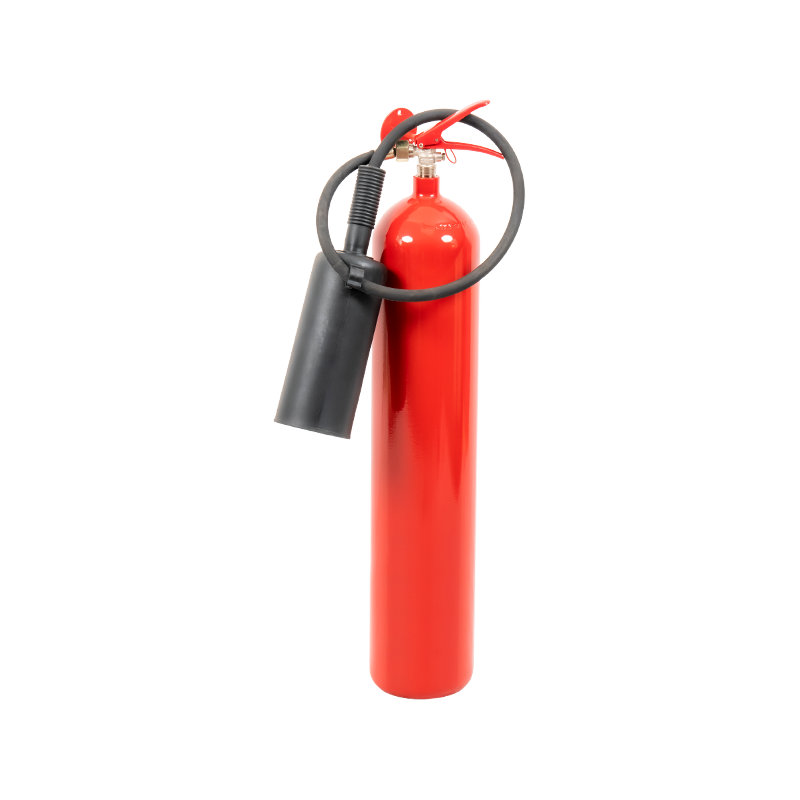 Custom 5KG Steel Portable CO2 Fire Extinguisher Suppliers, FactoryZhejiang Yongshang Pressure Vessel Co., Ltd. is China custom 5KG Steel Portable CO2 Fire Extinguisher suppliers and 5KG Steel Portable CO...View Product →
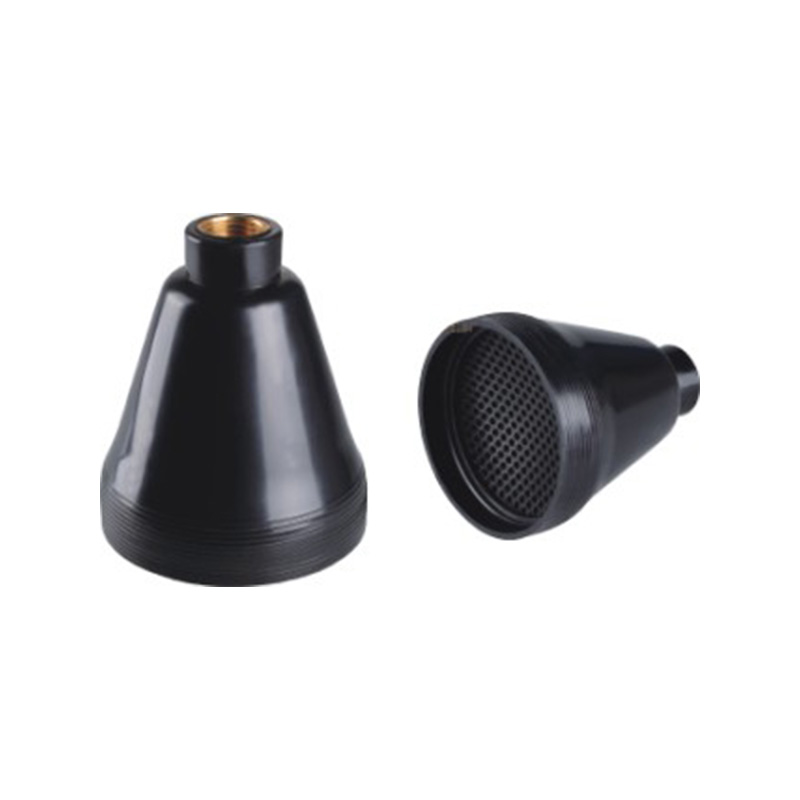 Custom 3KG Portable Steel Fire Extinguisher(CK45/CE) Suppliers, FactoryZhejiang Yongshang Pressure Vessel Co., Ltd. is China custom 3KG Portable Steel Fire Extinguisher(CK45/CE) suppliers and 3KG Portable Ste...View Product →
For larger risks such as transformer bays, diesel storage rooms, or test facilities with elevated ceilings, a hand-held cylinder may not contain enough extinguishing agent. A trolley-mounted CO2 extinguisher puts a bigger supply of carbon dioxide on wheels, so personnel can move the unit to the edge of the fire and control the discharge without carrying the full weight by hand.
Carbon dioxide is about one and a half times denser than air, so when it is released from the discharge horn it creates a blanket that physically pushes oxygen away from the fire. Most flames need at least 15 percent oxygen to sustain combustion, and a CO2 discharge quickly lowers the local oxygen level below that threshold. This is why the operator must aim at the base of the flame and sweep slowly, allowing the heavy gas to settle over the burning surface.
Pressurized liquid CO2 expands by roughly 400 times its liquid volume as it leaves the nozzle. That expansion absorbs heat and forms a very cold mixture of gas and dry-ice crystals at about -78.5 degrees Celsius. The cold gas cools the fuel surface, which slows the production of flammable vapors. Together with oxygen displacement, this interrupts the combustion triangle.
These two effects are fast and clean. No foam blanket remains to be washed away, and no corrosive powder gets into switch contacts or circuit boards. For scenarios where downtime is expensive, that cleanliness is almost as important as the fire suppression itself. The speed of the discharge also depends on maintaining rated pressure inside the cylinder, so understanding how high-pressure CO2 keeps every second counting can help you evaluate a CO2 unit's expected performance.
Wood, paper, textiles, and similar materials can smolder beneath the surface. CO2 suppresses the flame, but once the gas dissipates, residual heat can cause the fire to reignite. For this reason, safety standards do not recommend CO2 as the primary extinguisher for Class A risks.
Carbon dioxide discharge can quickly displace oxygen in a confined space. This is why CO2 extinguishers are common in places like server rooms, but users must ventilate the area after a discharge and leave immediately if they feel dizzy. In a small, unventilated room, a full discharge can create a serious breathing hazard before the fire is fully controlled.
The horn and the jet of gas become extremely cold. Holding the horn directly can cause frostbite or injury to the hand. The operator should use the handle or insulated part of the horn, and never point the jet at any person.
CO2 has a shorter effective range than dry powder or water extinguishers, usually around 1 to 2 meters. In a wind gust or in a ventilated space, the gas can be scattered. This means the operator must be close to the fire, but not so close that the flame can reach them. Because CO2 does not provide a lasting inert layer, hot surfaces can re-ignite after the discharge stops.
The general method is similar to other portable extinguishers, but CO2 needs a few special precautions because of its short range and cold discharge. Follow this sequence:
The basic sequence is often shortened to Pull, Aim, Squeeze, Sweep, but CO2 calls for more attention to the horn temperature and discharge distance. For a quick refresher before an emergency, reviewing the proper use of fire equipment can reinforce the right habits.
The right capacity depends on the size of the room and the fire risk. For electrical cabinets and small machinery, a 3kg unit is often enough. For larger workshop areas, a 5kg unit gives a longer discharge. In industrial rooms with tall ceilings and large equipment volumes, a 10kg steel trolley CO2 fire extinguisher provides the reserve capacity needed to cover bigger flame fronts. The extinguisher should be mounted along likely escape routes, with clear signage and unobstructed access.
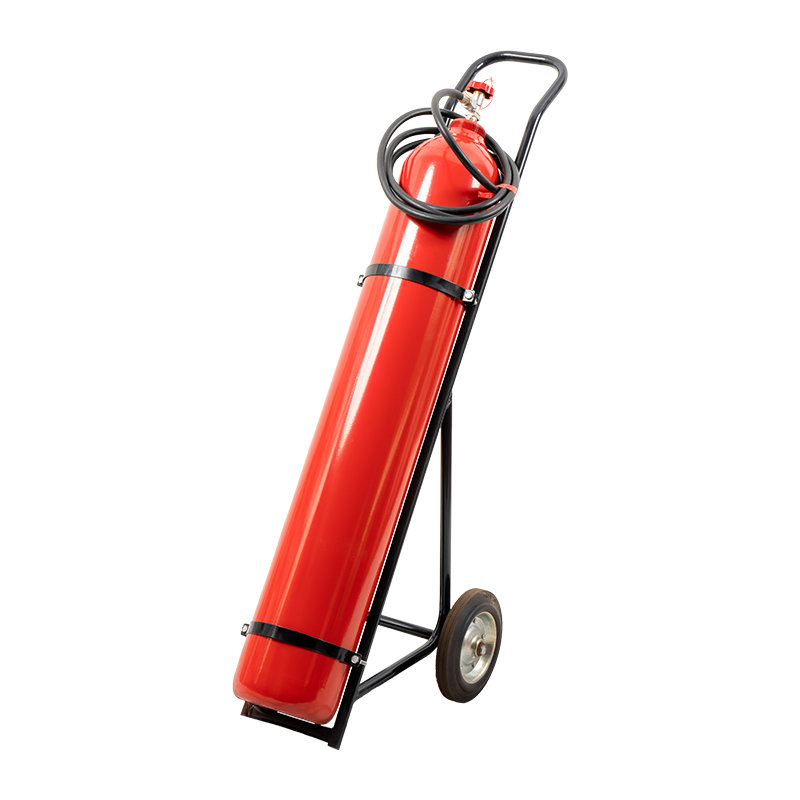 Custom 10KG Steel Trolley CO2 Fire Extinguisher Suppliers, FactoryZhejiang Yongshang Pressure Vessel Co., Ltd. is China custom 10KG Steel Trolley CO2 Fire Extinguisher suppliers and 10KG Steel Trolley CO...View Product →
Because CO2 extinguishers do not have a visible pressure gauge on many models, regular weight checks are important. The operator should confirm that the full cylinder weight is within the marked range, the pin is intact, the hose and horn are clear, and the lockpin is in place. Any damage to the cylinder, valve, or hose means the unit should be taken out of service for inspection. This type of inspection is part of broader CE fire extinguisher maintenance guidance.
A CO2 extinguisher that has been partially or fully discharged must be removed from service. The valve must be closed, the pressure checked, and the unit sent to an authorized service center for recharging. Weight loss over time also indicates a slow leak, and the extinguisher should be replaced or repaired before it loses enough agent to become ineffective.
A CO2 fire extinguisher is a specialized tool, not a universal one. Its primary value is in fighting Class B flammable liquid fires and electrical fires where cleanliness, non-conductivity, and speed produce real advantages. In those settings, the cold, inert CO2 cloud can stop a fire in seconds without flooding the room with powder or water. Outside those settings, however, the wrong choice can leave hot materials smoldering or create a breathing hazard in a tight space.
Before you install a CO2 unit, assess the actual hazards in the building, confirm the fire class you are likely to face, select a capacity that matches the size of the risk, and train your people on the correct discharge technique. With those factors in place, a CO2 fire extinguisher is one of the most reliable and cleanest first-response tools you can put near a panel, a workstation, or a fuel line.
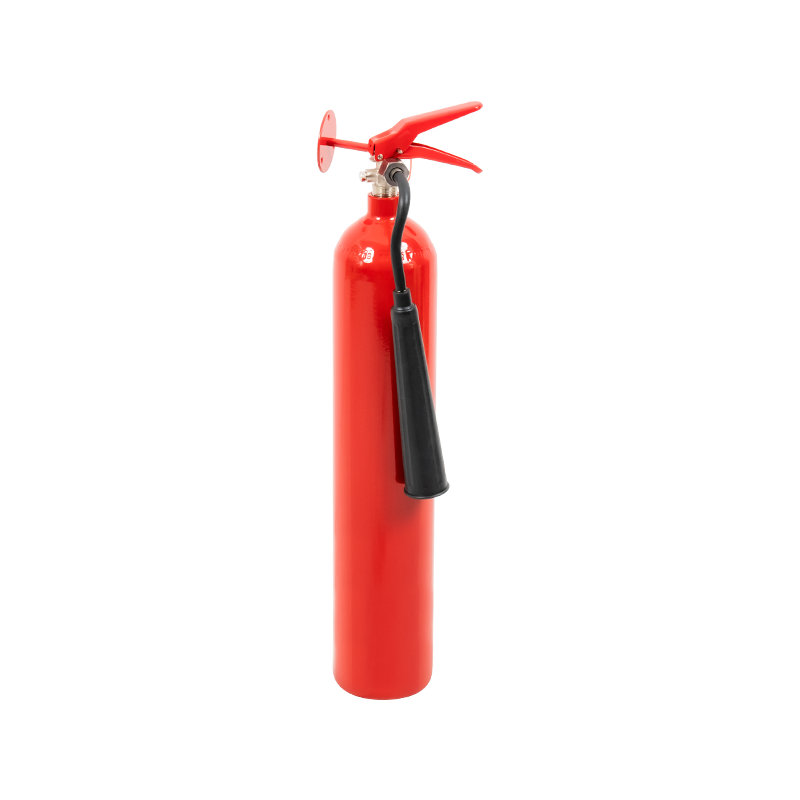
The 3kg portable steel fire extinguisher is a firefighting device designed to deal with all types of fires. Made of CK45 steel, it is sturdy and durab...
See Details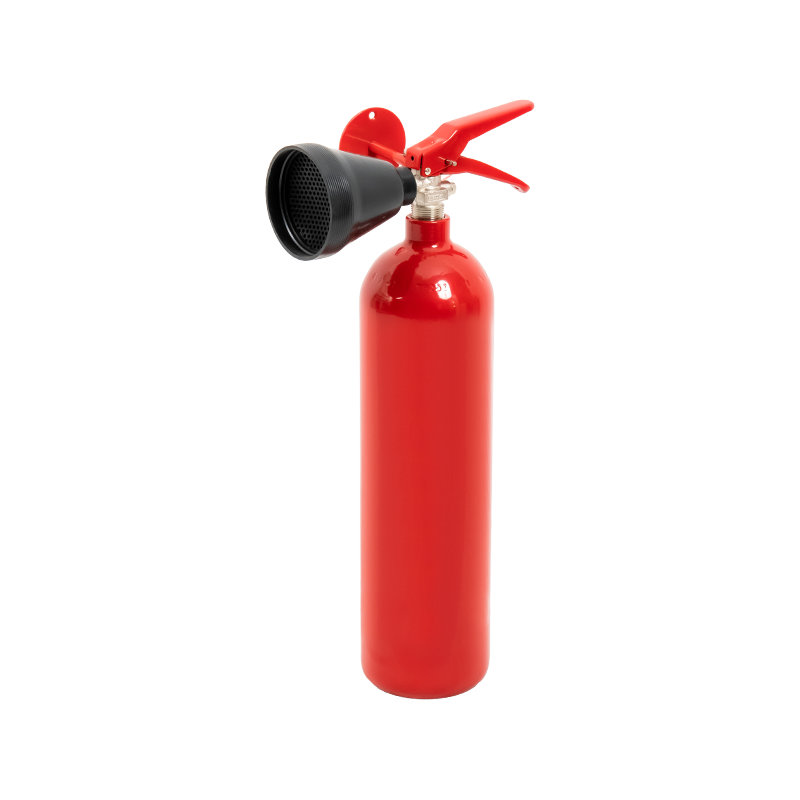
The 2kg portable CE fire extinguisher is a firefighting device designed for quick response and extinguishing of small fires. It is made of high-streng...
See Details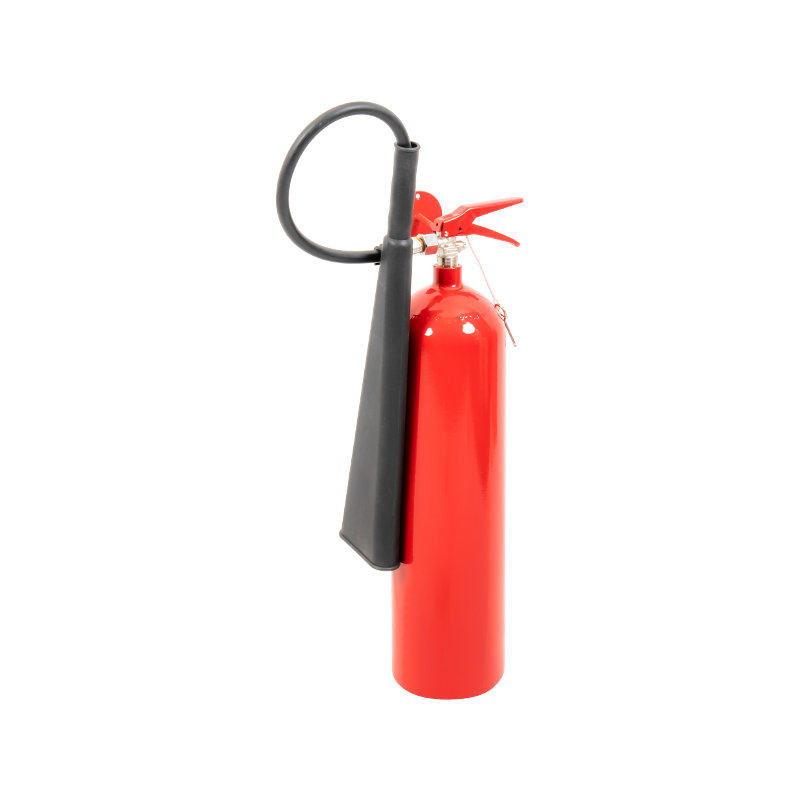
The 5kg CO2 CE extinguisher is suitable for a variety of applications, including in factories, production lines and warehouses. The 5kg CO2 extinguish...
See Details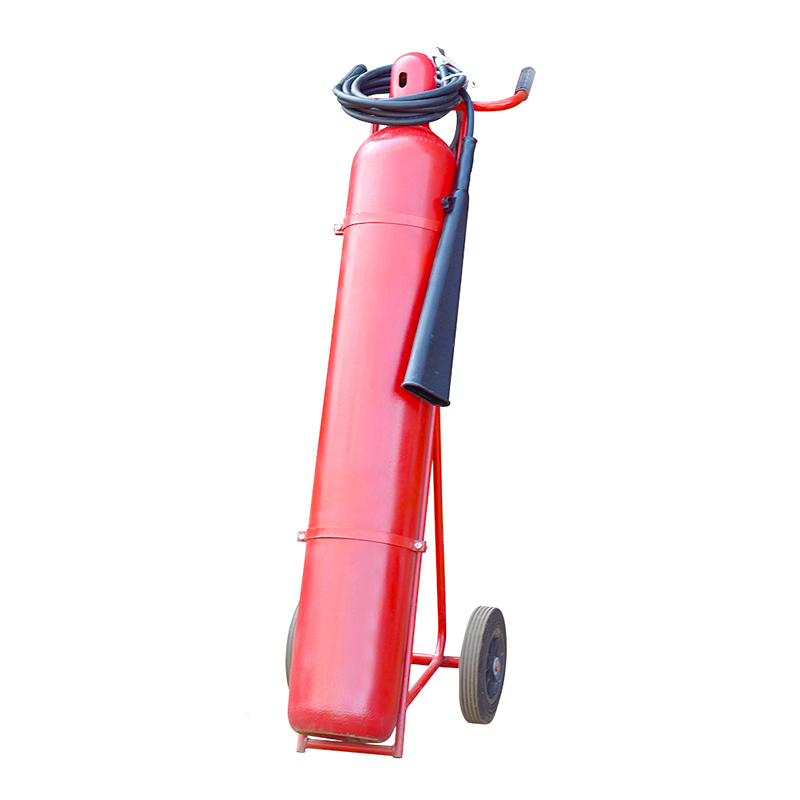
The 25kg trolley mobile fire extinguisher is a high-capacity fire-fighting equipment designed for large-scale fires. It has mechanical strength and co...
See Details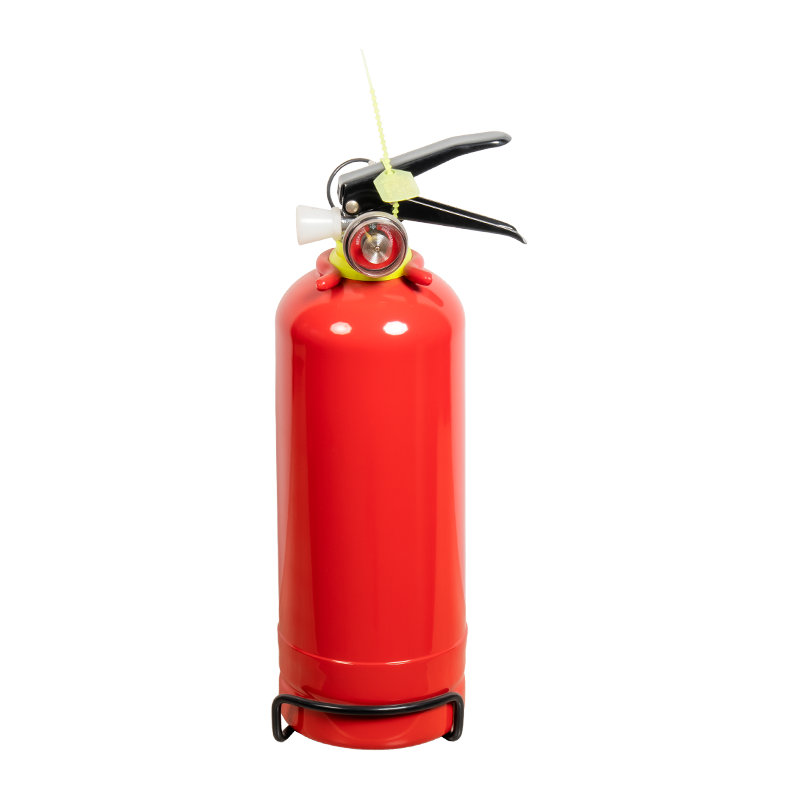
The 1kg portable dry powder fire extinguisher is a safety device used to put out small fires in emergency situations. Its outer shell is made of steel...
See Details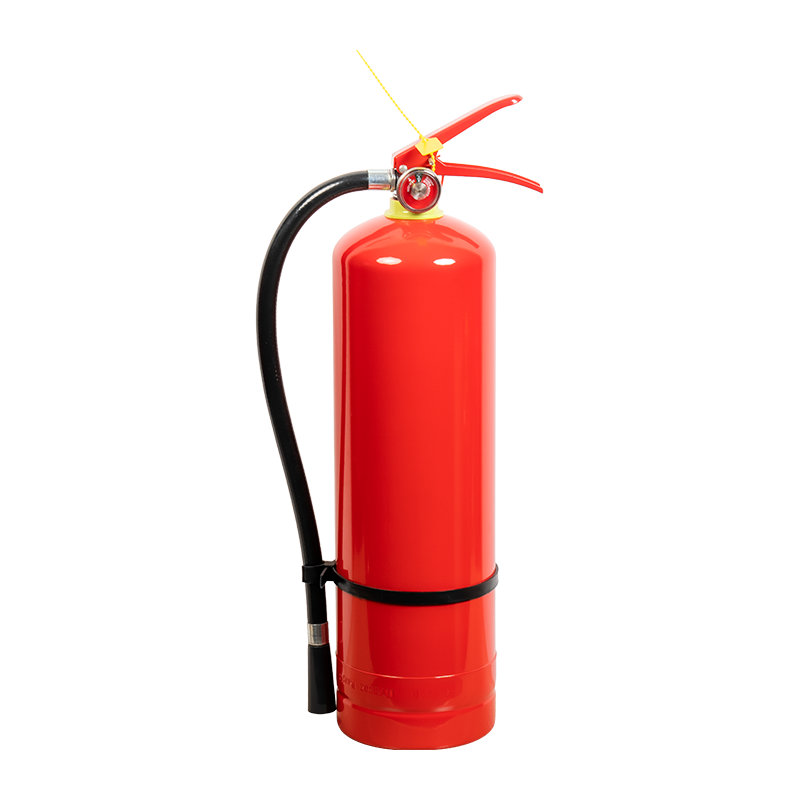
The 6kg stainless steel portable dry powder fire extinguisher is a fire extinguishing device suitable for extinguishing various small fires. Dry powde...
See Details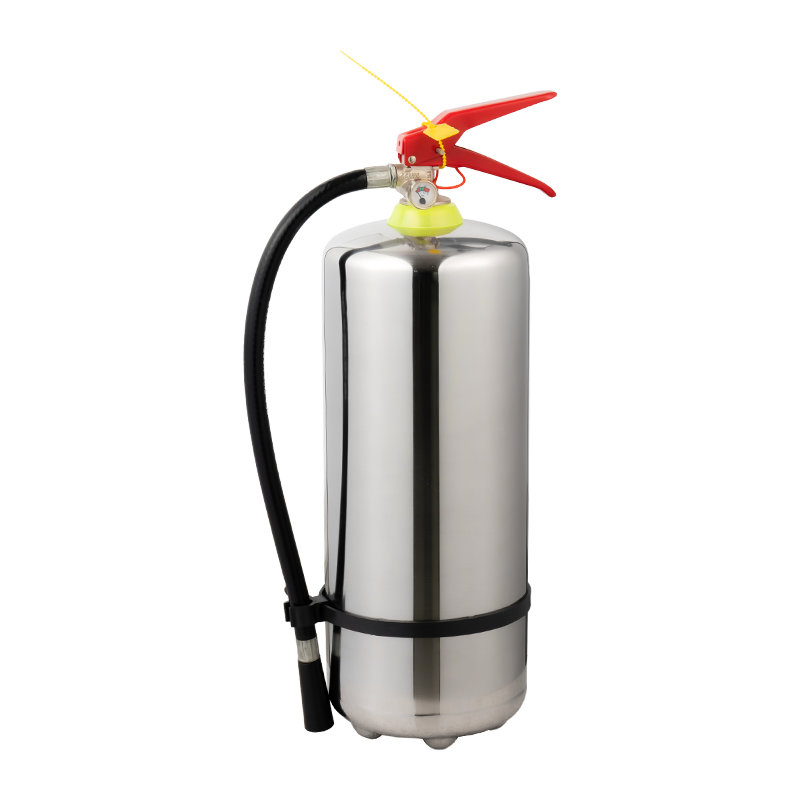
304 stainless steel 6L fire extinguisher is a professionally designed fire extinguishing equipment, made of high-quality SUS304 stainless steel materi...
See Details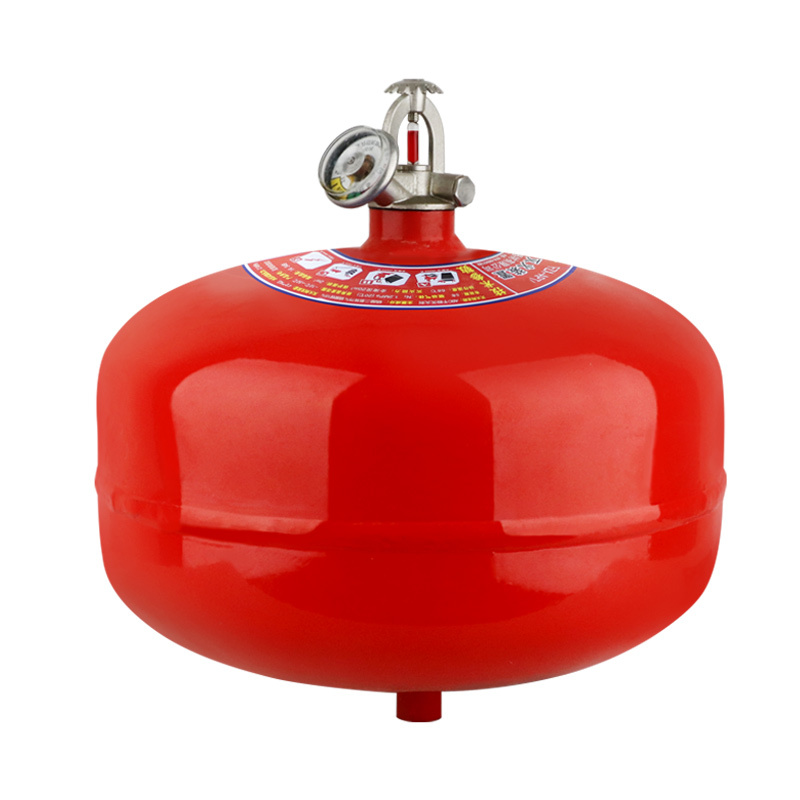
8KG hanging fire extinguisher can be installed on the wall or ceiling, fixed by hook or bracket, making it easy to quickly access and operate when nee...
See Details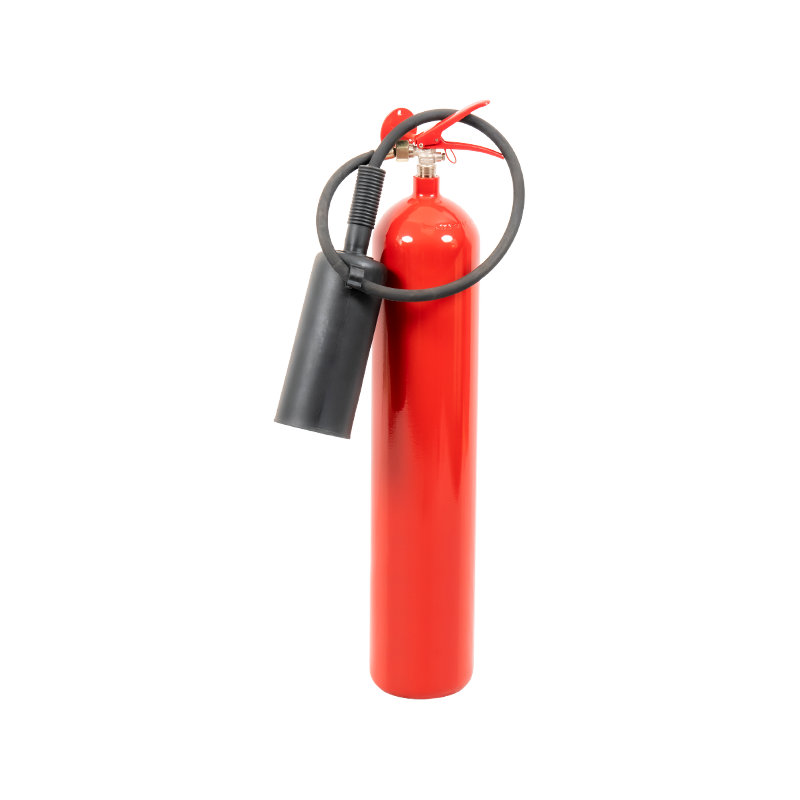
The 5kg fire-fighting carbon dioxide fire extinguisher can work in a wide temperature range, from -30˚C to +60˚C, to meet the firefighting needs in va...
See Details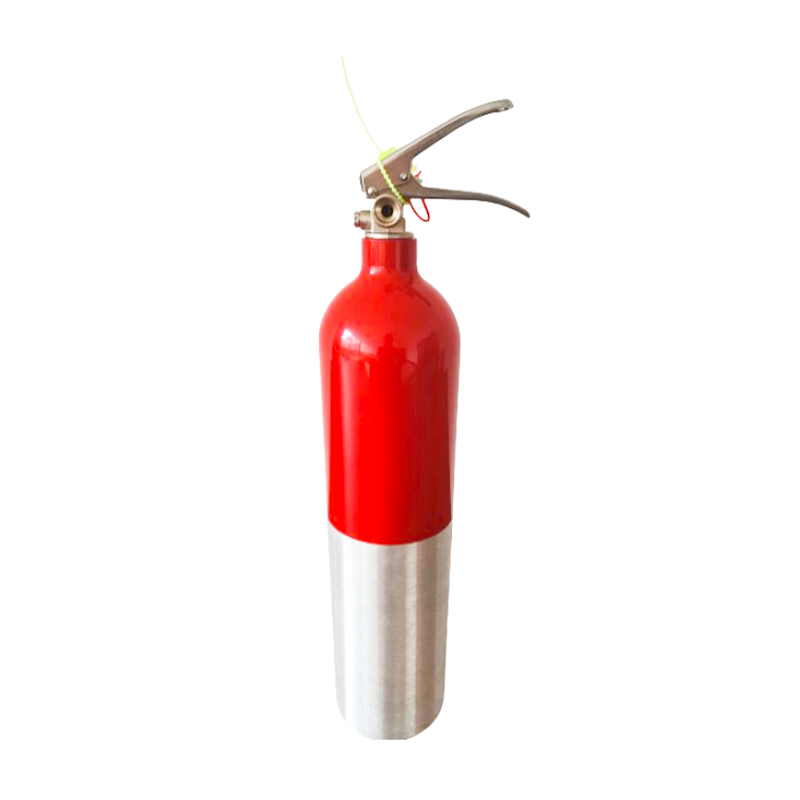
The 5KG portable aluminum fire extinguisher is an efficient and reliable fire extinguishing equipment suitable for fire protection needs in various in...
See Details
Zhejiang Yongshang Pressure Vessel Co., Ltd. was established in 2016. It is a modern enterprise integrating R&D, production and sales, specializing in the production of dry powder, carts, carbon dioxide fire extinguishers, seamless steel cylinders, and aluminum bottles.

+86 13857576559


Zhuhai Village, Gaibei Town, Shangyu District, Shaoxing City, Zhejiang Province, China
