 English
 عربى
عربى 中文简体
中文简体

3KG Portable Steel Fire Extinguisher(CK45/CE)
Cat:CO2 Fire Extinguisher (CK45/CE)
The 3kg portable steel fire extinguisher is a firefighting device designed to deal with all types of fires. Made of CK45 steel, it is sturdy and durab...
See Details
+86 13857576559
When a short circuit in a server rack sets cable insulation on fire, water is the last thing you should reach for. A CO2 fire extinguisher is usually nearby because it is non-conductive, residue-free, and effective against live electrical equipment. The way it works is straightforward: the extinguisher discharges carbon dioxide gas that pushes oxygen away from the fire while cooling the fuel. Understanding the mechanics behind that process helps you choose the right extinguisher and use it at the right moment.
Every fire needs three things: fuel, heat, and oxygen. Remove any one, and the fire stops. A CO2 extinguisher removes oxygen. Inside the cylinder, carbon dioxide is stored under pressure as a liquid-vapour mixture. When you squeeze the handle, CO2 is released through the valve and expands rapidly through the horn. Some of that expansion creates fine dry-ice snow at about -78.5°C. The heavy CO2 gas forms a blanket over the burning surface, displacing air and cutting the oxygen supply. At the same time, the cold dry ice absorbs heat from the hot material and slows re-ignition.
Because CO2 is a clean, non-conductive gas, it leaves no powder or foam behind. That makes it suitable for electronics, laboratory instruments, and machinery. But the cooling effect is relatively short-lived, so the fire needs to be reasonably small and the discharge must be aimed correctly.
A CO2 extinguisher looks simple but has several parts designed for high pressure. The main body is a high-pressure seamless steel cylinder, commonly made from CK45 steel, capable of holding the internal pressure of liquid CO2. At room temperature, that pressure is roughly 55 to 60 bar, so the cylinder and the valve assembly have to be built to demanding standards.
The valve assembly controls the discharge; the safety pin prevents accidental operation; the hose carries the gas to the horn. The hard non-metal horn expands and slows the gas, turning some of it into snow. Most portable CO2 extinguishers have an insulated handle behind the horn so your hand never touches the freezing discharge.
One detail surprises many buyers: CO2 extinguishers do not have a pressure gauge. The pressure inside a CO2 cylinder changes with temperature, not with the amount of extinguishing agent. A gauge would not show whether the unit is full or empty, so the fill level should be checked by weighing the extinguisher against the weight printed on the nameplate.
CO2 extinguishers are primarily intended for Class B fires involving flammable liquids and for fires in live electrical equipment. That makes them common in server rooms, data centres, laboratories, mechanical rooms, kitchens with electrical cooking appliances, and industrial areas where solvents are stored or handled.
| Fire class | Example materials | CO2 suitability | Reason |
|---|---|---|---|
| Class B | Flammable liquids such as petrol, oils, and solvents | Suitable | Blankets the liquid surface and removes oxygen |
| Electrical equipment | Live circuits, electronics, control panels | Suitable | Non-conductive and residue-free |
| Class A | Wood, paper, textiles | Limited | Cannot penetrate deep-seated smouldering material and re-ignition is possible |
| Class D / metal fires | Magnesium, aluminium swarf | Not suitable | Some metals react with CO2 or continue burning on the surface |
Deep-seated Class A materials such as wood and paper can smoulder inside the material where CO2 cannot reach, then re-ignite after the gas disperses. Outdoor use is also a problem because wind blows the gas away before it can form a blanket. In confined spaces, the discharge reduces the oxygen available to anyone inside, so the room should be ventilated before entry. Hot cooking oil is better handled by wet chemical extinguishers, and active metal fires can actually continue burning because some metals react with CO2.
Portable CO2 extinguishers have a short discharge time, usually between 10 and 20 seconds, so the first few seconds matter. The standard memory aid pull, aim, squeeze, sweep applies, but CO2 has an extra requirement: hold the horn correctly.
The proper use of fire equipment starts with reading the instructions on the label and knowing where the extinguisher is mounted. If the fire is too large, smoke is building, or you are not confident, leave the building and call the fire service.
Size selection is about matching capacity to the hazards around you. A compact unit for a small electrical cabinet or vehicle is easier to mount in tight spaces; for example, a 3 kg CO2 fire extinguisher balances portability with enough agent for a small spill or electrical panel fire.
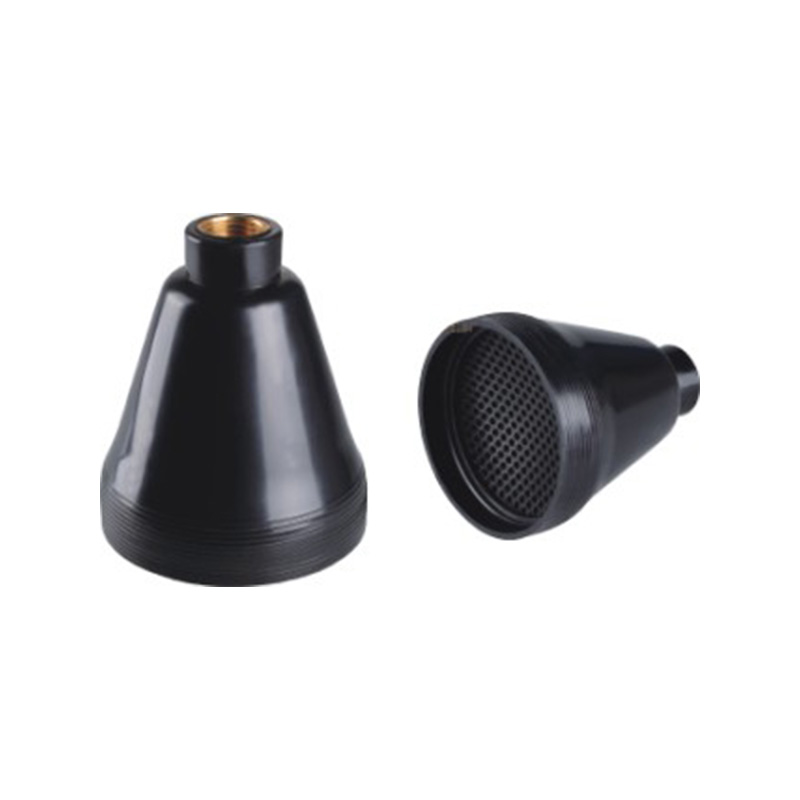 Custom 3KG Portable Steel Fire Extinguisher(CK45/CE) Suppliers, FactoryZhejiang Yongshang Pressure Vessel Co., Ltd. is China custom 3KG Portable Steel Fire Extinguisher(CK45/CE) suppliers and 3KG Portable Ste...View Product →
In offices, labs, and server rooms where a few devices are involved but a person still needs to carry the extinguisher, a 5 kg portable CO2 fire extinguisher is a typical choice. It gives a practical discharge time without becoming too heavy to use effectively.
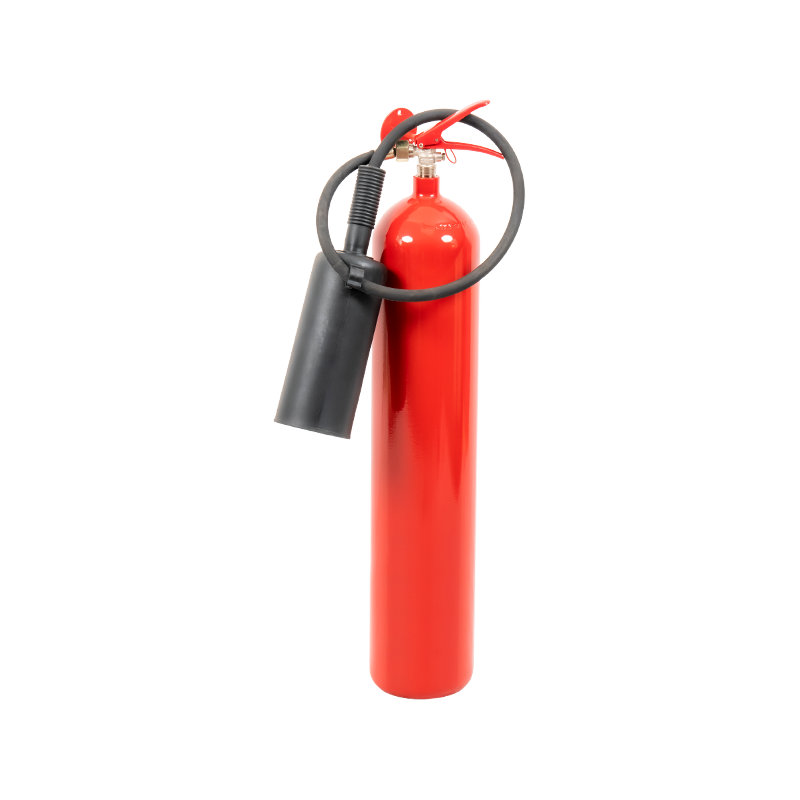 Custom 5KG Steel Portable CO2 Fire Extinguisher Suppliers, FactoryZhejiang Yongshang Pressure Vessel Co., Ltd. is China custom 5KG Steel Portable CO2 Fire Extinguisher suppliers and 5KG Steel Portable CO...View Product →
For industrial plant areas, fuel storage rooms, or workshops with larger quantities of flammable liquids, a 10 kg trolley CO2 fire extinguisher provides greater capacity and is easier to move to a growing fire than carrying a heavy unit.
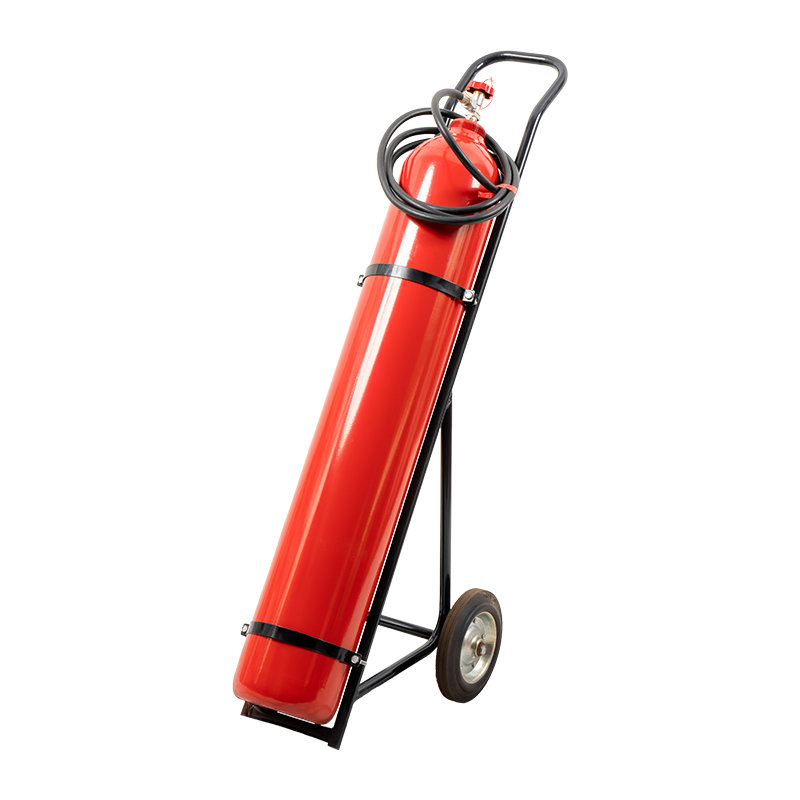 Custom 10KG Steel Trolley CO2 Fire Extinguisher Suppliers, FactoryZhejiang Yongshang Pressure Vessel Co., Ltd. is China custom 10KG Steel Trolley CO2 Fire Extinguisher suppliers and 10KG Steel Trolley CO...View Product →
Whatever size you choose, inspection and maintenance are part of making it work. Check the weight against the nameplate, inspect the hose and horn for cracks, confirm the safety pin is intact, and have the unit serviced after any use. Recharge after any discharge and perform hydrostatic testing according to local regulations, typically every five years. We cover the steps in more detail in our guide to maintaining a CE fire extinguisher.
From a manufacturing standpoint, the quiet risk is hidden in the cylinder and valve. A CO2 extinguisher is a pressure vessel; any weakness in the seamless steel body or the valve seal can appear at the exact moment you need it. That is why the best buying decision is not based only on capacity, but on whether the extinguisher has been built, tested, and maintained to recognised standards.
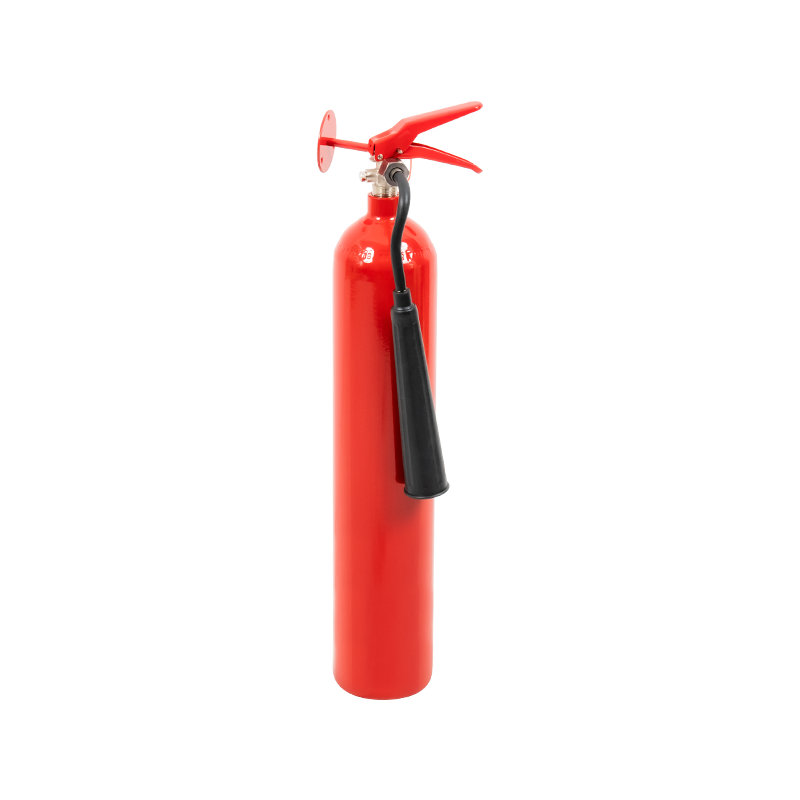
The 3kg portable steel fire extinguisher is a firefighting device designed to deal with all types of fires. Made of CK45 steel, it is sturdy and durab...
See Details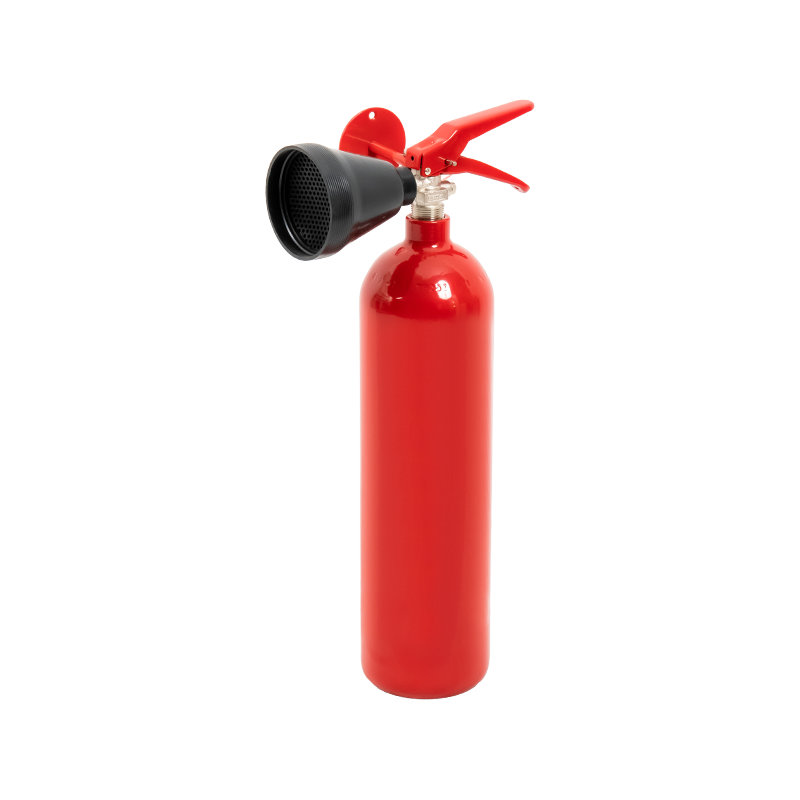
The 2kg portable CE fire extinguisher is a firefighting device designed for quick response and extinguishing of small fires. It is made of high-streng...
See Details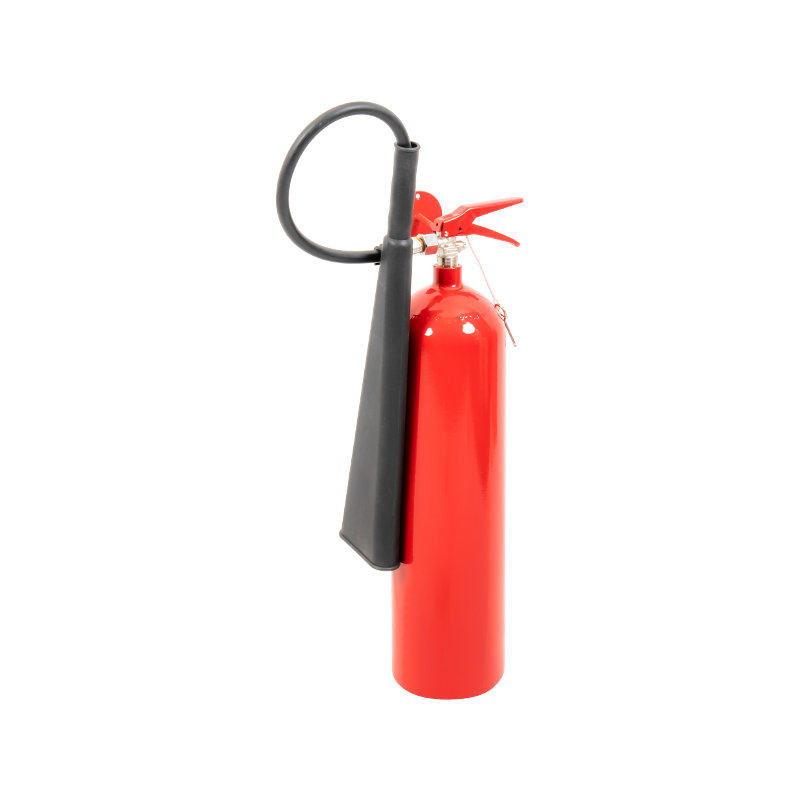
The 5kg CO2 CE extinguisher is suitable for a variety of applications, including in factories, production lines and warehouses. The 5kg CO2 extinguish...
See Details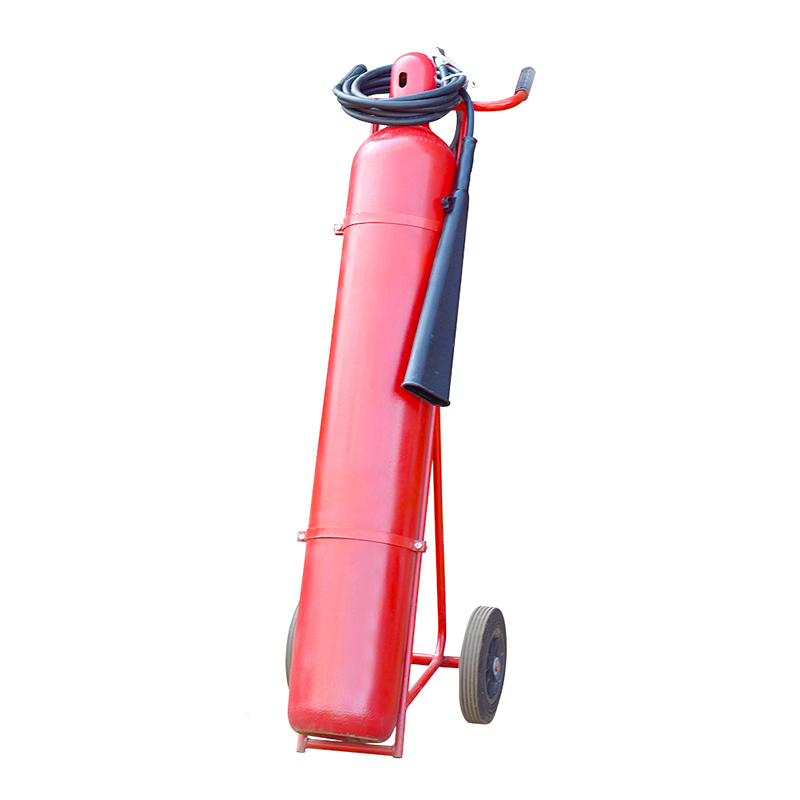
The 25kg trolley mobile fire extinguisher is a high-capacity fire-fighting equipment designed for large-scale fires. It has mechanical strength and co...
See Details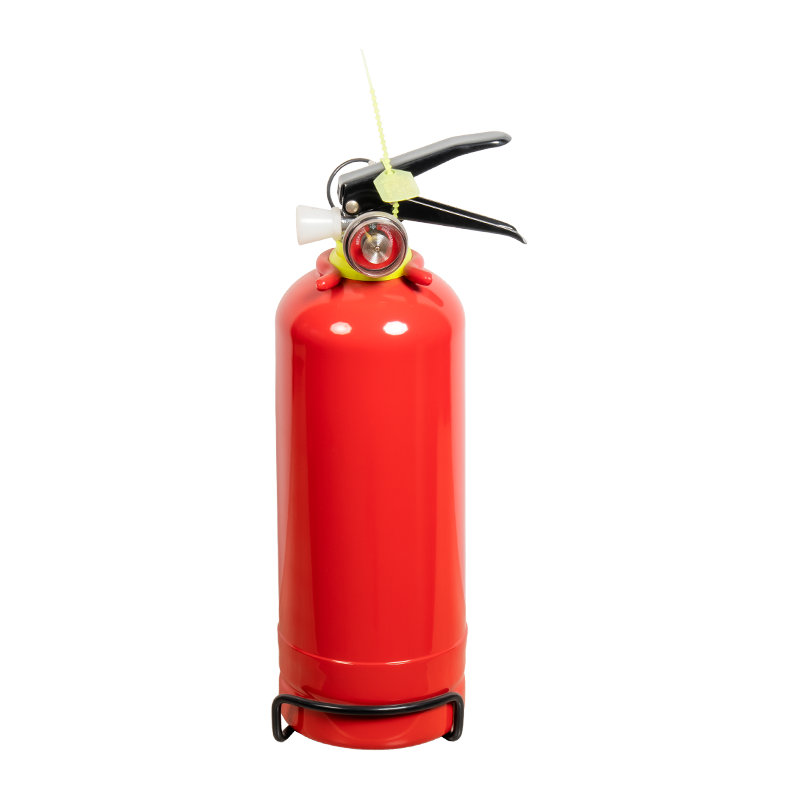
The 1kg portable dry powder fire extinguisher is a safety device used to put out small fires in emergency situations. Its outer shell is made of steel...
See Details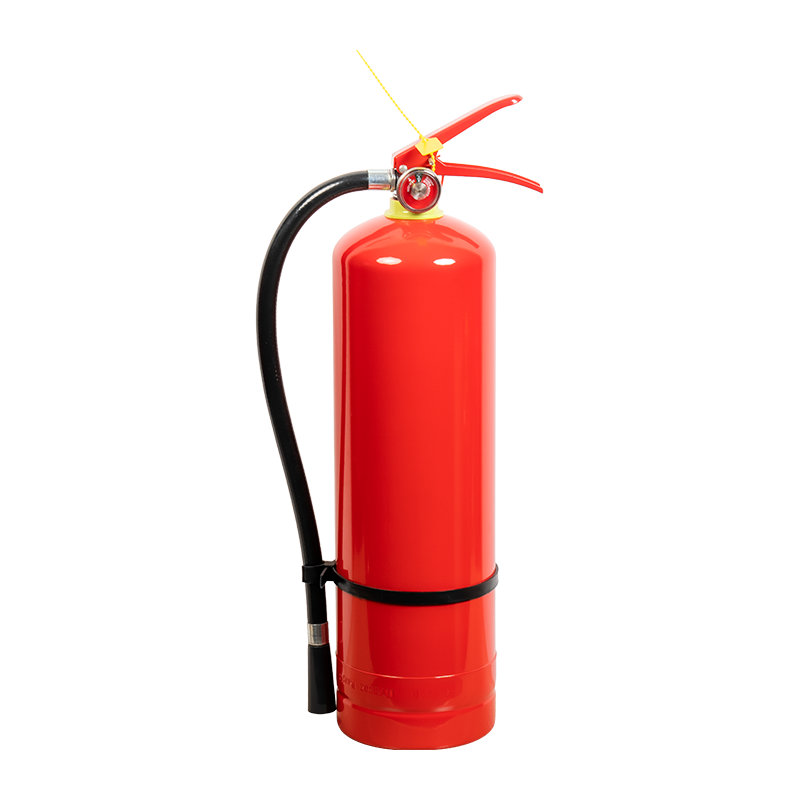
The 6kg stainless steel portable dry powder fire extinguisher is a fire extinguishing device suitable for extinguishing various small fires. Dry powde...
See Details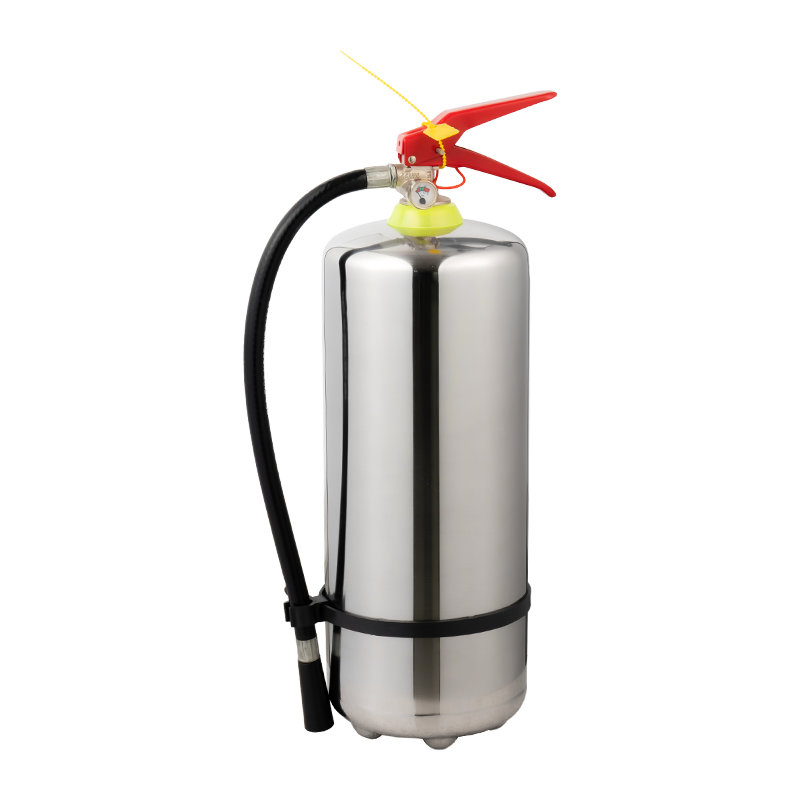
304 stainless steel 6L fire extinguisher is a professionally designed fire extinguishing equipment, made of high-quality SUS304 stainless steel materi...
See Details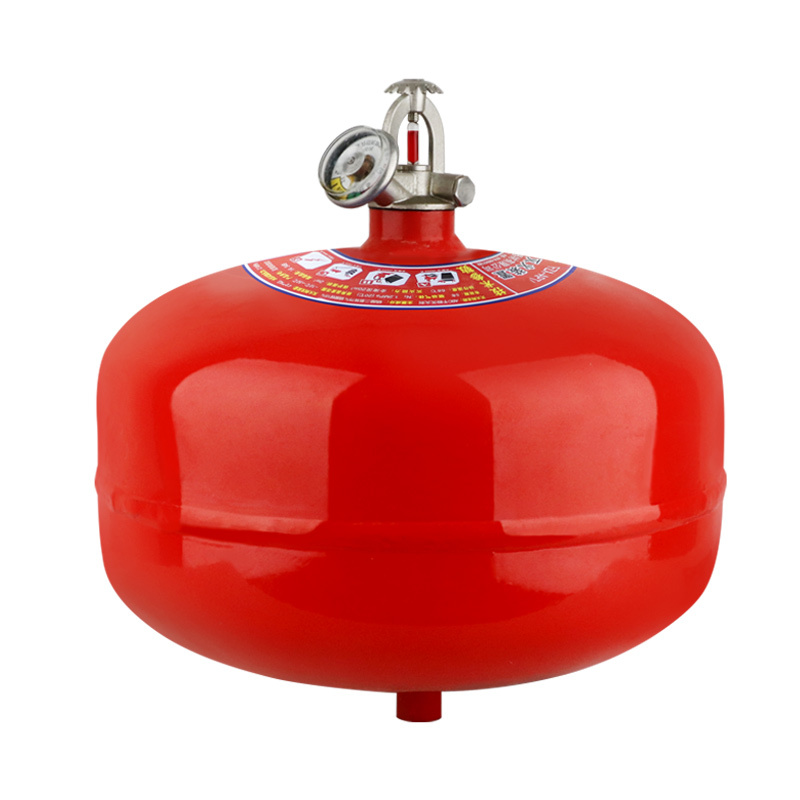
8KG hanging fire extinguisher can be installed on the wall or ceiling, fixed by hook or bracket, making it easy to quickly access and operate when nee...
See Details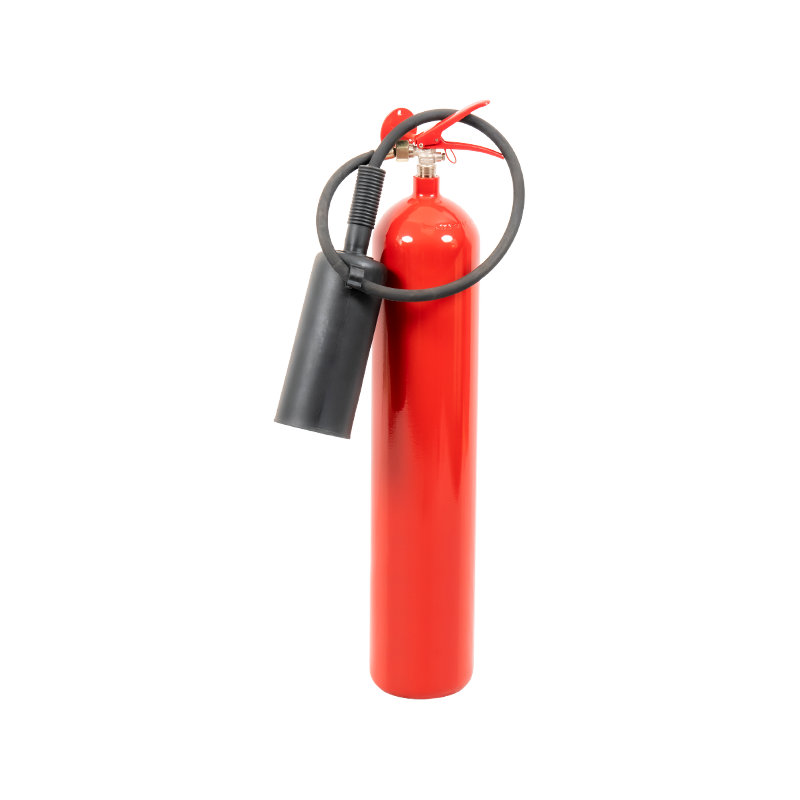
The 5kg fire-fighting carbon dioxide fire extinguisher can work in a wide temperature range, from -30˚C to +60˚C, to meet the firefighting needs in va...
See Details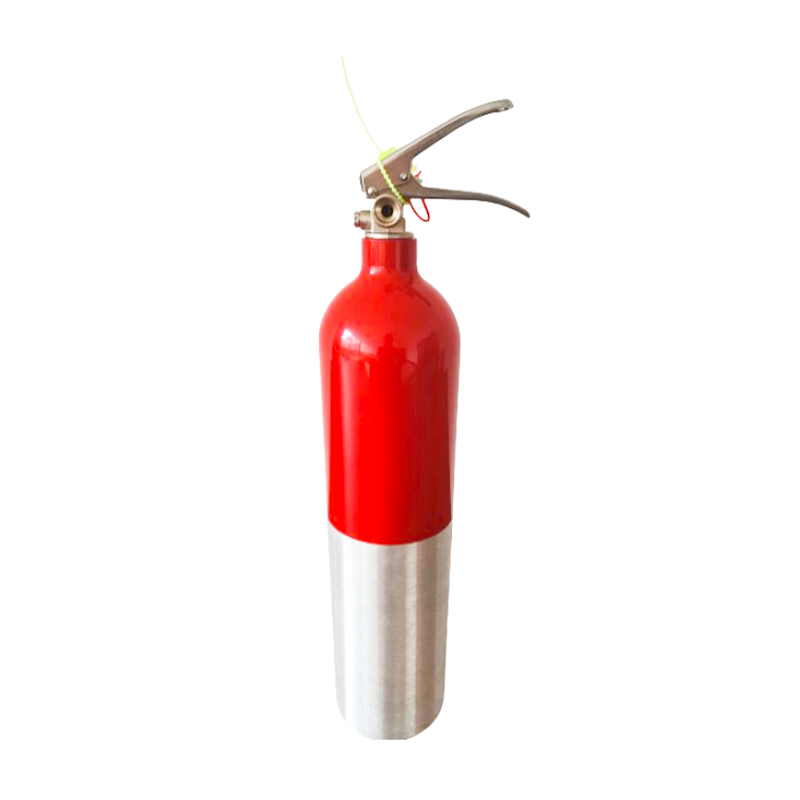
The 5KG portable aluminum fire extinguisher is an efficient and reliable fire extinguishing equipment suitable for fire protection needs in various in...
See Details
Zhejiang Yongshang Pressure Vessel Co., Ltd. was established in 2016. It is a modern enterprise integrating R&D, production and sales, specializing in the production of dry powder, carts, carbon dioxide fire extinguishers, seamless steel cylinders, and aluminum bottles.

+86 13857576559


Zhuhai Village, Gaibei Town, Shangyu District, Shaoxing City, Zhejiang Province, China
