 English
 عربى
عربى 中文简体
中文简体

3KG Portable Steel Fire Extinguisher(CK45/CE)
Cat:CO2 Fire Extinguisher (CK45/CE)
The 3kg portable steel fire extinguisher is a firefighting device designed to deal with all types of fires. Made of CK45 steel, it is sturdy and durab...
See Details
+86 13857576559
The electrical cabinet in a manufacturing plant catches fire. A trained operator grabs a nearby CO2 extinguisher, pulls the safety pin, and directs the discharge through the horn. Within seconds the flame is out, and because carbon dioxide leaves no residue, the equipment can be inspected and returned to service without a lengthy cleanup.
That practical outcome comes down to a simple mechanism: a CO2 extinguisher stops a fire by displacing the oxygen that sustains combustion and by cooling the burning material with an extremely cold discharge. Oxygen displacement does most of the work. That is why CO2 extinguishers are fast and effective in enclosed or semi-enclosed spaces, but considerably less reliable in open areas where moving air keeps supplying fresh oxygen to the fire.
Every fire depends on three elements: heat, fuel, and oxygen. Remove any one element and combustion stops. Water removes heat. Dry chemical powder interrupts the chemical chain reaction in the flame. CO2 removes oxygen and, to a lesser degree, heat.
Carbon dioxide is stored in the cylinder as a liquid under high pressure. When the valve opens, the liquid expands violently as it passes through the discharge horn, emerging as a mixture of gas and fine solid particles. Because carbon dioxide is roughly 1.5 times denser than air, the discharge settles over the fire and forms a gas blanket that physically pushes oxygen away from the flame zone.
Normal air contains about 21 percent oxygen, and most common fires need an oxygen concentration of roughly 15 to 16 percent to sustain combustion. When a CO2 extinguisher is discharged, the gas dilutes the oxygen in the immediate area below that threshold, and the flame is no longer able to continue the combustion reaction. Technical reviews of CO2 fire suppression describe this as dilution of the reacting species in the flame, which reduces the frequency of molecular collisions that keep the fire burning. In practical terms, the fire runs out of breath.
This is why CO2 works so well on fires that are low to the ground, inside equipment enclosures, or within confined volumes. The heavier-than-air gas collects at the base of the fire, which is exactly where Class B flammable liquid fires and Class C electrical fires tend to burn.
The second mechanism is thermal cooling. CO2 exits the horn at a very low temperature, with solid dry ice particles forming at about -78.5 degrees Celsius. This cold stream absorbs heat from the fuel surface and from the gas around the flame. The cooling effect is secondary to oxygen displacement, but it is not negligible: it lowers the fuel temperature below the ignition point and reduces the chance of reignition in the seconds immediately after the discharge stops.
CO2 also has an operational advantage that matters in practice: it is non-conductive and leaves no residue. There is no powder to clean out of sensitive equipment and no water damage to server racks, control panels, or laboratory instruments.
CO2 extinguishers are designed for Class B and Class C fires. Class B fires involve flammable liquids such as gasoline, oil, solvents, and paint. Class C fires involve energized electrical equipment, where a non-conductive agent is essential.
| Fire Class | Fuel / Risk | CO2 Suitability | Reason |
|---|---|---|---|
| Class A | Wood, paper, cloth, plastics | Not recommended | CO2 may not displace enough oxygen in open spaces; materials can smolder and reignite |
| Class B | Flammable liquids | Yes | CO2 blankets the surface and cuts off oxygen |
| Class C | Electrical equipment | Yes | CO2 is non-conductive and leaves no residue |
| Class D | Combustible metals | No | CO2 is ineffective and can react with metal fires |
| Class K | Cooking oils and fats | Not ideal | Wet chemical agents are the standard for kitchen systems |
That is why CO2 extinguishers are found in laboratories, server rooms, electrical rooms, mechanical spaces, kitchens with cooking equipment, and flammable liquid storage areas, rather than in general office spaces where Class A materials such as paper, wood, and fabric dominate the fire load.
CO2 performs at its best when the gas can remain concentrated around the fire long enough to drop the oxygen level. The most suitable locations include:
A 5kg steel portable CO2 fire extinguisher is the most common choice for these environments. It offers enough agent for typical electrical and liquid fires while remaining light enough for one operator to handle and maneuver. Larger hazards, such as transformer rooms, generator enclosures, or fuel handling areas, often require the longer discharge time of a 10kg steel trolley CO2 fire extinguisher, which can be wheeled to the scene and operated with both hands.
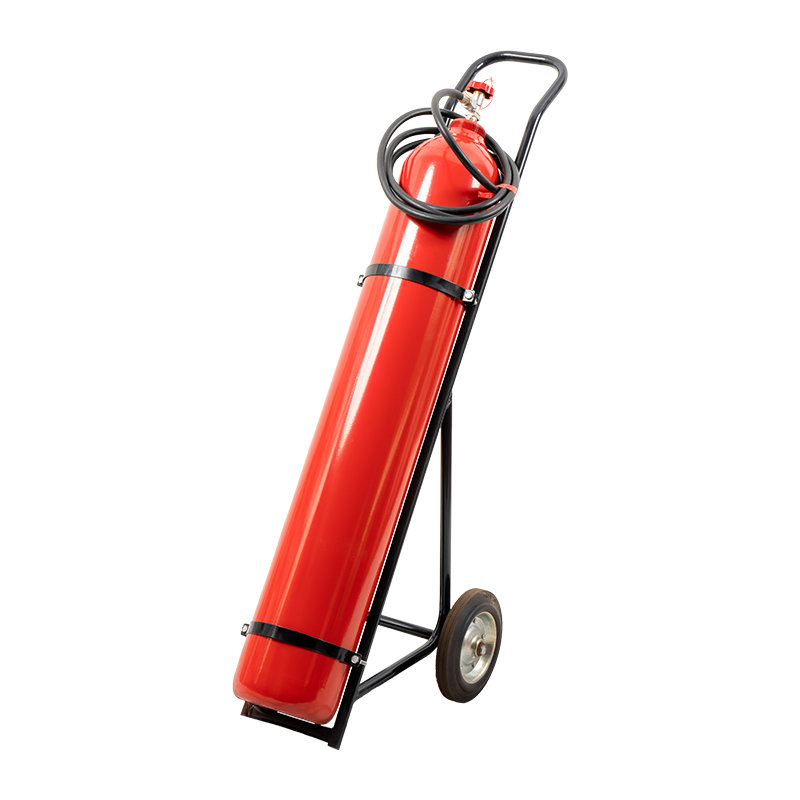 Custom 10KG Steel Trolley CO2 Fire Extinguisher Suppliers, FactoryZhejiang Yongshang Pressure Vessel Co., Ltd. is China custom 10KG Steel Trolley CO2 Fire Extinguisher suppliers and 10KG Steel Trolley CO...View Product →
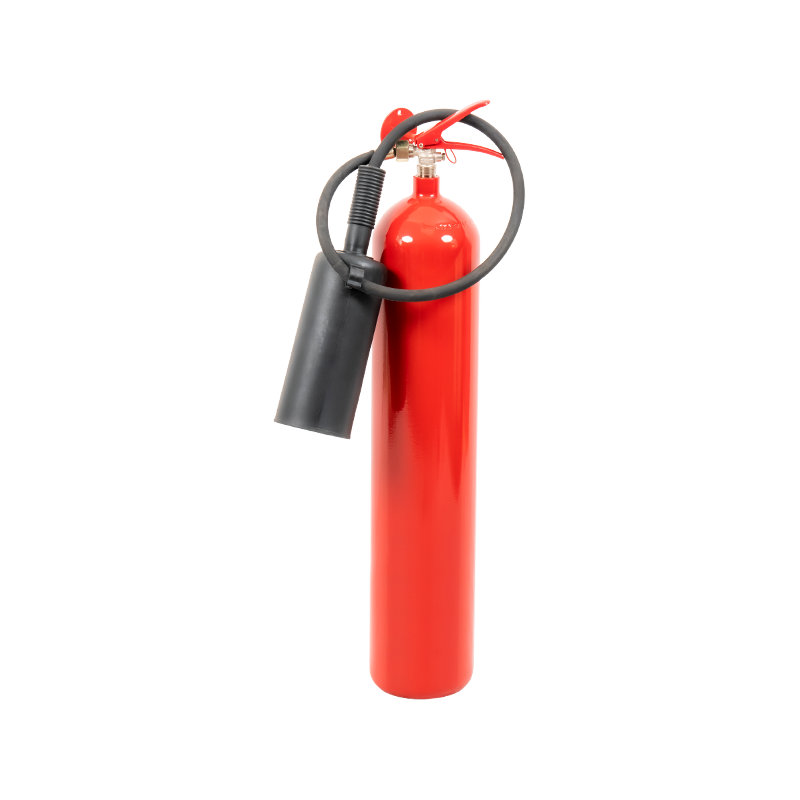 Custom 5KG Steel Portable CO2 Fire Extinguisher Suppliers, FactoryZhejiang Yongshang Pressure Vessel Co., Ltd. is China custom 5KG Steel Portable CO2 Fire Extinguisher suppliers and 5KG Steel Portable CO...View Product →
CO2 is safe for equipment and leaves no mess, but it introduces two hazards that every operator must understand before using one.
The first is asphyxiation in confined spaces. CO2 displaces oxygen in the room, not just in the fire. In a small or poorly ventilated area, the operator can experience dizziness, shortness of breath, or loss of consciousness while the fire is still being fought. The space should be ventilated immediately after discharge, and nobody should re-enter a room where a CO2 extinguisher has been discharged without confirming that the oxygen level is safe.
The second risk is cold injury. The discharge horn and the emerging gas stream reach extremely low temperatures, and touching the horn with bare skin can cause frostbite. Operators should hold the horn by its insulated handle or use the flexible hose on larger units for safer reach.
There is also the practical issue of reignition. CO2 does not cling to surfaces or form a lasting barrier against re-flash. If the ignition source is still energized, a flammable liquid fire can reignite once the CO2 cloud dissipates. Extinguisher placement, operator training, and immediate follow-up inspection are therefore just as important as the agent itself.
CO2 extinguishers do not have a pressure gauge on most portable models, so they cannot be checked with a simple glance. Instead, routine maintenance relies on weight checks, visual inspection, and hydrostatic testing on a scheduled interval.
A typical inspection program includes:
Hydrostatic testing confirms that the cylinder can still contain the high pressure of liquid CO2 without structural weakening. This matters because a CO2 extinguisher is fundamentally a pressure vessel. The cylinder walls, the valve, and the sealing components must all meet the same rigorous standards applied to any high-pressure gas container. Our article on how high-pressure CO2 keeps every second counting explains why discharge speed and cylinder integrity directly affect fire suppression performance.
The first decision is capacity. A 2kg unit suits small electrical cabinets, lab benches, and office equipment areas. A 3kg unit is a versatile choice for workshops, kitchens, and light industrial spaces. A 5kg unit provides a longer discharge time and is the most common specification for industrial electrical rooms and server facilities. For large hazards, a trolley-mounted unit is the practical answer, because the cylinder and horn assembly become too heavy to carry comfortably.
The second consideration is certification. Buyers in export markets increasingly require documented proof that the cylinder and the complete extinguisher meet recognized standards. A 3kg portable steel CO2 fire extinguisher with CK45/CE certification gives procurement teams the compliance paperwork they need while maintaining full discharge performance.
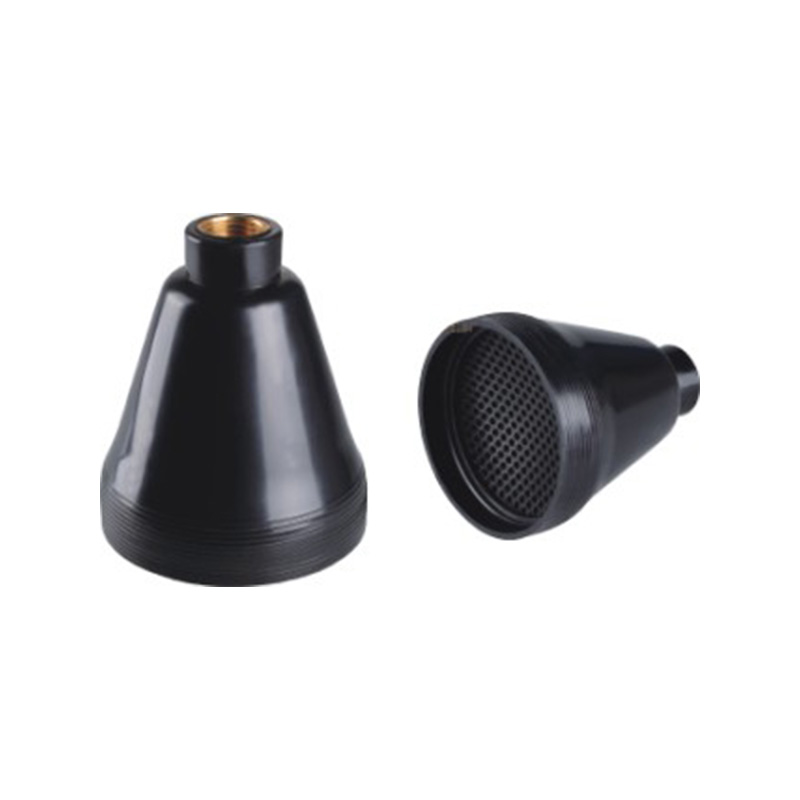 Custom 3KG Portable Steel Fire Extinguisher(CK45/CE) Suppliers, FactoryZhejiang Yongshang Pressure Vessel Co., Ltd. is China custom 3KG Portable Steel Fire Extinguisher(CK45/CE) suppliers and 3KG Portable Ste...View Product →
Finally, review the CO2 fire extinguisher range to match the agent capacity and mounting style to the actual hazard. CO2 extinguishers stop fires by removing oxygen and cooling the fuel, and they remain the most reliable portable option for electrical and flammable liquid risks. The mechanism is simple, but the correct application, placement, and maintenance are what separate a fire extinguisher that works from one that merely sits on the wall.
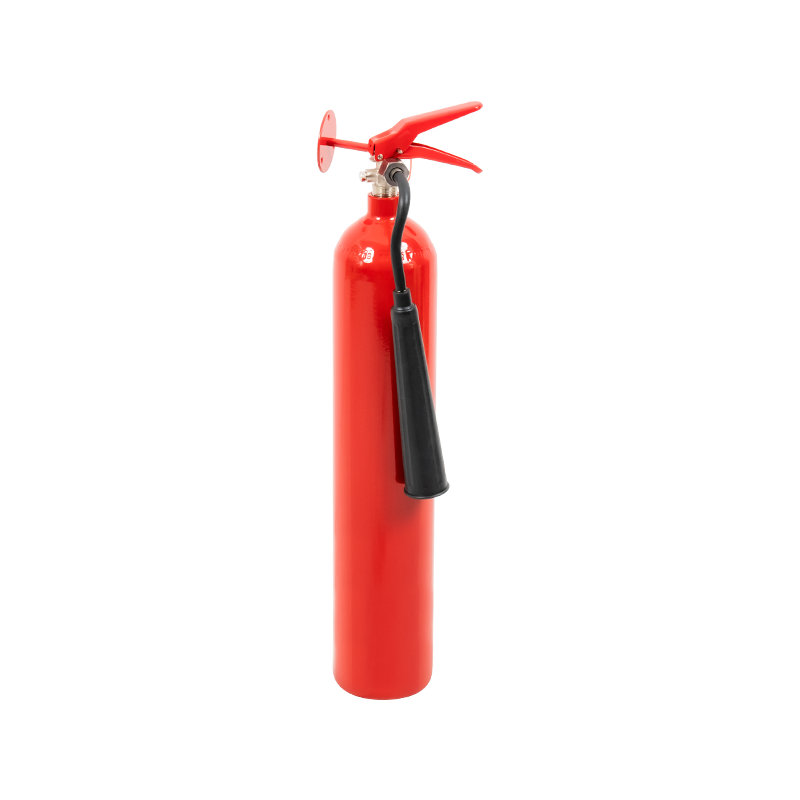
The 3kg portable steel fire extinguisher is a firefighting device designed to deal with all types of fires. Made of CK45 steel, it is sturdy and durab...
See Details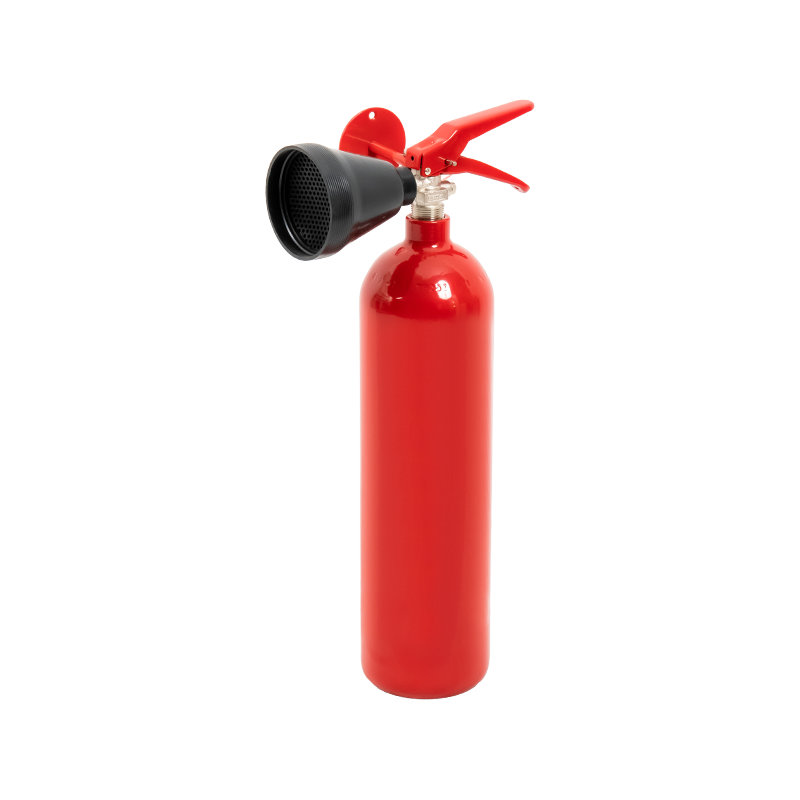
The 2kg portable CE fire extinguisher is a firefighting device designed for quick response and extinguishing of small fires. It is made of high-streng...
See Details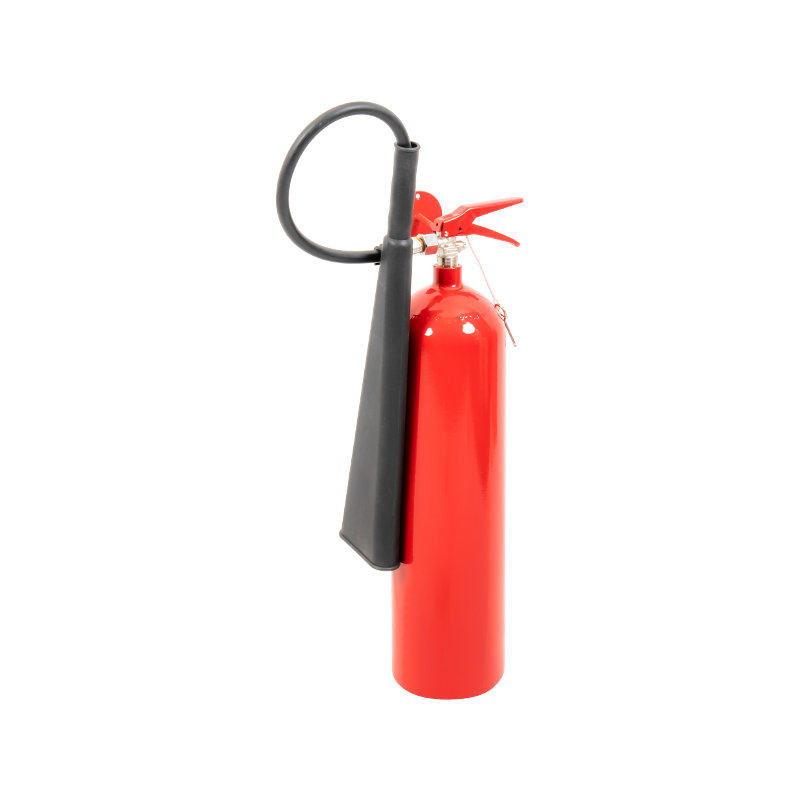
The 5kg CO2 CE extinguisher is suitable for a variety of applications, including in factories, production lines and warehouses. The 5kg CO2 extinguish...
See Details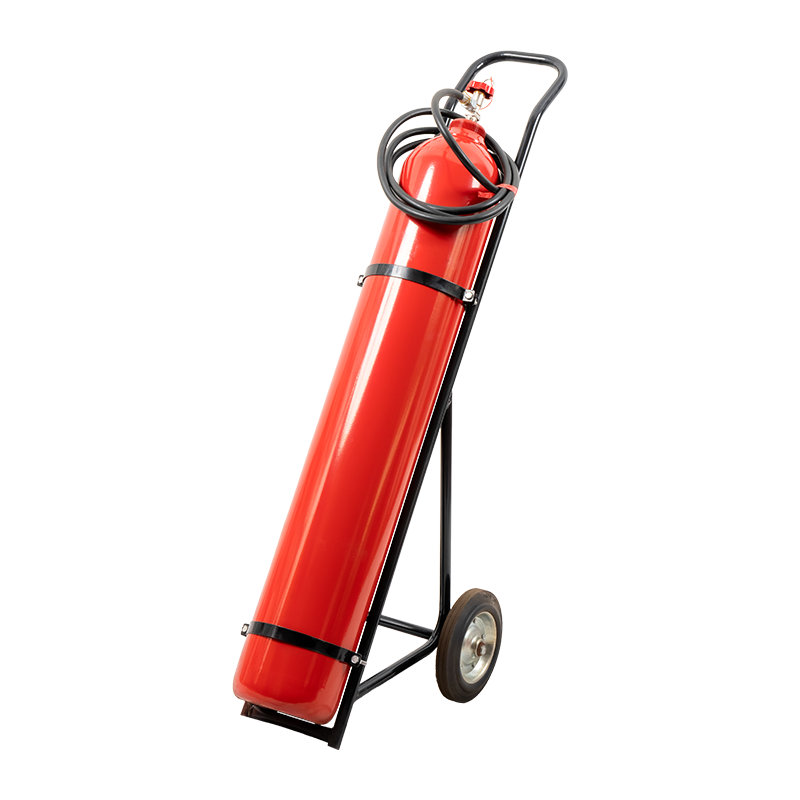
The 10KG Steel Cart-Mounted CO2 Fire Extinguisher is a portable firefighting tool consisting of a large steel cylinder with a capacity of 10kg CO2, mo...
See Details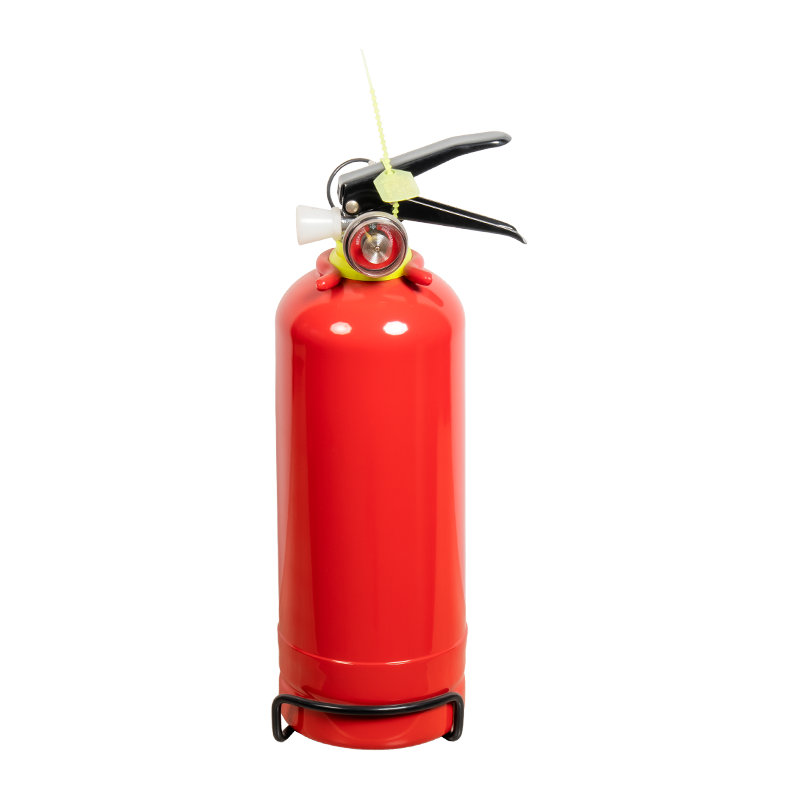
The 1kg portable dry powder fire extinguisher is a safety device used to put out small fires in emergency situations. Its outer shell is made of steel...
See Details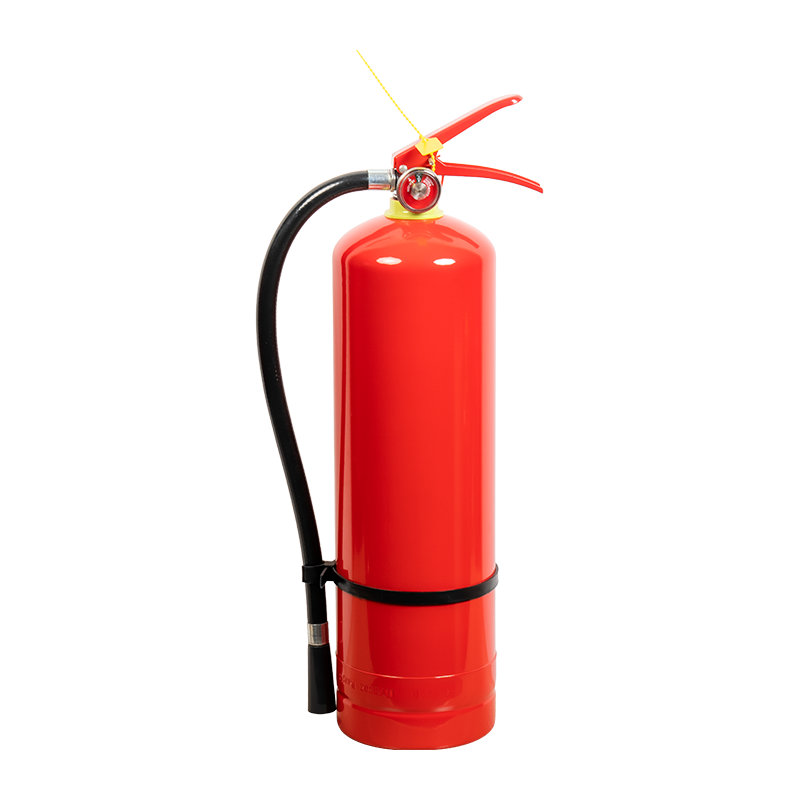
The 6kg stainless steel portable dry powder fire extinguisher is a fire extinguishing device suitable for extinguishing various small fires. Dry powde...
See Details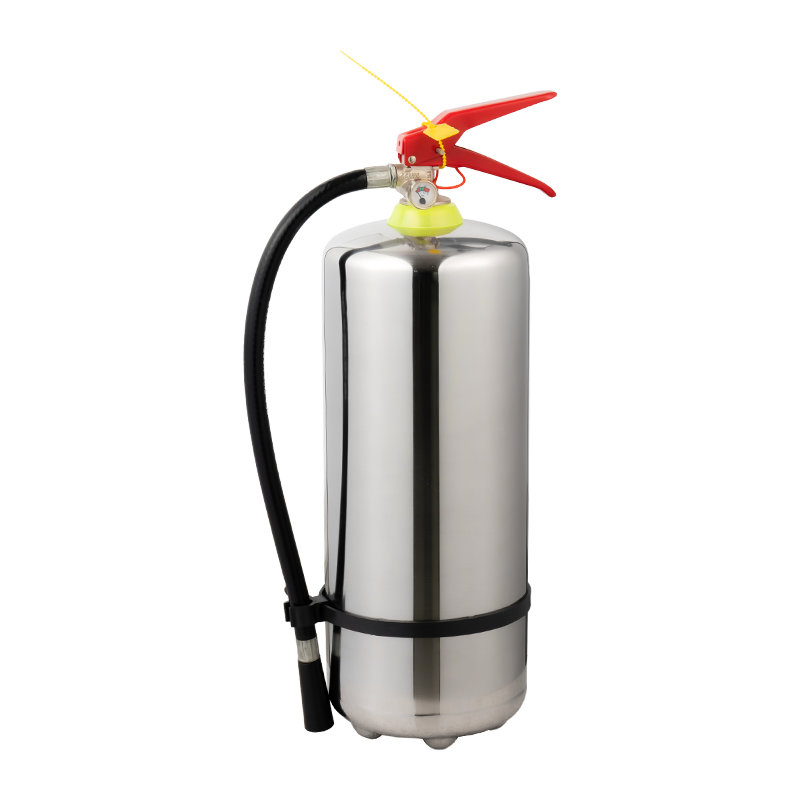
304 stainless steel 6L fire extinguisher is a professionally designed fire extinguishing equipment, made of high-quality SUS304 stainless steel materi...
See Details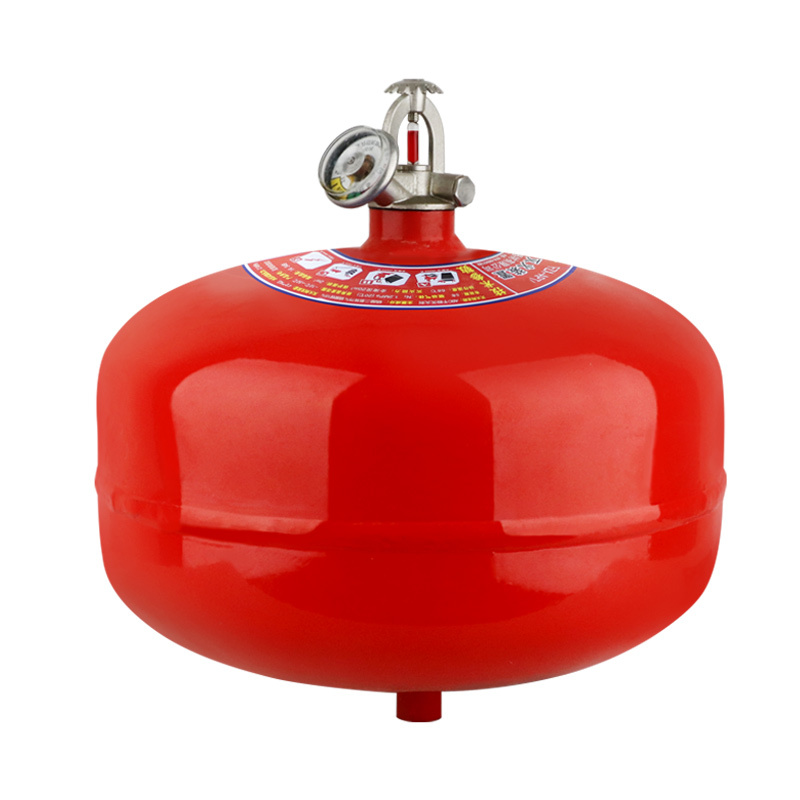
8KG hanging fire extinguisher can be installed on the wall or ceiling, fixed by hook or bracket, making it easy to quickly access and operate when nee...
See Details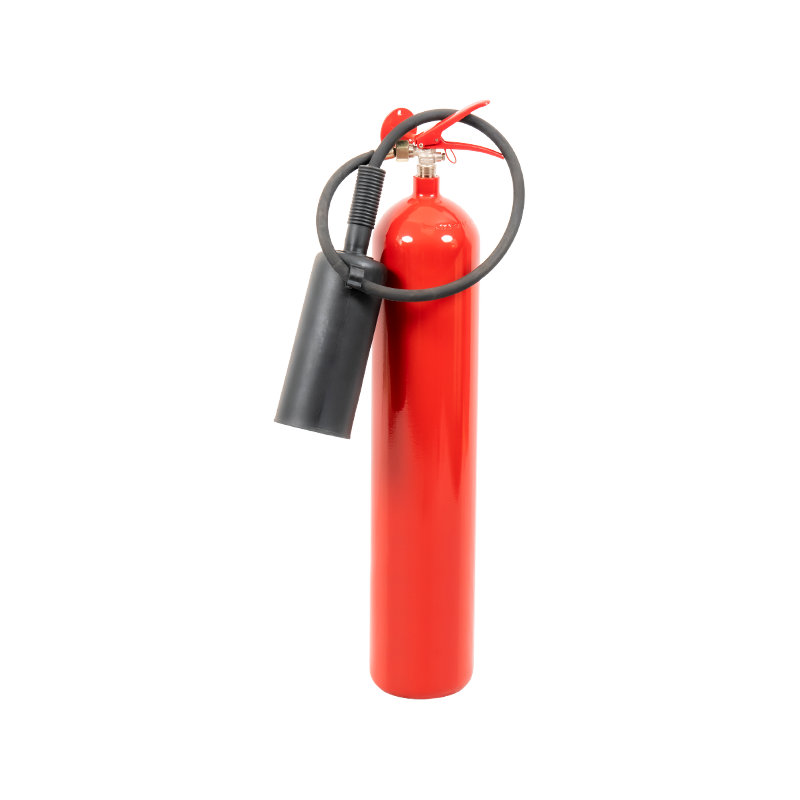
The 5kg fire-fighting carbon dioxide fire extinguisher can work in a wide temperature range, from -30˚C to +60˚C, to meet the firefighting needs in va...
See Details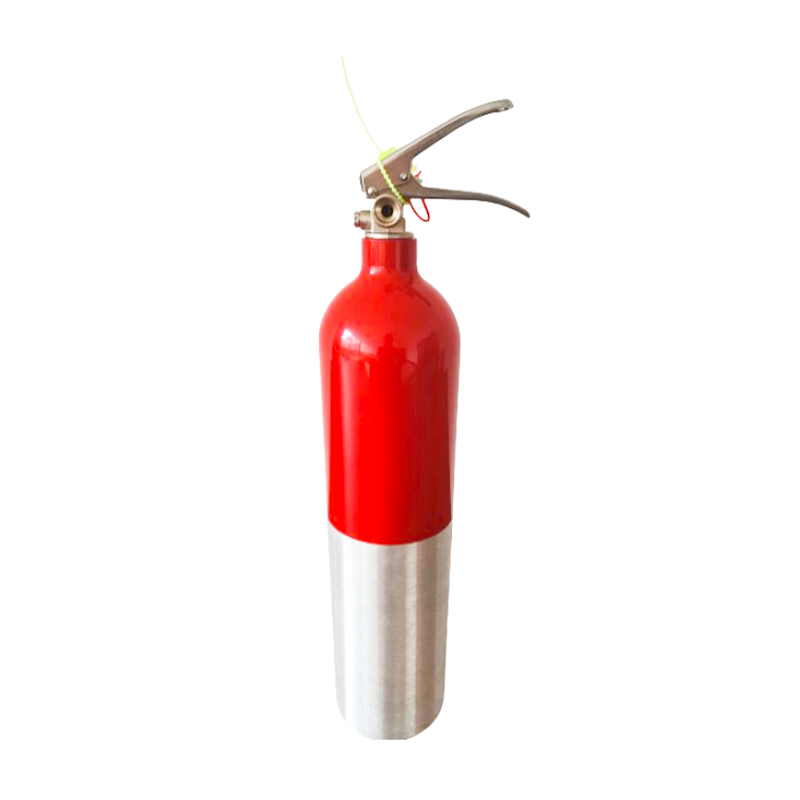
The 5KG portable aluminum fire extinguisher is an efficient and reliable fire extinguishing equipment suitable for fire protection needs in various in...
See Details
Zhejiang Yongshang Pressure Vessel Co., Ltd. was established in 2016. It is a modern enterprise integrating R&D, production and sales, specializing in the production of dry powder, carts, carbon dioxide fire extinguishers, seamless steel cylinders, and aluminum bottles.

+86 13857576559


Zhuhai Village, Gaibei Town, Shangyu District, Shaoxing City, Zhejiang Province, China
