 English
 عربى
عربى 中文简体
中文简体

3KG Portable Steel Fire Extinguisher(CK45/CE)
Cat:CO2 Fire Extinguisher (CK45/CE)
The 3kg portable steel fire extinguisher is a firefighting device designed to deal with all types of fires. Made of CK45 steel, it is sturdy and durab...
See Details
+86 13857576559
One of the most notable advantages of an Aluminum Fire Extinguisher is its significantly lighter weight compared to traditional steel models. Aluminum, being a less dense material than steel, results in a reduction in the overall weight of the fire extinguisher. This weight reduction is crucial during emergency situations where speed and efficiency are essential. A lighter extinguisher allows users to maneuver it with ease, even under stressful conditions, enabling quicker deployment. Additionally, the reduced weight makes it more accessible for individuals with limited physical strength or for situations where multiple extinguishers might need to be transported or mounted. This attribute is especially beneficial for applications in vehicles, industrial environments, or areas where rapid intervention is necessary.
Aluminum is naturally resistant to corrosion, a significant advantage when compared to steel, which is highly susceptible to rusting when exposed to moisture or corrosive chemicals. This inherent resistance makes Aluminum Fire Extinguishers ideal for environments subject to humidity, coastal air, or corrosive industrial chemicals. Steel fire extinguishers, over time, may begin to corrode and weaken, reducing their effectiveness or even causing failure in an emergency. Aluminum, on the other hand, maintains its structural integrity longer, reducing the risk of damage from rust or environmental factors. As a result, the aluminum model offers superior long-term reliability, especially in outdoor, maritime, or high-moisture applications, ensuring that the extinguisher is always in optimal working condition when needed.
Although aluminum is lighter than steel, it does not sacrifice durability. Aluminum fire extinguishers are designed to withstand significant wear and tear from impacts, vibrations, or rough handling. The material’s inherent strength makes it resistant to dents, cracks, or deformation, ensuring that the extinguisher remains intact and functional even when exposed to minor physical stress. This durability is crucial in environments such as construction sites, factories, or vehicles, where fire extinguishers might be jostled or exposed to accidental impacts. Moreover, aluminum does not easily succumb to external damage, ensuring the fire extinguisher continues to perform well under various conditions, thereby enhancing its longevity and reducing the frequency of replacements or repairs.
Beyond functionality, Aluminum Fire Extinguishers are often chosen for their modern, sleek, and professional appearance. The smooth, polished finish of aluminum creates a more aesthetically appealing product compared to the typical matte finish of steel models. This visual appeal makes aluminum extinguishers an attractive choice for businesses or environments that place a high emphasis on presentation, such as upscale hotels, commercial offices, or modern industrial settings. Additionally, their polished, clean appearance can be an important factor in facilities that require equipment to match the interior design, enhancing the overall brand image and professionalism of the space.
Aluminum’s superior heat conductivity allows it to dissipate heat more efficiently than steel. In situations where a fire extinguisher is exposed to high temperatures, such as in industrial kitchens, manufacturing plants, or areas with elevated fire risks, aluminum can better withstand the heat without warping, weakening, or losing integrity. Steel models, while generally heat-resistant, can still be susceptible to distortion or structural damage when exposed to extreme temperatures over time. The heat resistance of aluminum ensures that the fire extinguisher remains operational and structurally sound, even in high-heat environments, providing peace of mind that it will perform effectively when needed.
Due to its corrosion resistance and inherent durability, Aluminum Fire Extinguishers generally have a longer service life compared to their steel counterparts. Steel extinguishers require more frequent maintenance, particularly if they are exposed to moist or corrosive environments, as rust can cause degradation of the extinguisher's structural integrity. In contrast, aluminum extinguishers tend to require less upkeep because they are resistant to rust and corrosion. This longevity not only reduces the need for replacements but also decreases maintenance costs, making aluminum extinguishers a more cost-effective solution over time. Regular inspection and servicing will still be necessary, but the overall lifespan of an aluminum fire extinguisher can far exceed that of a comparable steel model.
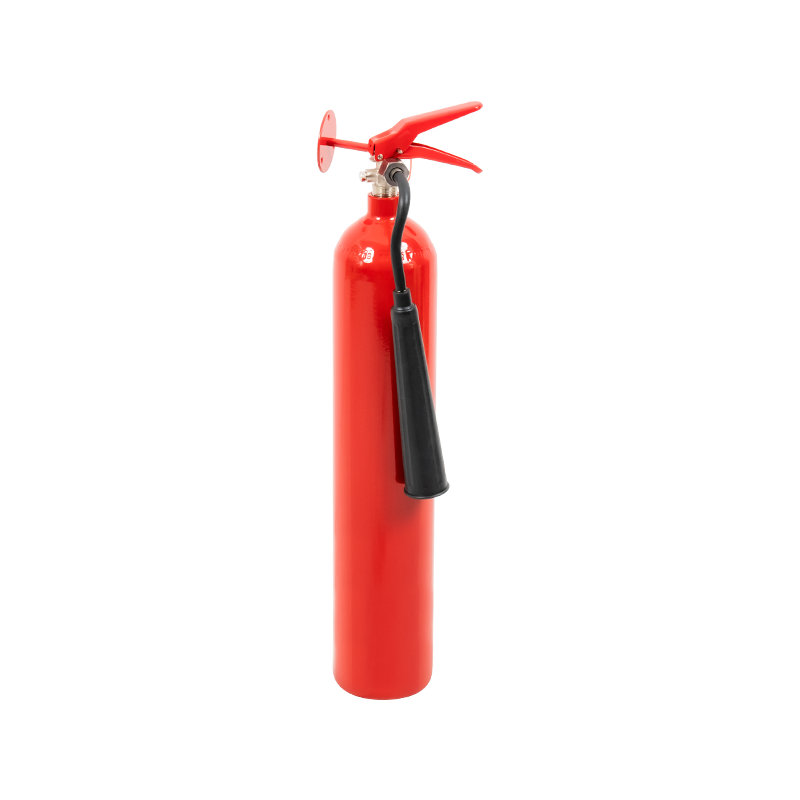
The 3kg portable steel fire extinguisher is a firefighting device designed to deal with all types of fires. Made of CK45 steel, it is sturdy and durab...
See Details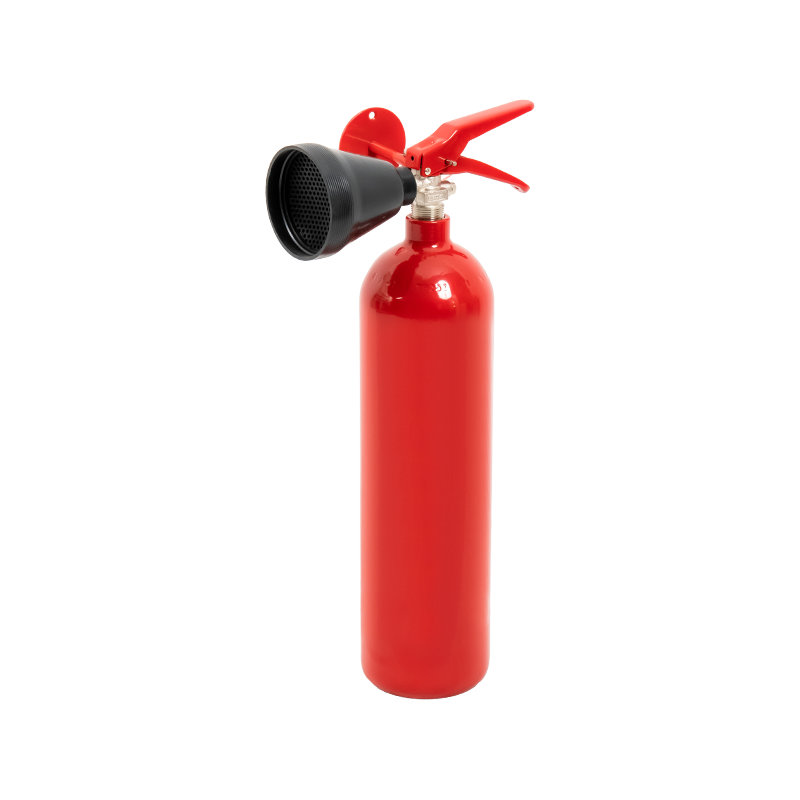
The 2kg portable CE fire extinguisher is a firefighting device designed for quick response and extinguishing of small fires. It is made of high-streng...
See Details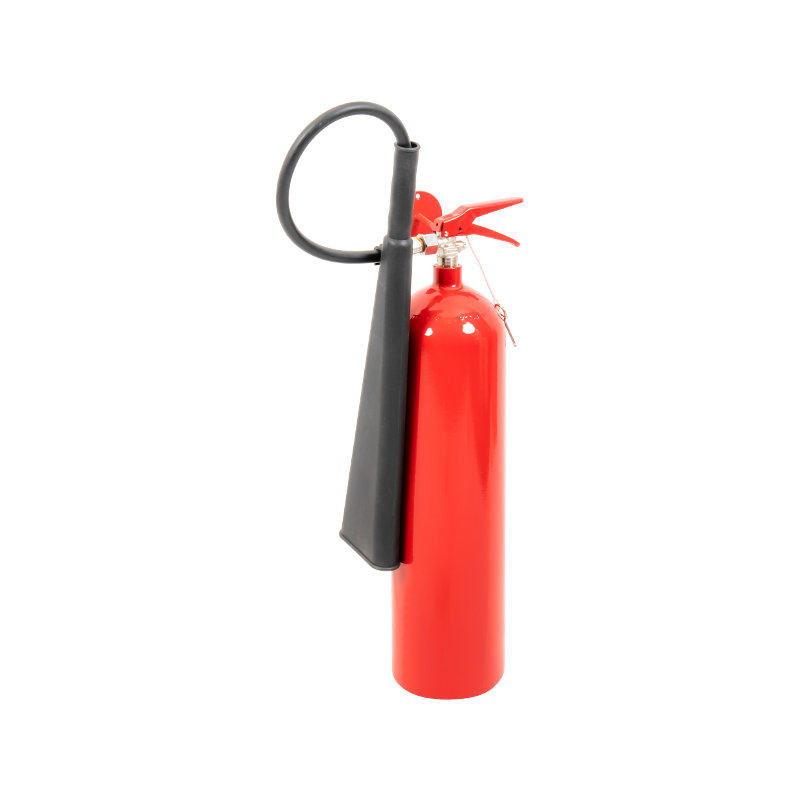
The 5kg CO2 CE extinguisher is suitable for a variety of applications, including in factories, production lines and warehouses. The 5kg CO2 extinguish...
See Details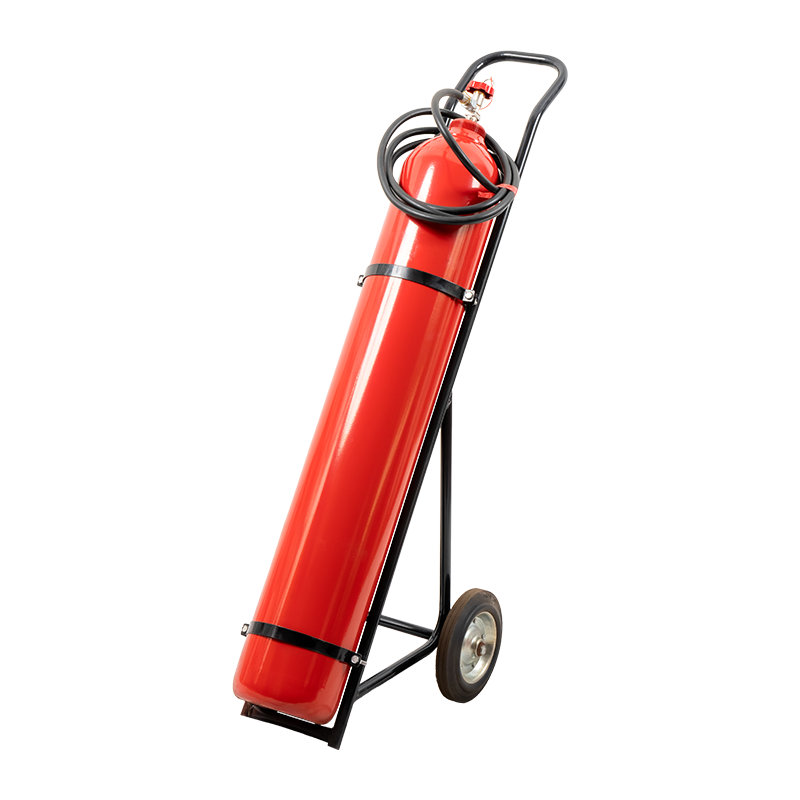
The 10KG Steel Cart-Mounted CO2 Fire Extinguisher is a portable firefighting tool consisting of a large steel cylinder with a capacity of 10kg CO2, mo...
See Details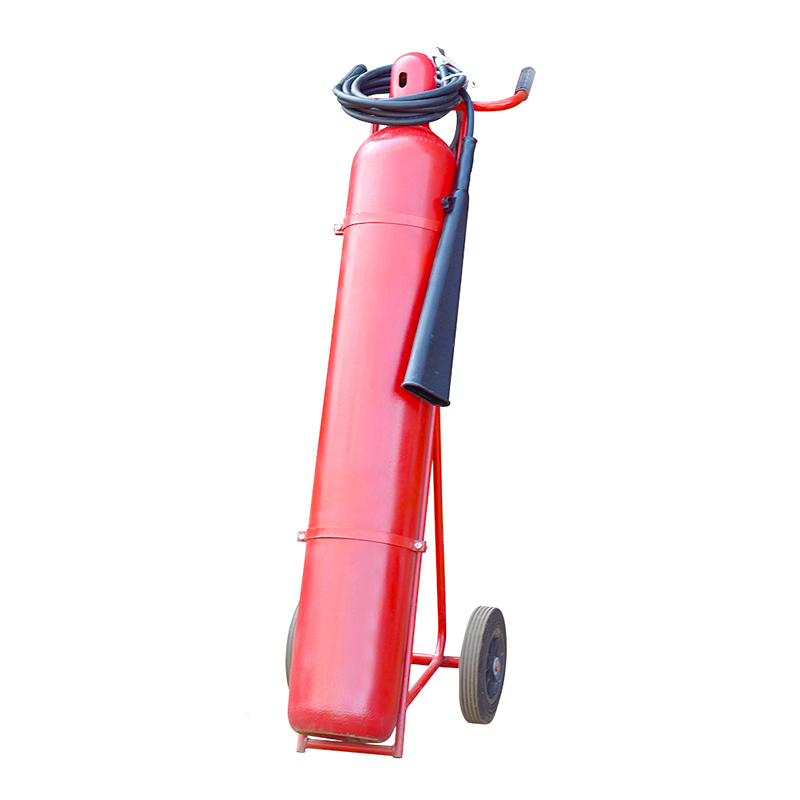
The 25kg trolley mobile fire extinguisher is a high-capacity fire-fighting equipment designed for large-scale fires. It has mechanical strength and co...
See Details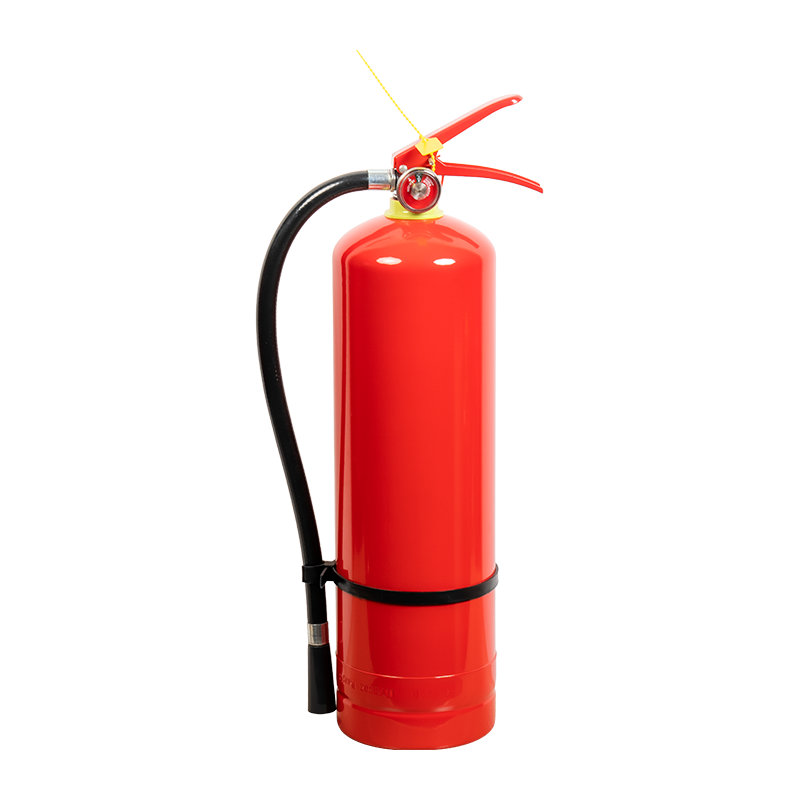
The 6kg stainless steel portable dry powder fire extinguisher is a fire extinguishing device suitable for extinguishing various small fires. Dry powde...
See Details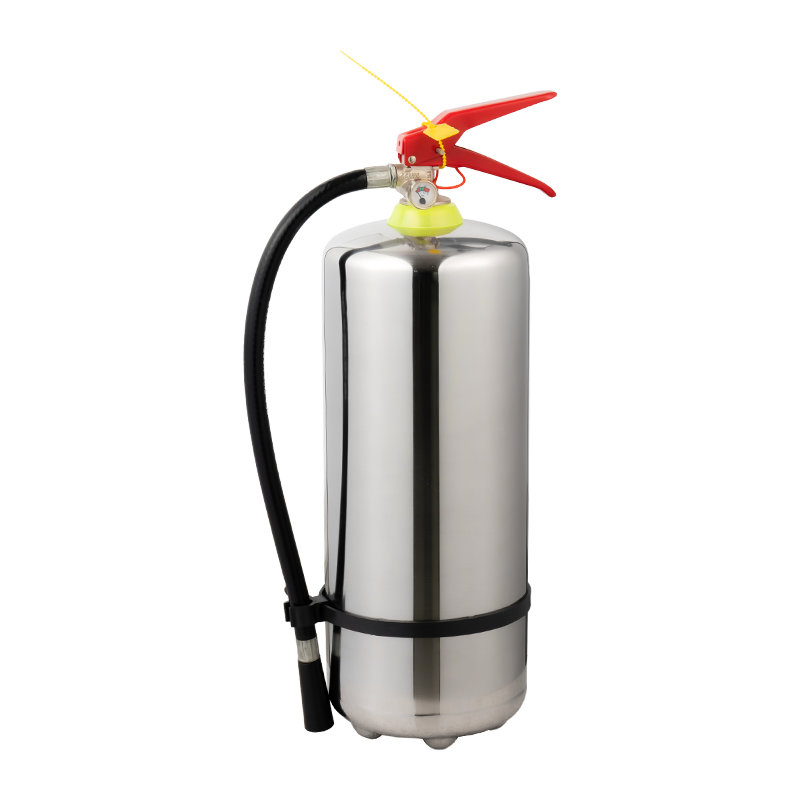
304 stainless steel 6L fire extinguisher is a professionally designed fire extinguishing equipment, made of high-quality SUS304 stainless steel materi...
See Details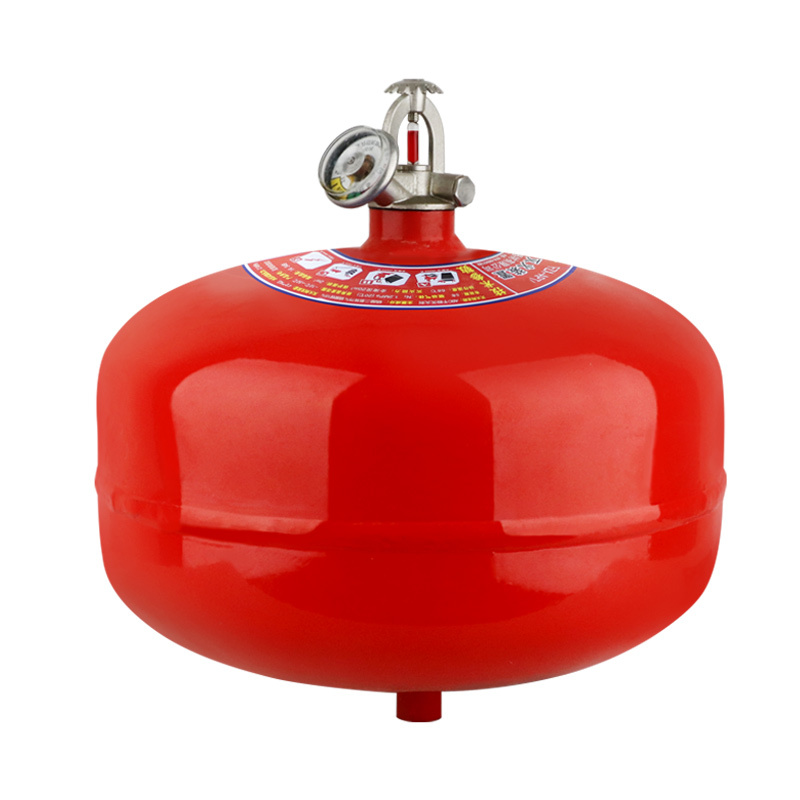
8KG hanging fire extinguisher can be installed on the wall or ceiling, fixed by hook or bracket, making it easy to quickly access and operate when nee...
See Details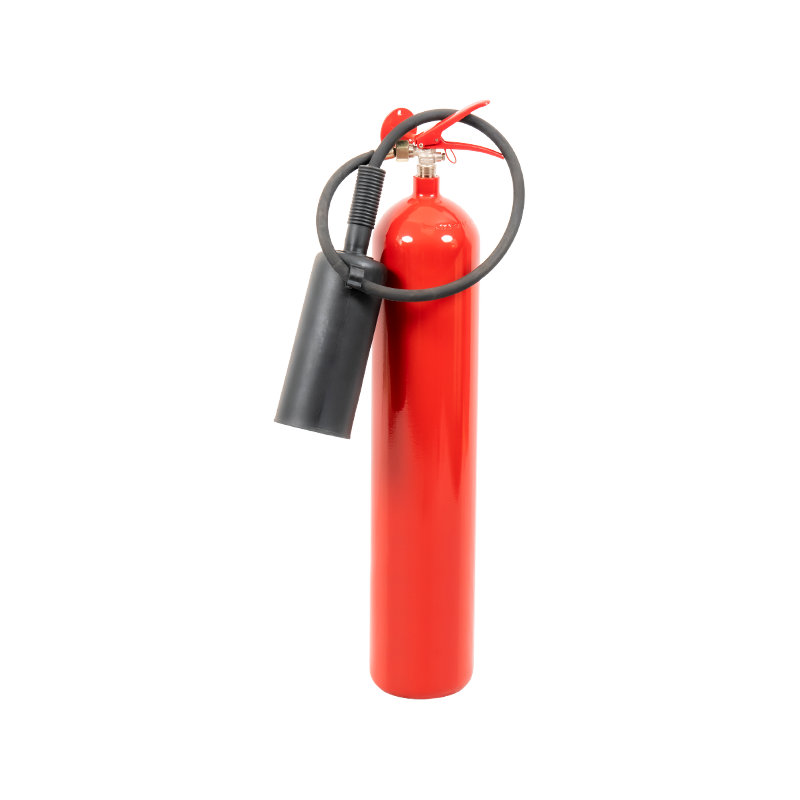
The 5kg fire-fighting carbon dioxide fire extinguisher can work in a wide temperature range, from -30˚C to +60˚C, to meet the firefighting needs in va...
See Details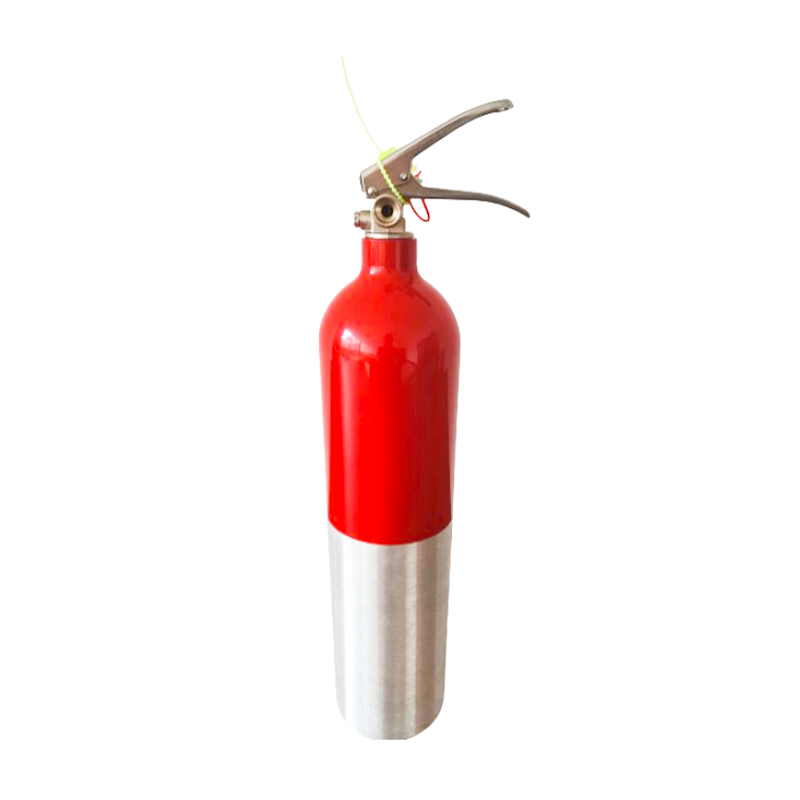
The 5KG portable aluminum fire extinguisher is an efficient and reliable fire extinguishing equipment suitable for fire protection needs in various in...
See Details
Zhejiang Yongshang Pressure Vessel Co., Ltd. was established in 2016. It is a modern enterprise integrating R&D, production and sales, specializing in the production of dry powder, carts, carbon dioxide fire extinguishers, seamless steel cylinders, and aluminum bottles.

+86 13857576559


Zhuhai Village, Gaibei Town, Shangyu District, Shaoxing City, Zhejiang Province, China
