 English
 عربى
عربى 中文简体
中文简体

3KG Portable Steel Fire Extinguisher(CK45/CE)
Cat:CO2 Fire Extinguisher (CK45/CE)
The 3kg portable steel fire extinguisher is a firefighting device designed to deal with all types of fires. Made of CK45 steel, it is sturdy and durab...
See Details
+86 13857576559
Upright Position: Steel Seamless Gas Cylinders must always be stored and transported in a vertical orientation to maintain structural integrity and ensure proper functioning of the pressure relief devices. Keeping the cylinder upright prevents uneven stress distribution along the cylinder walls, reducing the risk of rupture under high pressure. Cylinders should be secured using robust racks, chains, or straps designed to prevent tipping or rolling during handling and transportation. Even a minor impact or tilt can damage the valve or cylinder body, resulting in hazardous gas leaks. Personnel handling cylinders should be trained to move them carefully, using trolleys or mechanical lifts where necessary. Upright storage allows visual inspection of cylinder markings, labels, and valves, ensuring operational safety and regulatory compliance.
Proper Ventilation: Proper ventilation is critical in areas where Steel Seamless Gas Cylinders are stored or used to prevent the accumulation of leaked gases, which can be highly flammable, toxic, or asphyxiating. Cylinders should never be stored in enclosed or poorly ventilated spaces. Storage areas should have natural airflow or mechanical ventilation systems that ensure continuous dispersion of any escaped gas. Ventilation reduces the risk of fire or explosion in the case of a leak and minimizes health hazards for personnel exposed to toxic gases. Well-ventilated storage also prevents condensation and moisture buildup, which can accelerate corrosion of the cylinder body. Ventilation design should comply with relevant occupational safety standards, including appropriate air changes per hour and gas detection systems if necessary.
Temperature Control: Exposure to extreme temperatures can significantly affect the safety and performance of Steel Seamless Gas Cylinders. High temperatures increase the internal pressure, which may lead to cylinder rupture or activation of the pressure relief device. Conversely, very low temperatures can make the steel brittle, increasing the risk of cracking or failure under pressure. Cylinders should be stored in temperature-controlled environments, ideally below 50°C (122°F), away from direct sunlight, heat sources, or combustion equipment. Outdoor storage requires protective shading and insulation. For gases sensitive to temperature, additional cooling or heating measures may be necessary to maintain stability. Temperature monitoring devices can be installed to alert personnel if environmental conditions exceed safe limits.
Separation of Gases: To minimize chemical hazards and prevent accidental reactions, Steel Seamless Gas Cylinders must be stored according to gas type and hazard classification. Flammable gases should be separated from oxidizing agents, toxic gases, and inert gases. Physical barriers or distance requirements between different gas classes should be maintained according to safety standards. Clear labeling and signage must indicate the type and hazard class of each cylinder. Segregation reduces the likelihood of dangerous chemical reactions, explosions, or fires if a leak occurs. Cylinders containing incompatible gases should not share the same storage rack. This systematic approach ensures compliance with occupational safety regulations and promotes a safe working environment.
Valve Protection: The valve is the most vulnerable part of a Steel Seamless Gas Cylinder and is critical for maintaining internal pressure control. Protective caps or guards must always be in place when the cylinder is not connected to equipment, especially during transportation. Damage to the valve, caused by impact, rolling, or improper handling, can lead to uncontrolled gas release, resulting in fire, explosion, or exposure to toxic gases. Cylinders should never be dragged or thrown, and personnel must use trolleys, carts, or lifting devices for safe movement. Regular inspection of valve condition is essential, including checking for leaks, corrosion, or damaged threads. Proper valve protection ensures operational safety and prolongs the service life of the cylinder.
Corrosion Prevention: Steel Seamless Gas Cylinders are vulnerable to corrosion, which can compromise structural integrity and safety. Cylinders should be stored off damp floors using pallets, racks, or stands to prevent contact with water or chemicals. Outdoor storage should include protective coatings or coverings to shield the cylinders from rain, humidity, and salt-laden air. Regular inspection for signs of rust, pitting, or coating damage is mandatory, with immediate removal from service if severe corrosion is detected. Moisture control and corrosion prevention extend the service life of cylinders and prevent catastrophic failures caused by weakened steel walls. Proper corrosion management is an essential part of long-term cylinder maintenance and safety protocols.
Handling Equipment: Safe handling of Steel Seamless Gas Cylinders requires appropriate equipment, such as cylinder trolleys, carts, or forklifts equipped with secure straps or clamps. Manual dragging, rolling, or lifting without proper support can damage the cylinder or valve and create hazardous situations. Personnel must be trained in safe lifting techniques, including using mechanical aids for heavy or high-pressure cylinders. Handling equipment should be inspected regularly to ensure it functions correctly and does not damage the cylinder surface. Safe handling practices reduce workplace injuries, prevent cylinder damage, and maintain operational safety. Proper equipment and trained personnel are critical components of an effective gas cylinder management program.
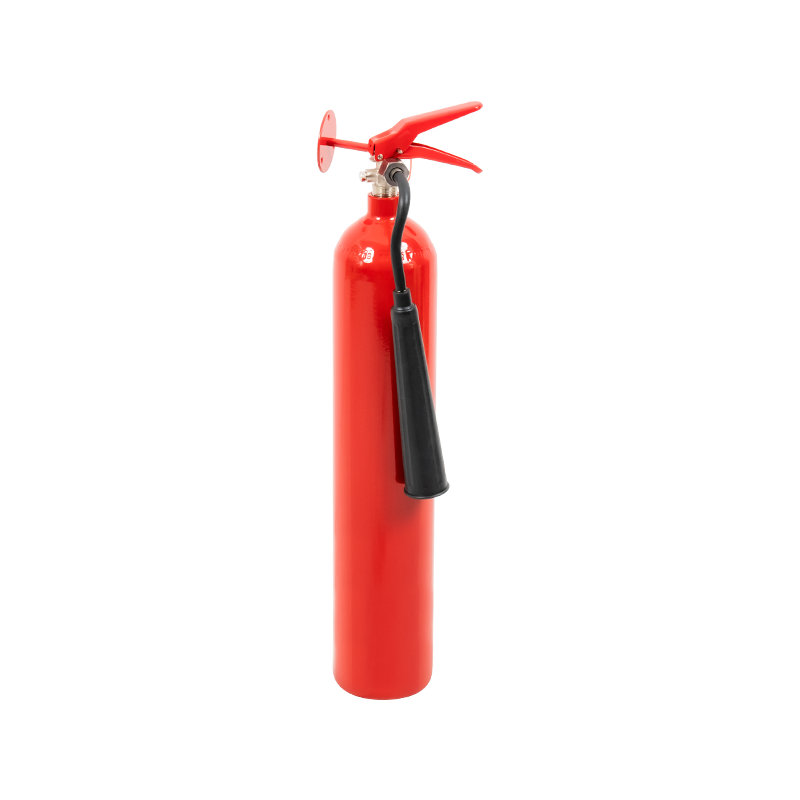
The 3kg portable steel fire extinguisher is a firefighting device designed to deal with all types of fires. Made of CK45 steel, it is sturdy and durab...
See Details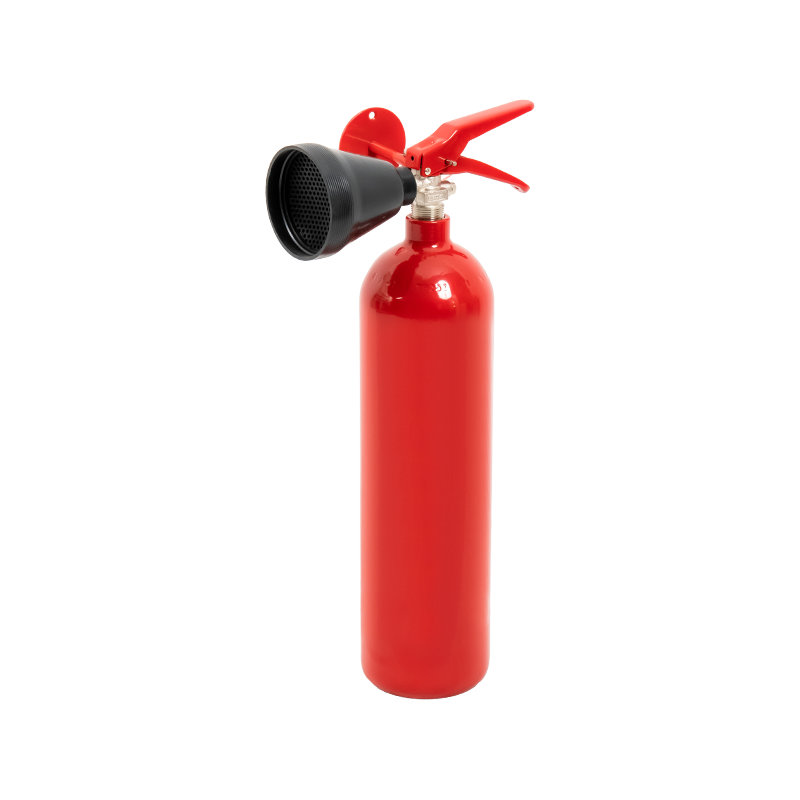
The 2kg portable CE fire extinguisher is a firefighting device designed for quick response and extinguishing of small fires. It is made of high-streng...
See Details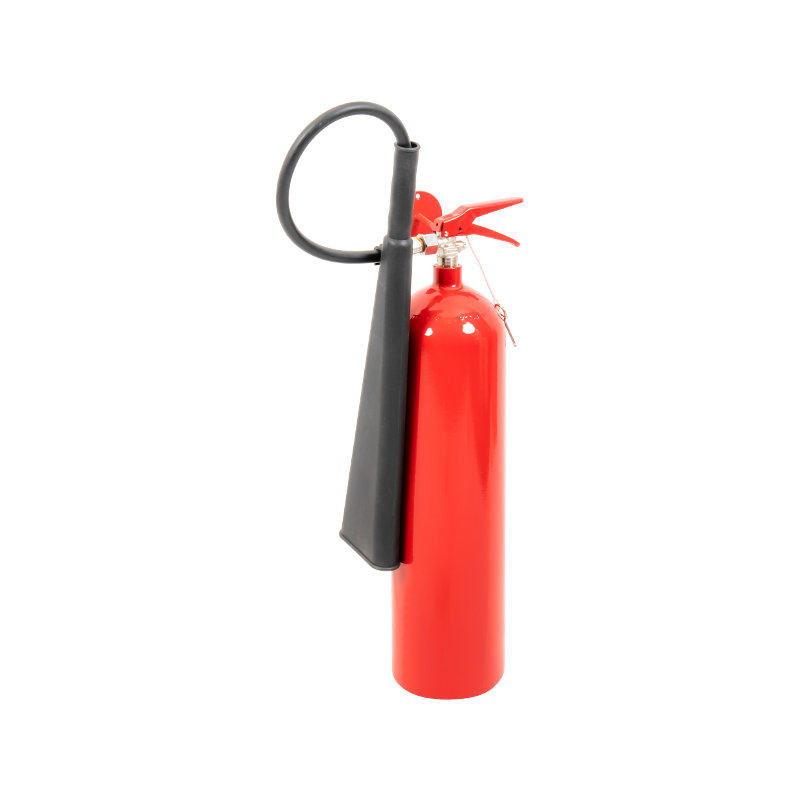
The 5kg CO2 CE extinguisher is suitable for a variety of applications, including in factories, production lines and warehouses. The 5kg CO2 extinguish...
See Details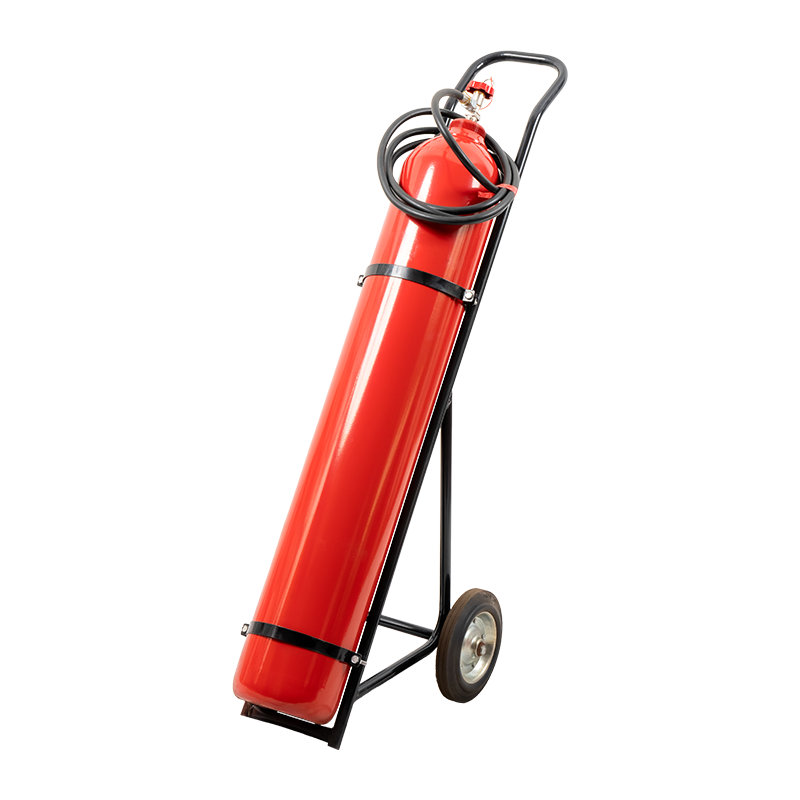
The 10KG Steel Cart-Mounted CO2 Fire Extinguisher is a portable firefighting tool consisting of a large steel cylinder with a capacity of 10kg CO2, mo...
See Details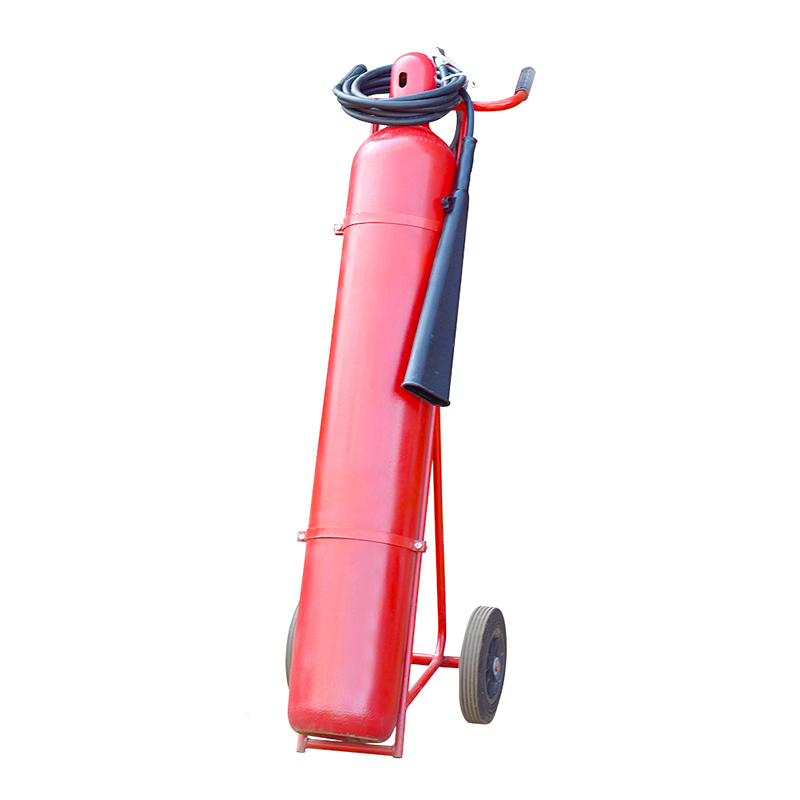
The 25kg trolley mobile fire extinguisher is a high-capacity fire-fighting equipment designed for large-scale fires. It has mechanical strength and co...
See Details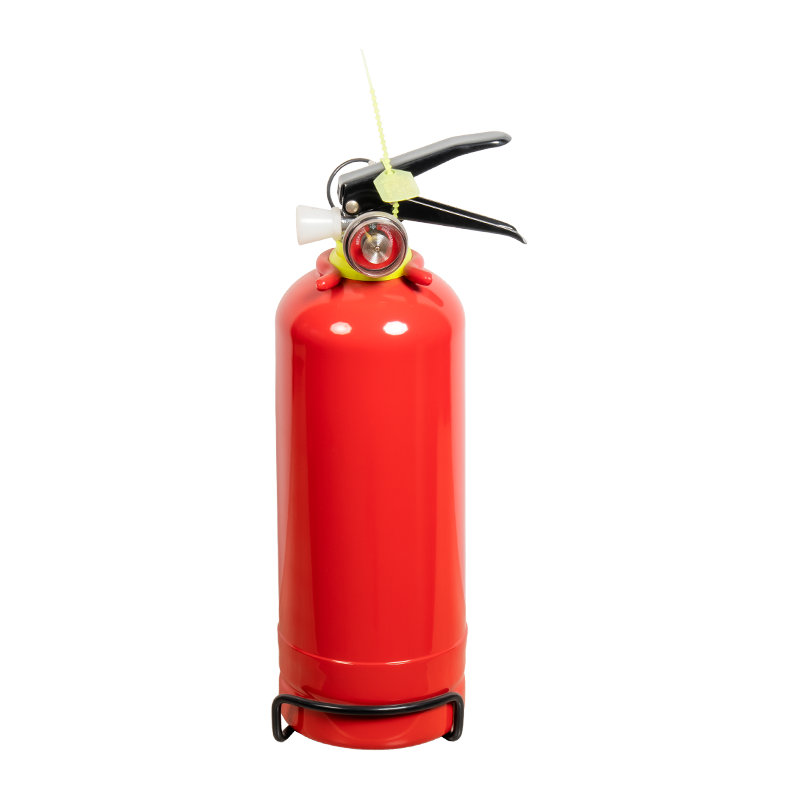
The 1kg portable dry powder fire extinguisher is a safety device used to put out small fires in emergency situations. Its outer shell is made of steel...
See Details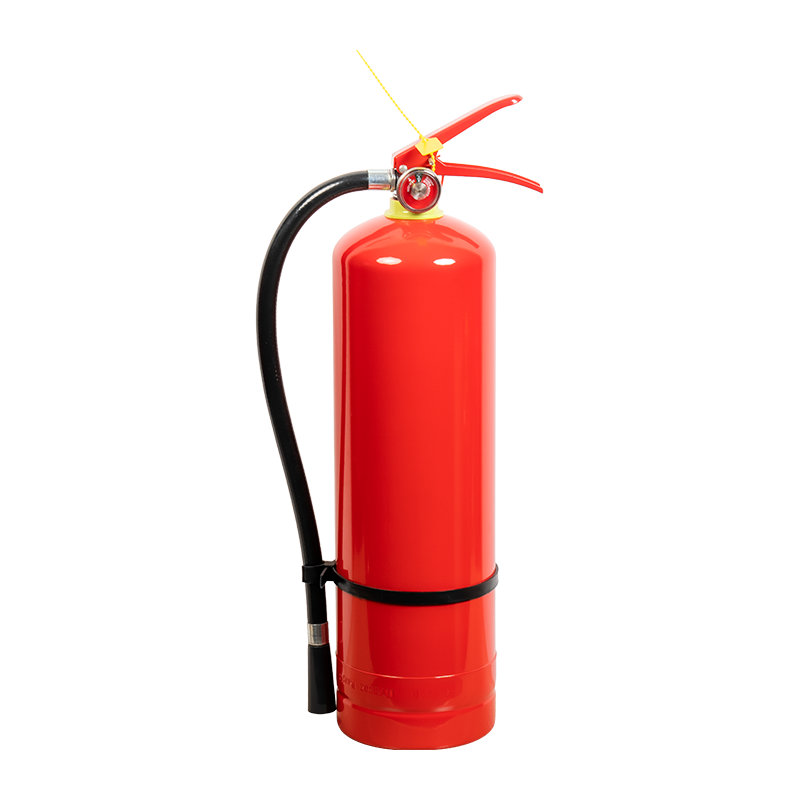
The 6kg stainless steel portable dry powder fire extinguisher is a fire extinguishing device suitable for extinguishing various small fires. Dry powde...
See Details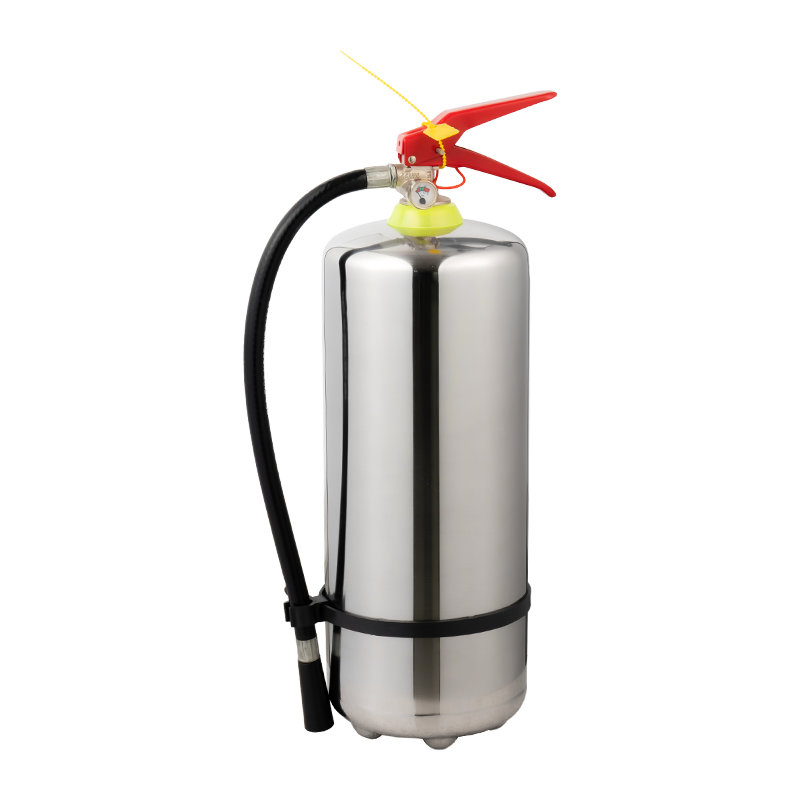
304 stainless steel 6L fire extinguisher is a professionally designed fire extinguishing equipment, made of high-quality SUS304 stainless steel materi...
See Details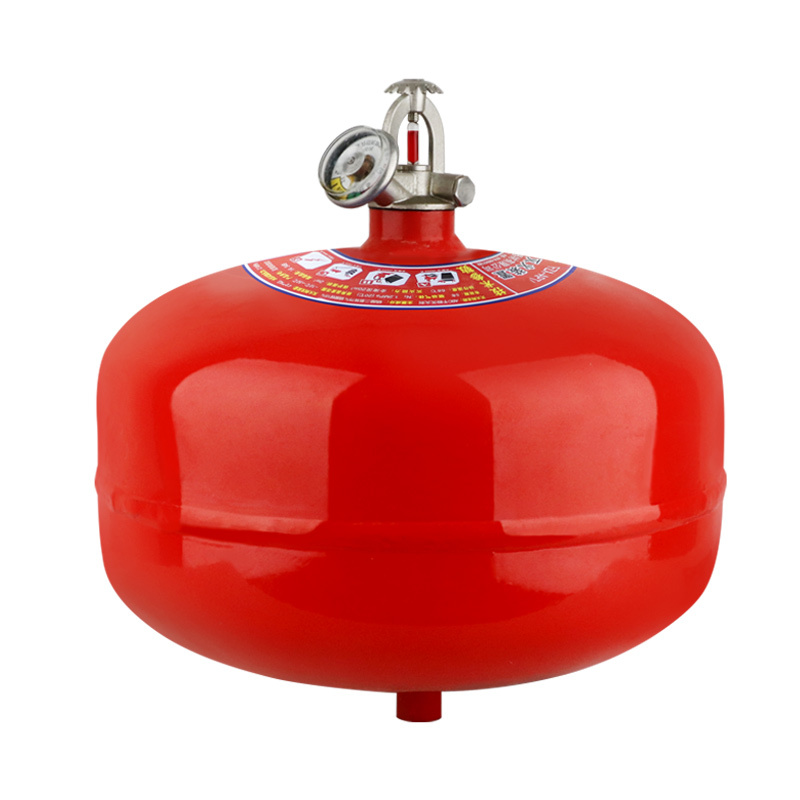
8KG hanging fire extinguisher can be installed on the wall or ceiling, fixed by hook or bracket, making it easy to quickly access and operate when nee...
See Details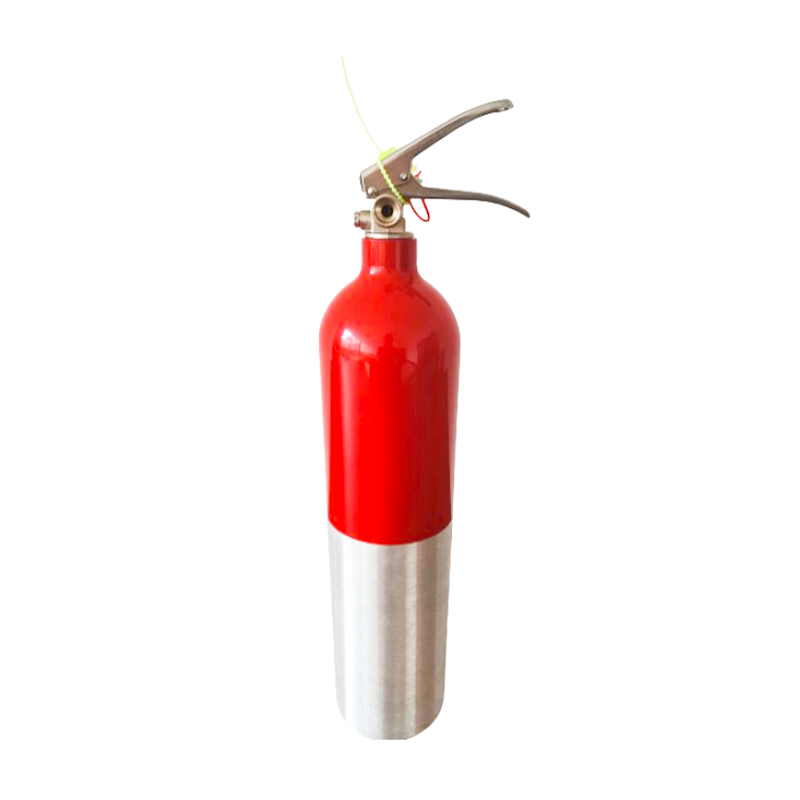
The 5KG portable aluminum fire extinguisher is an efficient and reliable fire extinguishing equipment suitable for fire protection needs in various in...
See Details
Zhejiang Yongshang Pressure Vessel Co., Ltd. was established in 2016. It is a modern enterprise integrating R&D, production and sales, specializing in the production of dry powder, carts, carbon dioxide fire extinguishers, seamless steel cylinders, and aluminum bottles.

+86 13857576559


Zhuhai Village, Gaibei Town, Shangyu District, Shaoxing City, Zhejiang Province, China
