 English
 عربى
عربى 中文简体
中文简体

3KG Portable Steel Fire Extinguisher(CK45/CE)
Cat:CO2 Fire Extinguisher (CK45/CE)
The 3kg portable steel fire extinguisher is a firefighting device designed to deal with all types of fires. Made of CK45 steel, it is sturdy and durab...
See Details
+86 13857576559
Check the pressure gauge: The pressure gauge on a DCP Fire Extinguisher is the primary indicator of whether the extinguisher is ready for use. Carefully observe the needle and ensure it rests squarely within the green zone marked on the gauge. A needle in the red low area indicates insufficient internal pressure, meaning the extinguishing powder may not discharge effectively during an emergency. Conversely, a needle in the red high zone signals over-pressurization, which can compromise the structural integrity of the cylinder and pose a safety hazard. Consistently checking the pressure gauge before and after each inspection is critical, as pressure can slowly decline due to small leaks or environmental factors. In professional environments, these readings should be logged during routine safety inspections to maintain a verified operational history. The gauge itself should also be checked for physical damage, cracks, or fogging that may obscure accurate readings, as a malfunctioning gauge can lead to false assumptions about the extinguisher’s readiness.
Inspect the safety pin and tamper seal: The safety pin and tamper seal are essential for ensuring that a DCP Fire Extinguisher has not been accidentally discharged or tampered with. Begin by visually confirming that the safety pin is fully inserted and that the tamper seal, usually made of plastic or wire, is intact. The presence of an unbroken seal indicates that the extinguisher has remained in its original state since the last inspection or use. Any missing or broken pin, or a tamper seal that appears damaged, suggests that the extinguisher may have been partially used or improperly handled. This could compromise its effectiveness and reliability. During inspection, check that the pin moves freely without obstruction but cannot be removed without breaking the seal. Document any discrepancies immediately and remove the extinguisher from service until it has been professionally assessed, recharged, or replaced. This step is critical not only for functional safety but also for compliance with regulatory safety standards.
Examine the hose and nozzle: The hose and nozzle of a DCP Fire Extinguisher are critical components that directly affect its ability to deliver extinguishing powder accurately and effectively. Conduct a detailed inspection by visually examining the entire hose for cracks, cuts, or brittleness caused by environmental exposure, such as extreme heat, cold, or UV light. Flex the hose gently to check for hidden weaknesses, kinks, or blockages that could impede flow. The nozzle should also be free of obstructions, corrosion, or residue, and the moving parts should operate smoothly without sticking. Ensure that the nozzle is securely attached to the hose and that the coupling is tight, as loose connections can lead to leakage or failure during discharge. For DCP extinguishers in industrial or high-use areas, this inspection should include checking for any chemical buildup from previous use or dust accumulation that might reduce the spray efficiency. Any identified damage must be addressed immediately by a certified technician before returning the extinguisher to service.
Check the cylinder body: The structural integrity of the cylinder body is paramount to the safe operation of a DCP Fire Extinguisher. Inspect the exterior of the cylinder meticulously for dents, cracks, rust, or corrosion, particularly around welded seams and the base, which are prone to weakening over time. Even minor deformities can compromise the extinguisher under pressure, posing potential hazards to the user. Ensure that the paint coating is intact to prevent corrosion and chemical deterioration, especially if the extinguisher is stored in humid or industrial environments. Look for signs of leakage around the valve or bottom of the cylinder, as any loss of extinguishing agent could reduce performance during a fire emergency. Additionally, verify that the cylinder is standing upright and stable on its base, as a tilted or unstable extinguisher may fall and sustain further damage. Any cylinder showing structural compromise should be removed from service and professionally assessed or replaced immediately to maintain workplace safety and compliance with fire safety regulations.
Verify the label and instructions: The label and operational instructions on a DCP Fire Extinguisher are vital for ensuring that users can operate the device quickly and correctly during an emergency. Carefully check that all text, diagrams, and symbols are clear, legible, and free from wear, fading, or damage. The label should clearly indicate the type of extinguisher, its capacity, the classes of fire it is suitable for, and step-by-step operating instructions. Users in high-stress emergency situations often rely solely on the label for guidance, so any ambiguity can result in misuse or delayed response. Check that the label contains safety warnings, maintenance instructions, and expiry or recharge dates where applicable. For workplaces with multiple extinguishers, verify that labels are consistent and match the designated fire hazards of the area. In professional settings, training sessions should familiarize staff with reading and understanding these labels to ensure correct deployment during fire incidents, minimizing risk to both personnel and property.
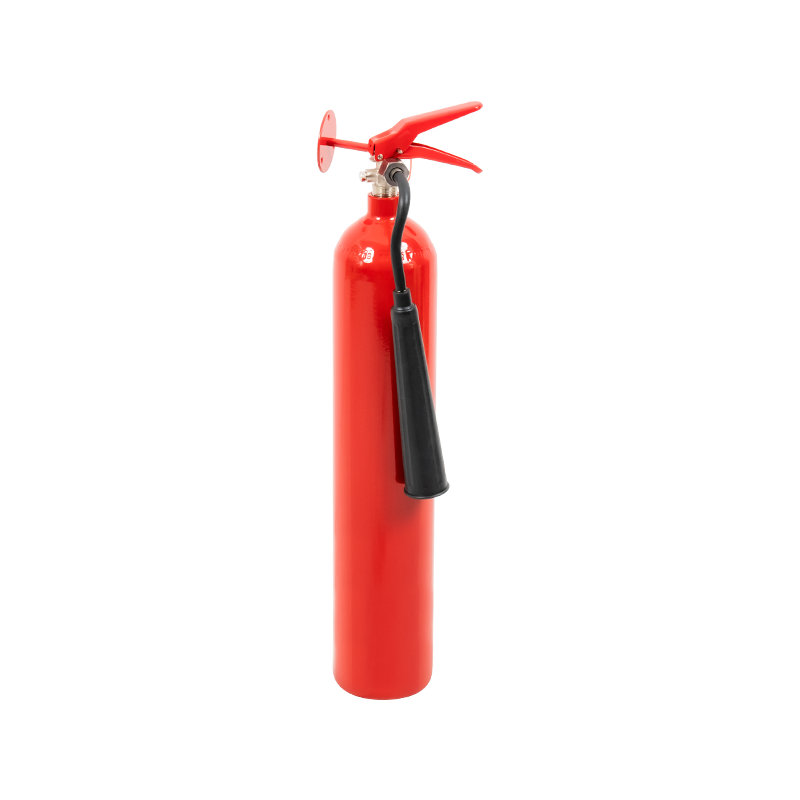
The 3kg portable steel fire extinguisher is a firefighting device designed to deal with all types of fires. Made of CK45 steel, it is sturdy and durab...
See Details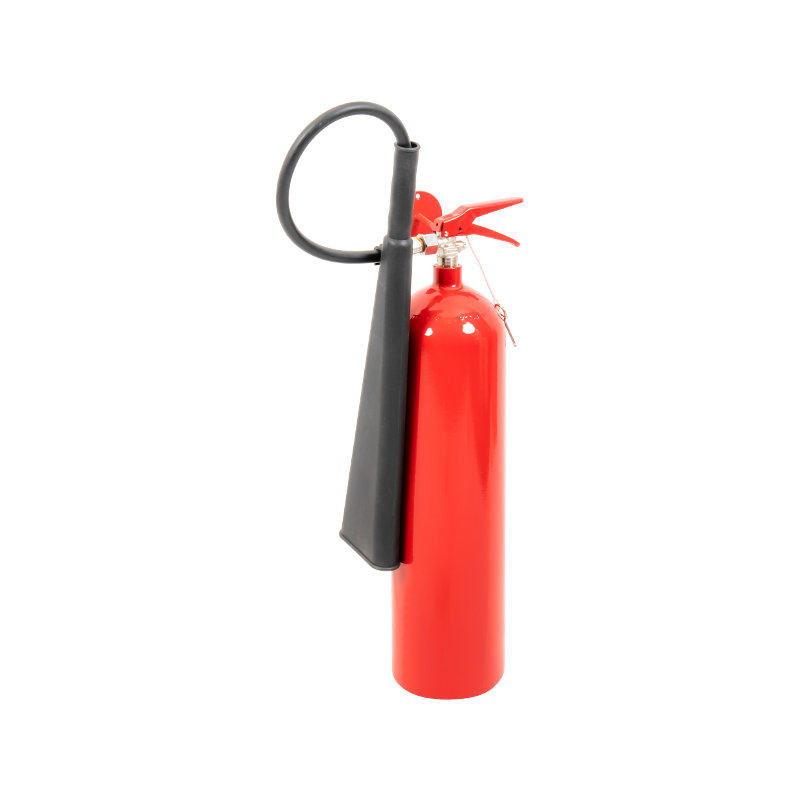
The 5kg CO2 CE extinguisher is suitable for a variety of applications, including in factories, production lines and warehouses. The 5kg CO2 extinguish...
See Details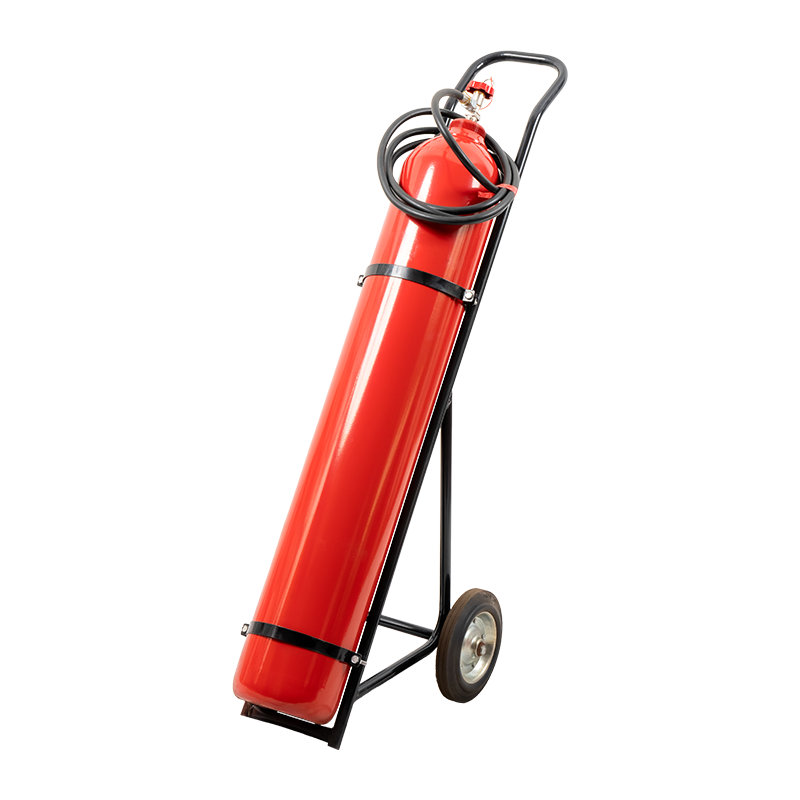
The 10KG Steel Cart-Mounted CO2 Fire Extinguisher is a portable firefighting tool consisting of a large steel cylinder with a capacity of 10kg CO2, mo...
See Details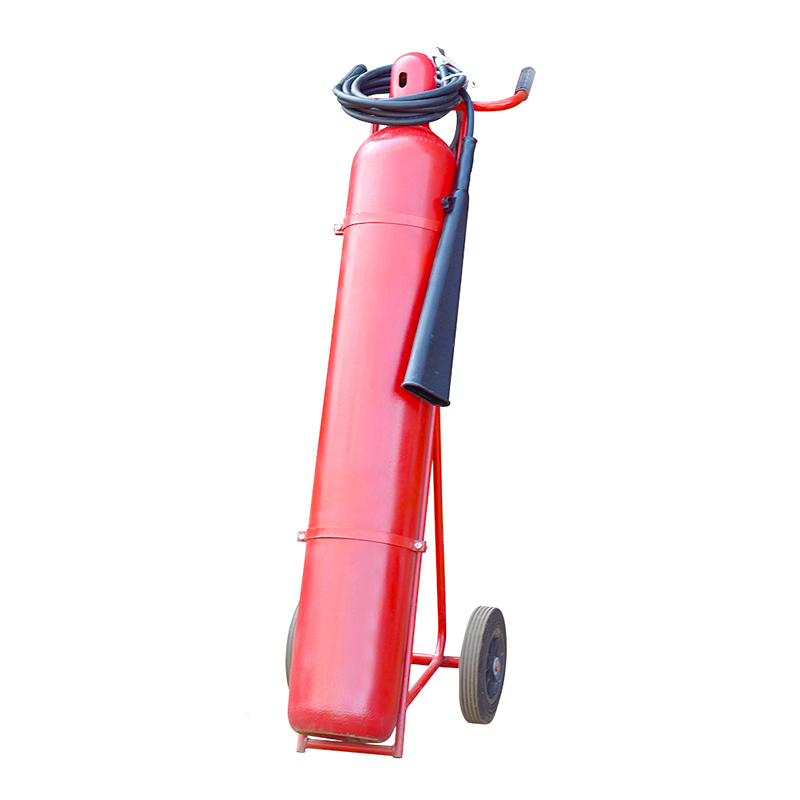
The 25kg trolley mobile fire extinguisher is a high-capacity fire-fighting equipment designed for large-scale fires. It has mechanical strength and co...
See Details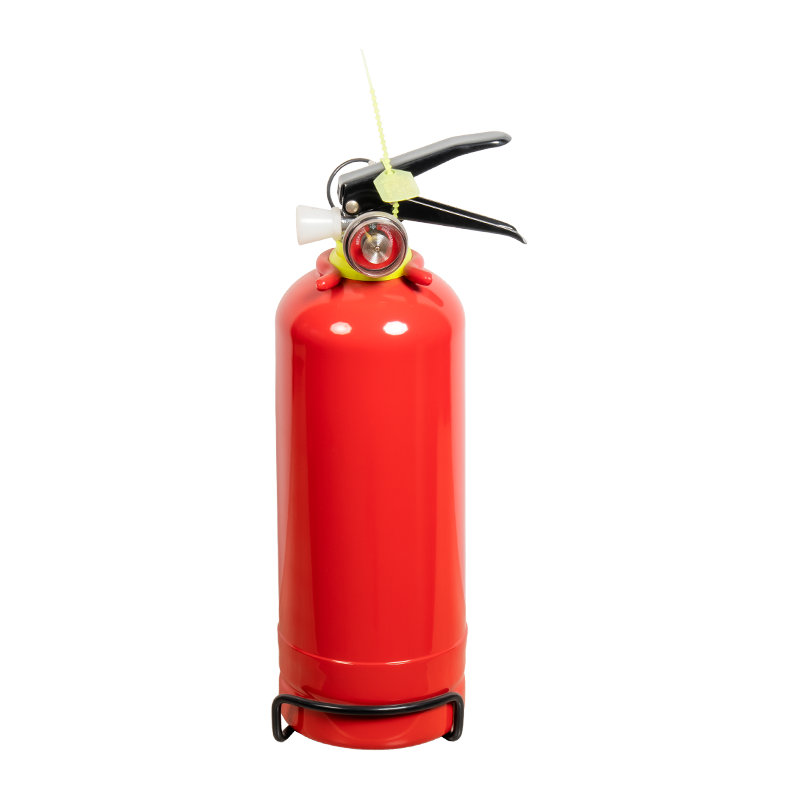
The 1kg portable dry powder fire extinguisher is a safety device used to put out small fires in emergency situations. Its outer shell is made of steel...
See Details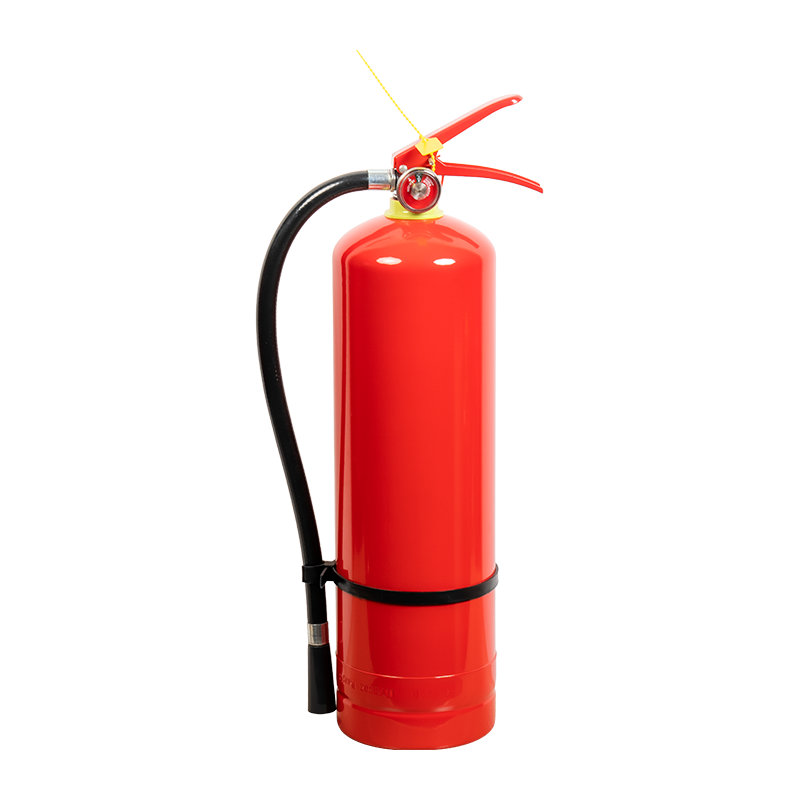
The 6kg stainless steel portable dry powder fire extinguisher is a fire extinguishing device suitable for extinguishing various small fires. Dry powde...
See Details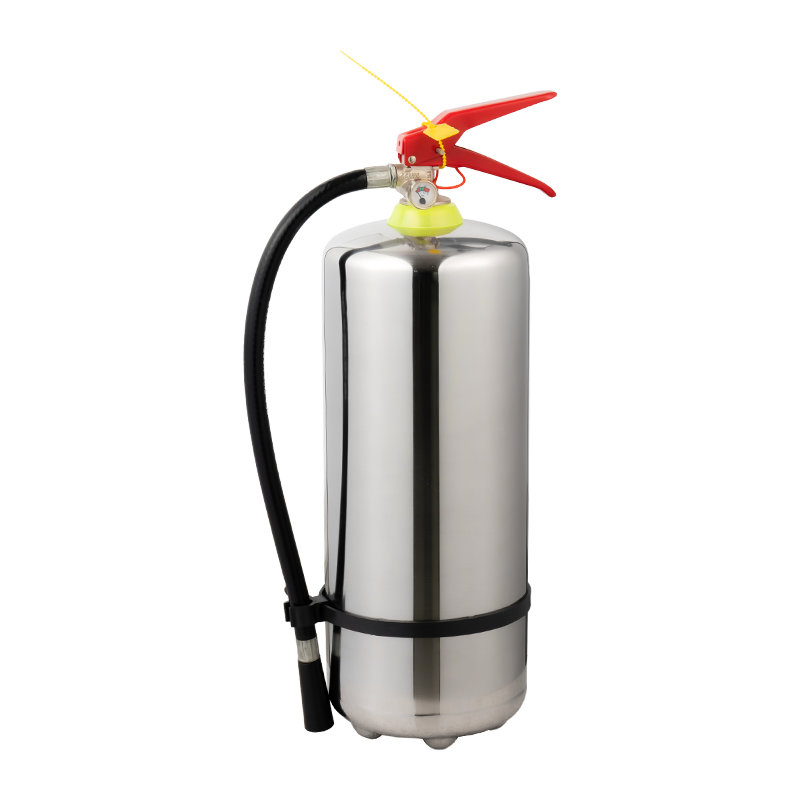
304 stainless steel 6L fire extinguisher is a professionally designed fire extinguishing equipment, made of high-quality SUS304 stainless steel materi...
See Details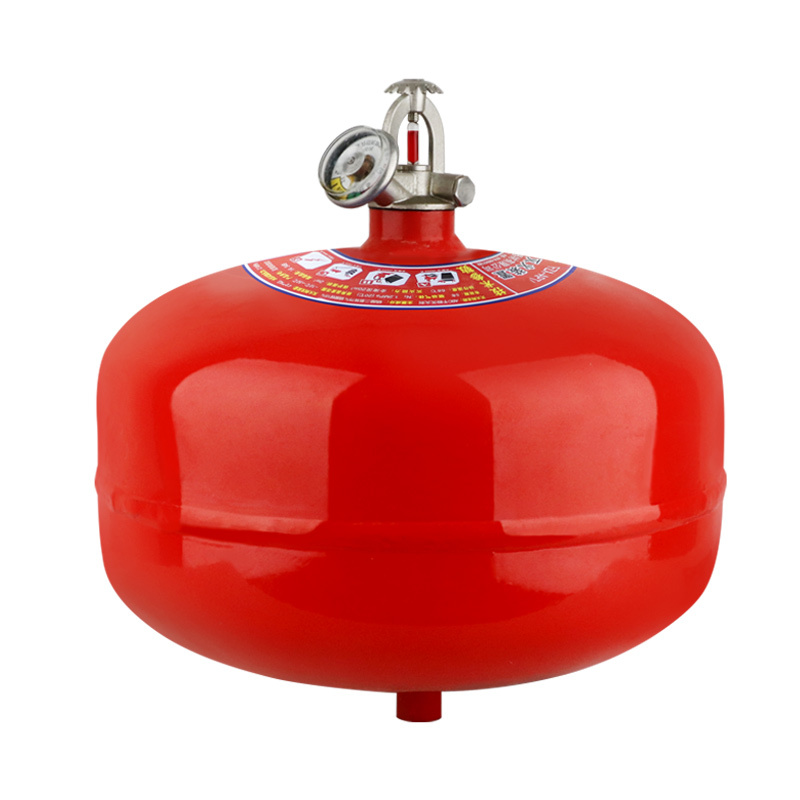
8KG hanging fire extinguisher can be installed on the wall or ceiling, fixed by hook or bracket, making it easy to quickly access and operate when nee...
See Details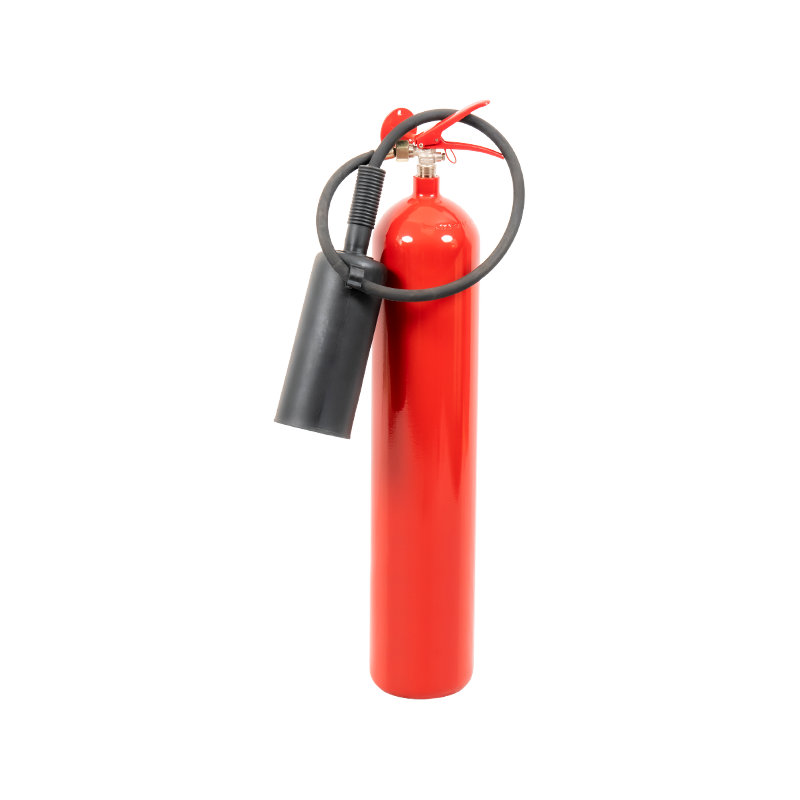
The 5kg fire-fighting carbon dioxide fire extinguisher can work in a wide temperature range, from -30˚C to +60˚C, to meet the firefighting needs in va...
See Details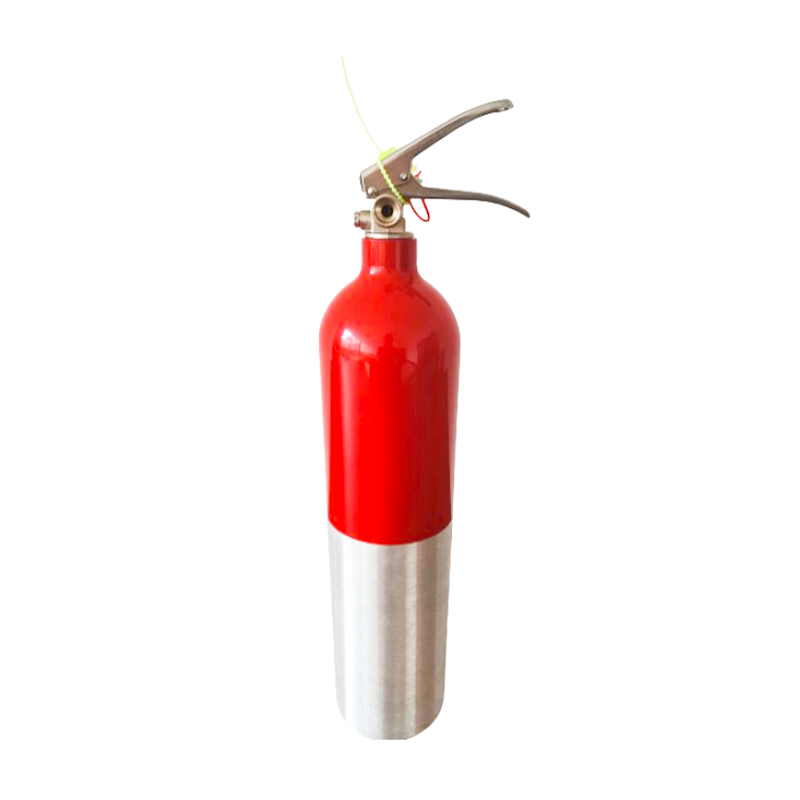
The 5KG portable aluminum fire extinguisher is an efficient and reliable fire extinguishing equipment suitable for fire protection needs in various in...
See Details
Zhejiang Yongshang Pressure Vessel Co., Ltd. was established in 2016. It is a modern enterprise integrating R&D, production and sales, specializing in the production of dry powder, carts, carbon dioxide fire extinguishers, seamless steel cylinders, and aluminum bottles.

+86 13857576559


Zhuhai Village, Gaibei Town, Shangyu District, Shaoxing City, Zhejiang Province, China
