 English
 عربى
عربى 中文简体
中文简体

3KG Portable Steel Fire Extinguisher(CK45/CE)
Cat:CO2 Fire Extinguisher (CK45/CE)
The 3kg portable steel fire extinguisher is a firefighting device designed to deal with all types of fires. Made of CK45 steel, it is sturdy and durab...
See Details
+86 13857576559
Strategic Placement and Mounting
The first critical factor in ensuring that Stainless Steel Fire Extinguisher remains visible and accessible is strategic placement within the facility. In high-risk areas, extinguishers must be installed near potential ignition sources, along evacuation routes, and close to areas with high human activity, such as machinery zones, chemical storage, or electrical equipment areas. Mounting height is essential: OSHA and NFPA guidelines recommend a position between 3.5 and 5 feet from the floor, making the extinguisher accessible to both standing and seated personnel. Mounting brackets are engineered for secure retention under normal conditions while allowing rapid removal during emergencies. For large-scale or multi-story facilities, extinguishers are placed at regular intervals, ensuring that personnel can reach one within seconds, even under stressful or hazardous conditions. Thoughtful placement also prevents obstruction by furniture, equipment, or storage, ensuring rapid response in emergency scenarios.
Color, Labeling, and Reflective Identification
Although stainless steel provides exceptional durability and corrosion resistance, its natural metallic finish may reduce immediate visual recognition. To overcome this, Stainless Steel Fire Extinguishers incorporate high-contrast color labeling, reflective strips, and photoluminescent markings to ensure visibility under both normal and low-light conditions. Labels clearly indicate fire class ratings (A, B, C, D, K), operating instructions, and safety precautions, allowing personnel to quickly identify the correct extinguisher type. Photoluminescent or glow-in-the-dark surfaces maintain visibility in smoke-filled or dark environments, and standardized pictograms ensure recognition regardless of language or literacy. By combining these visual cues, Stainless Steel Fire Extinguishers provide immediate, intuitive identification, which is essential for rapid, accurate response during emergencies where every second counts.
Integration with Signage and Wayfinding Systems
Accessibility is further enhanced through integration with standardized signage and directional indicators. Clearly marked signs positioned above or beside the extinguisher guide personnel to its location from multiple angles. In larger facilities, floor markings, arrows, or wall-mounted indicators help personnel navigate to the extinguisher efficiently, even in unfamiliar or complex layouts. Compliance with international safety standards, such as NFPA, EN3, ISO 7165, or local fire codes, ensures that extinguishers are both visible and reachable, while signage reinforces evacuation routes and safe pathways. This system integration reduces response time, prevents confusion, and enhances overall safety, ensuring that personnel can access the extinguisher without hesitation, even during high-stress, high-risk fire events.
Ergonomic Access and Rapid Deployment
The design of Stainless Steel Fire Extinguishers focuses on ergonomics, lightweight handling, and operational efficiency. Features such as top-mounted handles, easy-squeeze triggers, and balanced weight distribution allow users to lift, aim, and discharge the extinguisher with minimal effort. Wall-mounted or cabinet-mounted models maintain sufficient clearance zones around the extinguisher to prevent obstruction by equipment, furniture, or structural elements, ensuring that it can be deployed quickly. The ergonomic design minimizes fatigue and allows personnel to operate the extinguisher effectively even under high-stress or physically demanding conditions. This accessibility ensures that users can respond immediately and safely, reducing the risk of injury while optimizing the extinguishing effect.
Routine Inspection, Maintenance, and Operational Readiness
Maintaining visibility and accessibility is not solely a matter of design—it also requires consistent inspection and preventive maintenance. Stainless Steel Fire Extinguishers resist rust and corrosion, which preserves labeling, reflective surfaces, and mounting integrity over long-term use. Routine checks ensure that pressure gauges remain in the operational zone, seals are intact, and the extinguisher has not been obstructed or moved from its designated location. Cleaning of labels, reflective strips, and mounting hardware ensures that the extinguisher remains fully functional and clearly identifiable. Proper maintenance practices are critical to guarantee that the extinguisher is ready for immediate use in emergencies, sustaining its operational reliability and compliance with safety standards.
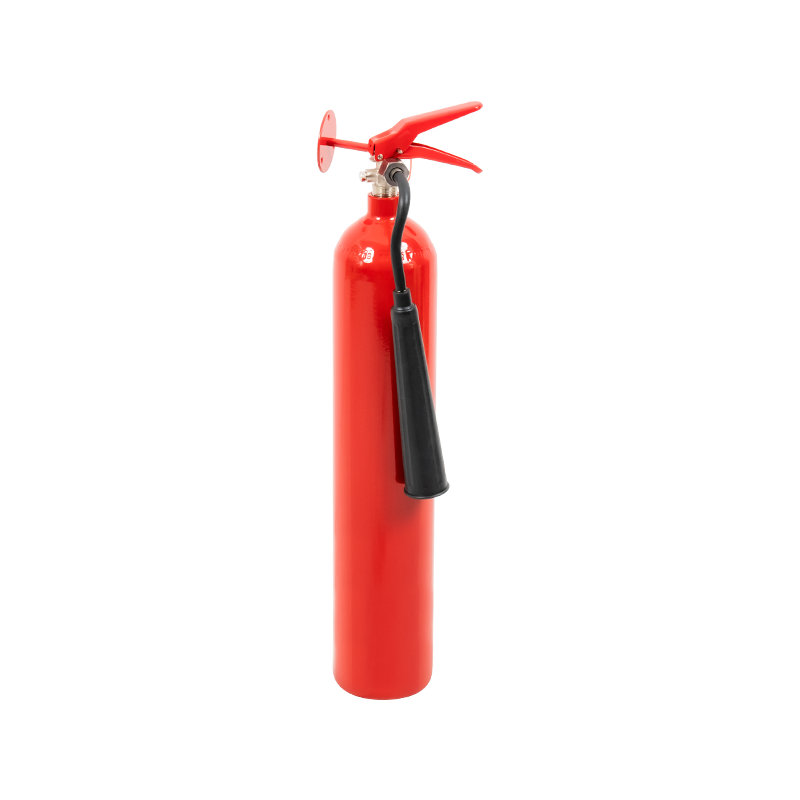
The 3kg portable steel fire extinguisher is a firefighting device designed to deal with all types of fires. Made of CK45 steel, it is sturdy and durab...
See Details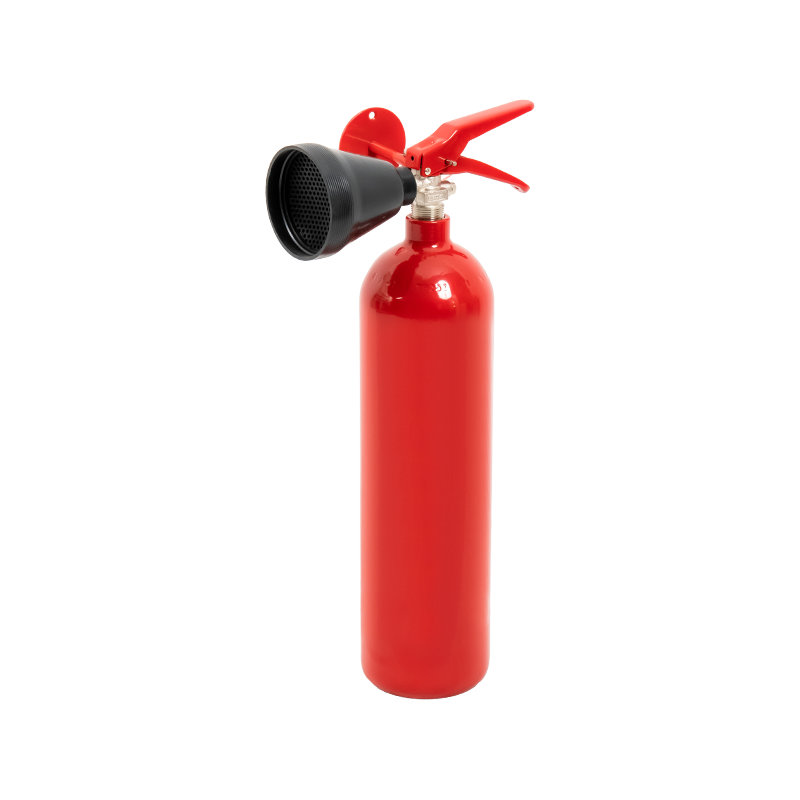
The 2kg portable CE fire extinguisher is a firefighting device designed for quick response and extinguishing of small fires. It is made of high-streng...
See Details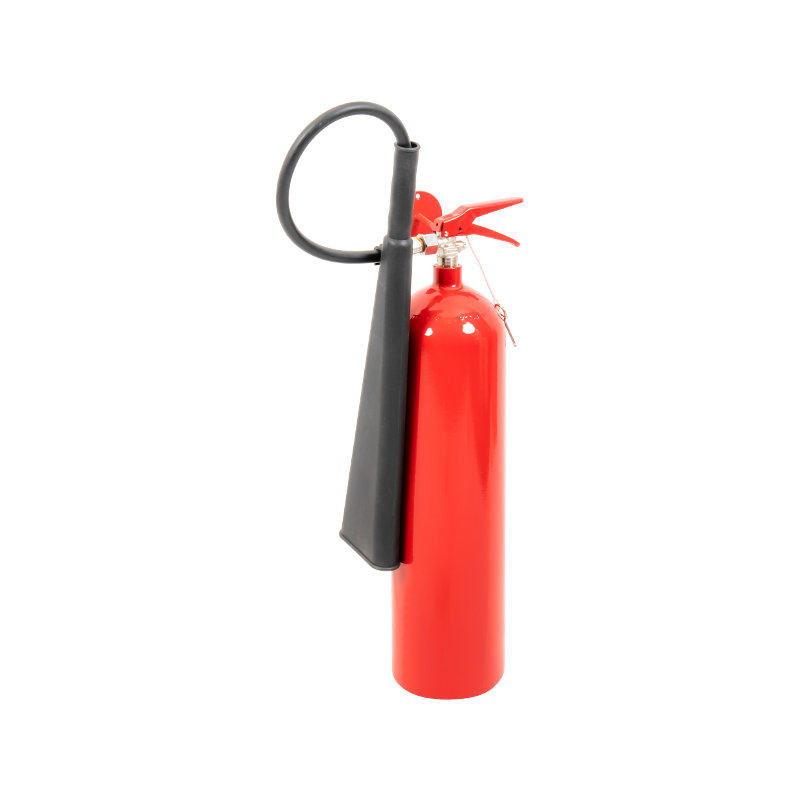
The 5kg CO2 CE extinguisher is suitable for a variety of applications, including in factories, production lines and warehouses. The 5kg CO2 extinguish...
See Details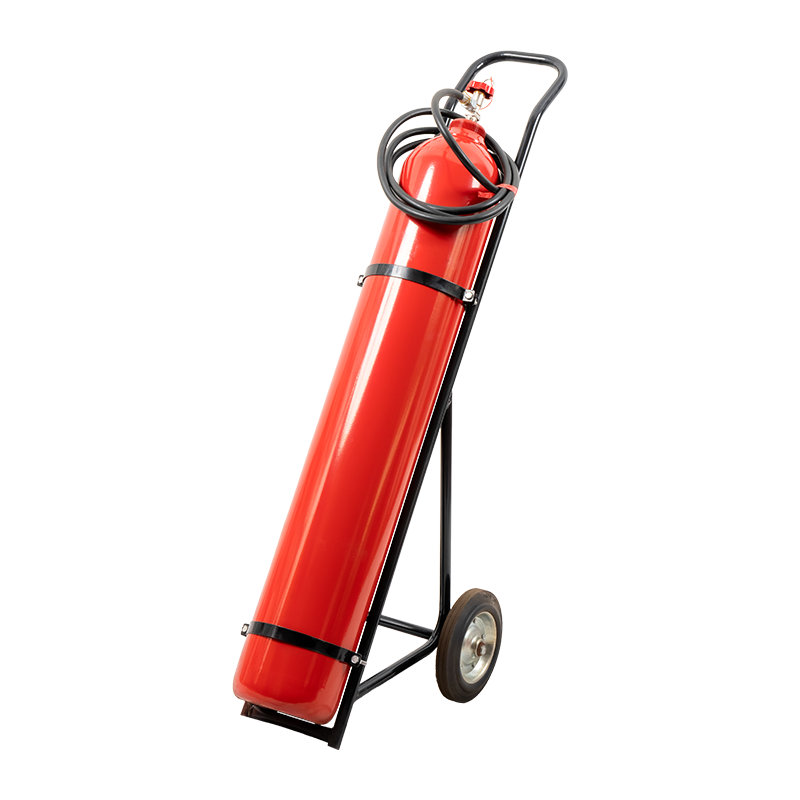
The 10KG Steel Cart-Mounted CO2 Fire Extinguisher is a portable firefighting tool consisting of a large steel cylinder with a capacity of 10kg CO2, mo...
See Details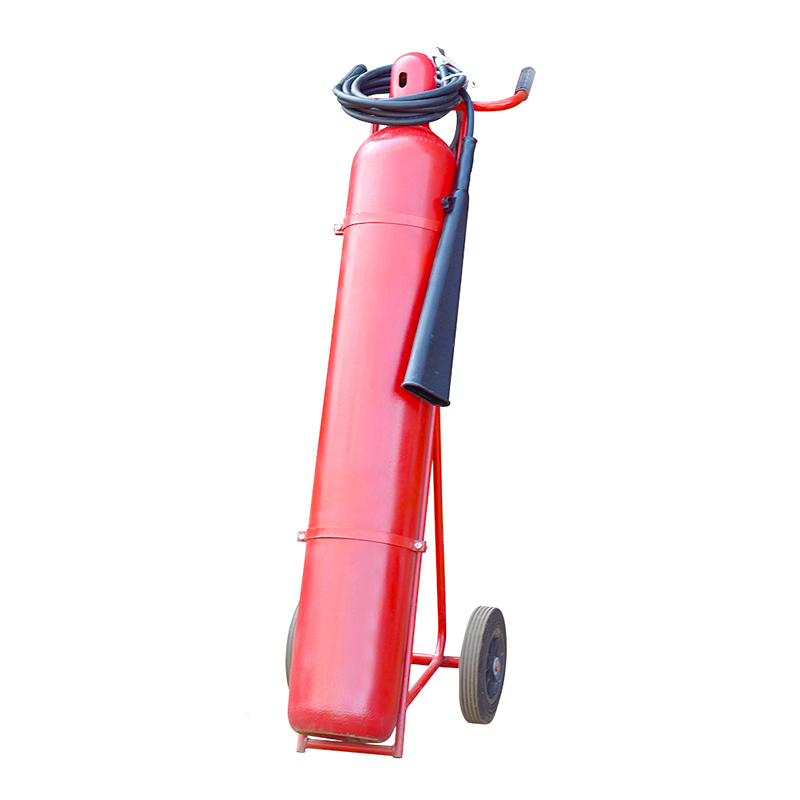
The 25kg trolley mobile fire extinguisher is a high-capacity fire-fighting equipment designed for large-scale fires. It has mechanical strength and co...
See Details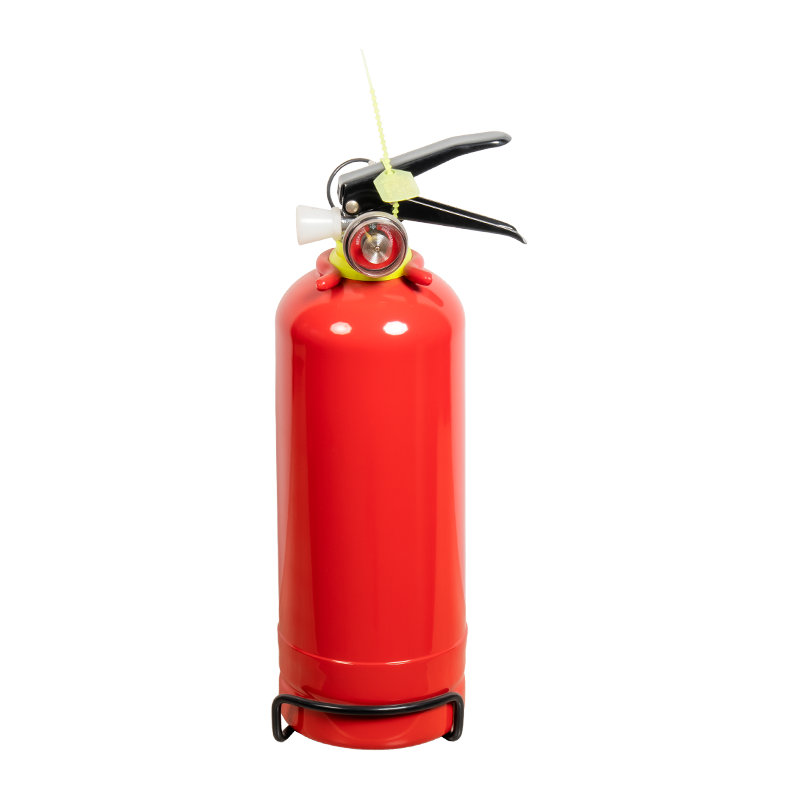
The 1kg portable dry powder fire extinguisher is a safety device used to put out small fires in emergency situations. Its outer shell is made of steel...
See Details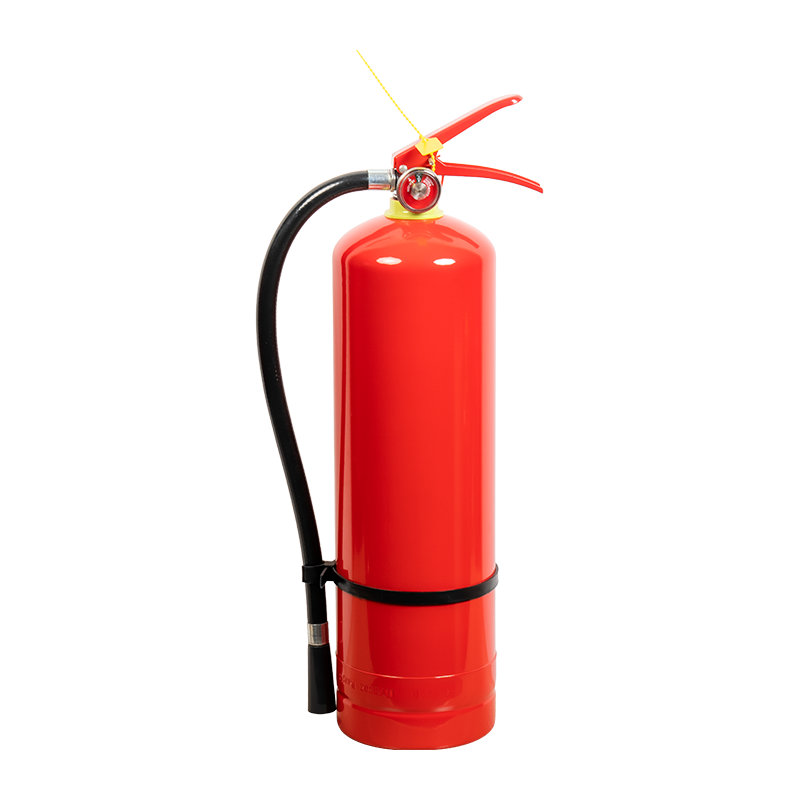
The 6kg stainless steel portable dry powder fire extinguisher is a fire extinguishing device suitable for extinguishing various small fires. Dry powde...
See Details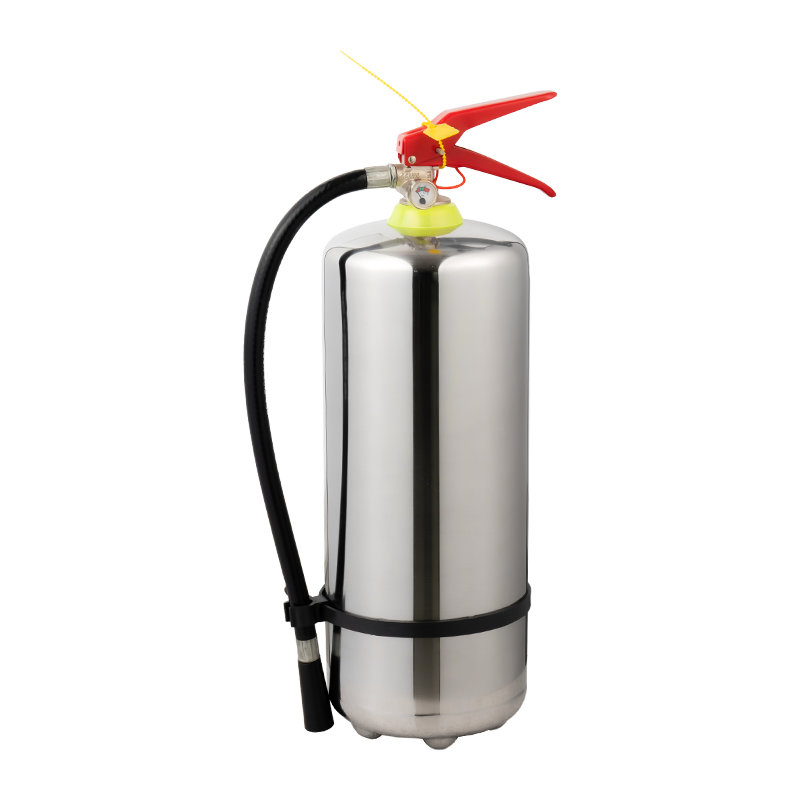
304 stainless steel 6L fire extinguisher is a professionally designed fire extinguishing equipment, made of high-quality SUS304 stainless steel materi...
See Details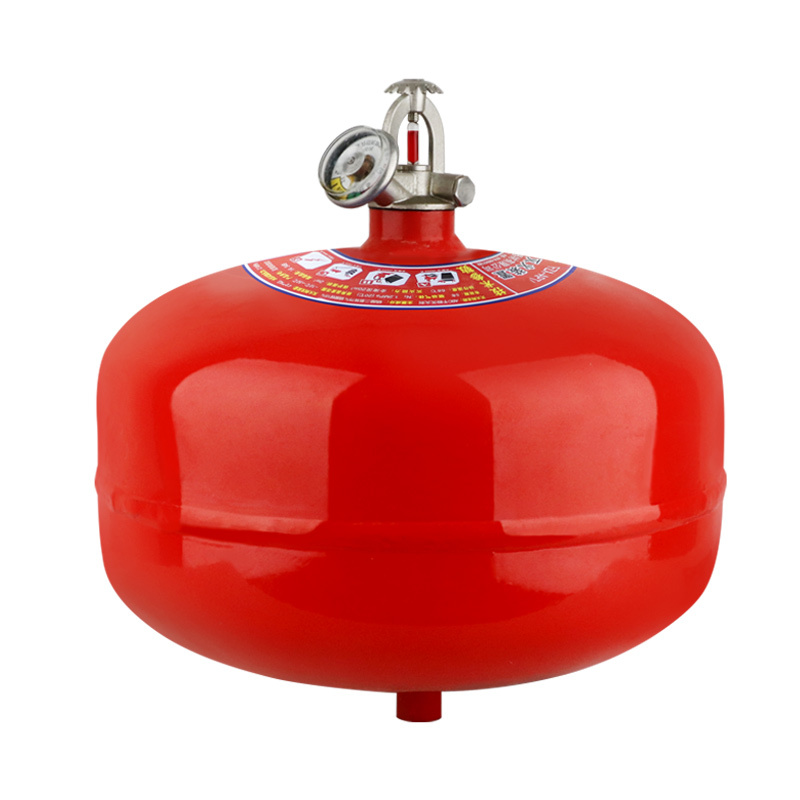
8KG hanging fire extinguisher can be installed on the wall or ceiling, fixed by hook or bracket, making it easy to quickly access and operate when nee...
See Details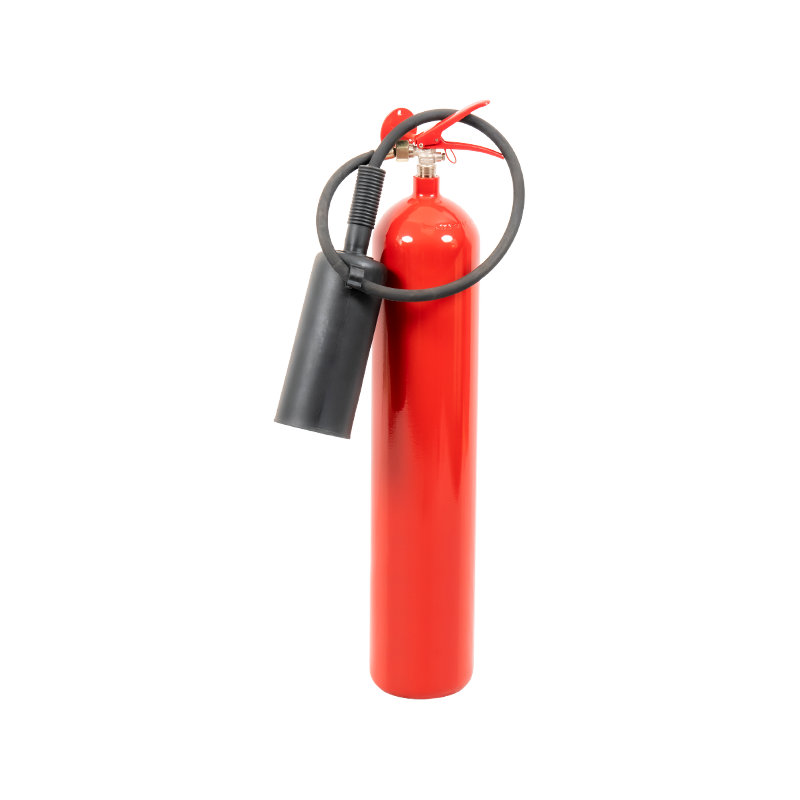
The 5kg fire-fighting carbon dioxide fire extinguisher can work in a wide temperature range, from -30˚C to +60˚C, to meet the firefighting needs in va...
See Details
Zhejiang Yongshang Pressure Vessel Co., Ltd. was established in 2016. It is a modern enterprise integrating R&D, production and sales, specializing in the production of dry powder, carts, carbon dioxide fire extinguishers, seamless steel cylinders, and aluminum bottles.

+86 13857576559


Zhuhai Village, Gaibei Town, Shangyu District, Shaoxing City, Zhejiang Province, China
