 English
 عربى
عربى 中文简体
中文简体

3KG Portable Steel Fire Extinguisher(CK45/CE)
Cat:CO2 Fire Extinguisher (CK45/CE)
The 3kg portable steel fire extinguisher is a firefighting device designed to deal with all types of fires. Made of CK45 steel, it is sturdy and durab...
See Details
+86 13857576559
Temperature Effects on CO2 Extinguishers
The 5Kg CO2 Fire Extinguisher (CK45/CE) operates by storing carbon dioxide in a high-pressure liquid state within a robust steel cylinder. Ambient temperature directly influences the internal pressure of the extinguisher: in typical operational ranges, approximately -20°C to +50°C (manufacturer-specified), the pressure remains sufficient to ensure consistent discharge performance. At lower temperatures, the liquid CO2 contracts slightly, resulting in a minor reduction in internal pressure, which may decrease the initial velocity of gas expulsion and marginally shorten discharge duration. At elevated temperatures, internal pressure increases, which is accounted for in the design of the CK45/CE extinguisher to prevent structural failure. Extreme temperature conditions—such as prolonged exposure to direct sunlight or near heat sources—can accelerate pressure rise and increase the risk of rupture, emphasizing the need for compliance with storage guidelines. The extinguisher’s robust cylinder design, precision-engineered valve assembly, and tested pressure rating ensure safe, reliable performance across these operational temperature extremes.
Humidity and Environmental Considerations
Carbon dioxide, as a gaseous extinguishing agent, is chemically inert and non-hygroscopic, meaning it does not absorb water vapor and is unaffected by ambient humidity. Consequently, the CO2 agent itself remains stable and fully effective even in high-humidity or damp conditions. However, the external components of the 5Kg CO2 Fire Extinguisher (CK45/CE)—including the cylinder body, valve, nozzle, and handle—can be affected by moisture if not properly protected. Corrosion or rust formation can occur over time in humid or coastal environments, potentially compromising structural integrity or valve function. To mitigate this, the CK45/CE extinguisher uses corrosion-resistant steel, protective coatings, and UV-stable finishes to ensure long-term durability. Routine inspection and maintenance—such as checking for surface corrosion, ensuring the nozzle and valve assembly are dry, and verifying the integrity of protective coatings—are essential to maintain reliable functionality under high humidity or fluctuating environmental conditions.
Operational Reliability Across Conditions
The 5Kg CO2 Fire Extinguisher (CK45/CE) is engineered to maintain operational reliability under a wide range of environmental conditions, including varying temperature and humidity. During activation, CO2 is expelled as a cold, dense gas, which displaces oxygen around the fire while simultaneously cooling the flames and surrounding surfaces. This dual action is effective for Class B fires (flammable liquids) and Class C/E fires (electrical equipment), and remains consistent even in moderately cold or humid conditions. The high-pressure system ensures a continuous flow throughout the rated discharge duration, while the nozzle design directs the CO2 accurately to the fire source. The extinguisher’s internal mechanisms, including the valve assembly and dip tube, are manufactured to withstand pressure fluctuations caused by environmental variations, ensuring that performance is not compromised even when temperature or humidity changes.
Storage and Safety Guidelines
Proper storage is critical to ensure the 5Kg CO2 Fire Extinguisher (CK45/CE) functions effectively in diverse environments. It should be placed in areas that avoid direct sunlight, extreme heat, or freezing temperatures, and in locations with adequate ventilation to prevent condensation buildup. The cylinder should be mounted securely, ensuring that it is upright, easily accessible, and protected from physical damage. Routine inspections should verify the cylinder’s pressure gauge (if equipped), check for any signs of corrosion or damage to the nozzle, valve, and handle, and confirm that tamper seals are intact. In high-humidity or coastal environments, additional protective measures—such as periodic cleaning and applying corrosion-inhibiting sprays—may be recommended to preserve external surfaces. Adherence to these storage and maintenance guidelines ensures that the extinguisher operates safely and reliably across a wide range of environmental conditions.
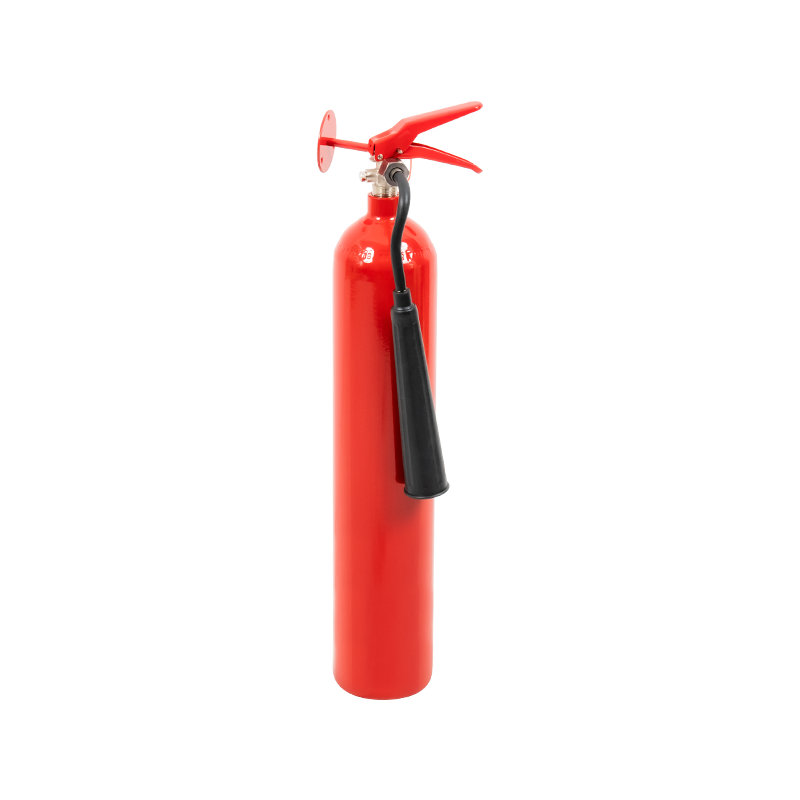
The 3kg portable steel fire extinguisher is a firefighting device designed to deal with all types of fires. Made of CK45 steel, it is sturdy and durab...
See Details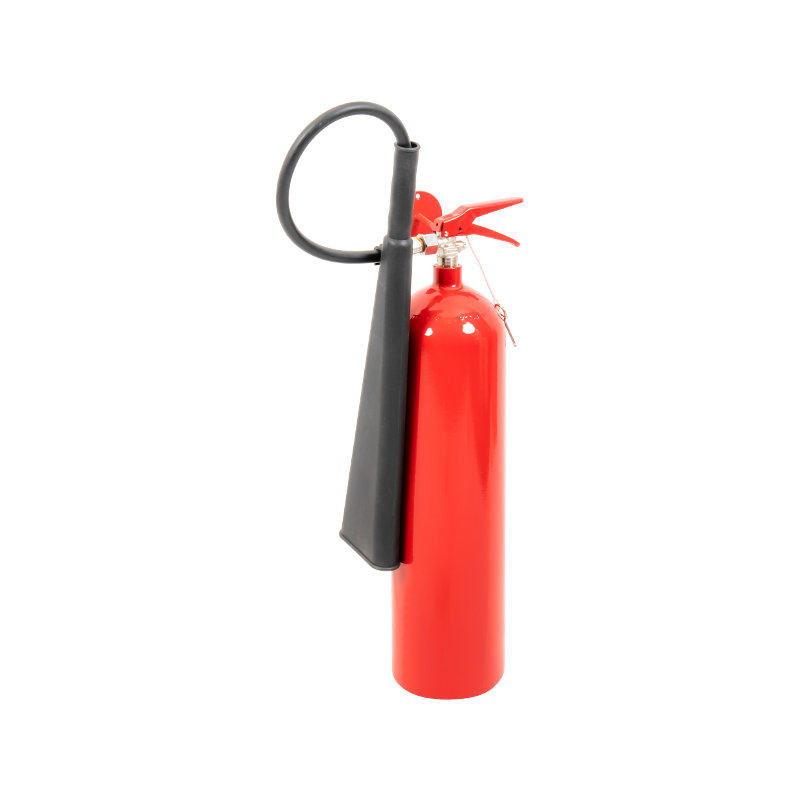
The 5kg CO2 CE extinguisher is suitable for a variety of applications, including in factories, production lines and warehouses. The 5kg CO2 extinguish...
See Details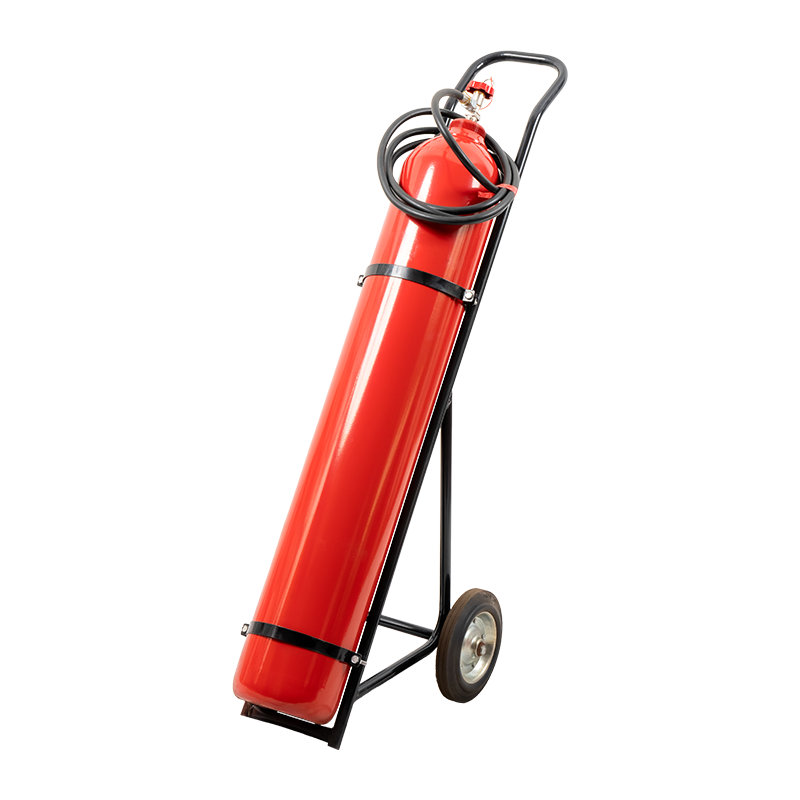
The 10KG Steel Cart-Mounted CO2 Fire Extinguisher is a portable firefighting tool consisting of a large steel cylinder with a capacity of 10kg CO2, mo...
See Details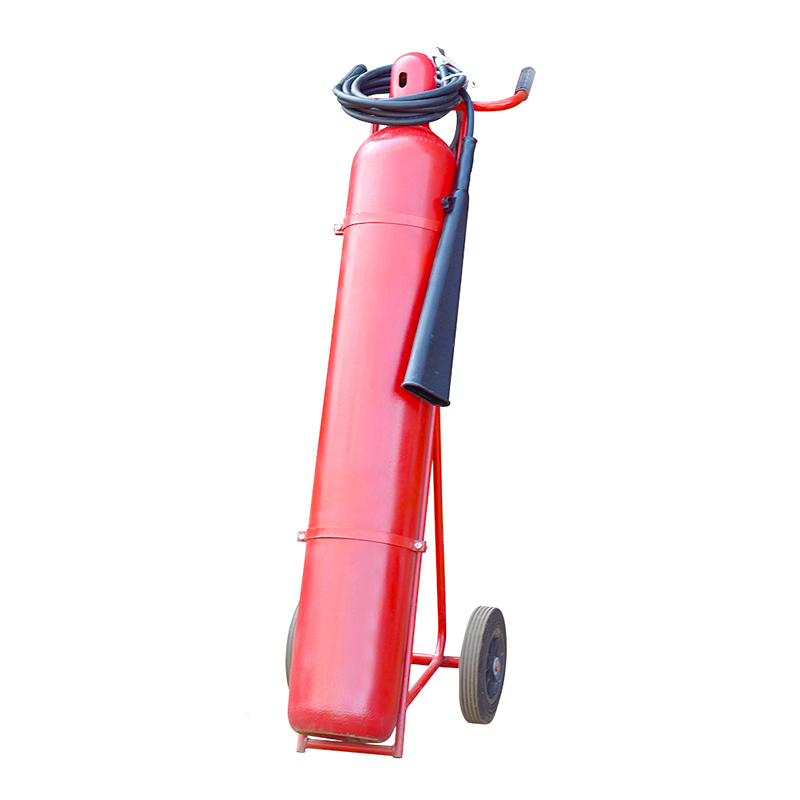
The 25kg trolley mobile fire extinguisher is a high-capacity fire-fighting equipment designed for large-scale fires. It has mechanical strength and co...
See Details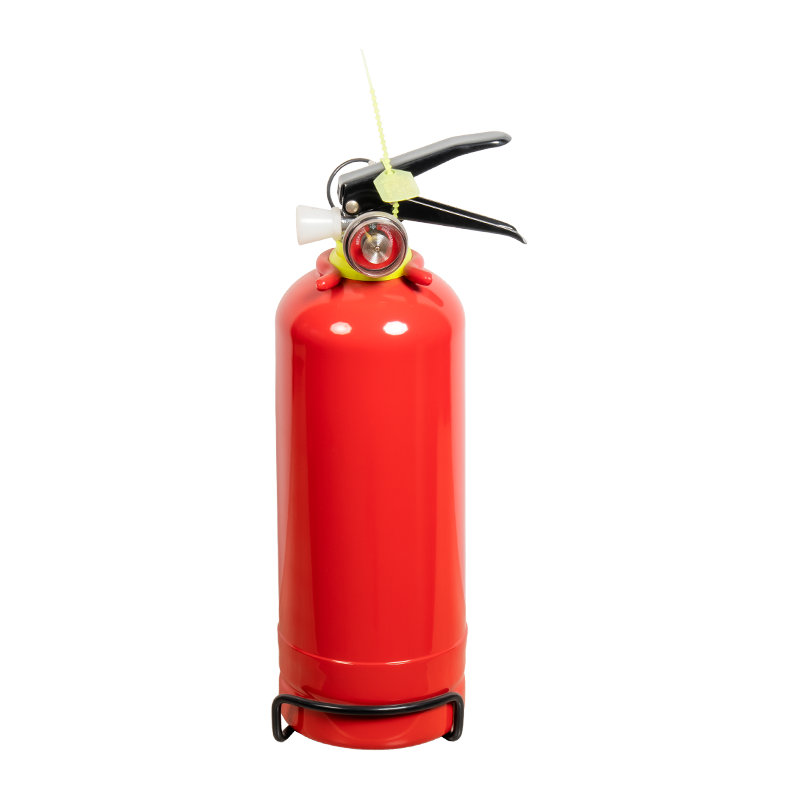
The 1kg portable dry powder fire extinguisher is a safety device used to put out small fires in emergency situations. Its outer shell is made of steel...
See Details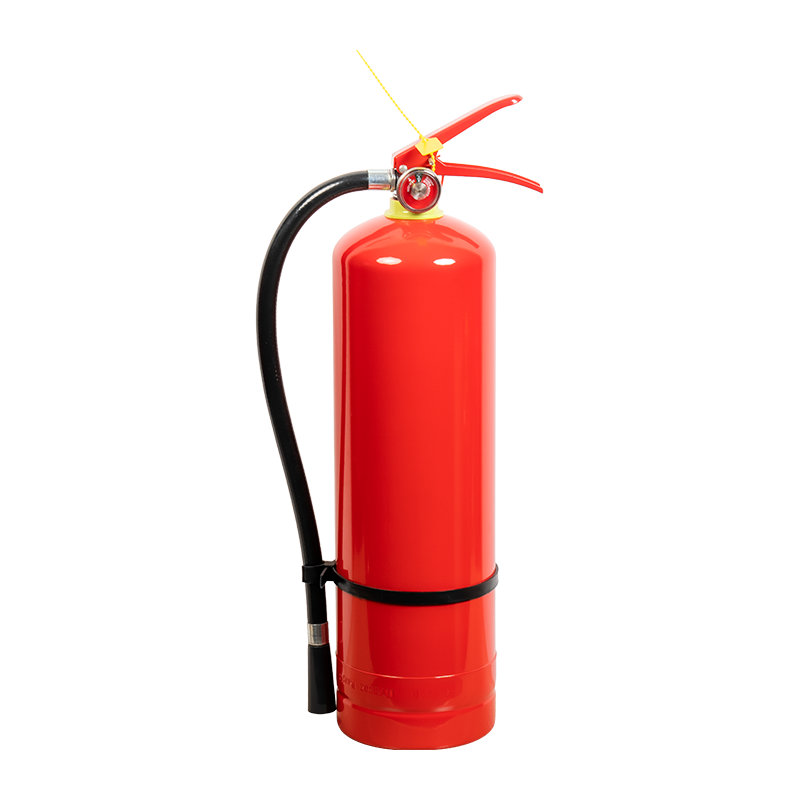
The 6kg stainless steel portable dry powder fire extinguisher is a fire extinguishing device suitable for extinguishing various small fires. Dry powde...
See Details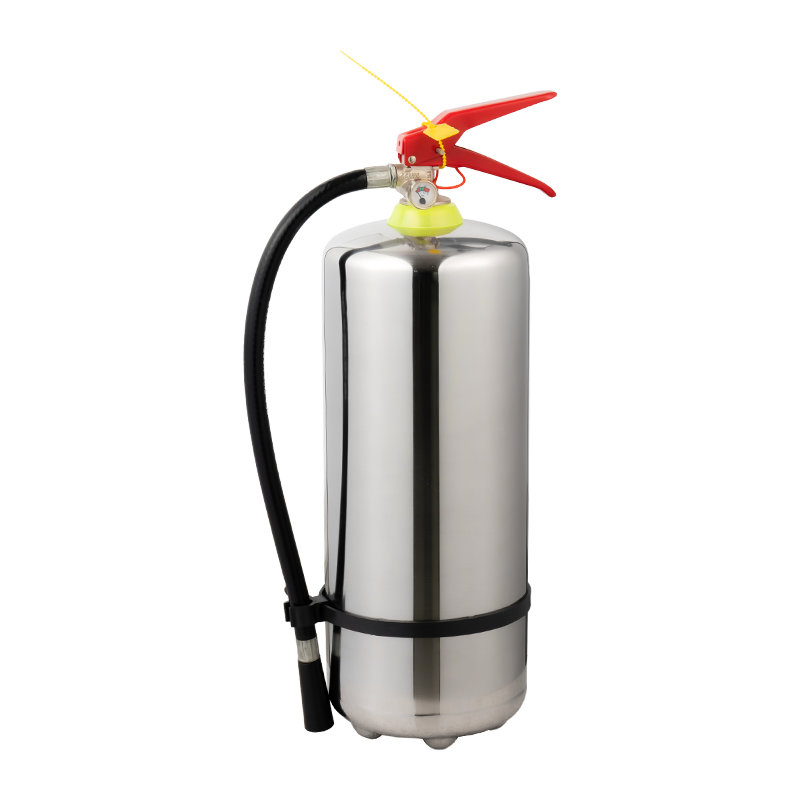
304 stainless steel 6L fire extinguisher is a professionally designed fire extinguishing equipment, made of high-quality SUS304 stainless steel materi...
See Details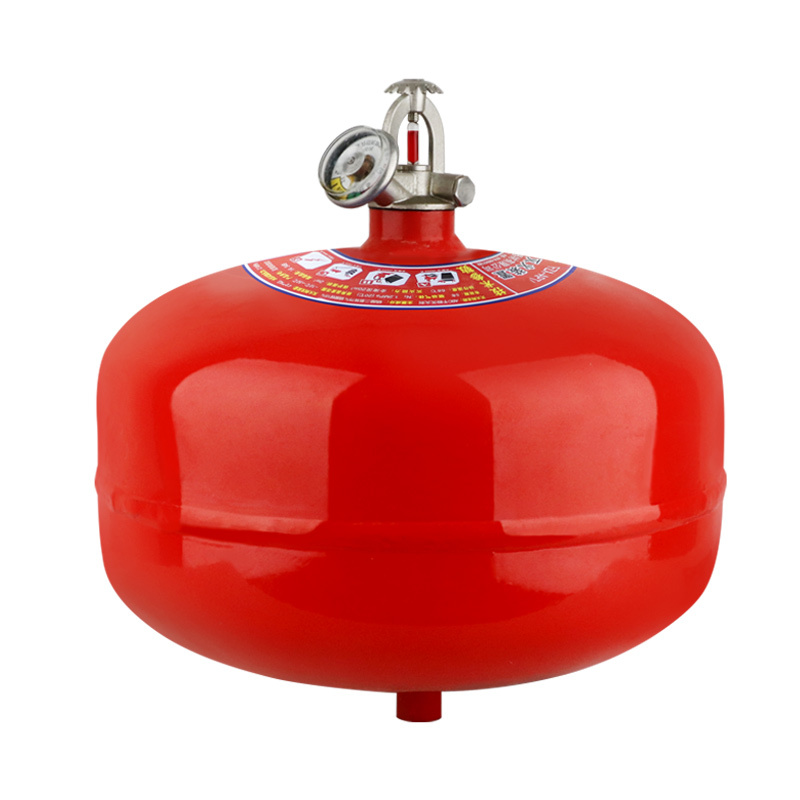
8KG hanging fire extinguisher can be installed on the wall or ceiling, fixed by hook or bracket, making it easy to quickly access and operate when nee...
See Details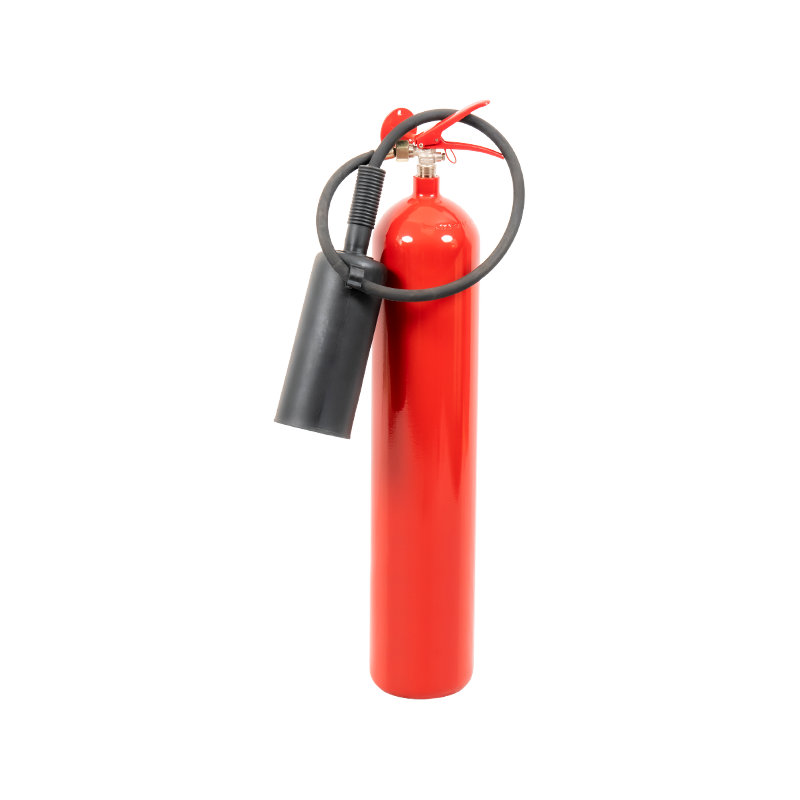
The 5kg fire-fighting carbon dioxide fire extinguisher can work in a wide temperature range, from -30˚C to +60˚C, to meet the firefighting needs in va...
See Details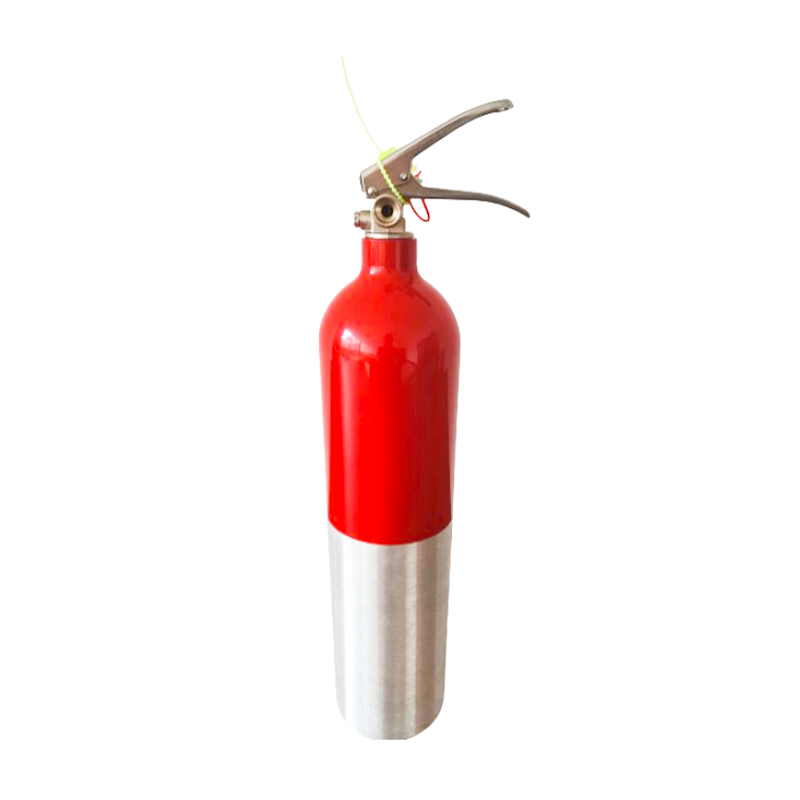
The 5KG portable aluminum fire extinguisher is an efficient and reliable fire extinguishing equipment suitable for fire protection needs in various in...
See Details
Zhejiang Yongshang Pressure Vessel Co., Ltd. was established in 2016. It is a modern enterprise integrating R&D, production and sales, specializing in the production of dry powder, carts, carbon dioxide fire extinguishers, seamless steel cylinders, and aluminum bottles.

+86 13857576559


Zhuhai Village, Gaibei Town, Shangyu District, Shaoxing City, Zhejiang Province, China
