 English
 عربى
عربى 中文简体
中文简体

3KG Portable Steel Fire Extinguisher(CK45/CE)
Cat:CO2 Fire Extinguisher (CK45/CE)
The 3kg portable steel fire extinguisher is a firefighting device designed to deal with all types of fires. Made of CK45 steel, it is sturdy and durab...
See Details
+86 13857576559
Internal Valve Mechanism
The internal mechanism of Gas Cylinder Valve, which includes the valve stem, seat, and sealing surfaces, is one of the most critical factors determining flow rate and pressure stability. The precision and tolerances of these components directly influence how smoothly gas can pass through the valve without turbulence or leakage. For instance, a poorly seated valve can allow micro-leaks, which reduces effective pressure downstream and compromises the flow consistency. In addition, the design of the internal channels and bore diameter dictates the maximum flow capacity. Valves intended for high-demand industrial applications are often engineered with larger bores or multi-channel flow paths to accommodate higher volumes without significant pressure drops. The valve’s internal geometry also affects how different gases, whether compressible like hydrogen or inert like nitrogen, behave as they move through the system, ensuring that the flow remains stable and predictable.
Pressure Control Features
Many Gas Cylinder Valves are designed to regulate or work in conjunction with regulators to ensure safe and consistent output pressure. The valve must withstand high inlet pressures, which for industrial gases can exceed several hundred bar, without deformation or leakage. Some valves feature integrated pressure relief mechanisms that automatically vent excess pressure if it exceeds the safe limit, protecting downstream equipment and maintaining a consistent flow rate. The sealing material and internal design are critical to achieving this function; high-precision seats prevent backflow and maintain a constant output pressure even as cylinder pressure fluctuates during use. This feature is particularly important for applications that require highly stable pressure, such as medical oxygen delivery, laboratory experiments, or precision welding operations.
Material Compatibility
The materials used in a Gas Cylinder Valve significantly influence both flow performance and pressure regulation, particularly in relation to the type of gas being used. Metals like brass or stainless steel provide high strength, corrosion resistance, and long-term durability, making them suitable for oxygen, acetylene, and other industrial gases. Polymers or elastomer seals may be required for corrosive gases such as ammonia or chlorine. Material expansion or contraction due to temperature fluctuations can impact the tightness of the seal, which in turn affects gas flow consistency and pressure stability. High-quality materials minimize these variations, ensuring that the valve maintains predictable behavior over repeated cycles of pressurization and depressurization, even under challenging environmental conditions.
Outlet and Connection Design
The external design of the valve, including the outlet port, nozzle shape, and type of connection threads, directly affects how the gas exits the cylinder and enters the downstream system. A well-designed outlet reduces turbulence, ensuring smooth and consistent flow. Adjustable orifices in some valves allow operators to fine-tune flow rates for specific applications, which is crucial in processes that require precise gas delivery. Connection design also plays a role in maintaining stable pressure; compatibility with regulators, hoses, or quick-connect fittings ensures that there is no unintended leakage or pressure loss at the interface. Properly engineered connections also reduce the risk of cross-threading or misalignment, which can compromise both safety and performance.
Valve Actuation Mechanism
The method by which a Gas Cylinder Valve is opened and closed, whether manually via a handwheel or lever, or automatically through solenoid or electronic actuation, affects both flow control precision and operational safety. Fine-threaded handwheels allow gradual opening, giving operators better control over flow rate and reducing the risk of sudden surges that could damage downstream equipment or cause unsafe conditions. Automated actuation systems provide precise and rapid control over gas delivery, which is especially important in laboratory, medical, or industrial automation applications where consistent pressure and flow are critical. The ergonomics and response of the actuation mechanism also impact how easily operators can manage the valve, influencing the overall efficiency and safety of the gas system.
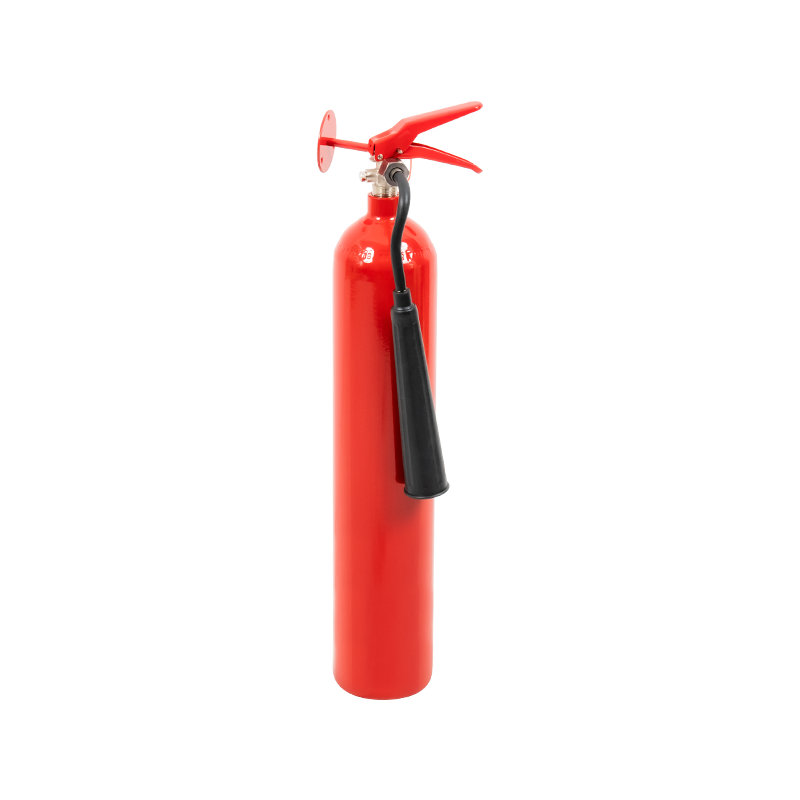
The 3kg portable steel fire extinguisher is a firefighting device designed to deal with all types of fires. Made of CK45 steel, it is sturdy and durab...
See Details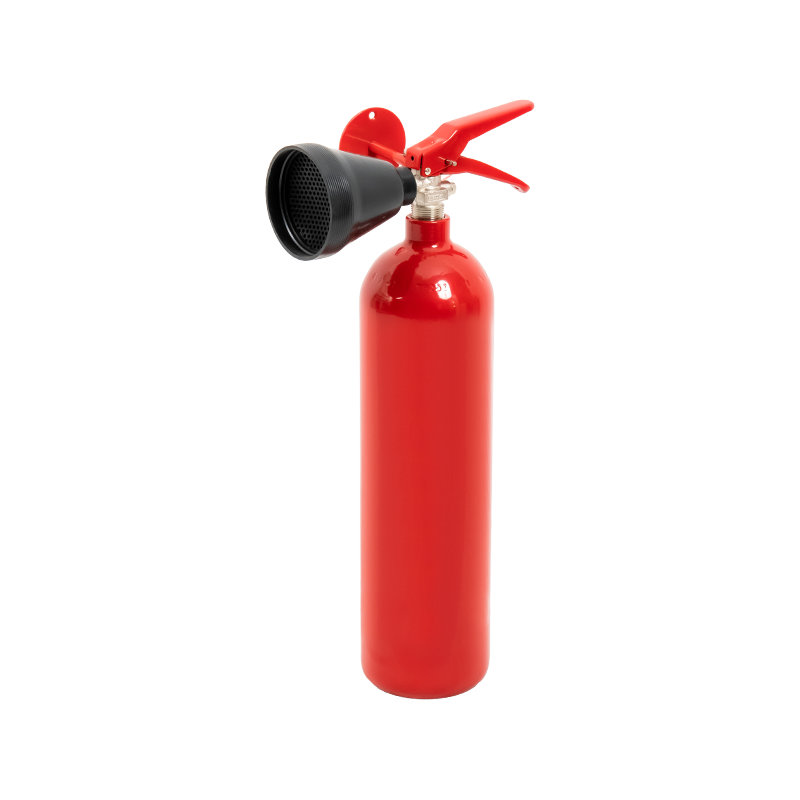
The 2kg portable CE fire extinguisher is a firefighting device designed for quick response and extinguishing of small fires. It is made of high-streng...
See Details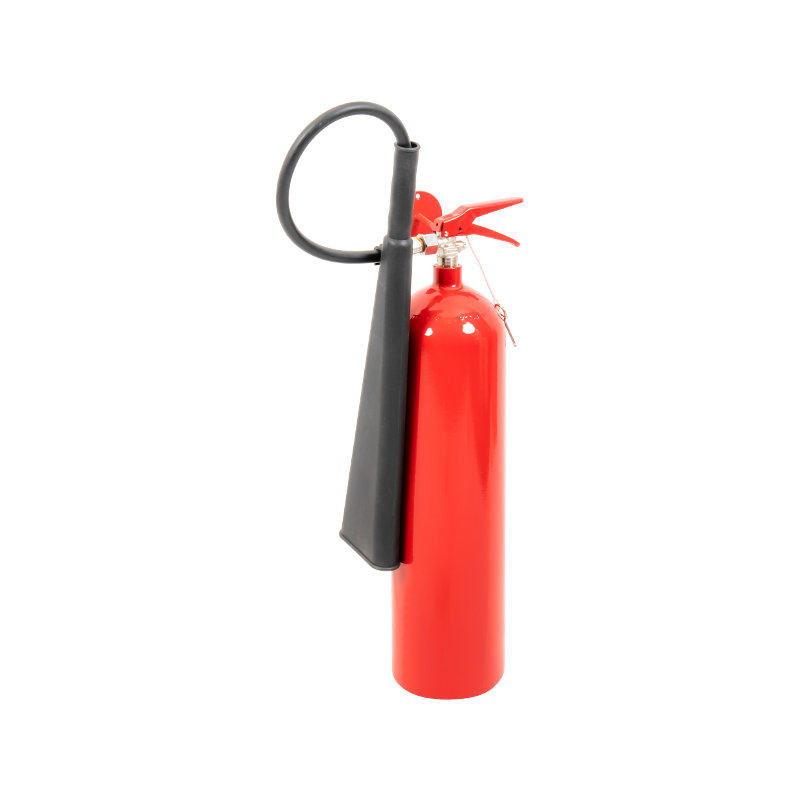
The 5kg CO2 CE extinguisher is suitable for a variety of applications, including in factories, production lines and warehouses. The 5kg CO2 extinguish...
See Details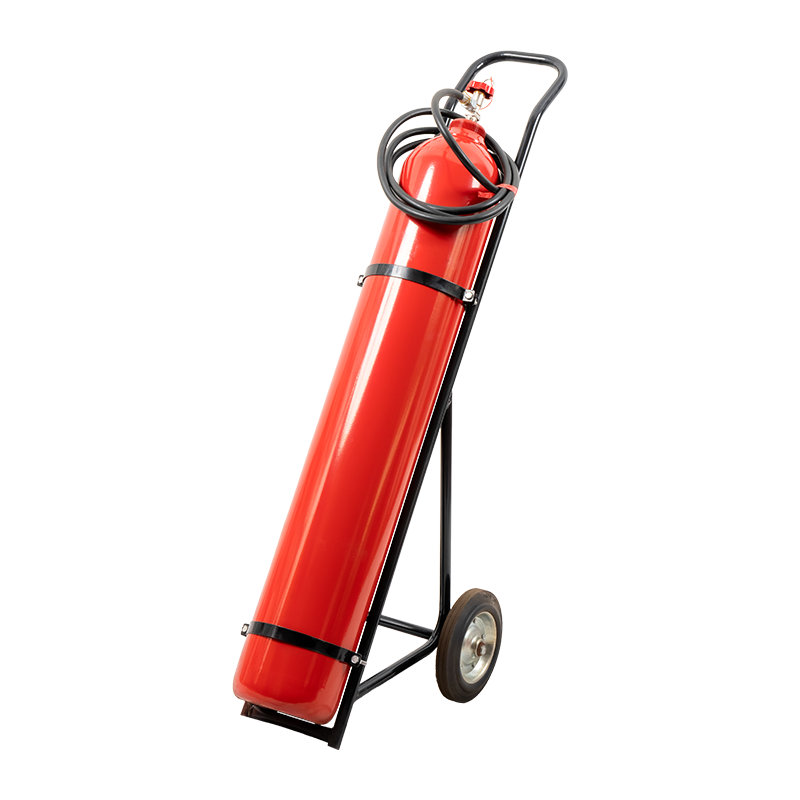
The 10KG Steel Cart-Mounted CO2 Fire Extinguisher is a portable firefighting tool consisting of a large steel cylinder with a capacity of 10kg CO2, mo...
See Details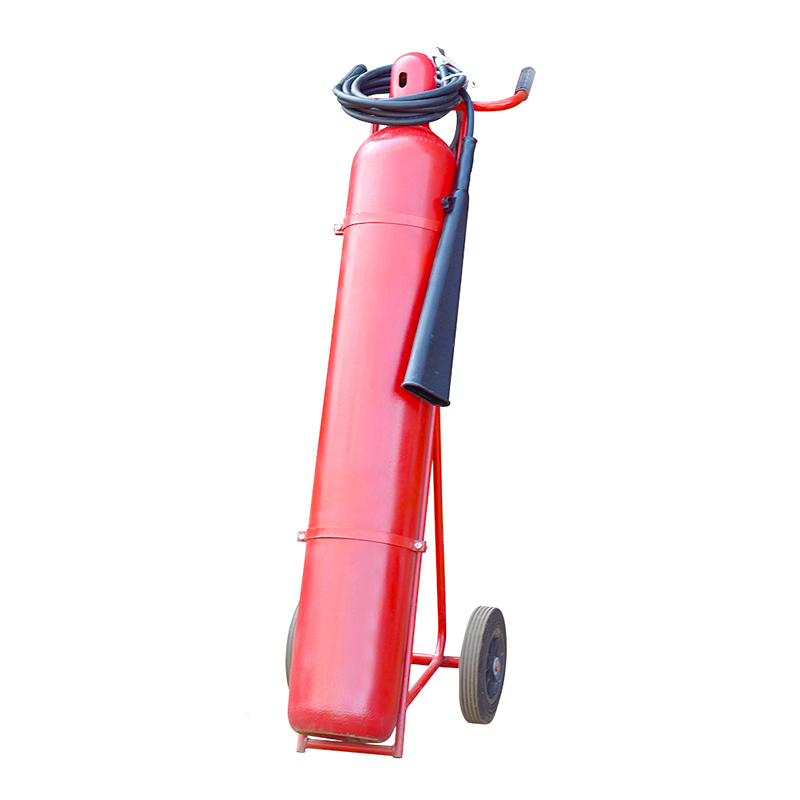
The 25kg trolley mobile fire extinguisher is a high-capacity fire-fighting equipment designed for large-scale fires. It has mechanical strength and co...
See Details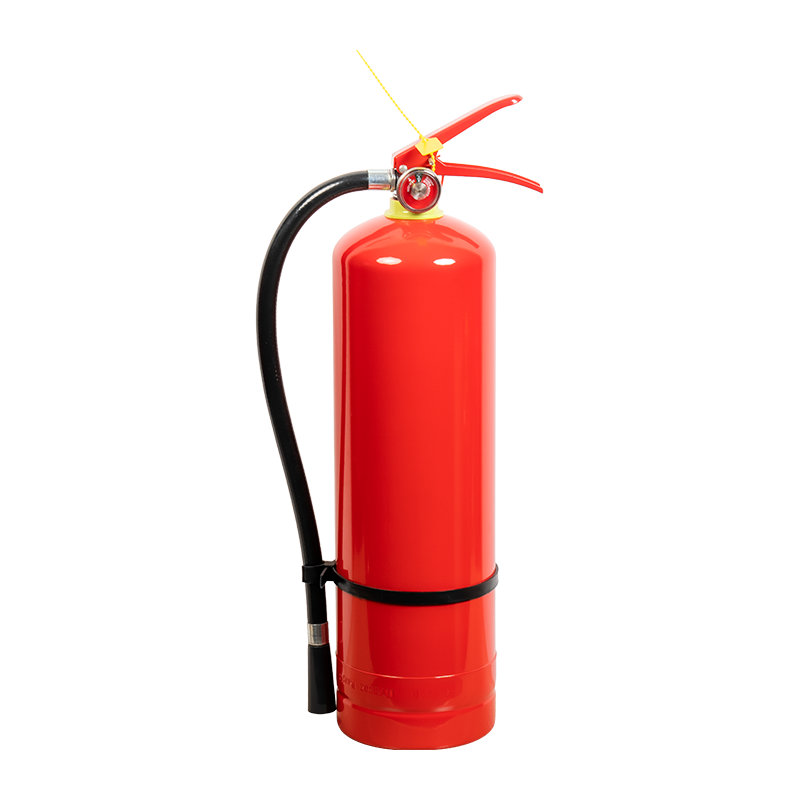
The 6kg stainless steel portable dry powder fire extinguisher is a fire extinguishing device suitable for extinguishing various small fires. Dry powde...
See Details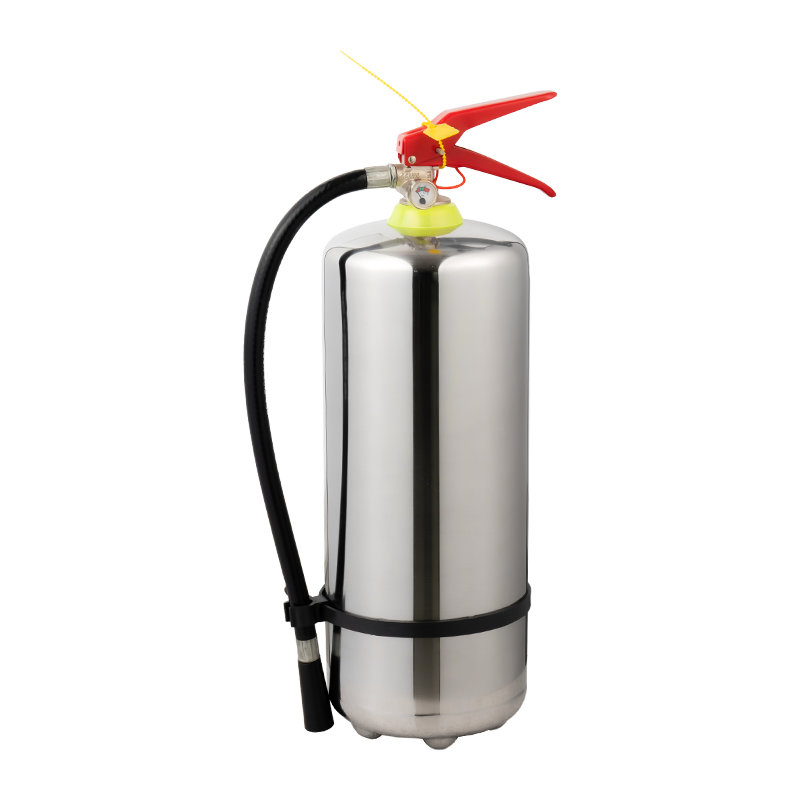
304 stainless steel 6L fire extinguisher is a professionally designed fire extinguishing equipment, made of high-quality SUS304 stainless steel materi...
See Details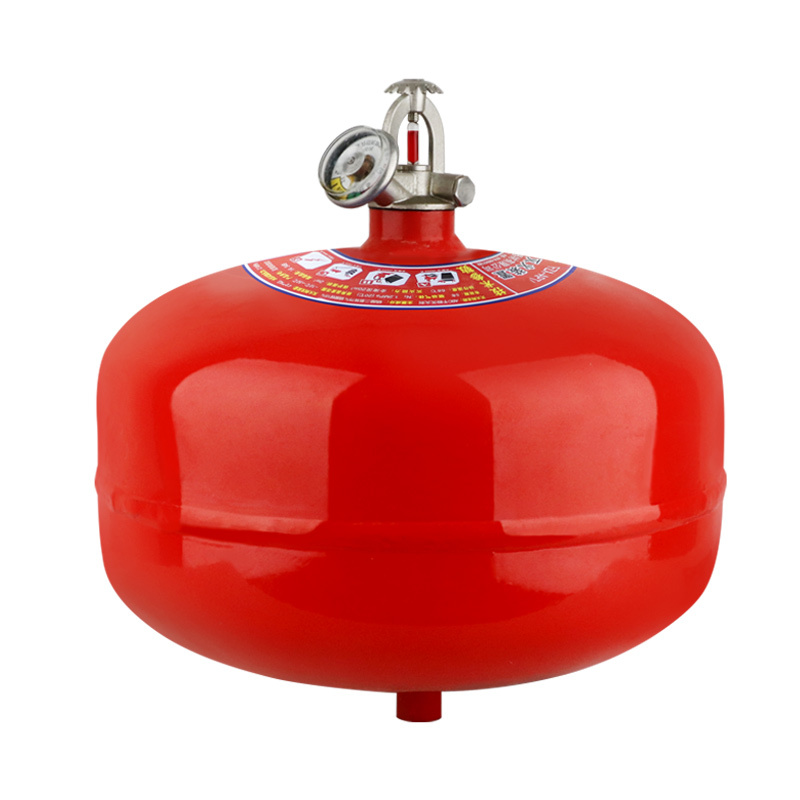
8KG hanging fire extinguisher can be installed on the wall or ceiling, fixed by hook or bracket, making it easy to quickly access and operate when nee...
See Details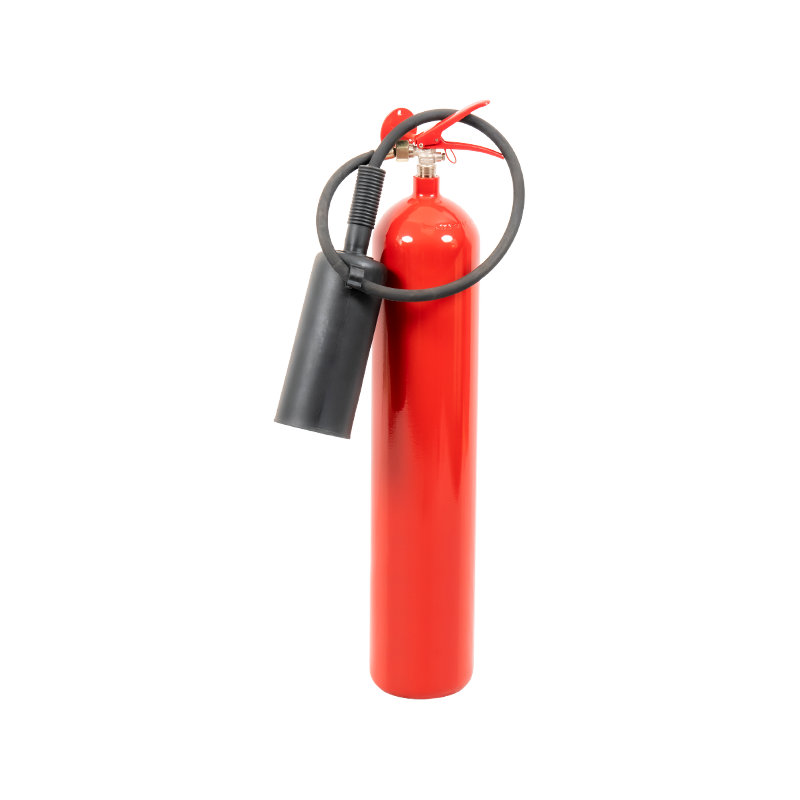
The 5kg fire-fighting carbon dioxide fire extinguisher can work in a wide temperature range, from -30˚C to +60˚C, to meet the firefighting needs in va...
See Details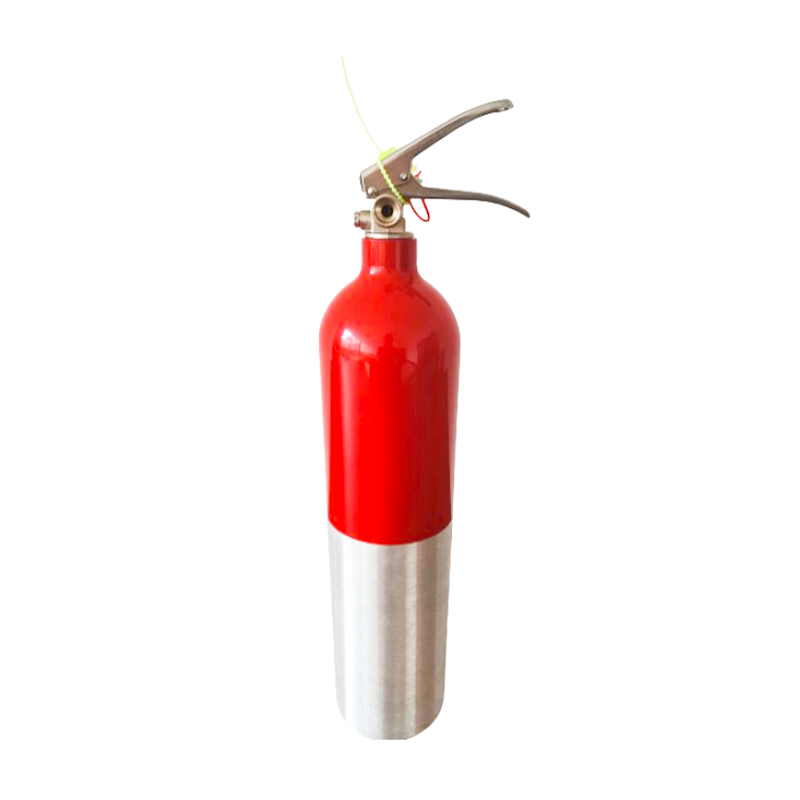
The 5KG portable aluminum fire extinguisher is an efficient and reliable fire extinguishing equipment suitable for fire protection needs in various in...
See Details
Zhejiang Yongshang Pressure Vessel Co., Ltd. was established in 2016. It is a modern enterprise integrating R&D, production and sales, specializing in the production of dry powder, carts, carbon dioxide fire extinguishers, seamless steel cylinders, and aluminum bottles.

+86 13857576559


Zhuhai Village, Gaibei Town, Shangyu District, Shaoxing City, Zhejiang Province, China
