 English
 عربى
عربى 中文简体
中文简体

3KG Portable Steel Fire Extinguisher(CK45/CE)
Cat:CO2 Fire Extinguisher (CK45/CE)
The 3kg portable steel fire extinguisher is a firefighting device designed to deal with all types of fires. Made of CK45 steel, it is sturdy and durab...
See Details
+86 13857576559
The DCP Fire Extinguisher is particularly effective in confined or enclosed areas due to the rapid chemical action of its dry powder agent. The extinguishing powder is designed to interrupt the chemical chain reaction of combustion immediately upon contact, smothering flames quickly and minimizing fire spread. In confined spaces such as engine rooms, electrical enclosures, warehouses, or residential areas, the short discharge range and concentrated powder stream enable operators to reach fires without oversaturating the area or causing water-related damage, which can occur with water-based extinguishers. The non-conductive nature of the dry chemical allows safe use on electrical fires (Class C), which are commonly present in enclosed areas with wiring or energized equipment. However, confined spaces may have limited ventilation, so operators must ensure a clear exit route and consider the effects of powder accumulation on visibility and respiratory safety. Proper post-use ventilation is recommended to prevent inhalation hazards and reduce residue buildup on sensitive surfaces.
Using a DCP Fire Extinguisher outdoors introduces variables such as wind, open airflow, and environmental dispersal of the powder. High-quality DCP extinguishers address these challenges with pressurized discharge systems that maintain a steady powder flow and sufficient velocity to reach flames even in moderately windy conditions. The fine particle size and cohesive properties of the dry powder enable it to adhere to combustible surfaces, effectively smothering flames from solid fuels, flammable liquids, or gaseous leaks. The powder’s rapid suppression capability allows it to reduce the fire’s intensity before it spreads, which is critical in open fields, industrial yards, or fuel storage areas. Users should ideally position themselves upwind of the fire to ensure the powder reaches the target flames and does not drift away, maximizing efficiency and minimizing powder wastage.
In strong wind or gusty conditions, the efficacy of a DCP Fire Extinguisher can be challenged because airborne powder may disperse before contacting the fire. To mitigate this, operators should use controlled sweeping motions, keeping the nozzle low and close to the fire source. Many modern DCP extinguishers are equipped with nozzle design features and adjustable discharge valves that allow the powder stream to be concentrated for improved targeting. In scenarios involving sustained high-wind exposure, such as industrial sites or outdoor storage yards, multiple extinguishers may be deployed simultaneously, or the DCP extinguisher may be used in combination with other fire suppression tools. Proper deployment techniques are critical to ensure that the fire is effectively suppressed despite environmental challenges.
While DCP extinguishers are highly versatile, user safety is paramount, especially in confined or high-wind environments. In confined spaces, the powder can reduce visibility and create respiratory irritation, so operators should always maintain clear access to an exit route and avoid inhaling the agent. In outdoor, windy conditions, the powder may blow back toward the operator, making protective gear such as respiratory masks, eye protection, gloves, and long-sleeved clothing essential. The powder can also leave residue on skin, clothing, or equipment, so post-use cleaning is recommended. Training in proper stance, nozzle control, and safe positioning ensures effective fire suppression while minimizing risk to personnel.
The dry chemical powder in the DCP Fire Extinguisher is formulated for rapid thermal absorption, chemical chain interruption, and flame smothering, making it highly effective across diverse conditions. In confined spaces, the powder spreads quickly over the fire, coating surfaces and halting combustion efficiently. Outdoors, the cohesive nature of the particles helps counteract dispersion due to wind, and the pressurized discharge ensures adequate penetration of flames. For high-wind applications, correct nozzle manipulation and multiple deployment points can ensure coverage of the fuel source. These characteristics make the DCP Fire Extinguisher suitable for Class A (solids), Class B (liquids), and Class C (electrical) fires, providing versatility across multiple environments.
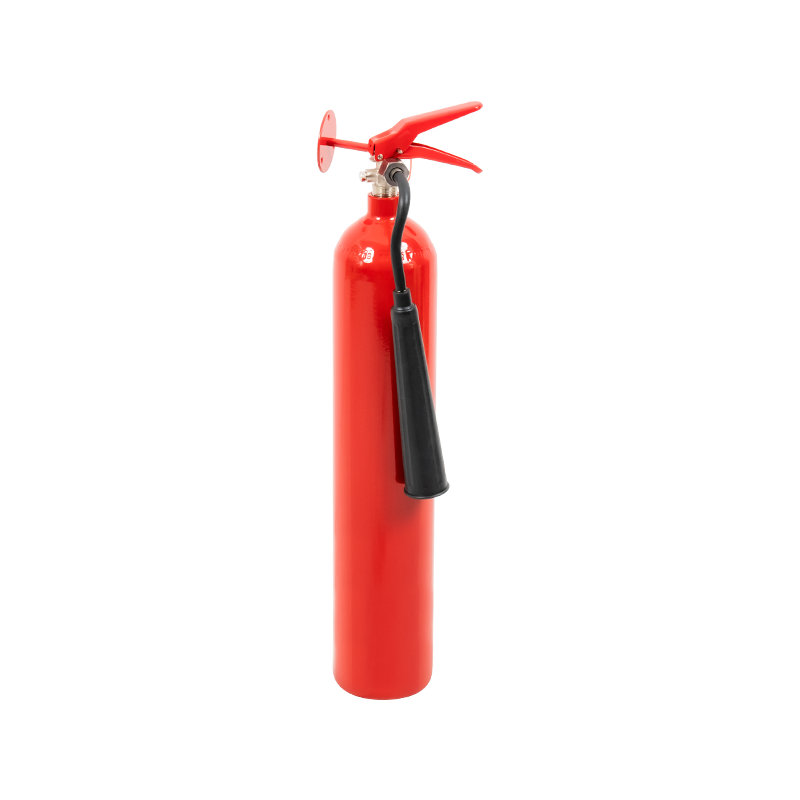
The 3kg portable steel fire extinguisher is a firefighting device designed to deal with all types of fires. Made of CK45 steel, it is sturdy and durab...
See Details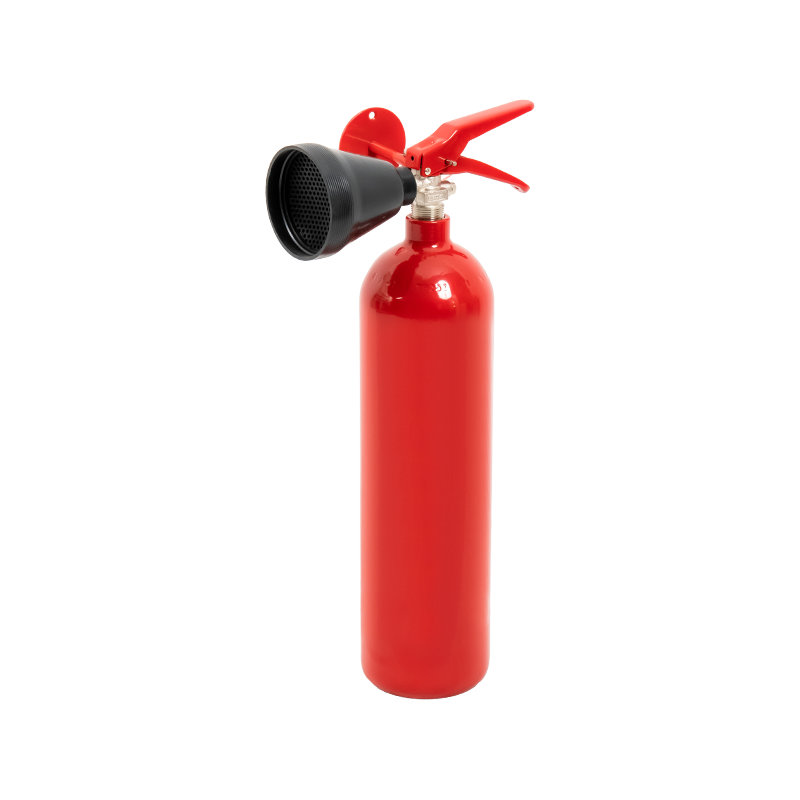
The 2kg portable CE fire extinguisher is a firefighting device designed for quick response and extinguishing of small fires. It is made of high-streng...
See Details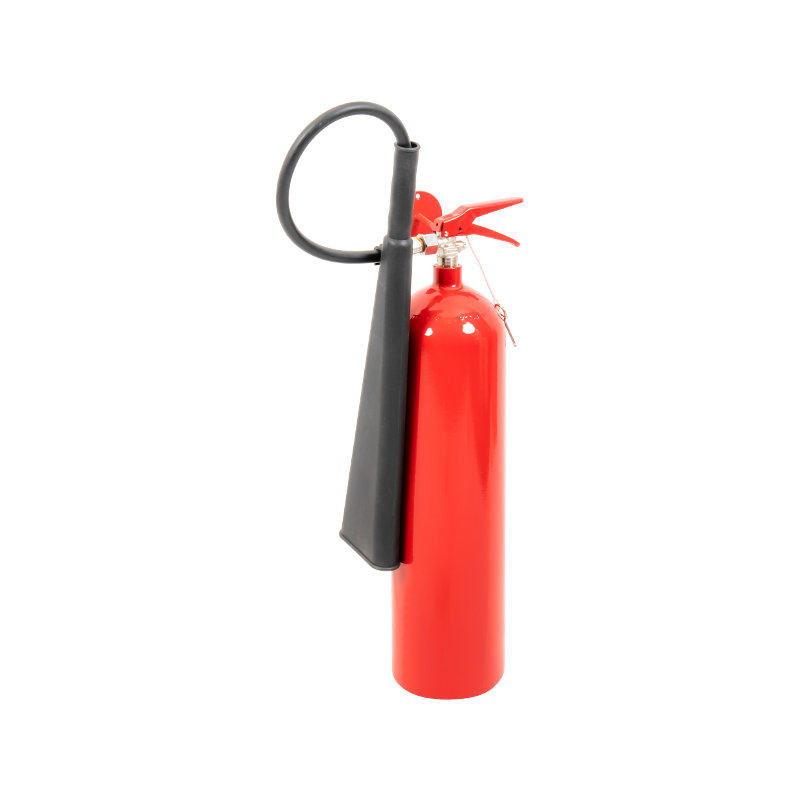
The 5kg CO2 CE extinguisher is suitable for a variety of applications, including in factories, production lines and warehouses. The 5kg CO2 extinguish...
See Details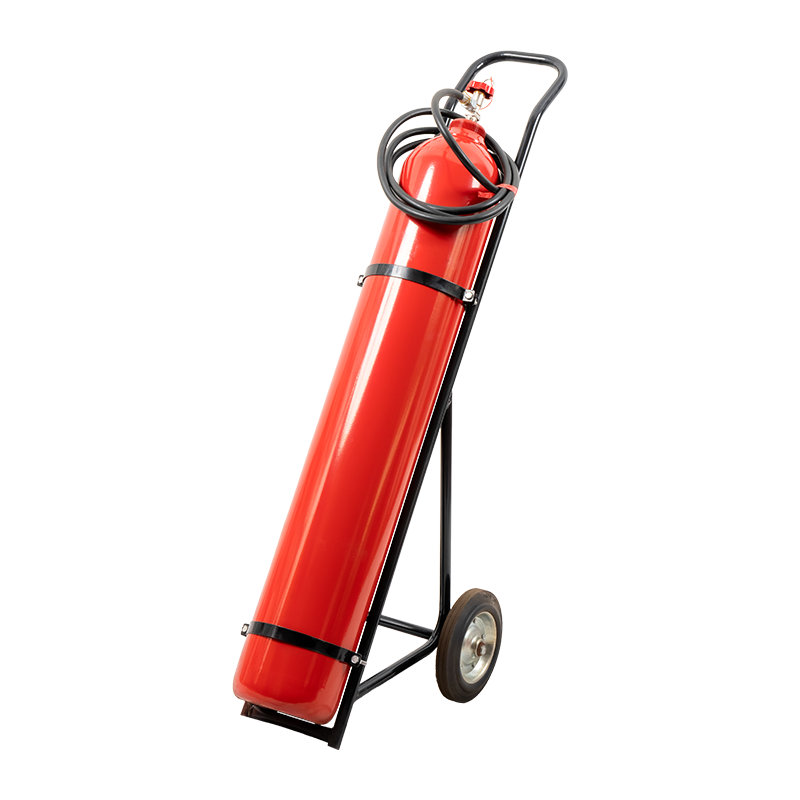
The 10KG Steel Cart-Mounted CO2 Fire Extinguisher is a portable firefighting tool consisting of a large steel cylinder with a capacity of 10kg CO2, mo...
See Details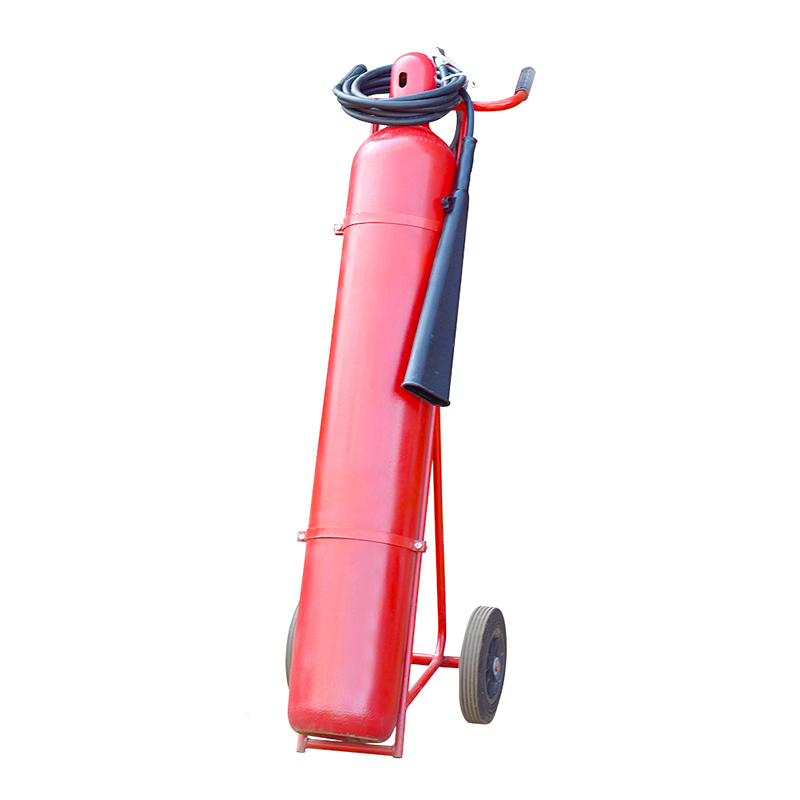
The 25kg trolley mobile fire extinguisher is a high-capacity fire-fighting equipment designed for large-scale fires. It has mechanical strength and co...
See Details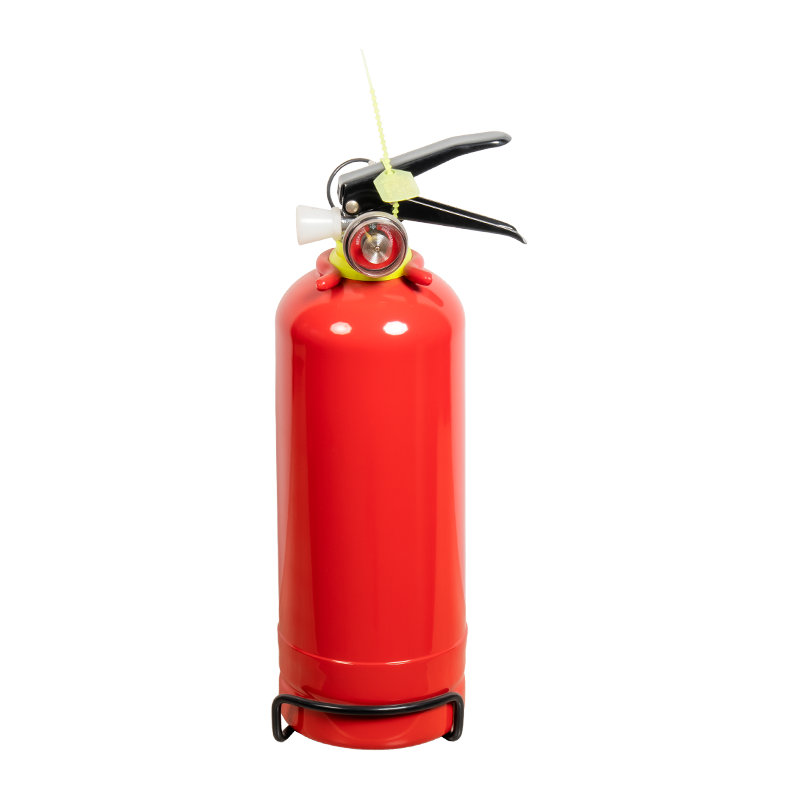
The 1kg portable dry powder fire extinguisher is a safety device used to put out small fires in emergency situations. Its outer shell is made of steel...
See Details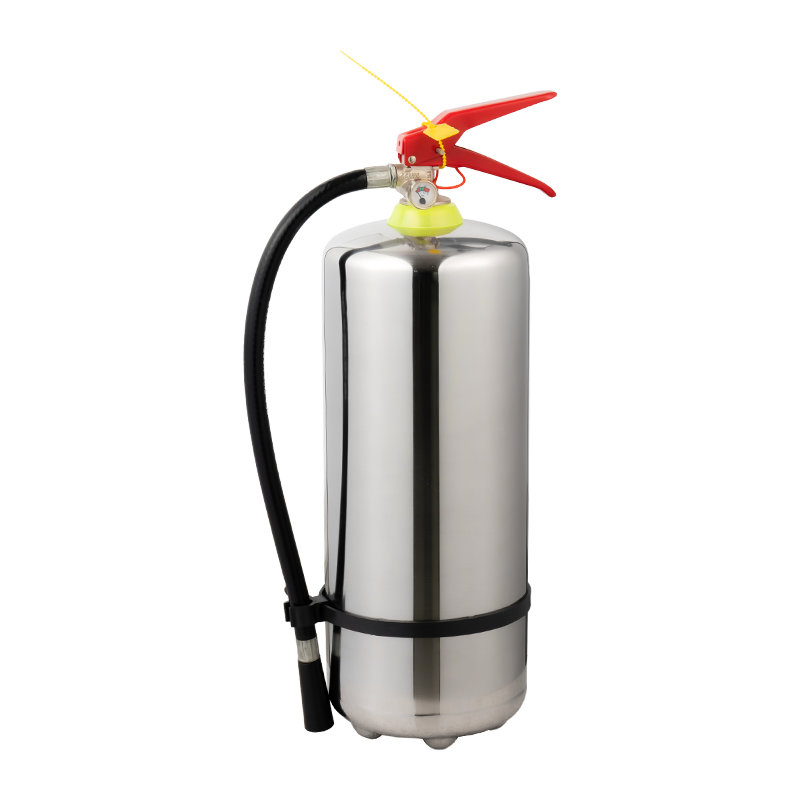
304 stainless steel 6L fire extinguisher is a professionally designed fire extinguishing equipment, made of high-quality SUS304 stainless steel materi...
See Details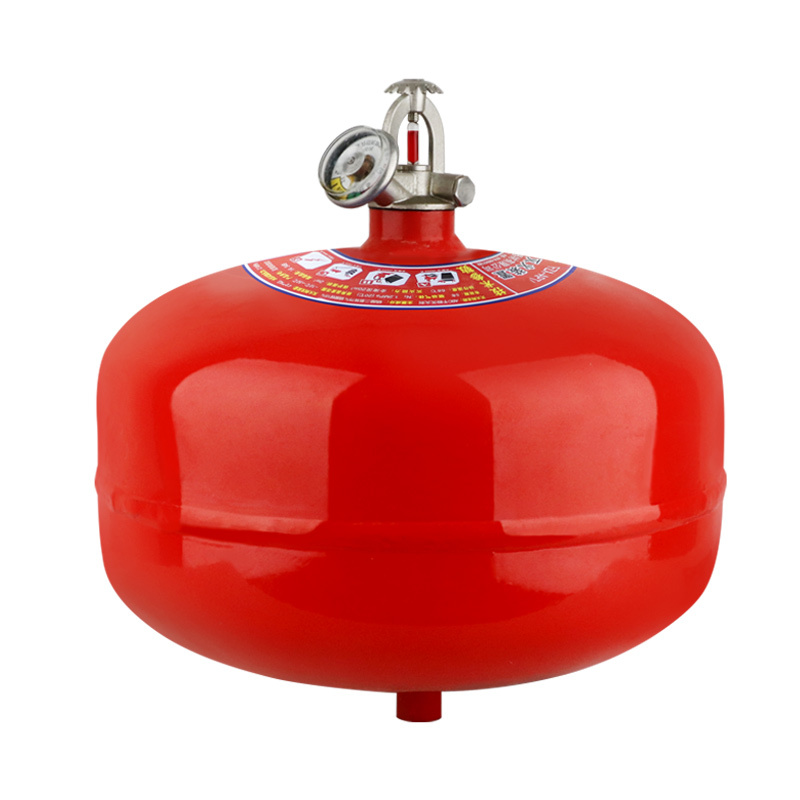
8KG hanging fire extinguisher can be installed on the wall or ceiling, fixed by hook or bracket, making it easy to quickly access and operate when nee...
See Details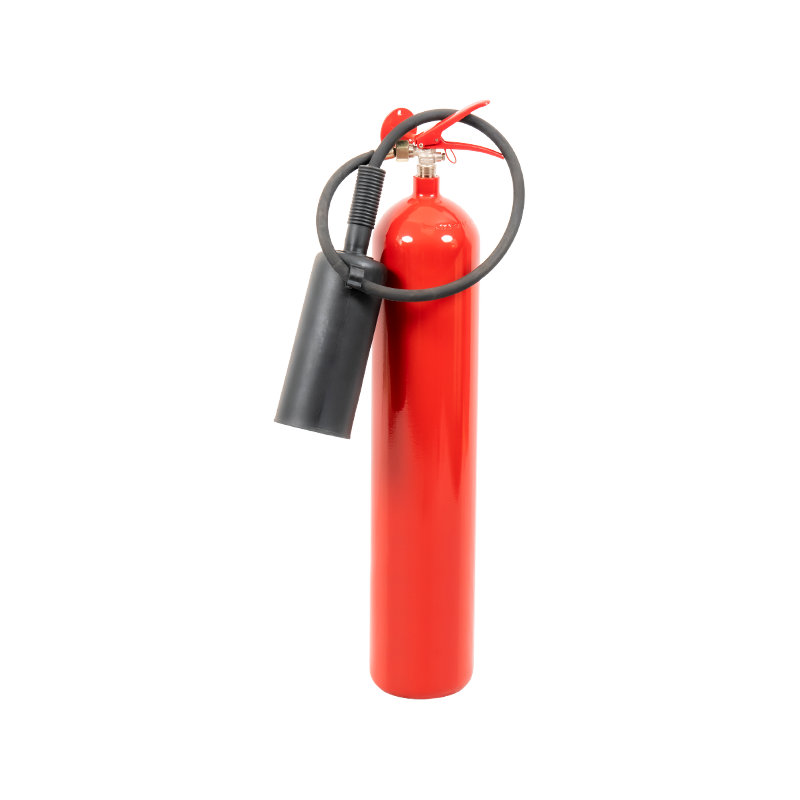
The 5kg fire-fighting carbon dioxide fire extinguisher can work in a wide temperature range, from -30˚C to +60˚C, to meet the firefighting needs in va...
See Details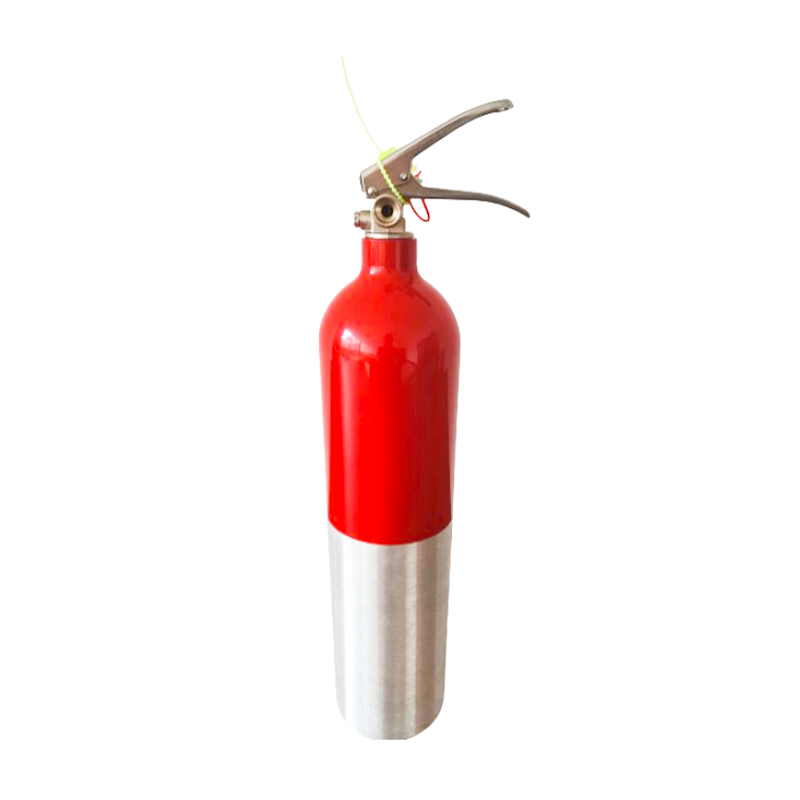
The 5KG portable aluminum fire extinguisher is an efficient and reliable fire extinguishing equipment suitable for fire protection needs in various in...
See Details
Zhejiang Yongshang Pressure Vessel Co., Ltd. was established in 2016. It is a modern enterprise integrating R&D, production and sales, specializing in the production of dry powder, carts, carbon dioxide fire extinguishers, seamless steel cylinders, and aluminum bottles.

+86 13857576559


Zhuhai Village, Gaibei Town, Shangyu District, Shaoxing City, Zhejiang Province, China
