 English
 عربى
 中文简体


3KG Portable Steel Fire Extinguisher(CK45/CE)
Cat:CO2 Fire Extinguisher (CK45/CE)
The 3kg portable steel fire extinguisher is a firefighting device designed to deal with all types of fires. Made of CK45 steel, it is sturdy and durab...
See Details
+86 13857576559
The first thing most people notice is the frost. A thin white cloud rolls off the horn, the metal sweats, and the nozzle suddenly looks like it has been pulled out of a freezer. That small piece of theatre is the whole story of a carbon dioxide extinguisher in miniature.
Fire extinguishers are usually expected to spray something wet or powdery. A CO2 unit does the opposite. It releases a gas that has spent its whole life inside the cylinder pretending to be a liquid, and the moment that gas is allowed to expand, two things happen at once: it chills everything nearby and it floods the space where oxygen used to be.
This guide walks through the cylinder, the valve and the nozzle in plain language, explains why the discharge turns white and cold, and shows which materials should never meet that stream.
A CO2 extinguisher is not a bottle of compressed air. Inside the cylinder, carbon dioxide sits as a saturated liquid-vapour mixture, and at normal room temperature that mixture pushes at roughly 55 to 60 bar. The pressure is not fixed by how much was filled in; it follows the temperature. A cylinder carried from a cold depot into a warm workshop will settle at a different pressure without anything being added or removed.
Cylinders are deliberately never filled to the brim. About a third of the internal volume is left as headspace so the contents have somewhere to go when the ambient temperature rises. A dip tube runs from the bottom of the bottle up into the valve, which means the valve draws liquid rather than gas when the handle is squeezed.
That is also why CO2 cylinders are checked by weighing rather than by glancing at a gauge. A gauge only tells you the pressure of the saturated mixture, which stays stubbornly constant while the contents quietly disappear. Mass tells the truthful story.
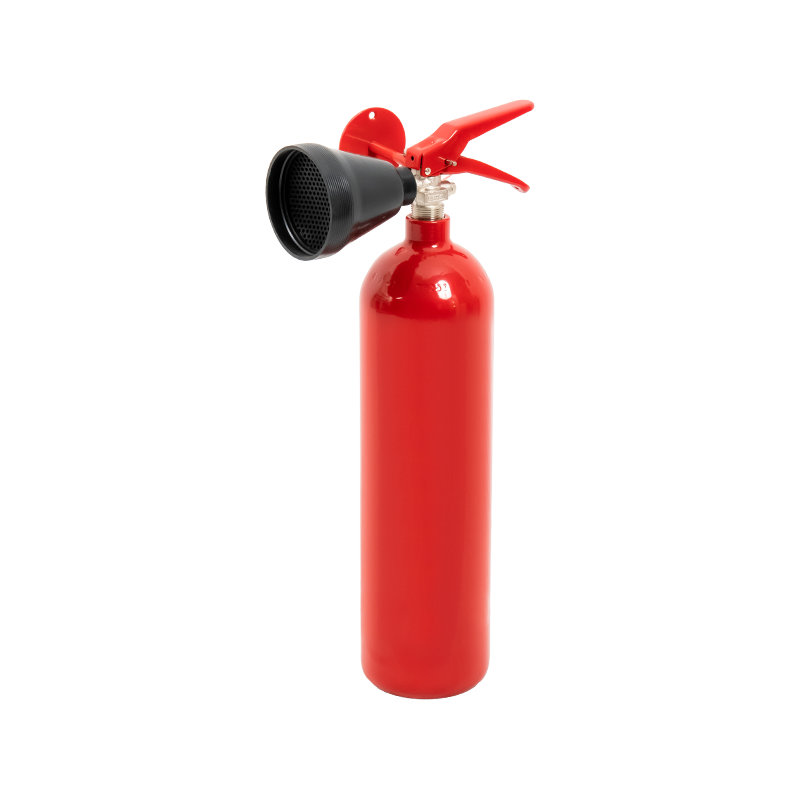 CO2 Fire Extinguishers in Portable and Trolley SizesBrowse portable and trolley CO2 extinguishers from 1.3KG to 45KG, with steel and aluminum options for residue-free, non-conductive fire suppression.View Product →
When the liquid leaves the nozzle, it drops from more than 50 bar to atmospheric pressure in a fraction of a second. There is simply no time to draw heat from the surrounding air, so the energy has to come from somewhere else: from the carbon dioxide itself. Part of the liquid boils away, and part of it freezes into microscopic solid particles, effectively dry ice at roughly minus 78 degrees Celsius.
That is the source of the frost. The cold stream strips heat from the horn and nozzle, and the water vapour already present in the air condenses onto those chilly surfaces. The white plume you see is mostly condensed water, not carbon dioxide. The gas itself is invisible, which is exactly why it needs those suspended ice crystals to announce its presence.
The chill is not a feature bolted on to the extinguisher. It is the signature of a pressurised liquid returning to the state it prefers.
Thermodynamics gives the effect its proper name and its full explanation, but the practical version is simple enough: the gas does not arrive already cold. It makes itself cold by expanding, and everything in contact with it pays the heat bill.
Carbon dioxide puts out fire through a combination rather than a single trick. The first job is displacement. CO2 is about one and a half times as heavy as air, so it sinks and settles around the fuel rather than drifting away. As the concentration of oxygen in that pocket falls, combustion can no longer be sustained.
The second job is heat removal. The expanding gas and the frozen particles pull energy out of the burning material, dropping the surface temperature and limiting how much flammable vapour the fuel can keep producing.
| Effect | Mechanism | What you notice |
|---|---|---|
| Displaces oxygen | A heavy gas cloud settles around the fuel surface | Flames weaken and drop |
| Absorbs heat | Expanding gas and dry-ice particles take energy from the fuel | Surfaces cool quickly |
| Leaves nothing behind | The gas disperses into the air once it warms | No powder, no water, no residue |
Both effects are temporary. CO2 does not soak into anything the way water does, and once the gas disperses the atmosphere returns to normal. That is a blessing in a server room and a limitation in a stack of smouldering cardboard.
The chill matters far more for people than for property. Within a couple of seconds of discharge the horn can sit dozens of degrees below zero, and bare skin touching that metal will stick and burn. The handle of a well-made unit is designed to be held; the horn is not.
Electronic equipment, on the other hand, comes through the experience remarkably well. Carbon dioxide is non-conductive and completely dry, so it leaves no moisture behind to corrode contacts and no powder to clog cooling fans. This is why data halls, laboratories, museums and electrical cabinets tend to be stocked with CO2 rather than dry powder.
Oil and fat are the awkward exception. Directing a cold, high-velocity jet into a pan of burning cooking oil throws the fuel outward and can spread the fire across the kitchen. Fat fires want a dedicated wet chemical agent, not a gas blast.
Used in the right setting, a CO2 extinguisher is fast, clean and remarkably gentle on the surroundings.
Other situations call for a different tool altogether.
In an unventilated room, carbon dioxide can knock out the oxygen long before the fire is fully out. Treat the space as unsafe until it has been aired and tested.
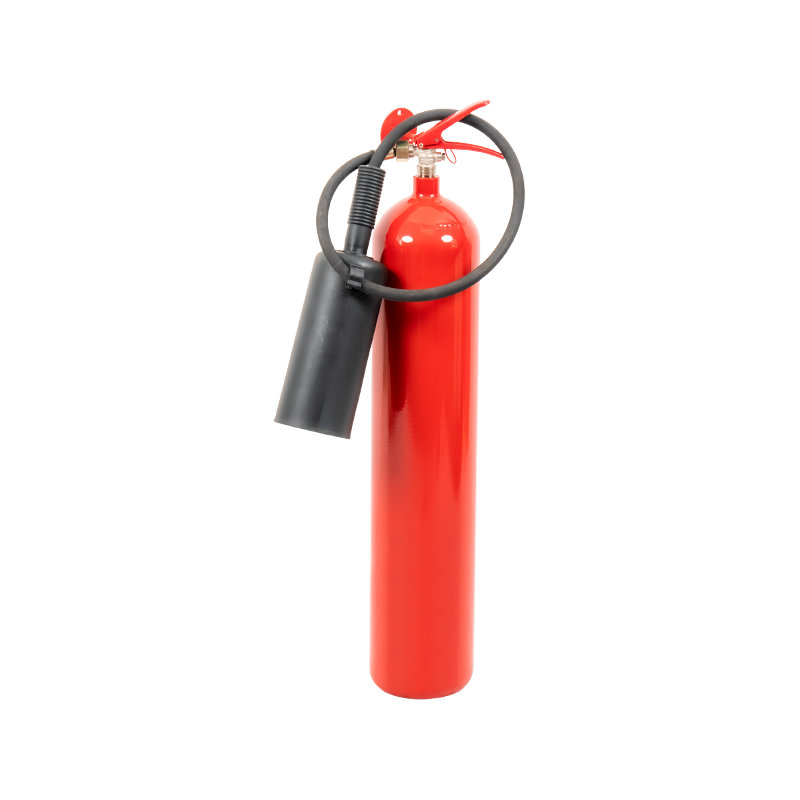 5KG Steel Portable CO2 Fire Extinguisher, CustomizableA customizable CK45 steel unit for Class B and electrical fires, rated -30°C to +60°C and built to leave no residue.View Product →
A CO2 extinguisher is spent in seconds rather than minutes. A close look at how high-pressure CO2 keeps every second counting makes the point well: the whole design is built around delivering a decisive burst, not a long soak. That means technique matters more than muscle.
A CO2 cylinder does not run out gradually in the way people expect. Pressure holds steady until the liquid is gone, then falls away. Weigh the unit on a schedule instead of trusting a gauge.
Stored upright in a cool, dry place and checked by weight every six months, a quality CO2 extinguisher will sit quietly for years and still deliver on the day it is needed.
Behind that dramatic white plume sits a surprisingly modest piece of engineering. The journey from liquid to vapour is shaped almost entirely by small components that rarely get a second glance.
Small differences in valve bore, spring tension and horn angle change the character of the discharge entirely. A well-matched combination produces an even, controllable cloud; a mismatched one produces turbulence, wasted agent and a much shorter useful window.
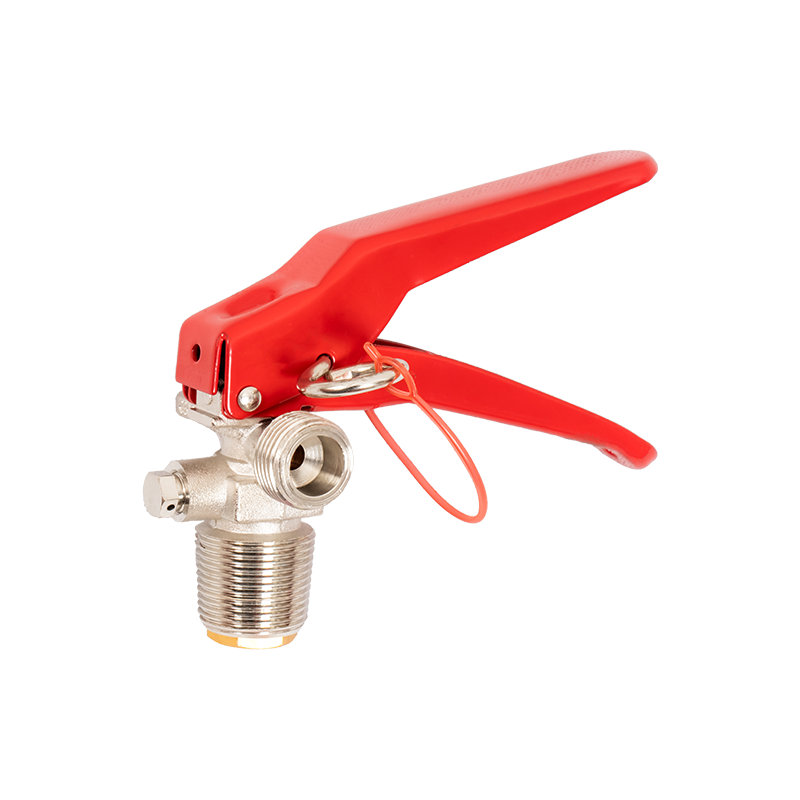 OEM/ODM CO2 Fire Extinguisher ValveA controllable high-pressure CO2 valve for extinguishers, suited to data centers, industrial plants and marine environments where residue-free discharge matters.View Product →
It does not manufacture cold from nothing. It simply releases a liquid that has been held under pressure, and lets physics run its course. As the carbon dioxide expands into the open air, it vaporises, partly freezes and absorbs heat from itself and from everything nearby. Metal frosts over, water vapour condenses into a pale cloud, and the burning surface loses the energy it needed to keep producing flammable gas.
The cold is a by-product, but a useful one: it signals that the gas is arriving exactly where it should, and it contributes to the cooling side of extinguishment. The real work, though, is displacement. Once the oxygen around the fuel is pushed aside and the heat is pulled away, the fire has nothing left to feed on.
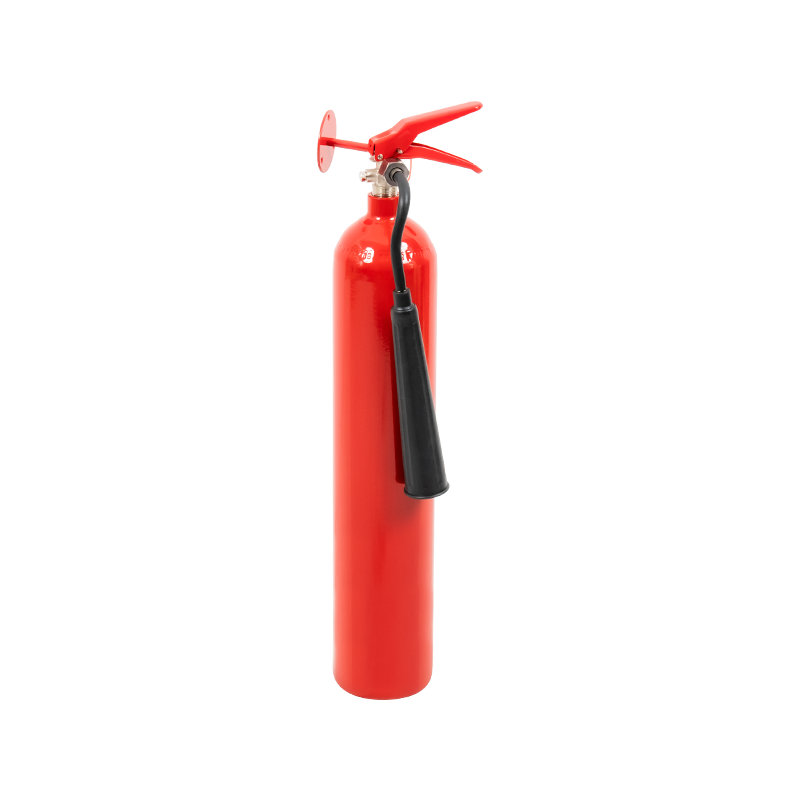
The 3kg portable steel fire extinguisher is a firefighting device designed to deal with all types of fires. Made of CK45 steel, it is sturdy and durab...
See Details
The 2kg portable CE fire extinguisher is a firefighting device designed for quick response and extinguishing of small fires. It is made of high-streng...
See Details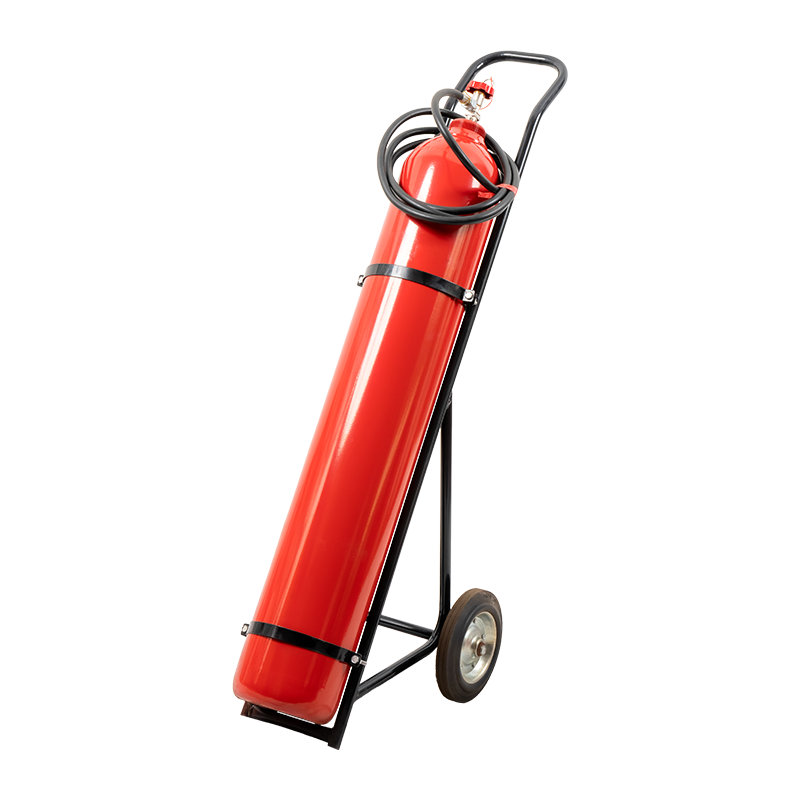
The 10KG Steel Cart-Mounted CO2 Fire Extinguisher is a portable firefighting tool consisting of a large steel cylinder with a capacity of 10kg CO2, mo...
See Details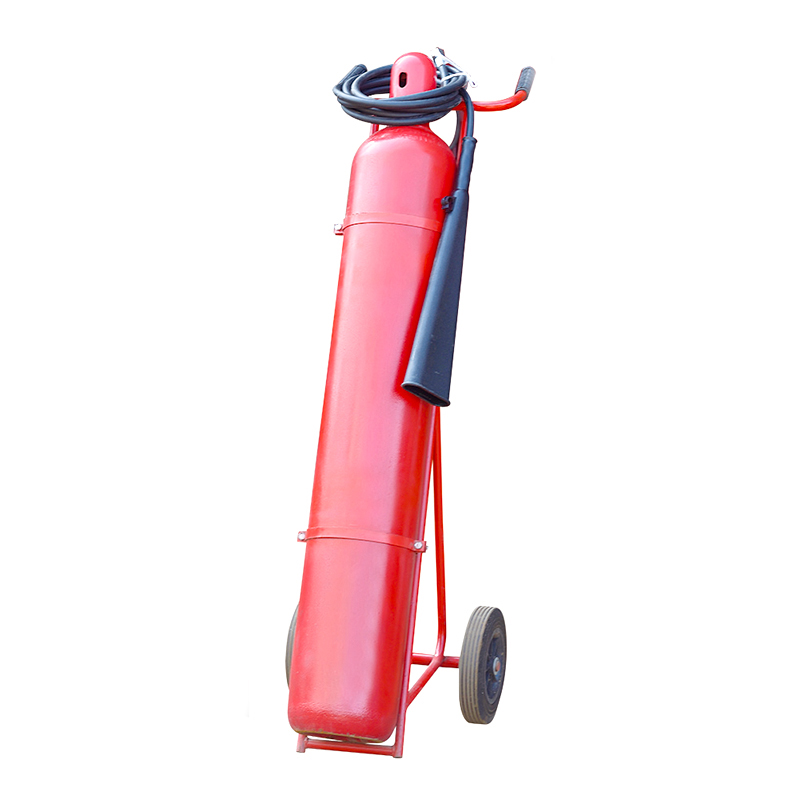
The 25kg trolley mobile fire extinguisher is a high-capacity fire-fighting equipment designed for large-scale fires. It has mechanical strength and co...
See Details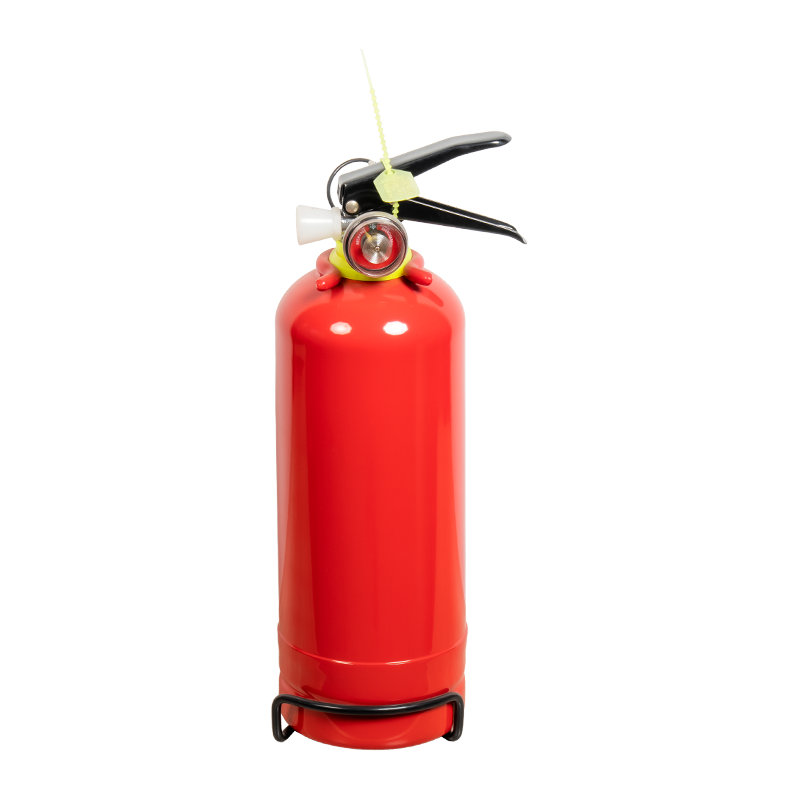
The 1kg portable dry powder fire extinguisher is a safety device used to put out small fires in emergency situations. Its outer shell is made of steel...
See Details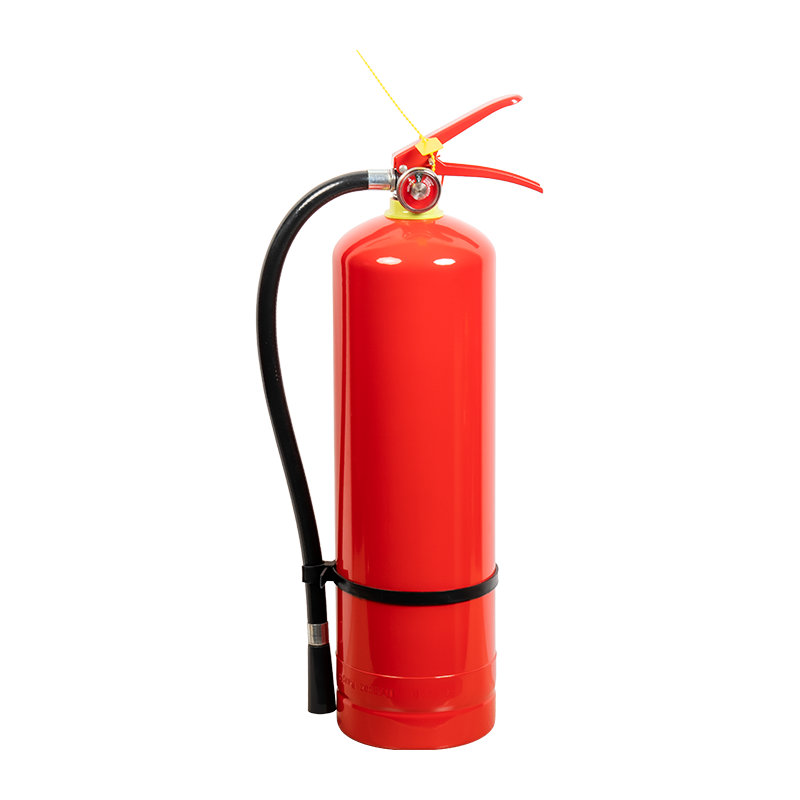
The 6kg stainless steel portable dry powder fire extinguisher is a fire extinguishing device suitable for extinguishing various small fires. Dry powde...
See Details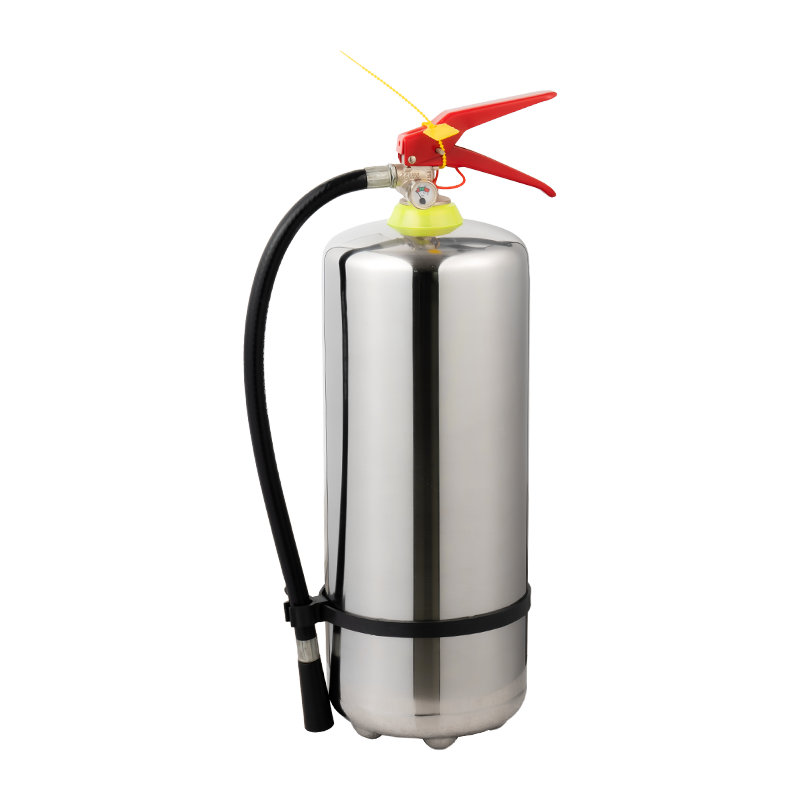
304 stainless steel 6L fire extinguisher is a professionally designed fire extinguishing equipment, made of high-quality SUS304 stainless steel materi...
See Details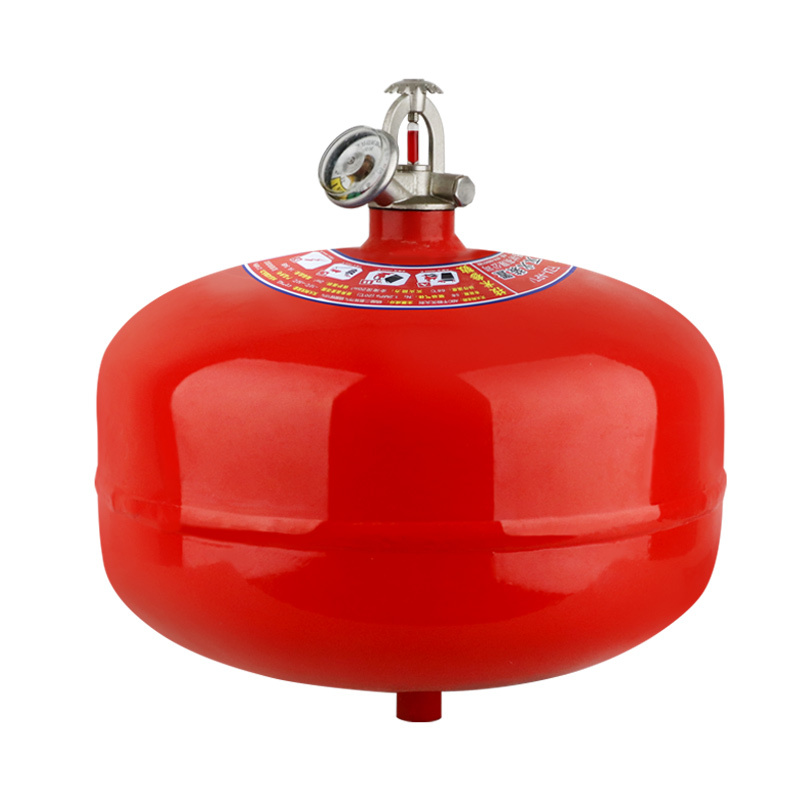
8KG hanging fire extinguisher can be installed on the wall or ceiling, fixed by hook or bracket, making it easy to quickly access and operate when nee...
See Details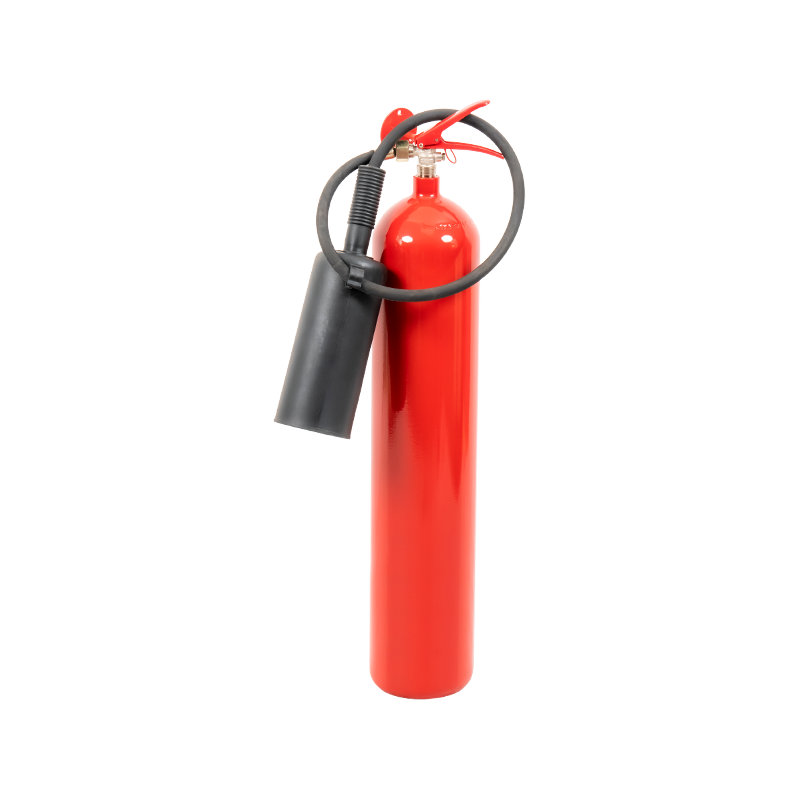
The 5kg fire-fighting carbon dioxide fire extinguisher can work in a wide temperature range, from -30˚C to +60˚C, to meet the firefighting needs in va...
See Details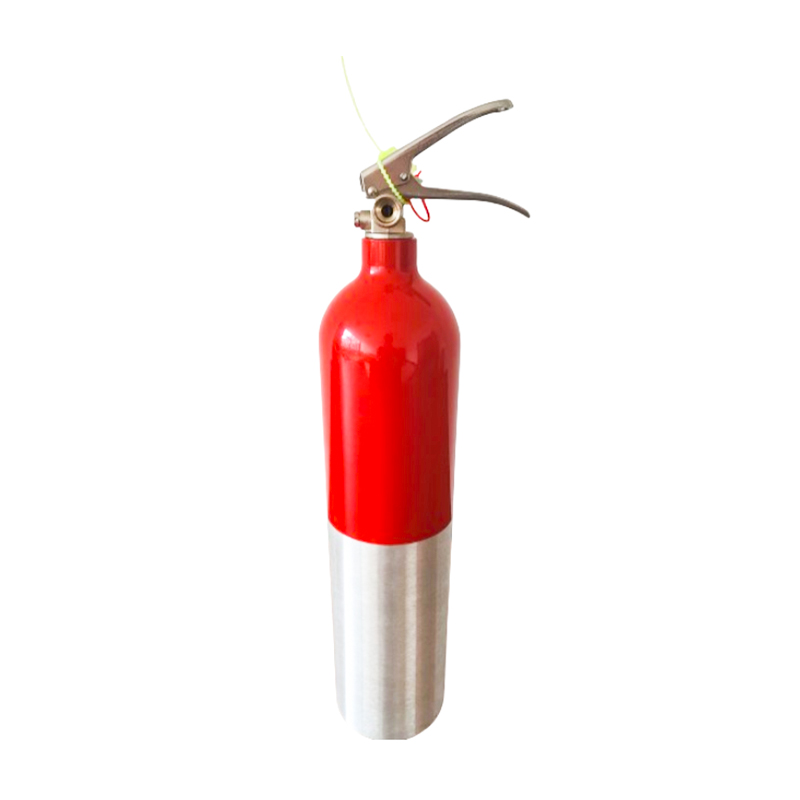
The 5KG portable aluminum fire extinguisher is an efficient and reliable fire extinguishing equipment suitable for fire protection needs in various in...
See Details
Zhejiang Yongshang Pressure Vessel Co., Ltd. was established in 2016. It is a modern enterprise integrating R&D, production and sales, specializing in the production of dry powder, carts, carbon dioxide fire extinguishers, seamless steel cylinders, and aluminum bottles.

+86 13857576559


Zhuhai Village, Gaibei Town, Shangyu District, Shaoxing City, Zhejiang Province, China
