 English
 عربى
 中文简体


3KG Portable Steel Fire Extinguisher(CK45/CE)
Cat:CO2 Fire Extinguisher (CK45/CE)
The 3kg portable steel fire extinguisher is a firefighting device designed to deal with all types of fires. Made of CK45 steel, it is sturdy and durab...
See Details
+86 13857576559
Fire Extinguisher Buying Guide
No — and that single fact shapes where CO2 is the right choice, where it is not, and what you should check before purchasing one.
Short answer: no. A CO2 fire extinguisher leaves no residue behind. Picture an electrical cabinet fire in a control room: you discharge the unit, the gas clears, and a technician can inspect the boards minutes later — no sweeping, no solvent wipe-down, no corrosion risk from leftover powder. When the valve opens, carbon dioxide leaves the nozzle as gas, briefly mixed with frozen particles that look like snow. Within moments, both the gas and the snow vanish into the air. No powder film on surfaces, no sticky foam, no chemical paste. The area where the extinguisher was aimed is left exactly as it was before the discharge.
Carbon dioxide is stored inside the cylinder as a liquid, at roughly 55 bar (5.5 MPa) at room temperature. The instant it is released, it flashes into gas and expands to about 500 times its stored volume. A portion of the liquid turns into solid "dry ice" snow at approximately -78.5 °C, but that snow does not coat or wet anything — it sublimates directly back into gas as it warms. In chemical terms, nothing remains that could cling to a surface.
Contrast that with other agents. Dry powder deposits a fine film of ammonium phosphate or sodium bicarbonate on everything it touches. Foam leaves a surfactant layer that must be rinsed off. Water-based agents soak into materials and can warp, swell, or corrode them. CO2 is different: the extinguishing medium itself is the same gas we exhale, and once the fire is out and the gas disperses, the area is clean.
A CO2 discharge leaves a gas — and a gas cannot stick to a surface.
For a facility manager, the absence of residue is not just a convenience; it changes the risk calculation after a discharge. The cost of a dry powder discharge is rarely the powder itself. It is the hours spent cleaning, the circuit boards replaced because of corrosion, and the production line stopped while the area is decontaminated.
Info The absence of residue does not mean an absence of side effects. The nozzle stream is extremely cold, can cause frostbite on contact, and a very hot surface may experience thermal shock. Use the insulated horn, keep a safe distance, and ventilate the space before re-entering.
CO2 extinguishers are engineered for two fire classes: Class B, meaning flammable liquids such as oil, petrol, and solvents, and fires involving live electrical equipment. You will find them in server rooms, switchgear rooms, laboratories, engine test cells, and printing or coating lines — precisely the places where residue damage would be worse than the fire itself. Because CO2 is non-conductive, you can discharge it directly into a live cabinet without creating a path to ground.
The same properties that make CO2 clean can make it wrong elsewhere. Outdoors, wind disperses the gas before it reaches an effective concentration. In deep-seated Class A fires — smoldering wood, textiles, paper stock — CO2 offers little cooling, so re-ignition is possible. In a confined, unventilated space, a large discharge can displace enough oxygen to become a breathing hazard. Know the space before you squeeze the lever.
 5kg CO2 Extinguisher: Clean Agent for Electrical ZonesWith CK45 steel and CE certification, this 5kg CO2 unit matches the standard pick for control rooms and server cabinets, offering residue-free discharge.View Product →
| Agent | Residue after discharge | Best suited for | Main limitation |
|---|---|---|---|
| CO2 | None | Class B fires; live electrical equipment; electronics | Requires ventilation; limited range; not for deep-seated Class A fires |
| Dry powder | Fine powder film | General industrial use; Class A, B, C | Corrosive residue; heavy cleanup |
| Foam | Wet film | Class A and B; liquid spill fires | Conducts electricity; can freeze in cold storage |
| Water | Wet surfaces | Class A combustible solids | Never on live electrical equipment or liquid fires |
For most facilities, the real question is not which agent is "best" but which agent fits each risk zone. A workshop with wood, paper, petrol, and electrical cabinets usually ends up with a combination: dry powder or foam for general Class A areas, CO2 for the electrical and electronics corners. That is why 5kg CO2 units are a standard pick for control rooms and server cabinets.
Because the agent is clean, hardware quality matters more. A CO2 extinguisher is a pressure vessel with a valve, a siphon tube, and a discharge horn. Each of these deserves scrutiny at purchase time.
A 2kg unit suits small electrical cabinets and test benches; a 3kg portable covers most workshop and server-room duties; a 5kg unit gives a longer discharge time for control rooms and industrial panels; a 10kg trolley handles transformer bays and plant areas. Our full CO2 range includes all four capacities, so the choice comes down to the actual risk rather than availability. Steel cylinders are heavier than aluminum equivalents, which matters if staff must carry them regularly.
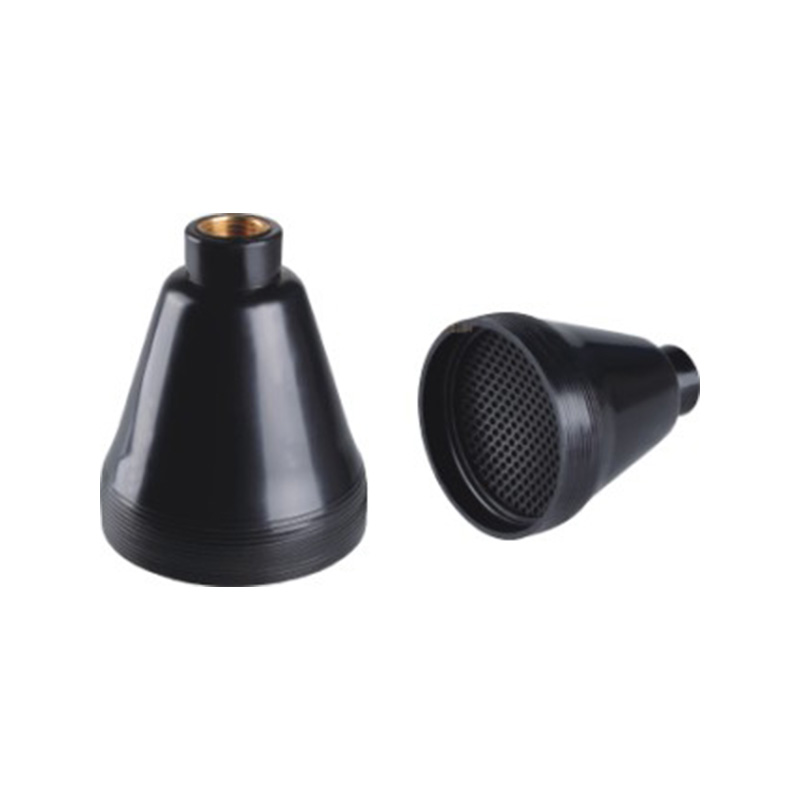 3kg Steel CO2 Extinguisher for Workshop and Server RoomA portable 3kg unit balances weight and capacity, covering typical workshop and server-room duties with durable CK45 steel and BS5045 approval.View Product →
CO2 is stored at high pressure, making the cylinder the most safety-critical component. Look for seamless steel construction, a certification mark such as CE, and a standard in the ISO 9809 family. Valve quality matters equally: a brass valve with a rupture disc and a reliable seal prevents both gradual leakage and overpressure failure.
The horn must be non-conductive plastic, because operators use it near live equipment. Confirm the operating temperature range as well — a CO2 extinguisher rated for cold environments should still deliver a full discharge at -20 °C.
Warning Inspection is non-negotiable. CO2 extinguishers are less forgiving than dry powder units when a valve leaks, because the loss of gas is silent and gradual. Weigh checks at the interval stated in the maintenance schedule catch this early. If the cylinder is out of certification, re-certification or replacement is not optional.
Buyers sourcing for projects should confirm the documentation package early — type approval, test certificates, and valve conformity all affect installation approval.
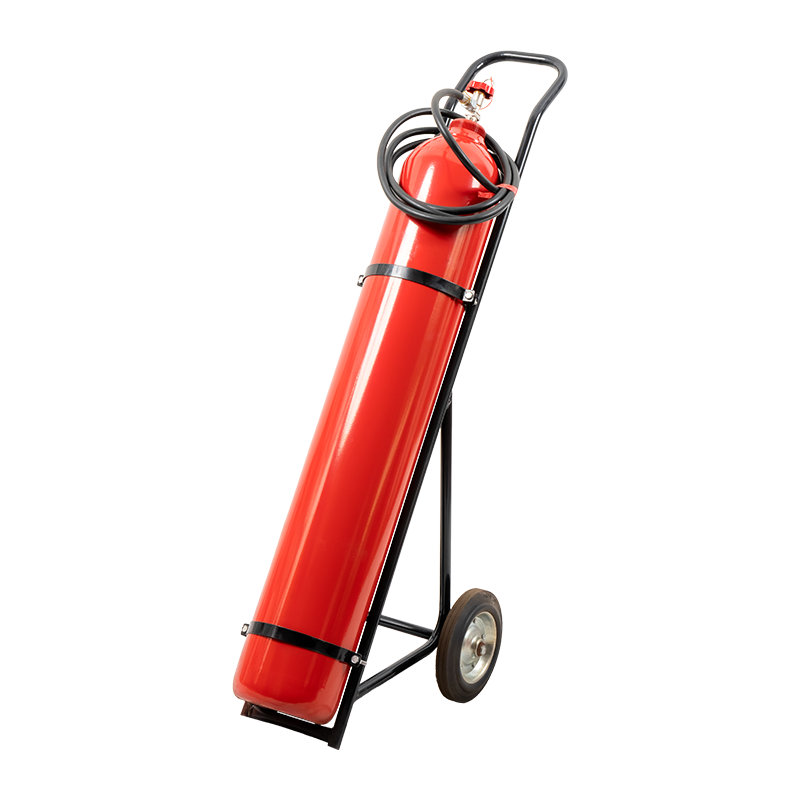 10kg Trolley CO2 Extinguisher for Industrial and Substation UseMounted on a wheeled cart, this 10kg CO2 unit delivers large-volume discharge for transformer bays and plant areas, leaving no residue behind.View Product →
The residue claim is literally true: a CO2 extinguisher leaves nothing behind. The gas dissipates, the snow sublimates, and the protected surface stays untouched. For Class B and live electrical risks, it is the cleanest option you can mount on a wall.
That same cleanliness demands respect for its limits. Because the discharge is a gas, it performs best inside a room or enclosure where the concentration can build; a CO2 unit aimed at a fire in the open air may simply blow past the flames. Because it displaces oxygen, any discharge in a cramped space creates a brief asphyxiation hazard for anyone who stays too long. And because it provides limited cooling, hot surfaces can re-ignite once the gas has dispersed — which is why CO2 is usually paired with dry powder or foam for general industrial areas.
Success The cleanest choice is the one matched to the risk. Put CO2 where residue damage is the dominant concern — electronics, controls, laboratories, archives. Put dry powder or foam where the fire load is general and the consequences of residue are acceptable. In most buildings, both belong on the equipment list.
Danger Re-enter carefully. After any CO2 discharge in a room, ventilate before entering, and treat anyone showing dizziness, confusion, or disorientation as a medical priority.
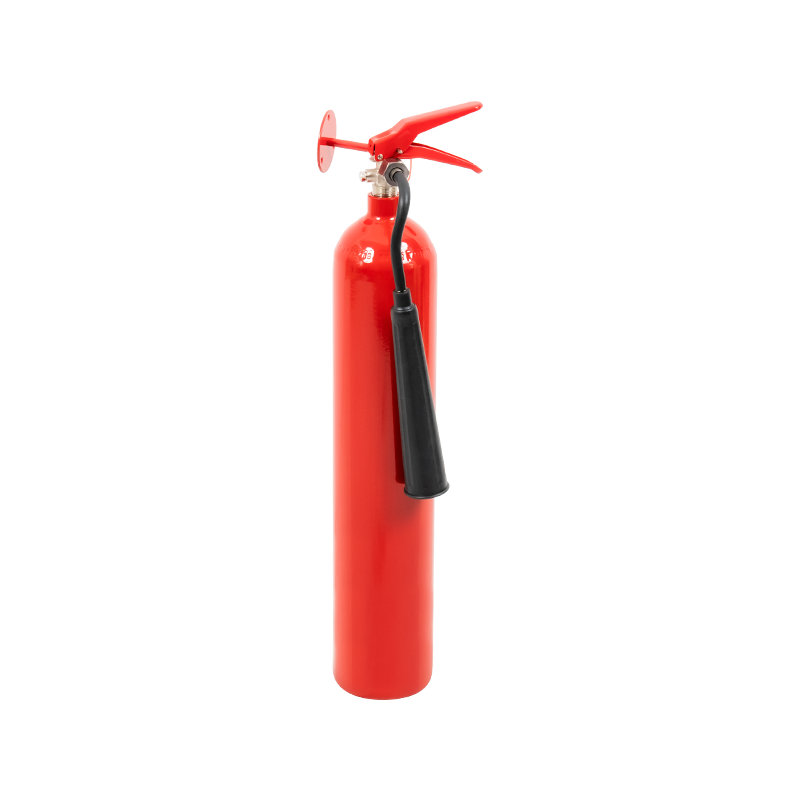
The 3kg portable steel fire extinguisher is a firefighting device designed to deal with all types of fires. Made of CK45 steel, it is sturdy and durab...
See Details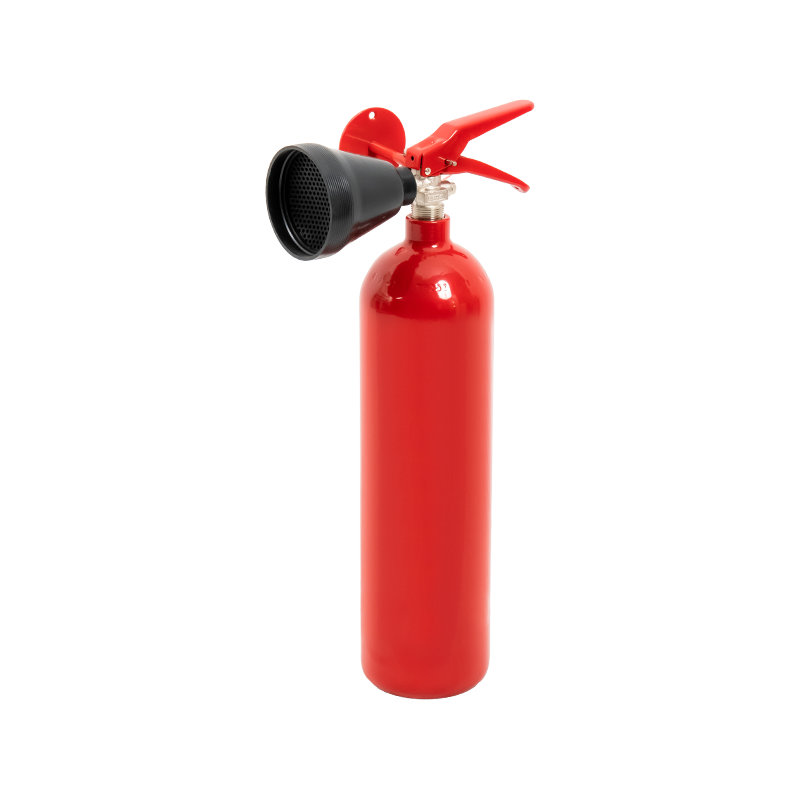
The 2kg portable CE fire extinguisher is a firefighting device designed for quick response and extinguishing of small fires. It is made of high-streng...
See Details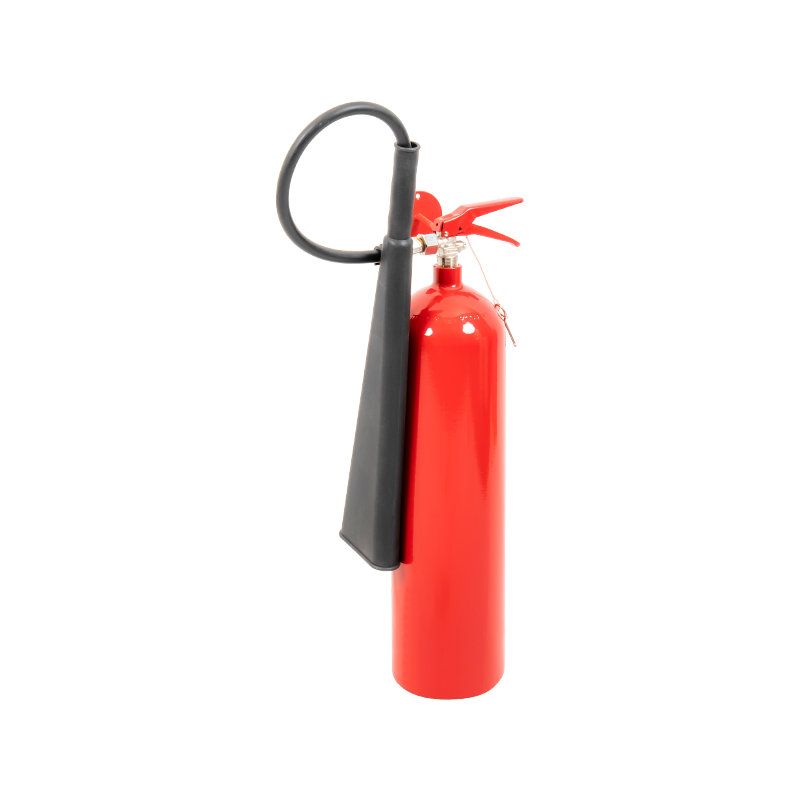
The 5kg CO2 CE extinguisher is suitable for a variety of applications, including in factories, production lines and warehouses. The 5kg CO2 extinguish...
See Details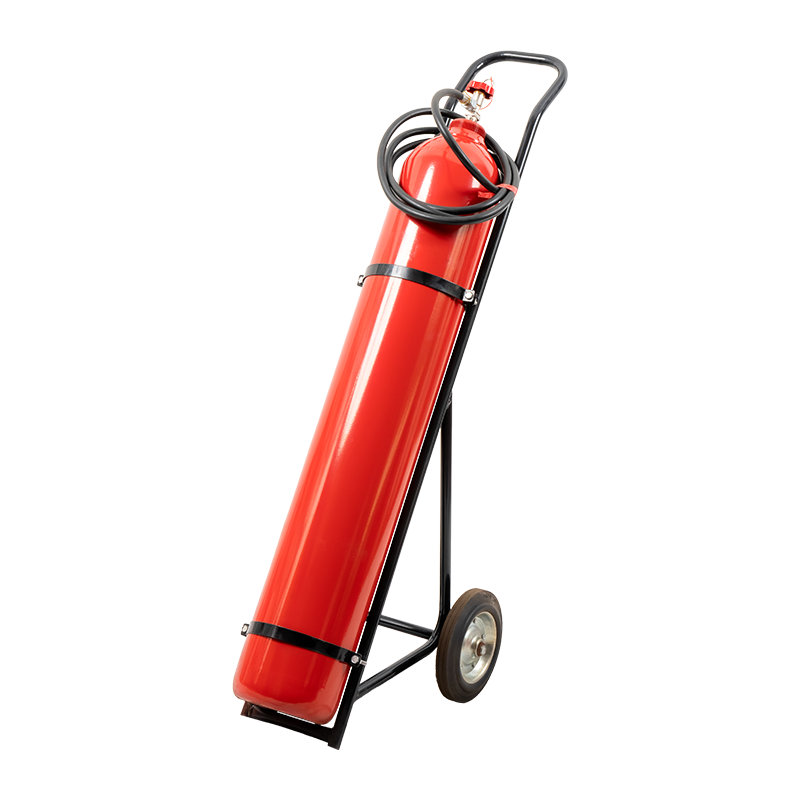
The 10KG Steel Cart-Mounted CO2 Fire Extinguisher is a portable firefighting tool consisting of a large steel cylinder with a capacity of 10kg CO2, mo...
See Details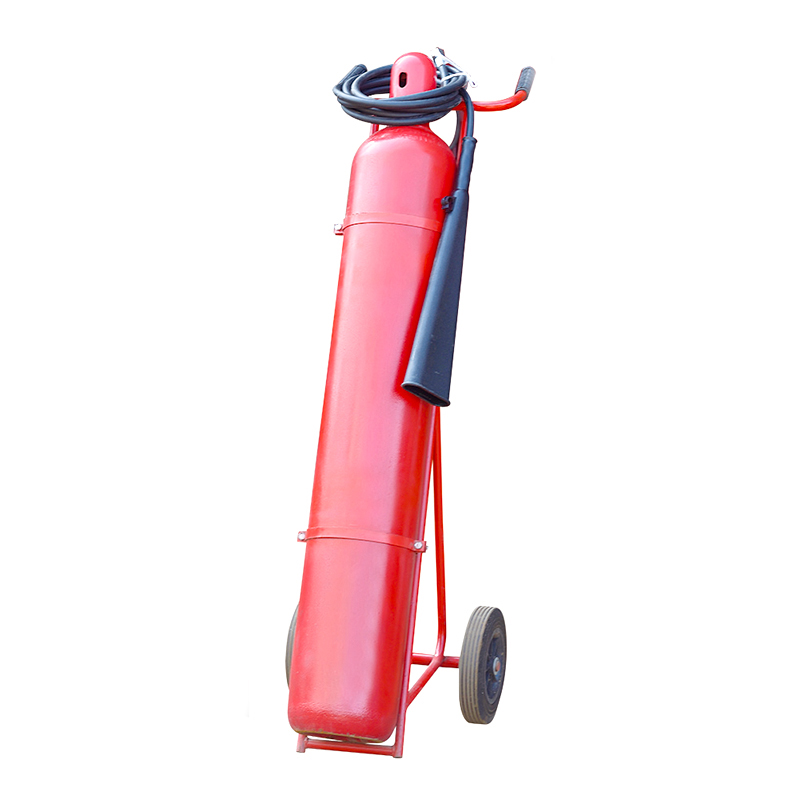
The 25kg trolley mobile fire extinguisher is a high-capacity fire-fighting equipment designed for large-scale fires. It has mechanical strength and co...
See Details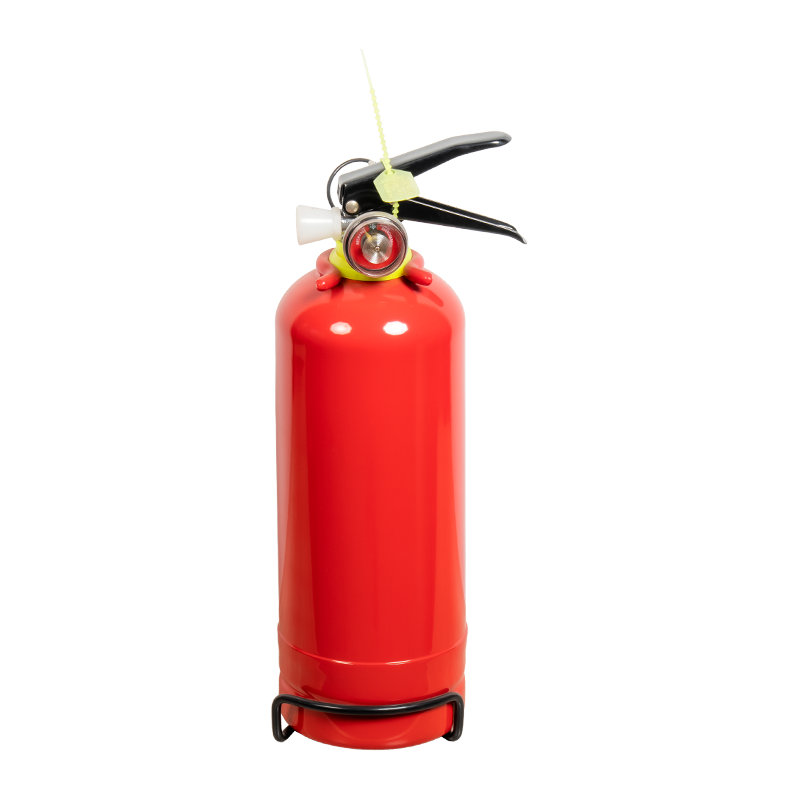
The 1kg portable dry powder fire extinguisher is a safety device used to put out small fires in emergency situations. Its outer shell is made of steel...
See Details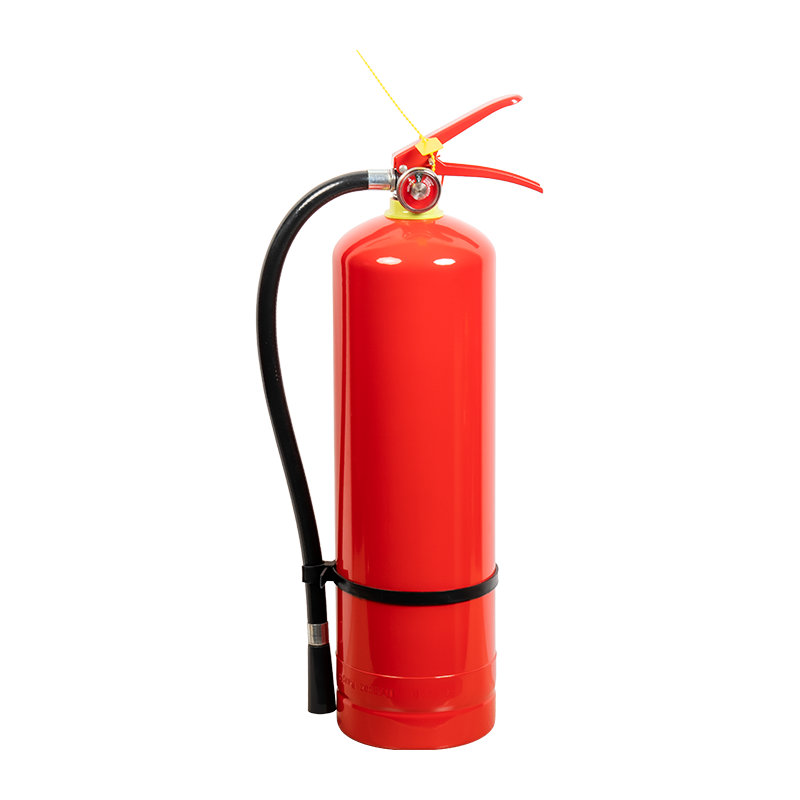
The 6kg stainless steel portable dry powder fire extinguisher is a fire extinguishing device suitable for extinguishing various small fires. Dry powde...
See Details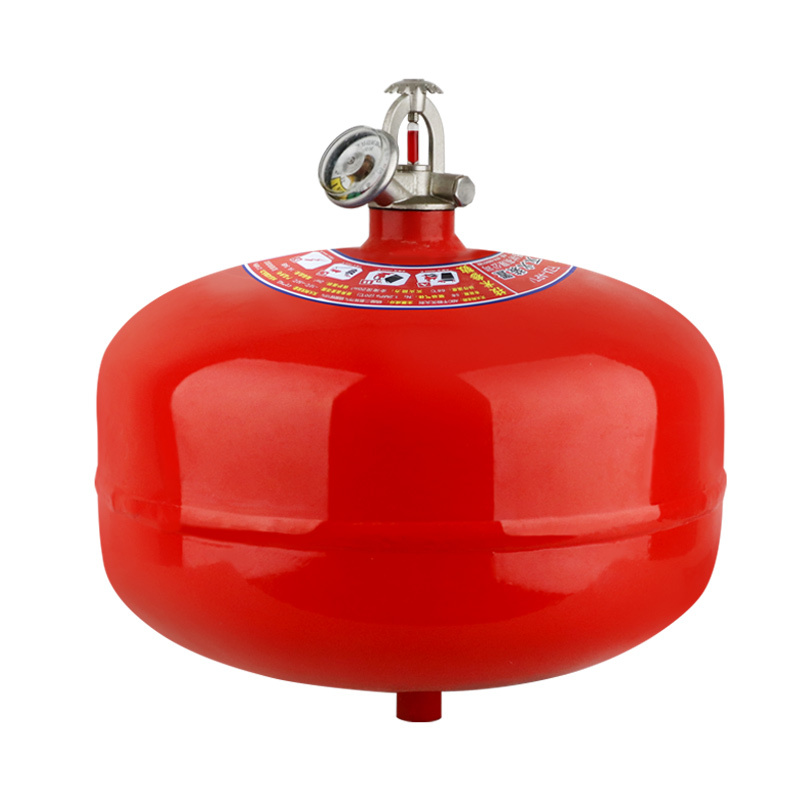
8KG hanging fire extinguisher can be installed on the wall or ceiling, fixed by hook or bracket, making it easy to quickly access and operate when nee...
See Details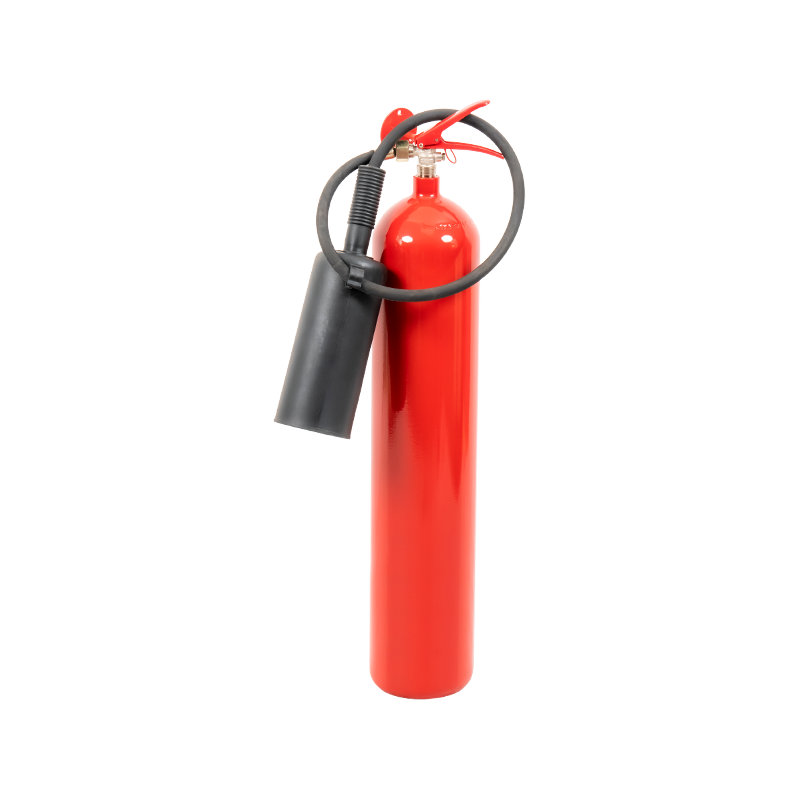
The 5kg fire-fighting carbon dioxide fire extinguisher can work in a wide temperature range, from -30˚C to +60˚C, to meet the firefighting needs in va...
See Details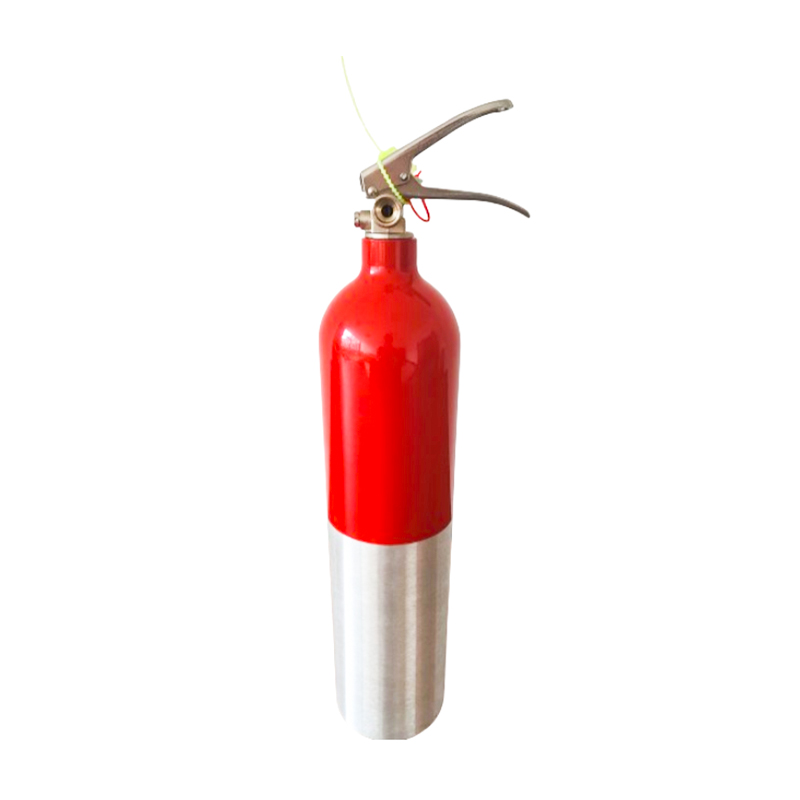
The 5KG portable aluminum fire extinguisher is an efficient and reliable fire extinguishing equipment suitable for fire protection needs in various in...
See Details
Zhejiang Yongshang Pressure Vessel Co., Ltd. was established in 2016. It is a modern enterprise integrating R&D, production and sales, specializing in the production of dry powder, carts, carbon dioxide fire extinguishers, seamless steel cylinders, and aluminum bottles.

+86 13857576559


Zhuhai Village, Gaibei Town, Shangyu District, Shaoxing City, Zhejiang Province, China
