 English
 عربى
 中文简体


3KG Portable Steel Fire Extinguisher(CK45/CE)
Cat:CO2 Fire Extinguisher (CK45/CE)
The 3kg portable steel fire extinguisher is a firefighting device designed to deal with all types of fires. Made of CK45 steel, it is sturdy and durab...
See Details
+86 13857576559
The tag on the valve reads “hydrostatic test due 2028.” The cylinder has been in service for nine years, and there is no expiry date stamped anywhere on its body. Facility managers and distributors ask the same question every week: does a CO2 fire extinguisher expire, or does it simply keep working until something visibly breaks? The answer affects purchasing decisions, inspection schedules, and liability — so it deserves more than a one-line reply.
A rechargeable CO2 fire extinguisher does not carry a calendar expiration date. It remains in service as long as it passes its monthly visual checks, its annual maintenance, and a hydrostatic test every five years. That framework is used across most regulated markets and is the basis of NFPA 10 in North America.
“An extinguisher’s service life is a maintenance record, not a birthday on a calendar. When the cylinder no longer passes a documented test, it leaves service — regardless of its age.”
This does not mean a CO2 unit lasts forever. The five-year hydrostatic test is a genuine stress test of the steel vessel. Some cylinders fail after fifteen or twenty years of hard service; others pass for decades. In practice, the real determinant is not the year of manufacture but the outcome of the last inspection.
Most confusion about expiration comes from comparing CO2 with dry chemical extinguishers, which age very differently. Dry chemical units hold nitrogen as a separate propellant, show their condition on a pressure gauge, and follow a 12-year hydrostatic test interval with a 6-year internal maintenance cycle. CO2 extinguishers sit outside that logic in several important ways.
Because of these differences, a CO2 extinguisher is judged by its physical condition and test history rather than by a manufacturer’s expiry sticker.
Useful dates are stamped into the metal near the neck, not printed on a label. The date of manufacture usually appears as a month-year combination — for example, “09/19” means September 2019. Hydrostatic test stamps follow each retest: a mark such as “23/10” with the tester’s symbol indicates that the vessel passed its pressure test in October 2023. When the next five-year interval approaches, the technician arranges the retest and adds a new stamp.
If the label shows a “service due” date, treat it as a useful reminder rather than a legal end of life. The technical determinant is the cylinder’s readiness for the next hydrostatic test, combined with the results of periodic inspections.
Across common compliance frameworks, the CO2 extinguisher follows a repeating rhythm. Missing any step can place the unit out of service from an inspector’s point of view, even when it looks perfectly fine.
| Check | Frequency | What it involves |
|---|---|---|
| Monthly visual inspection | Every 30 days | Verify the safety pin and seal; look for visible corrosion, dents, or a blocked discharge horn |
| Annual maintenance | Every 12 months | Weigh the unit, test the discharge mechanism, inspect the hose, horn, and valve, and document the result |
| Hydrostatic test | Every 5 years | Pressure test the steel cylinder with water to verify the vessel’s integrity under a defined load |
| Internal examination | Every 5 years | Open inspection of the cylinder interior for corrosion or contamination before recharging |
| Retirement | When a test fails | Cylinders that leak, bulge, corrode, or fail the hydrostatic test are permanently taken out of service |
For a single public building, this cycle is simple to follow. For distributors and large facility owners managing hundreds of units, the record-keeping burden is real; that is why the cylinder’s test history is often the first thing a buyer checks before purchasing used or surplus equipment.
A hydrostatic test itself is inexpensive, but the full process — shipping a heavy steel cylinder to an authorized test station, recharging it, replacing seals, and returning it — can cost close to the price of a new extinguisher. For a 3 kg or 5 kg portable unit with visible rust near the neck, a damaged horn, or an unknown previous life, replacement is usually the more sensible decision.
Many organizations adopt a conservative policy: portable CO2 units are replaced at the ten-year mark even when the cylinder still passes its five-year test. The costs are modest, the safety margins are fresh, and the compliance paperwork is simpler. For larger trolley units, where replacement is expensive, the five-year test remains the decisive milestone.
For a distributor or a facility manager, the real decision happens before installation. A unit built with a clean internal cylinder surface, proper neck thickness, and certified materials will pass its five-year tests more reliably than an unnamed alternative. That is why manufacturing quality matters as much as the model designation on the label.
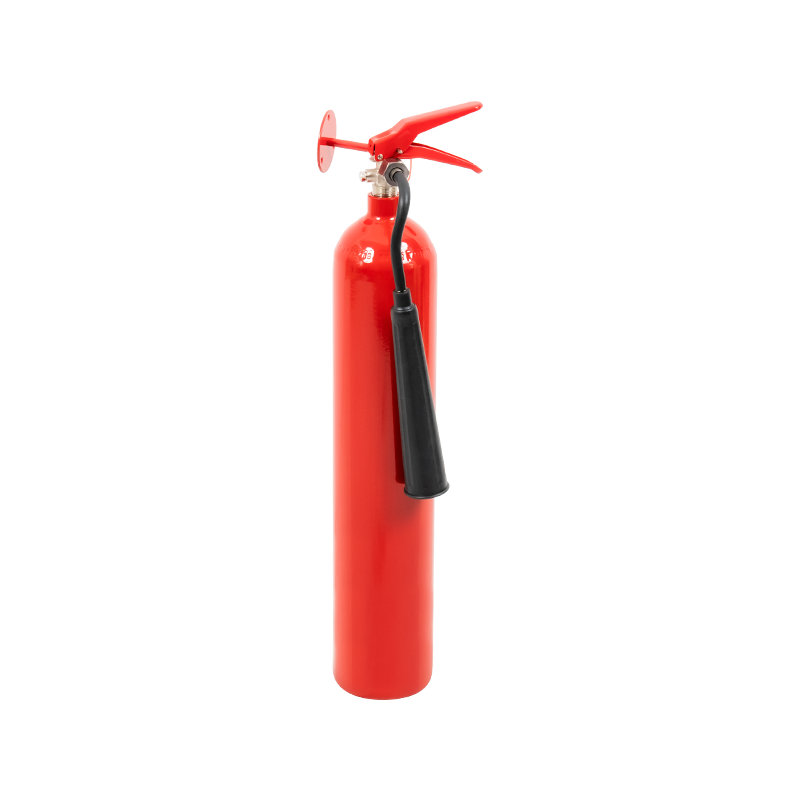
For small electrical rooms and server racks, a compact unit keeps discharge precise and handling easy.
 Compact 3KG CO2 Fire Extinguisher for Precision and EaseThis portable steel extinguisher targets liquid, solid, and electrical fires. Its lightweight 10kg total weight and precise discharge suit small electrical rooms and server racks.View Product →
Where a workshop or laboratory needs more discharge capacity, a mid-size unit balances reach, discharge time, and weight.
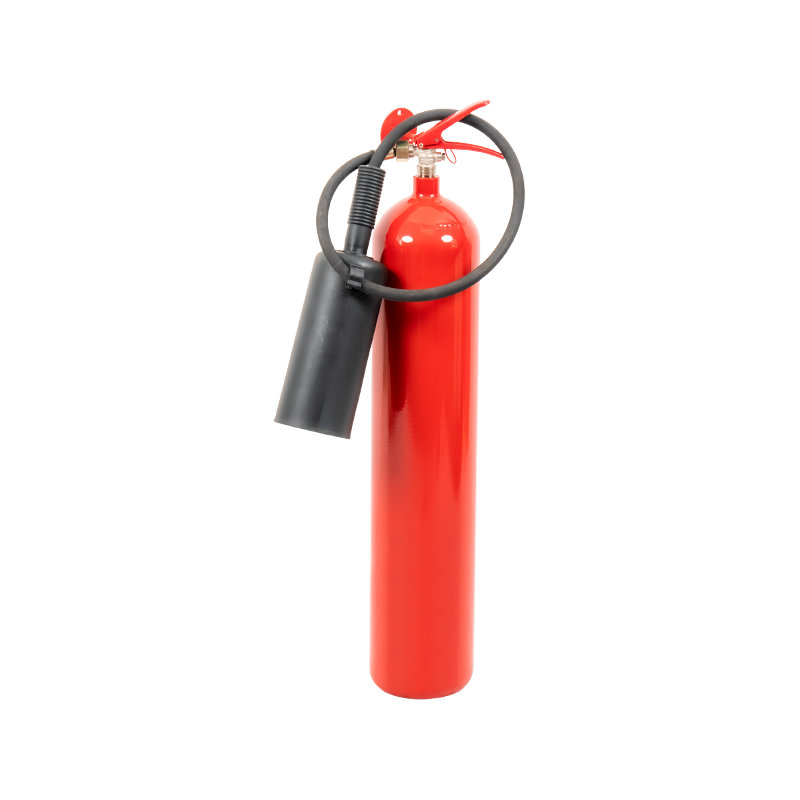 Mid-Size 5KG CO2 Fire Extinguisher for Balanced PerformanceWith a 17kg full weight and residue-free suppression, this model handles Class B and E fires effectively. It provides greater discharge capacity while remaining maneuverable for workshops and labs.View Product →
For transformer rooms, generator halls, and industrial floors, a wheeled unit brings significantly larger agent capacity without demanding a two-person lift.
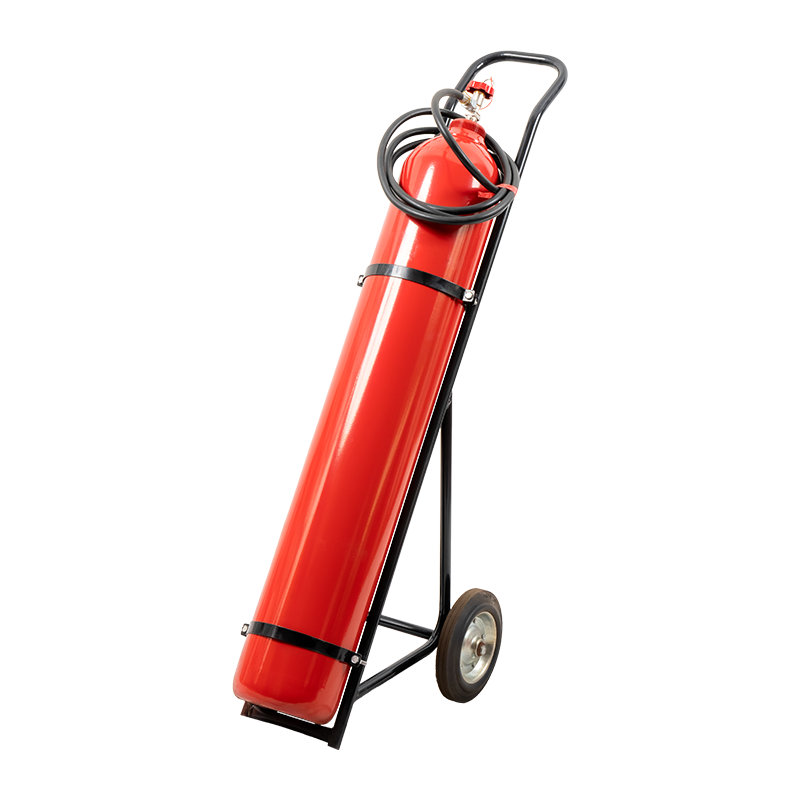 Wheeled 10KG CO2 Fire Extinguisher for Large-Scale ProtectionMounted on a cart, this 37kg unit delivers high CO2 volume for transformer rooms and industrial floors. It operates reliably across -30°C to +60°C, ideal for unheated environments.View Product →
Facilities with wide seasonal temperature swings should also look at how the discharge hardware behaves across extremes; a 5 kg CO2 extinguisher’s temperature adaptability range, for example, influences whether the unit performs reliably in an unheated warehouse or an outdoor cabinet.
There is also a safety note worth repeating: carbon dioxide displaces oxygen, so discharging a large trolley unit in a small enclosed space creates a real asphyxiation hazard. Ventilation after discharge is not optional.
Whether you are buying a single extinguisher for a laboratory or a container load for an overseas market, the service-life question affects every purchasing decision. Before ordering a large batch, reviewing a manufacturer’s production approach pays for itself — especially when the same factory controls the steel cylinder, the valve, the internal surface treatment, and the final assembly.
These points also explain why the industry increasingly buys from integrated manufacturers rather than from assembly-only suppliers. When one production line is responsible for the seamless cylinder and the complete extinguisher, the service-life story stays coherent from the first stamp to the last hydrostatic test.
The cleanest way to think about a CO2 fire extinguisher is simple: it does not have an expiration date, it has a maintenance record. As long as every monthly check is performed, the annual service is documented, and the five-year hydrostatic test comes back clean, the unit continues to protect the room where it is mounted.
When a test fails — or the cylinder is too damaged to trust — retire it immediately and install a new, certified unit. That habit, not a date stamped on a tag, is what actually keeps people safe in the moment they reach for an extinguisher.
The 3kg portable steel fire extinguisher is a firefighting device designed to deal with all types of fires. Made of CK45 steel, it is sturdy and durab...
See Details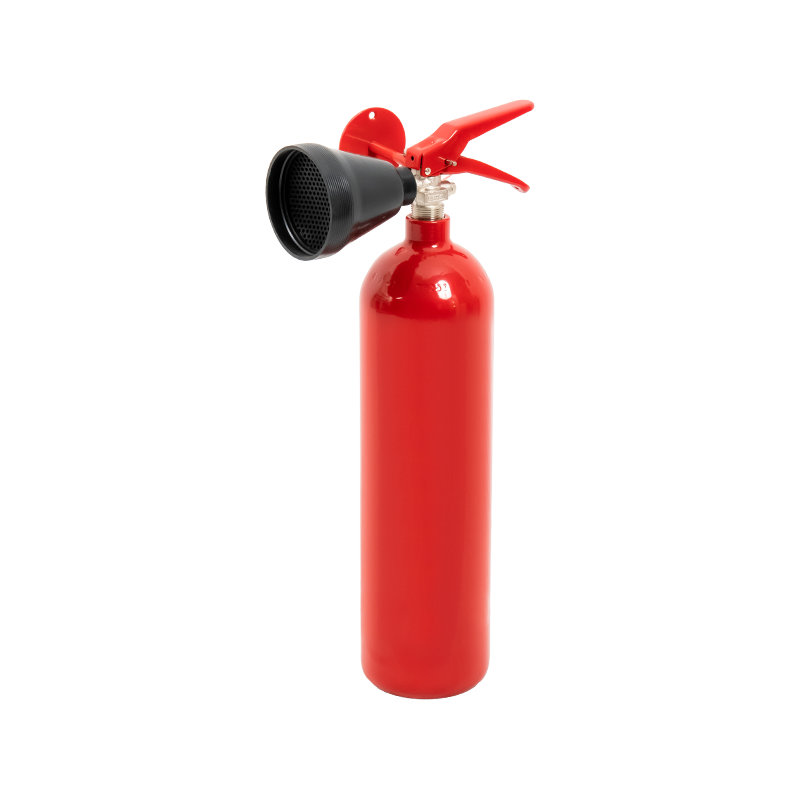
The 2kg portable CE fire extinguisher is a firefighting device designed for quick response and extinguishing of small fires. It is made of high-streng...
See Details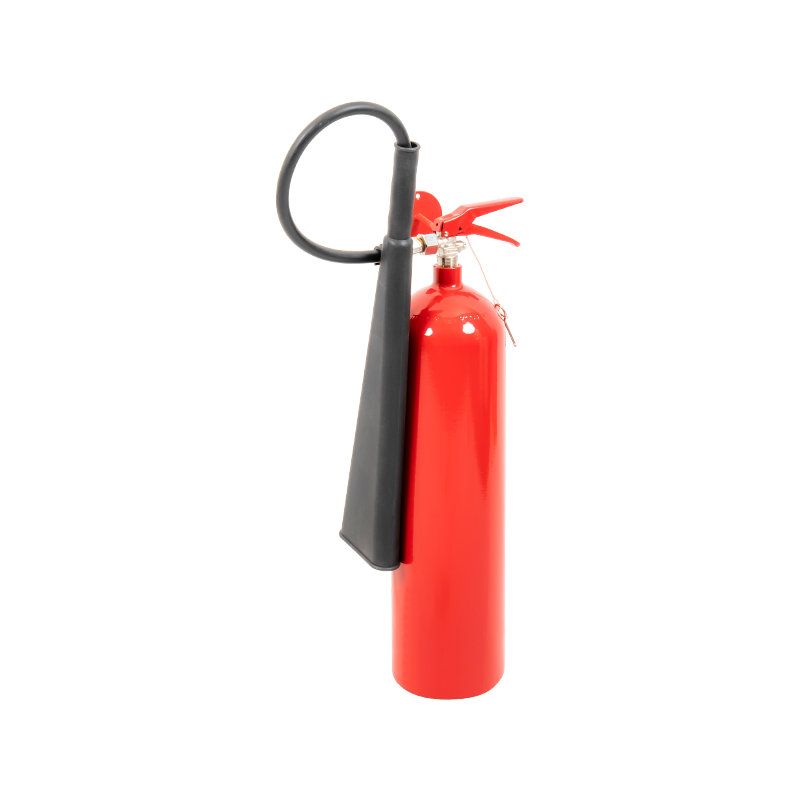
The 5kg CO2 CE extinguisher is suitable for a variety of applications, including in factories, production lines and warehouses. The 5kg CO2 extinguish...
See Details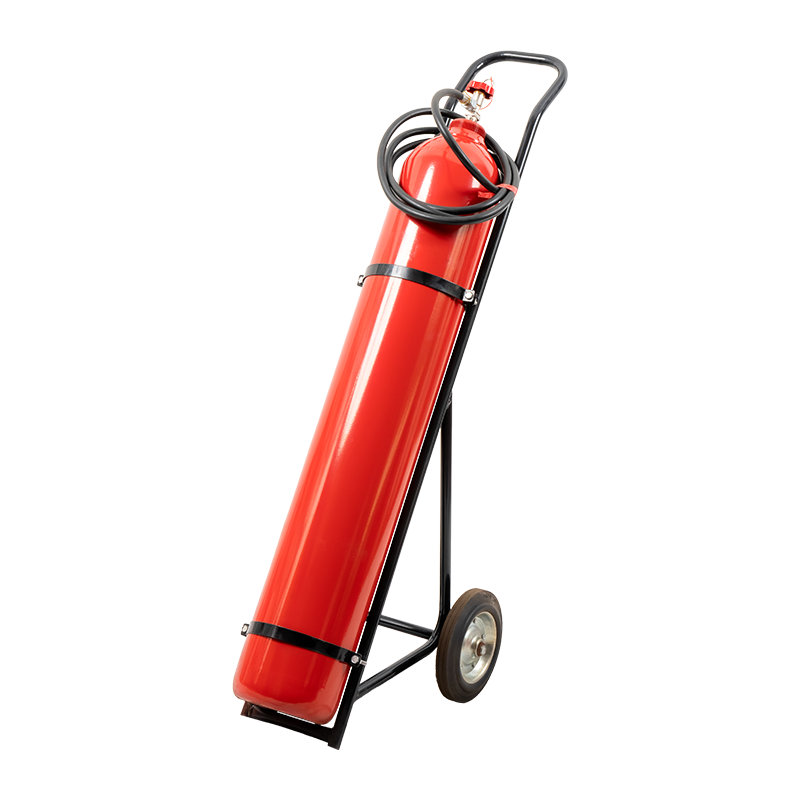
The 10KG Steel Cart-Mounted CO2 Fire Extinguisher is a portable firefighting tool consisting of a large steel cylinder with a capacity of 10kg CO2, mo...
See Details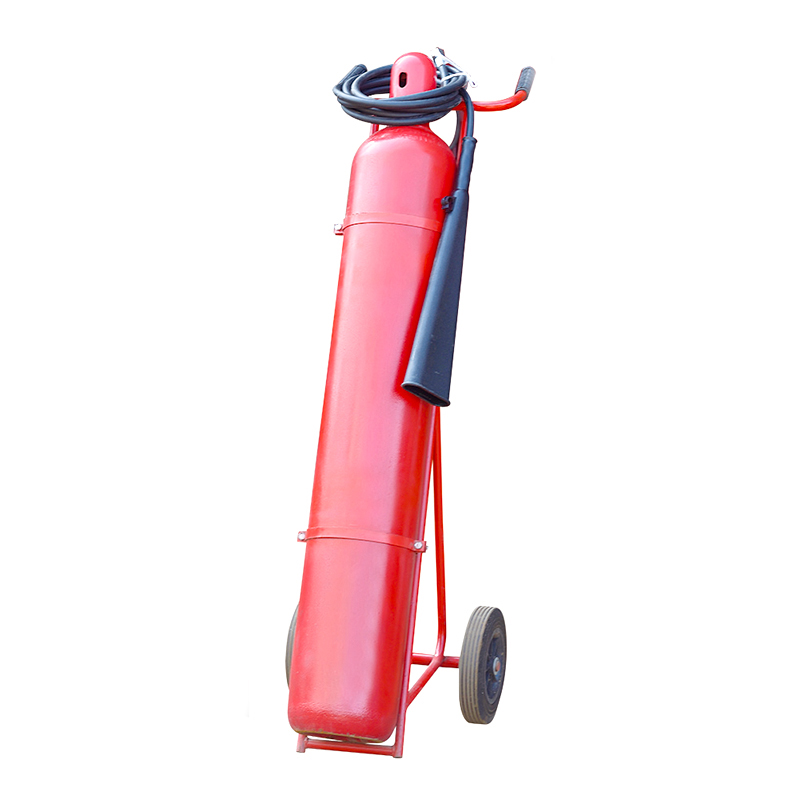
The 25kg trolley mobile fire extinguisher is a high-capacity fire-fighting equipment designed for large-scale fires. It has mechanical strength and co...
See Details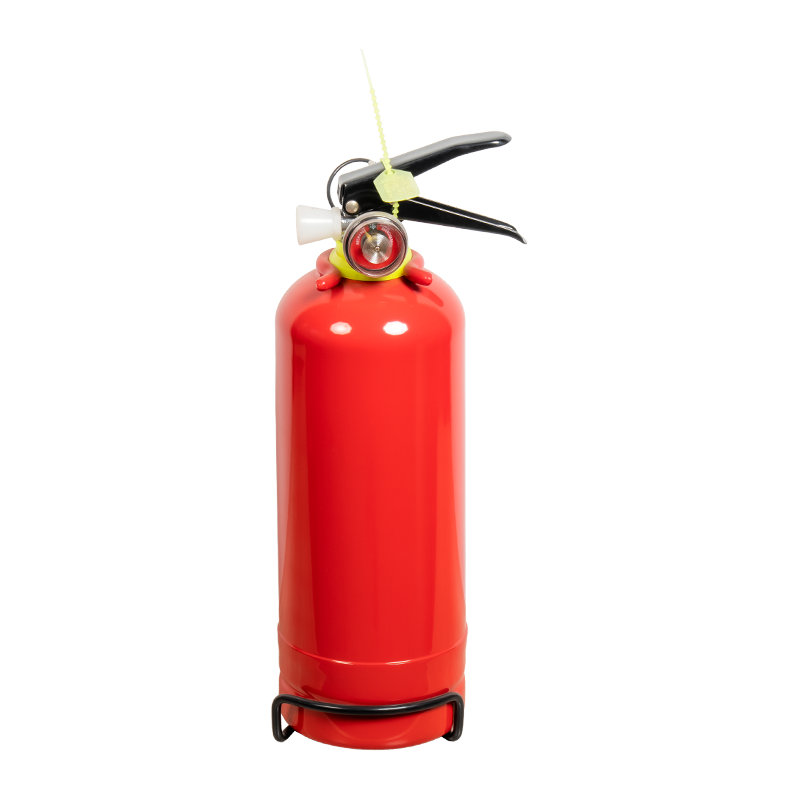
The 1kg portable dry powder fire extinguisher is a safety device used to put out small fires in emergency situations. Its outer shell is made of steel...
See Details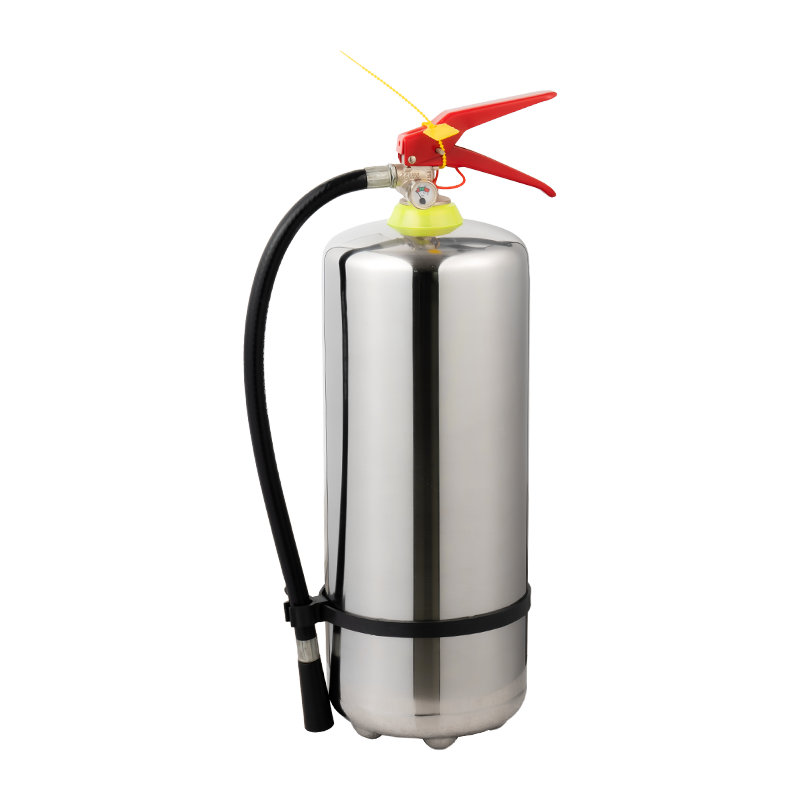
304 stainless steel 6L fire extinguisher is a professionally designed fire extinguishing equipment, made of high-quality SUS304 stainless steel materi...
See Details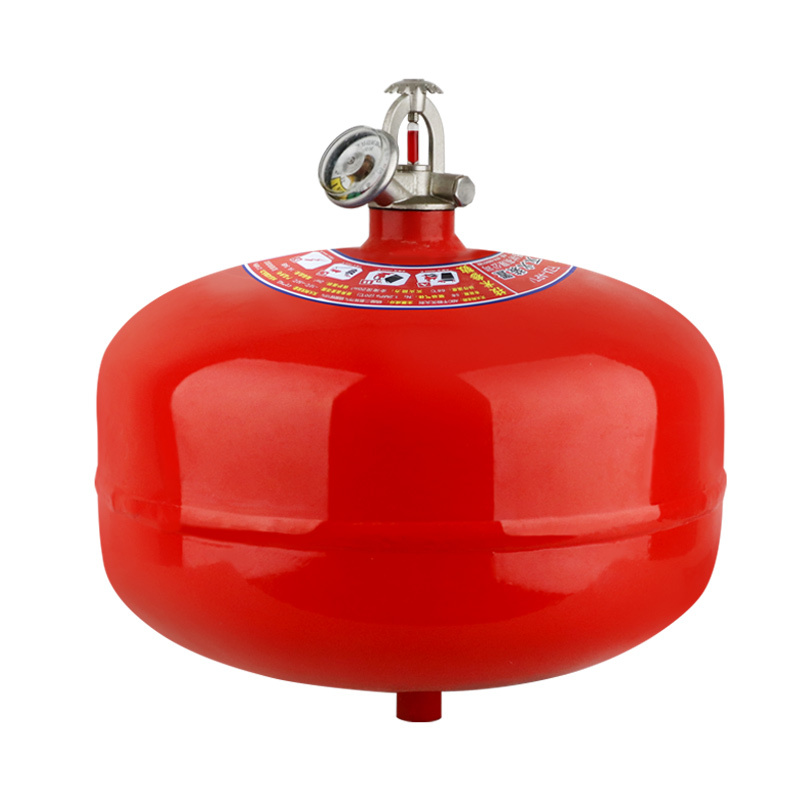
8KG hanging fire extinguisher can be installed on the wall or ceiling, fixed by hook or bracket, making it easy to quickly access and operate when nee...
See Details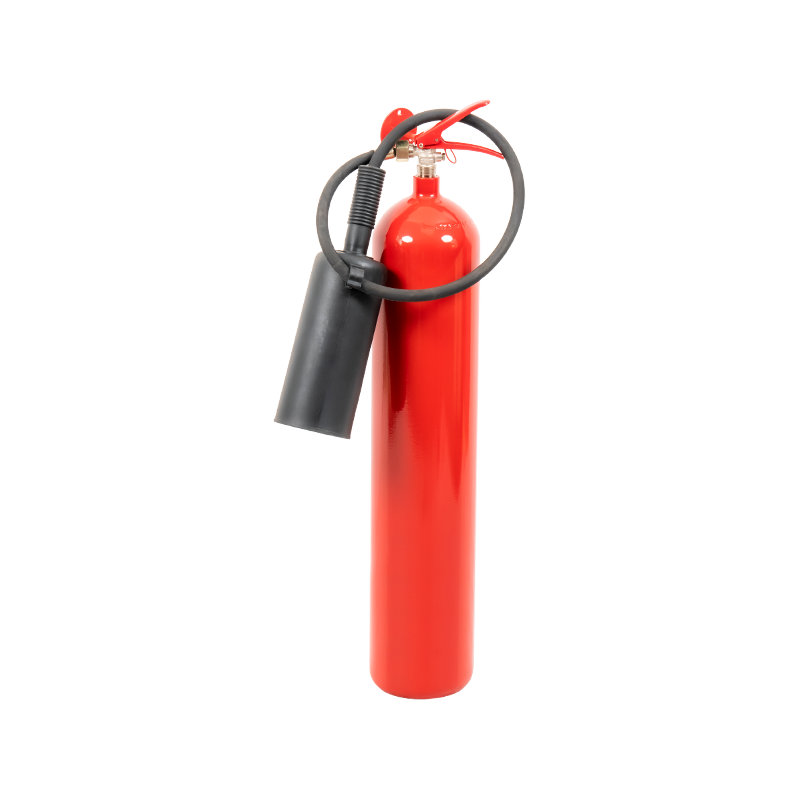
The 5kg fire-fighting carbon dioxide fire extinguisher can work in a wide temperature range, from -30˚C to +60˚C, to meet the firefighting needs in va...
See Details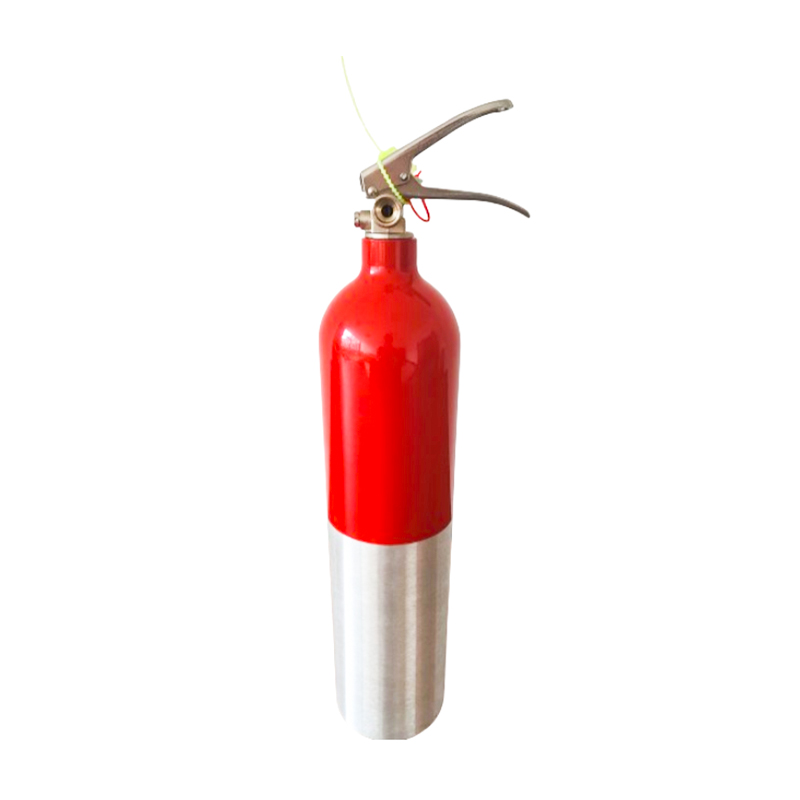
The 5KG portable aluminum fire extinguisher is an efficient and reliable fire extinguishing equipment suitable for fire protection needs in various in...
See Details
Zhejiang Yongshang Pressure Vessel Co., Ltd. was established in 2016. It is a modern enterprise integrating R&D, production and sales, specializing in the production of dry powder, carts, carbon dioxide fire extinguishers, seamless steel cylinders, and aluminum bottles.

+86 13857576559


Zhuhai Village, Gaibei Town, Shangyu District, Shaoxing City, Zhejiang Province, China
