 English
 عربى
 中文简体


3KG Portable Steel Fire Extinguisher(CK45/CE)
Cat:CO2 Fire Extinguisher (CK45/CE)
The 3kg portable steel fire extinguisher is a firefighting device designed to deal with all types of fires. Made of CK45 steel, it is sturdy and durab...
See Details
+86 13857576559
Picture a small server room at two in the morning. A UPS battery cabinet starts to smoke, then flames appear at the ventilation slots. Someone lifts a 5 kg CO2 extinguisher off its bracket, aims the horn at the base of the fire and squeezes the handle. Twelve seconds later the flames are gone, the racks are still standing, and the only cleanup is a wiped-down cabinet door.
The short answer is this: the extinguisher releases carbon dioxide under high pressure and forms a dense cloud of gas and microscopic dry-ice particles over the burning material. Inside that cloud, the oxygen level at the seat of the fire drops below what a flame needs, and combustion stops. Cooling happens along the way, but oxygen displacement does the real work.
A CO2 extinguisher does not drown a fire or drench the fuel. It creates a temporary atmosphere in which the flame cannot breathe, and then that atmosphere disappears.
Fire needs fuel, oxygen and heat at the same moment, and CO2 attacks the oxygen side of that triangle. It does so locally rather than room-wide. Carbon dioxide is about 1.5 times as dense as air, so the cloud sinks and spreads low instead of rising straight to the ceiling. As it blankets the fuel, it dilutes the oxygen in the flame zone. Flaming combustion generally needs around 15 per cent oxygen or more, and a concentrated CO2 stream pushes the local figure well below that. On a solvent or paint fire it also pushes away the flammable vapour that is actually burning; the liquid is not on fire, the vapour above it is.
The horn discharges gas and dry-ice particles at around minus 78 degrees Celsius, and those particles absorb heat as they sublime. That helps on a shallow fire and does very little on a deep one. Water takes in roughly 2,260 kilojoules per kilogram when it turns to steam; CO2 takes in about 570 when it sublimes. Water also soaks into paper, cloth or timber and cools the material from the inside. CO2 only touches surfaces, which is why a bin full of waste paper can be knocked down in seconds and flare up again minutes later.
A CO2 extinguisher is a pressure vessel rather than a pump. The carbon dioxide sits as a liquid in equilibrium with its own vapour at roughly 55 to 60 bar at 20 degrees Celsius, about 800 psi. A dip tube carries liquid from the bottom of the cylinder up to the valve, so the discharge does not fade away after the first second or two.
From the valve, the charge passes through a short hose to the discharge horn, the flared cone at the end. That cone runs cold enough to cause frostbite, which is why you hold the insulated handle and never the metal. At the horn, the liquid flashes into gas and dry-ice particles and expands by roughly 450 to 500 times its liquid volume.
Pressure also sets the clock. A CO2 extinguisher is built to empty in seconds rather than minutes, and that stored pressure is what makes every second count while a fire is still small enough to stop.
A well-built 5 kg portable unit, the size usually chosen for server rooms and small solvent stores, gives roughly 12 to 15 seconds of usable discharge from a CK45 cylinder and a CE-marked valve assembly that keeps the stream steady rather than sharp.
Clean agent, real trade-off. CO2 leaves no powder and no water, so electronics can often be cleaned and returned to service once the fault is fixed. The same property means the gas quietly reduces the oxygen around you while it works.
CO2 is not a general-purpose agent. Its limits matter as much as its strengths:
A knocked-down fire is not an extinguished fire. If the flames die but embers keep glowing, the fuel is still hot enough to reignite. Keep watching the area, or switch to water or foam where the material allows it.
Two figures tell you most of what you need: the charge weight in kilograms and the Class B rating. The number in front of the letter is the size of the standard test fire the unit had to put out during certification, so an 89B rating covers a considerably larger fire than a 34B rating.
| Charge | Discharge time | Typical Class B rating | Full unit weight | Typical fit |
|---|---|---|---|---|
| 2 kg | 8 to 10 seconds | 34B | 6 to 8 kg | Vehicles, small electrical cabinets, reception areas |
| 3 kg | 10 to 12 seconds | 55B | 9 to 11 kg | Small plant rooms, laboratories, rack enclosures |
| 5 kg | 12 to 15 seconds | 89B | 14 to 17 kg | Server rooms, solvent stores, small paint areas |
| 10 kg trolley | 20 to 30 seconds | 233B | 35 to 45 kg | Larger plant rooms, high-hazard liquids, longer hose reach |
A heavier cylinder buys time and reach, not just volume. Half the discharge of a small portable is spent covering the first two metres, so a trolley unit earns its floor space where the hazard sits behind equipment or deep inside a room. Where the hazard is a single cabinet, extra capacity mostly adds weight to carry.
Whichever size you choose, confirm the unit carries the certification your insurer or local authority expects, and that replacement valves, hoses and horns are available from the same supplier.
Small rooms are the real hazard. A 5 kg charge becomes roughly 2,500 litres of gas, enough to push oxygen to unsafe levels in a sealed space long after the flames are out. Ventilate before re-entering, and never test-discharge a CO2 unit in an occupied room.
Three things decide whether a CO2 extinguisher performs in an emergency: the integrity of the cylinder and valve, the actual charge weight, and the maintenance record. Because the gas is held by pressure rather than by a chemical reaction, the practical check is weight, not a gauge, and many CO2 units have no pressure gauge at all. A loss of more than 10 per cent of the charge weight means a recharge, while the cylinder itself is normally subject to a hydraulic pressure test on a ten-year cycle in many standards.
The valve assembly holds that pressure between services and releases it on demand, so it deserves the same scrutiny as the capacity printed on the label. Keeping spare valves, hoses and handle caps matched to the extinguisher model makes annual servicing faster and avoids a sound cylinder sitting out of service for want of a small part.
Maintenance is where CO2 units are quietly lost. A cylinder that has leaked part of its charge still looks perfect on the bracket, which is why the annual weight check matters more than a visual glance.
A CO2 extinguisher puts out a fire by changing the atmosphere around it. Liquid carbon dioxide flashes into a cold, dense cloud of gas and dry-ice particles, blankets the burning fuel, and drops the local oxygen concentration below the level a flame can survive. Heat is absorbed along the way, but the fire goes out because it is starved, not because it is frozen.
That mechanism explains both the strengths and the limits. CO2 is fast, clean and safe around live electrical equipment, and it is a poor choice for deep-seated solids, burning metals and cooking oil. Match the agent to the actual hazard, size the charge to the room and the distance you have to walk in, and keep the weight check on the calendar. The extinguisher that works is the one that was specified for the fire in front of you.
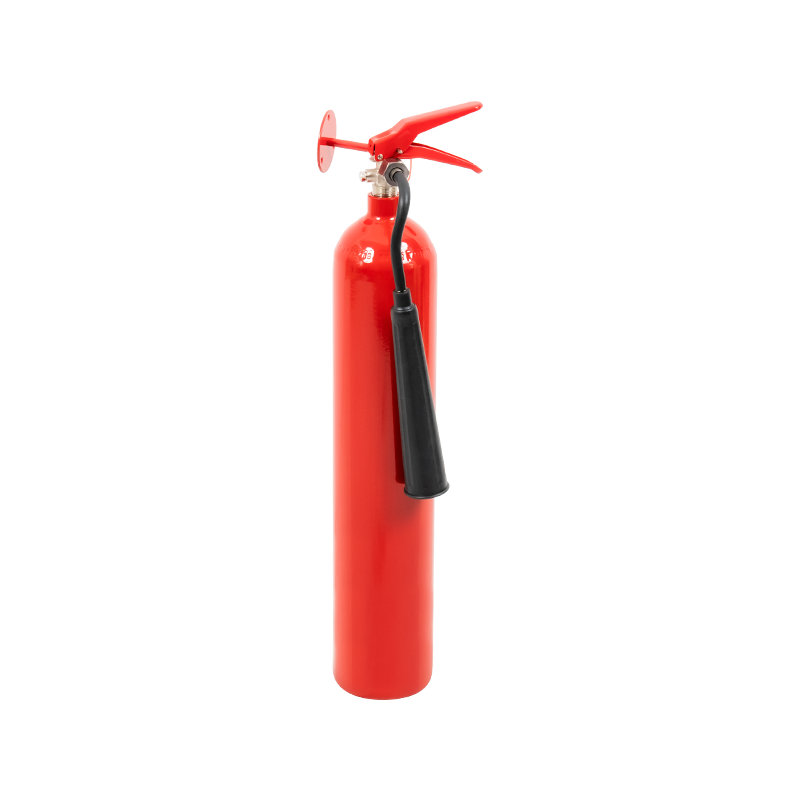
The 3kg portable steel fire extinguisher is a firefighting device designed to deal with all types of fires. Made of CK45 steel, it is sturdy and durab...
See Details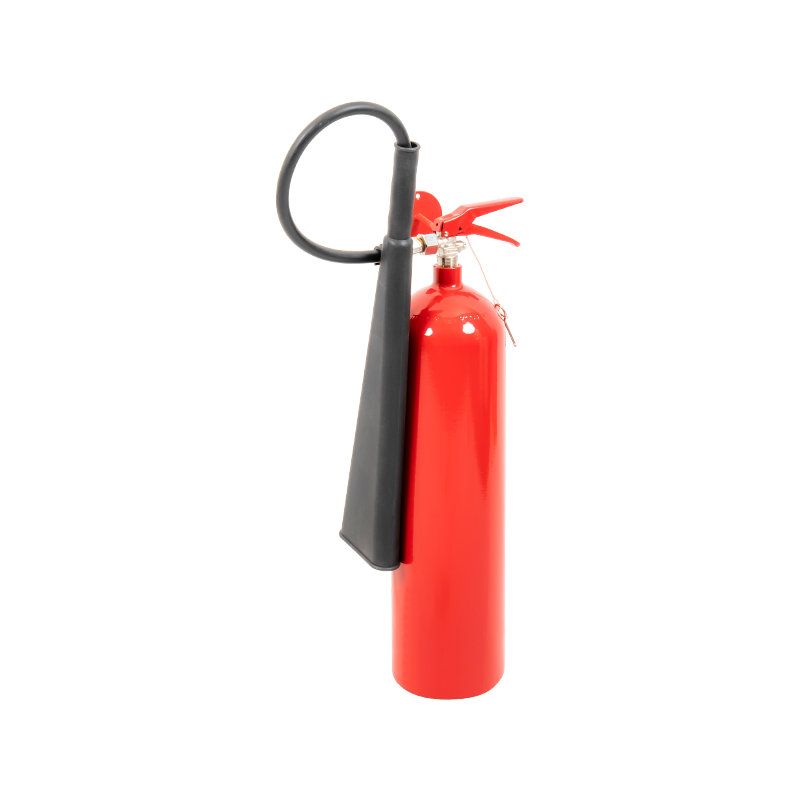
The 5kg CO2 CE extinguisher is suitable for a variety of applications, including in factories, production lines and warehouses. The 5kg CO2 extinguish...
See Details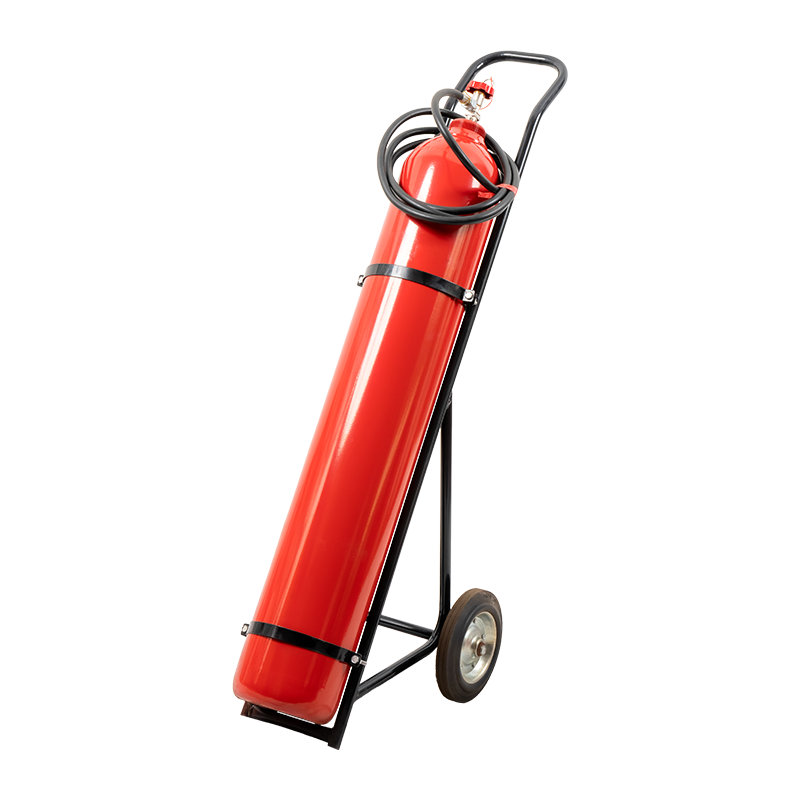
The 10KG Steel Cart-Mounted CO2 Fire Extinguisher is a portable firefighting tool consisting of a large steel cylinder with a capacity of 10kg CO2, mo...
See Details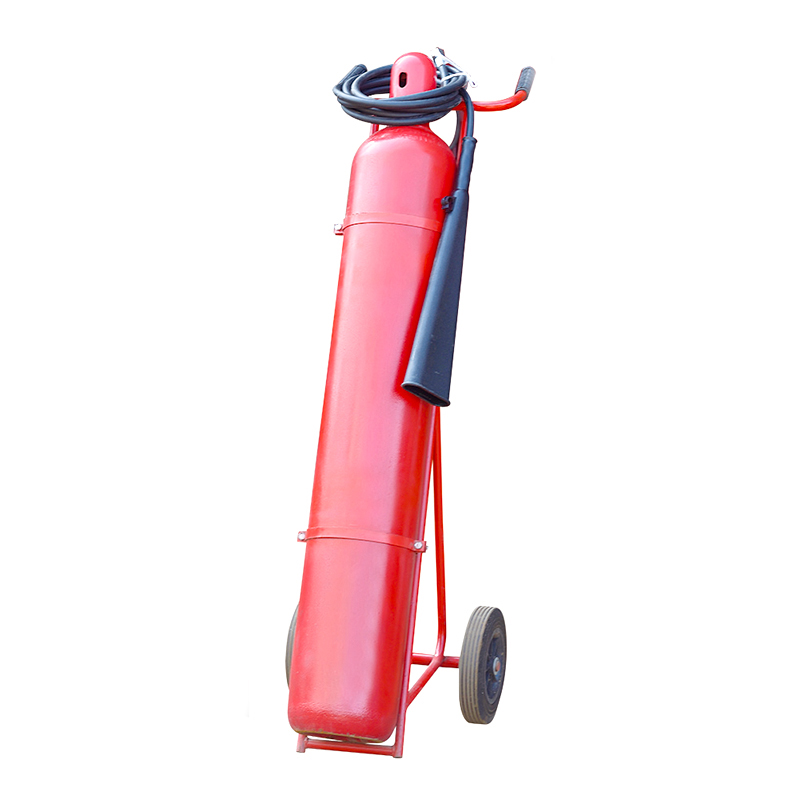
The 25kg trolley mobile fire extinguisher is a high-capacity fire-fighting equipment designed for large-scale fires. It has mechanical strength and co...
See Details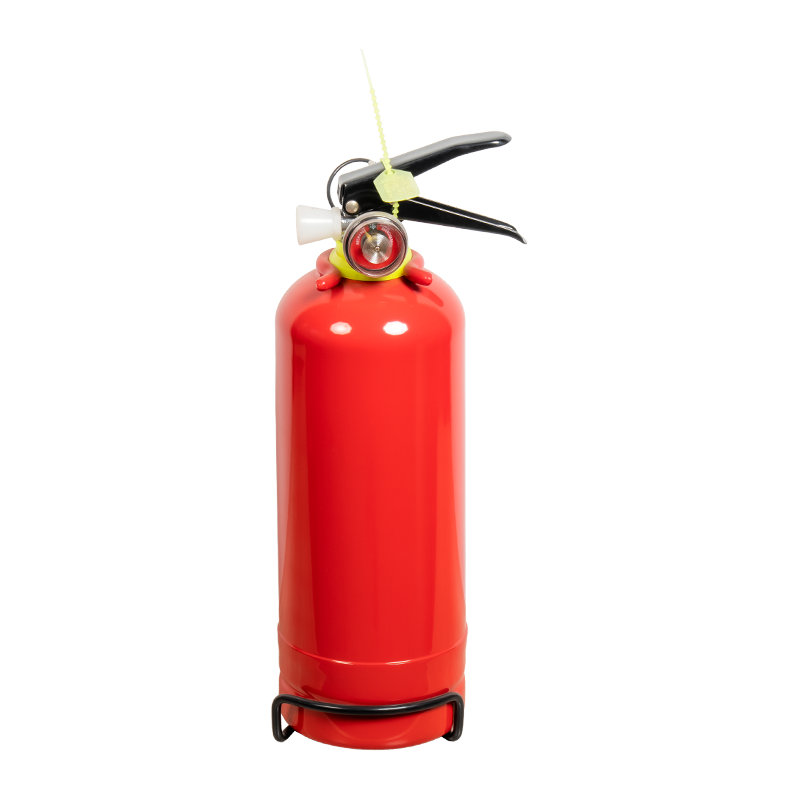
The 1kg portable dry powder fire extinguisher is a safety device used to put out small fires in emergency situations. Its outer shell is made of steel...
See Details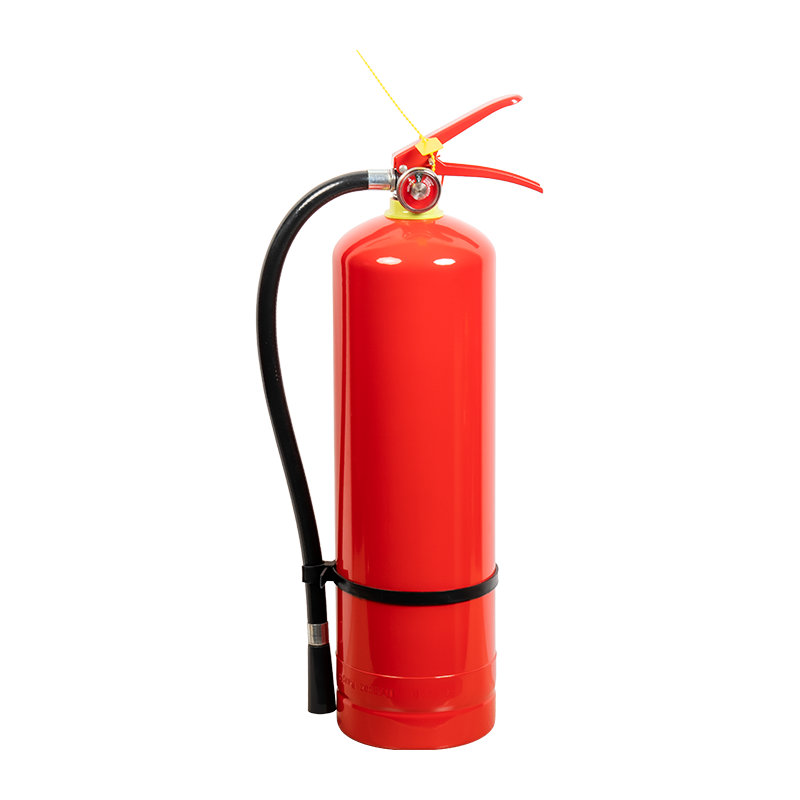
The 6kg stainless steel portable dry powder fire extinguisher is a fire extinguishing device suitable for extinguishing various small fires. Dry powde...
See Details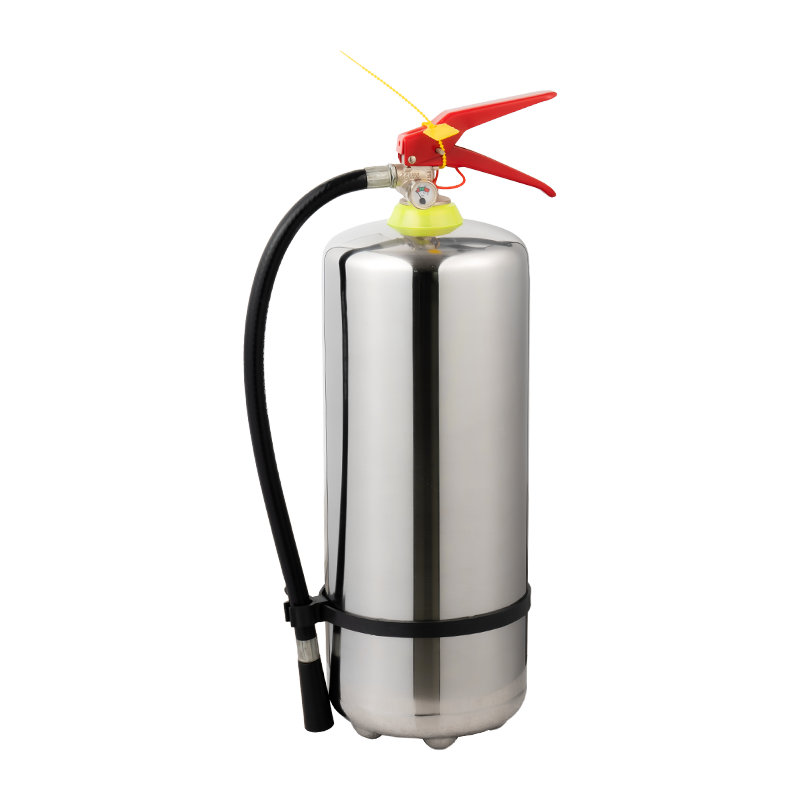
304 stainless steel 6L fire extinguisher is a professionally designed fire extinguishing equipment, made of high-quality SUS304 stainless steel materi...
See Details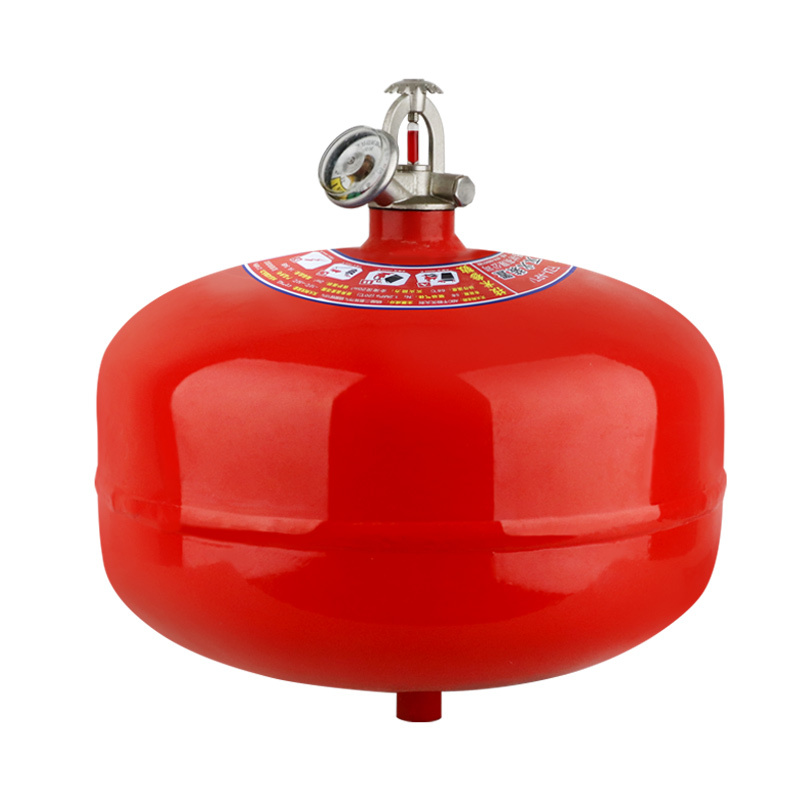
8KG hanging fire extinguisher can be installed on the wall or ceiling, fixed by hook or bracket, making it easy to quickly access and operate when nee...
See Details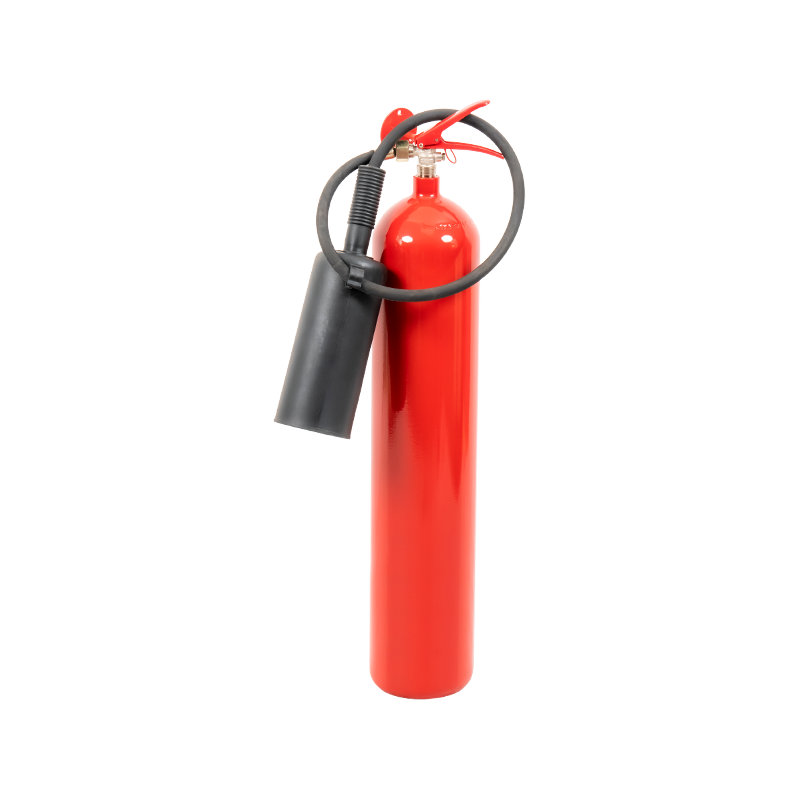
The 5kg fire-fighting carbon dioxide fire extinguisher can work in a wide temperature range, from -30˚C to +60˚C, to meet the firefighting needs in va...
See Details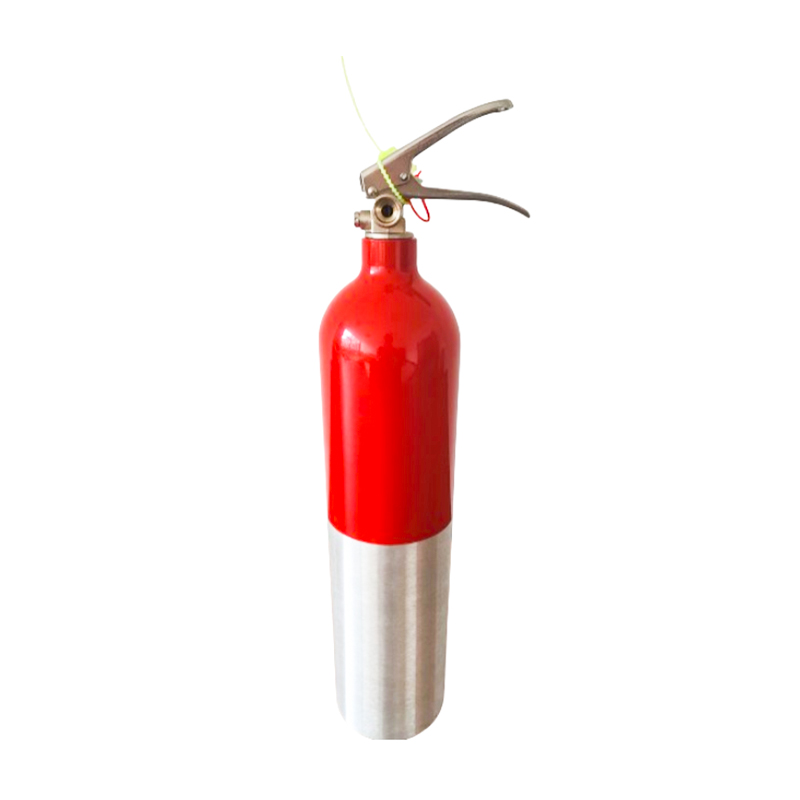
The 5KG portable aluminum fire extinguisher is an efficient and reliable fire extinguishing equipment suitable for fire protection needs in various in...
See Details
Zhejiang Yongshang Pressure Vessel Co., Ltd. was established in 2016. It is a modern enterprise integrating R&D, production and sales, specializing in the production of dry powder, carts, carbon dioxide fire extinguishers, seamless steel cylinders, and aluminum bottles.

+86 13857576559


Zhuhai Village, Gaibei Town, Shangyu District, Shaoxing City, Zhejiang Province, China
