 English
 عربى
 中文简体


3KG Portable Steel Fire Extinguisher(CK45/CE)
Cat:CO2 Fire Extinguisher (CK45/CE)
The 3kg portable steel fire extinguisher is a firefighting device designed to deal with all types of fires. Made of CK45 steel, it is sturdy and durab...
See Details
+86 13857576559
Carbon dioxide does not consume oxygen, absorb it or burn it away. It dilutes the air around the fire until the flame can no longer breathe, and then it disperses. The worry behind the question is legitimate, but the effect is temporary dilution rather than permanent loss.
Picture the moment. A technician discharges a 5 kg CO2 extinguisher inside a 3 m by 3 m control room. The horn roars for about ten seconds, the space fills with white fog, and someone asks the obvious question: did we just use up the oxygen in here?
The answer is no, and the reason is simple. CO2 is a stable, chemically inert molecule at room temperature. It does not react with oxygen, and the fire does not consume it. The roughly 2.7 cubic metres of gas released by a 5 kg cylinder stays in the room, mixed with the air, until ventilation or ordinary leakage carries it away. Oxygen levels recover by themselves once the gas clears.
Short answer: a CO2 extinguisher works by displacing air at the flame and by absorbing heat. Both effects are local and temporary. No oxygen is destroyed; it is only pushed aside.
A fire needs fuel, oxygen and heat at the same time. A CO2 extinguisher removes two of the three, which is why the phrase "eating oxygen" appeared in the first place.
Dilution comes first. Liquid CO2 leaves the cylinder and flashes into gas, expanding to roughly 400 times its liquid volume. That cloud pushes air away from the burning surface, and inside the flame zone the oxygen concentration drops below the 15 to 16 percent a flame needs to sustain itself. Combustion stops not because oxygen vanished from the building, but because it is no longer concentrated enough at the fuel.
Cooling comes second. The expansion absorbs heat, and the horn and nozzle fall to around minus 78 degrees Celsius as dry ice particles form. That cold stream also pulls heat out of the burning surface. CO2 still carries far less cooling capacity per kilogram than water, which is why it performs poorly on deep-seated fires in wood, paper or textiles.
The fire itself consumes oxygen and produces carbon dioxide. The extinguisher only adds CO2 — it displaces oxygen rather than destroying it.
The arithmetic is worth knowing before you buy. Under normal conditions, one kilogram of CO2 becomes about 0.54 cubic metres of gas. A 2 kg unit therefore releases roughly 1.1 cubic metres, a 3 kg unit about 1.6, a 5 kg unit about 2.7, and a 10 kg trolley about 5.4. That is the volume that has to mix into your room.
| Space | Volume | Oxygen after discharge | CO2 concentration |
|---|---|---|---|
| Small boat cabin (2 x 2 x 2.2 m) | 8.8 m³ | About 16.0 percent | About 23 percent |
| Small server room (3 x 3 x 2.5 m) | 22.5 m³ | About 18.7 percent | About 10.7 percent |
| Workshop (5 x 6 x 3 m) | 90 m³ | About 20.3 percent | About 2.9 percent |
| Open warehouse bay (10 x 10 x 6 m) | 600 m³ | About 20.8 percent | About 0.45 percent |
The column that matters for health is the last one. Carbon dioxide becomes a problem for people at concentrations well below the level that would starve a flame. In the 22.5 m³ server room above, oxygen is still above 18 percent, yet the CO2 itself reaches about 10 percent — enough to cause unconsciousness within minutes.
Oxygen depletion becomes a concern below 19.5 percent and a serious one below 16 percent, but in most rooms cleared by a portable extinguisher the CO2 concentration, not the oxygen count, reaches a dangerous level first. Cylinder behaviour matters here too: understanding how a 5 kg CO2 unit behaves as it discharges helps you judge how much gas will actually be released into the space.
The classic accident profile is not a large hall. It is a 6 to 30 cubic metre enclosed space with the door shut: a boat cabin or engine bay, a vehicle interior, a small data room, a cold store, a lift shaft, a paint booth or an inspection pit.
Two factors make those spaces worse. CO2 is about 1.5 times denser than air, so it settles toward the floor and fills bilges, pits and low corners first, while the air at head height can still look and measure fine. The discharge fog also hides the exit just when you need it most, so someone who stays inside can lose orientation before noticing any physical symptoms.
For those spaces, charge size is a safety variable rather than a price variable. A 3 kg portable unit releases roughly 1.6 cubic metres of gas, about 40 percent less than a 5 kg unit, which is often the better balance in a tight cabin or an electrical cubicle where floor area is limited and the door is narrow.
Never discharge a CO2 extinguisher at a person. The horn reaches around minus 78 degrees Celsius and throws dry ice particles that frostbite skin in seconds, while the gas cloud displaces breathable air around the head. Use it on fires only, then leave the space.
CO2 does not linger indefinitely. In a normal room it leaks through door gaps, ducts, extract systems and open windows, and a small workroom typically returns close to ambient carbon dioxide levels within minutes of a door being opened. Pits, basements and unventilated holds are the exception, because the gas is heavy and the openings are usually at the top.
Where a fixed CO2 system has flooded a machine room, treat the space as immediately dangerous until it has been ventilated and measured. Entry delays and interlocks on those systems exist for exactly this reason.
One more habit worth building: if the fire touched a rack, a cable tray or stored paper, do not assume it is out. CO2 knocks down surface flames but does not soak into the fuel, so smouldering material can reignite once the gas disperses. Larger spaces such as plant rooms, loading bays and workshops are usually served by a mobile unit rather than a handheld one.
The injuries reported after CO2 discharges are cold burns, falls caused by lost visibility, and asphyxiation in confined spaces. Frostbite from the horn and nozzle is a real hazard on its own, and the white cloud can be dense enough to erase landmarks in a corridor.
Fire class matters just as much. CO2 is rated for flammable liquids and live electrical equipment. It is not rated for deep-seated Class A fires in wood, paper and textiles, and it is a poor fit for cooking oils, where the jet can splash burning fat out of a pan and spread the fire across the kitchen.
Used correctly, though, CO2 has advantages that powder cannot match. It leaves no residue to clean out of circuit boards, it does not coat a room in fine dust, and it does not conduct electricity, which is why it remains the default choice for switch rooms, control panels and small flammable liquid stores.
Check the label before you rely on a CO2 unit: if the fire involves burning paper, textiles, upholstery or cooking oil, a different agent is usually the safer specification.
Choosing for an enclosed space is a trade-off between the size of the space, what is burning, and what you can tolerate afterwards.
| Agent | Oxygen effect at the fire | Residue and cleanup | Main risk in a small room |
|---|---|---|---|
| CO2 | Displaces air locally; recovers once ventilated | None; electronics can be reused after inspection | Asphyxiation and frostbite in tight spaces |
| Dry chemical powder | No meaningful effect on oxygen | Fine powder on every surface; damages electronics | Poor visibility and breathing irritation |
| Water and foam | Cools the fuel; does not displace oxygen | Water damage, and unsafe on live electrical equipment | Shock risk rather than any asphyxiation risk |
For a space under about 30 cubic metres, CO2 is workable if people leave immediately after the fire is out. If the space is normally occupied and cannot be cleared quickly, a foam or water-based option may be safer even with the cleanup cost. The range of CO2 extinguisher sizes available today runs from 2 kg and 3 kg portable units through to 5 kg handhelds and 10 kg trolleys, so the charge can be matched to the cubic metres rather than guessed.
A CO2 extinguisher does not eat oxygen. It temporarily displaces it, and in a sealed 10 to 30 cubic metre space the gas it releases can reach concentrations that stop a person breathing long before the oxygen level falls anywhere near zero. Treat every discharge in an enclosed space as an atmosphere event, not just a fire event: get out, open up, ventilate low, measure, then return.
Practical summary: no permanent oxygen loss, no chemical consumption. The numbers that decide safety are the CO2 concentration in the room, the room volume against the charge size, low-level pooling, and ventilation before anyone re-enters.
When specifying units for cabins, plant rooms or cabinets, start from the cubic metres of the space and the fire risk inside it rather than from the price of the cylinder. That single number decides whether a 3 kg or a 5 kg unit is the better choice, and it is the number that keeps an extinguisher discharge from turning into a second emergency.
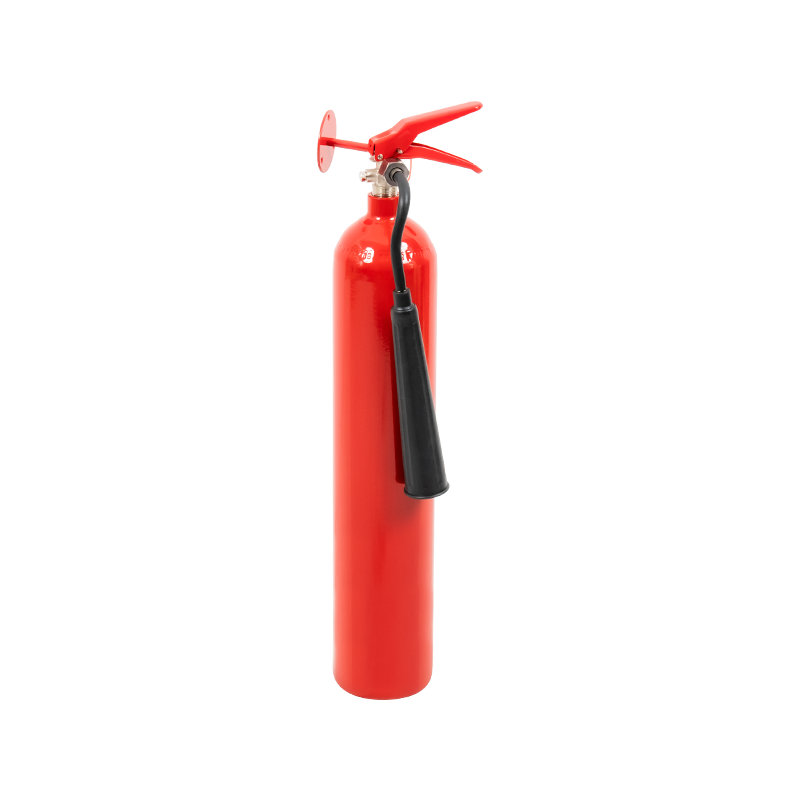
The 3kg portable steel fire extinguisher is a firefighting device designed to deal with all types of fires. Made of CK45 steel, it is sturdy and durab...
See Details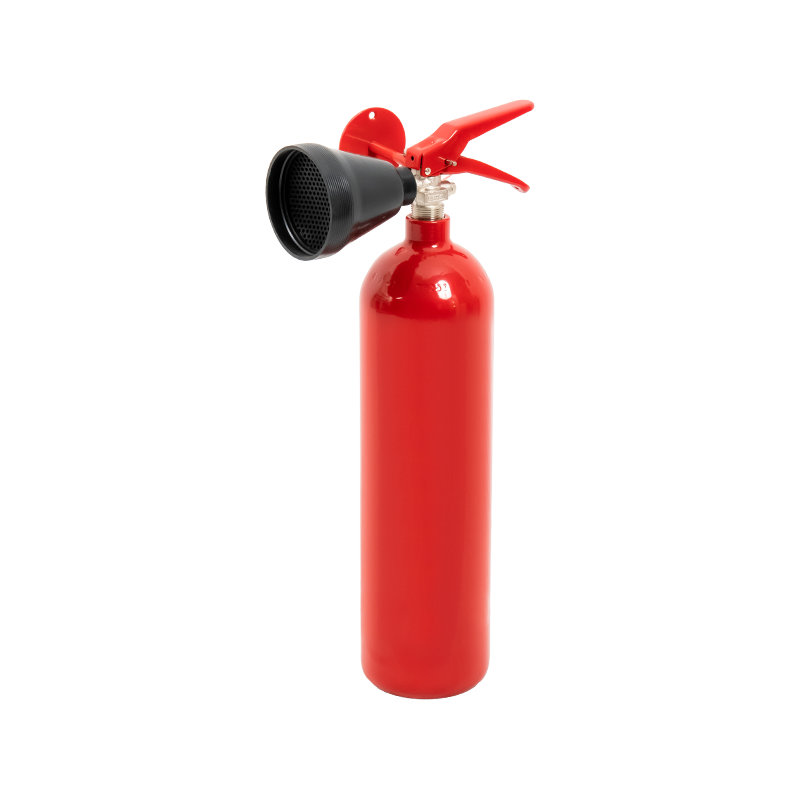
The 2kg portable CE fire extinguisher is a firefighting device designed for quick response and extinguishing of small fires. It is made of high-streng...
See Details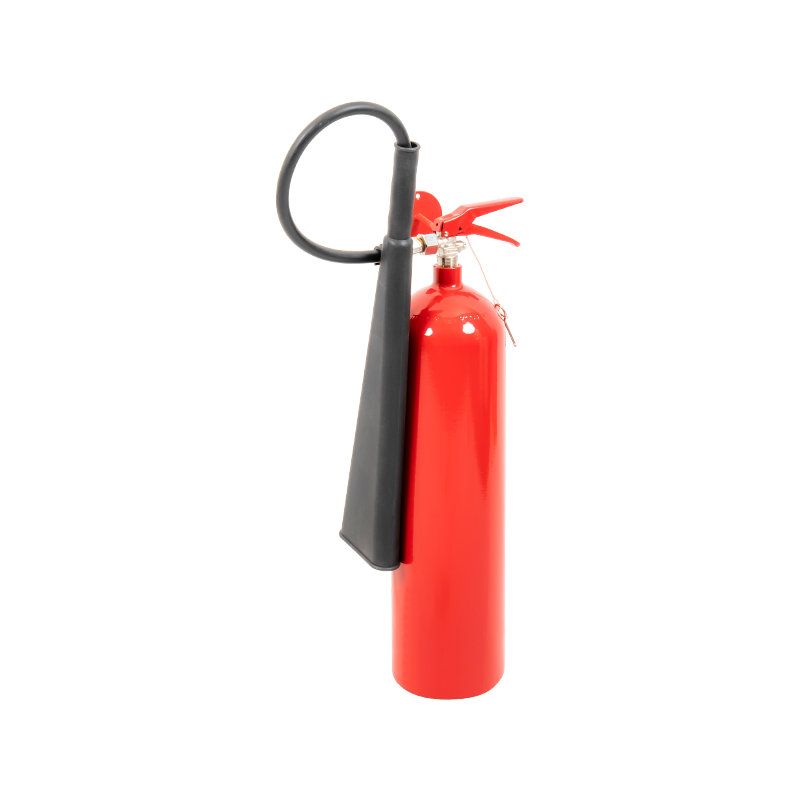
The 5kg CO2 CE extinguisher is suitable for a variety of applications, including in factories, production lines and warehouses. The 5kg CO2 extinguish...
See Details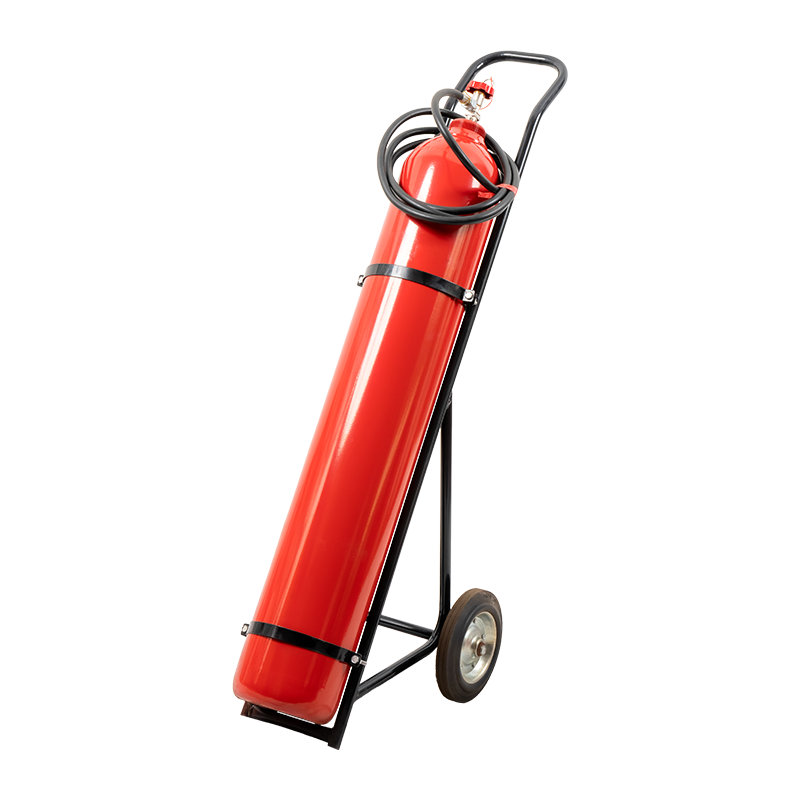
The 10KG Steel Cart-Mounted CO2 Fire Extinguisher is a portable firefighting tool consisting of a large steel cylinder with a capacity of 10kg CO2, mo...
See Details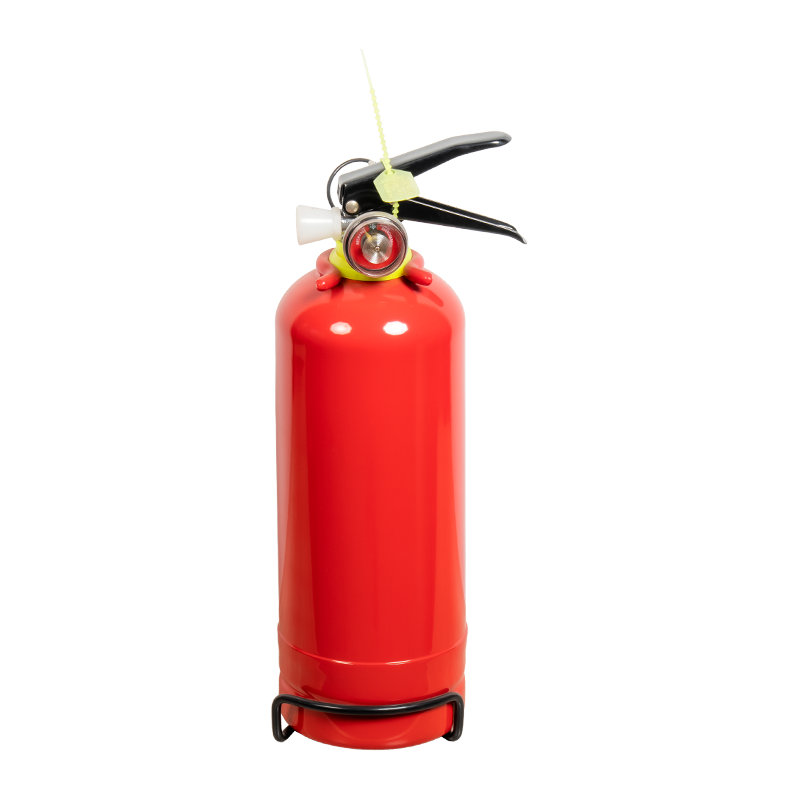
The 1kg portable dry powder fire extinguisher is a safety device used to put out small fires in emergency situations. Its outer shell is made of steel...
See Details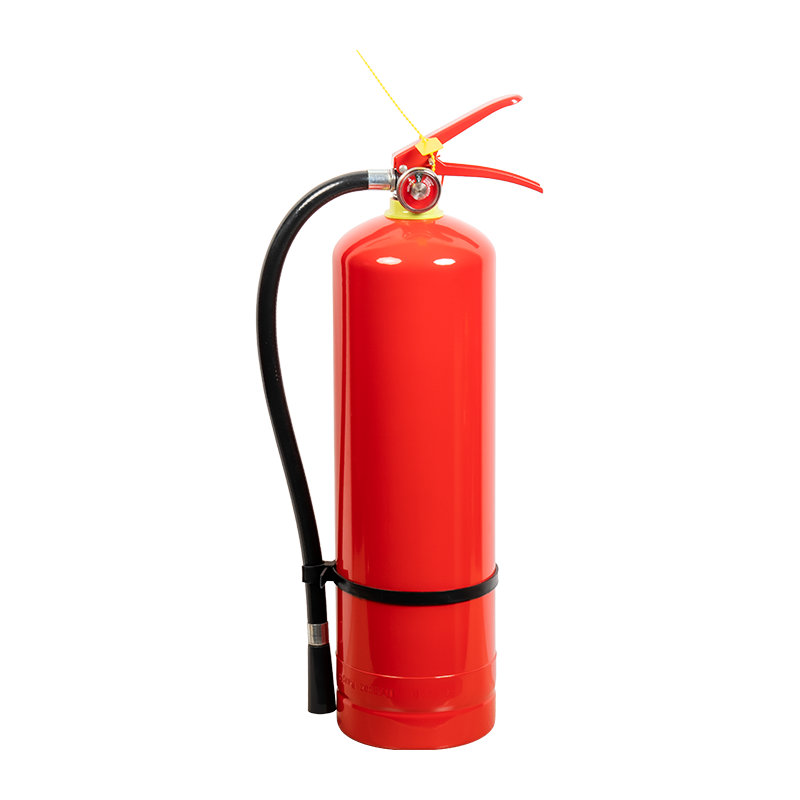
The 6kg stainless steel portable dry powder fire extinguisher is a fire extinguishing device suitable for extinguishing various small fires. Dry powde...
See Details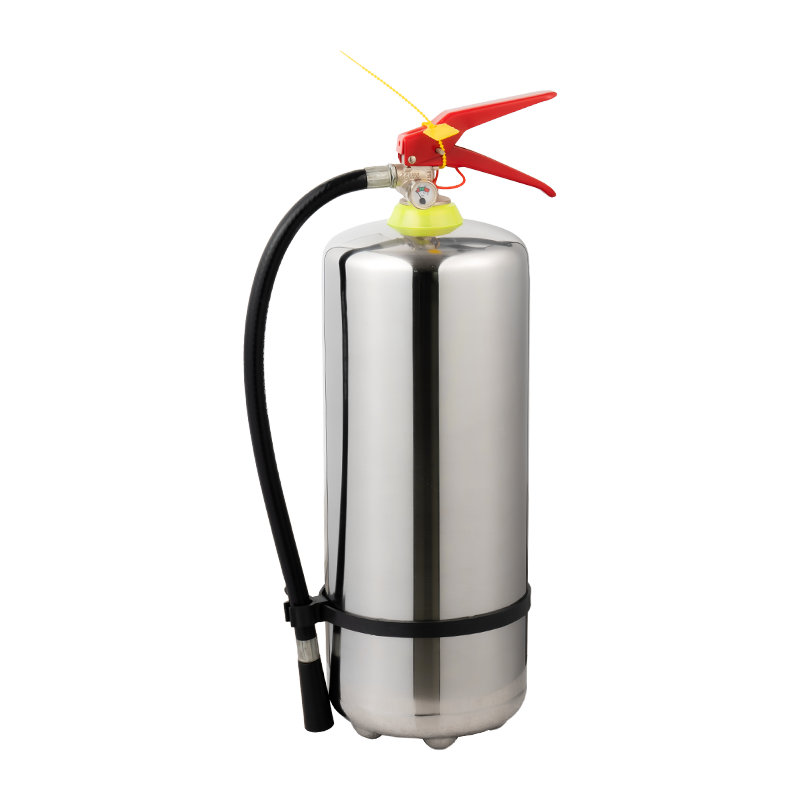
304 stainless steel 6L fire extinguisher is a professionally designed fire extinguishing equipment, made of high-quality SUS304 stainless steel materi...
See Details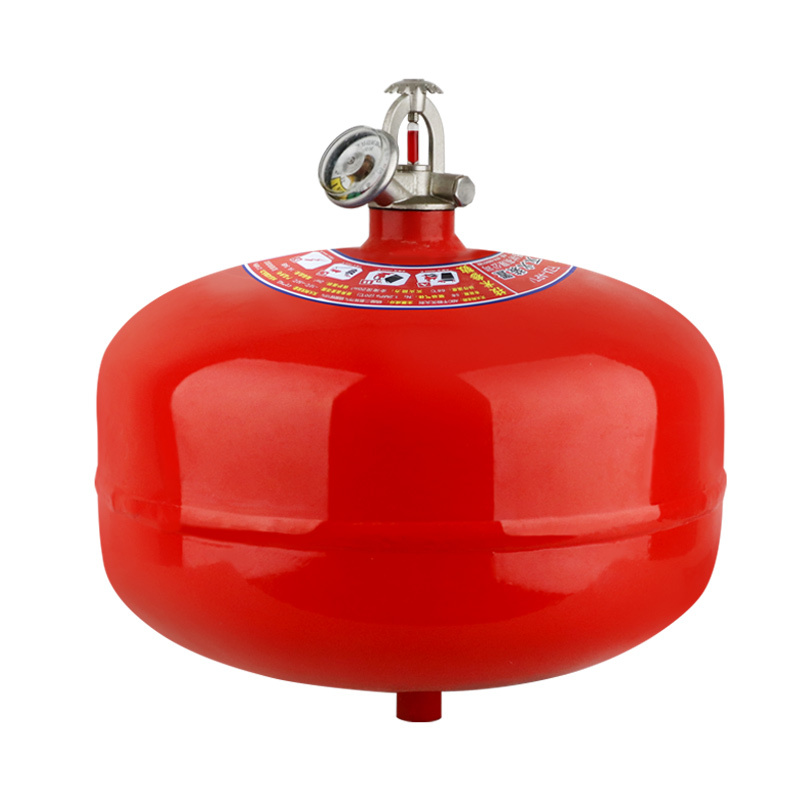
8KG hanging fire extinguisher can be installed on the wall or ceiling, fixed by hook or bracket, making it easy to quickly access and operate when nee...
See Details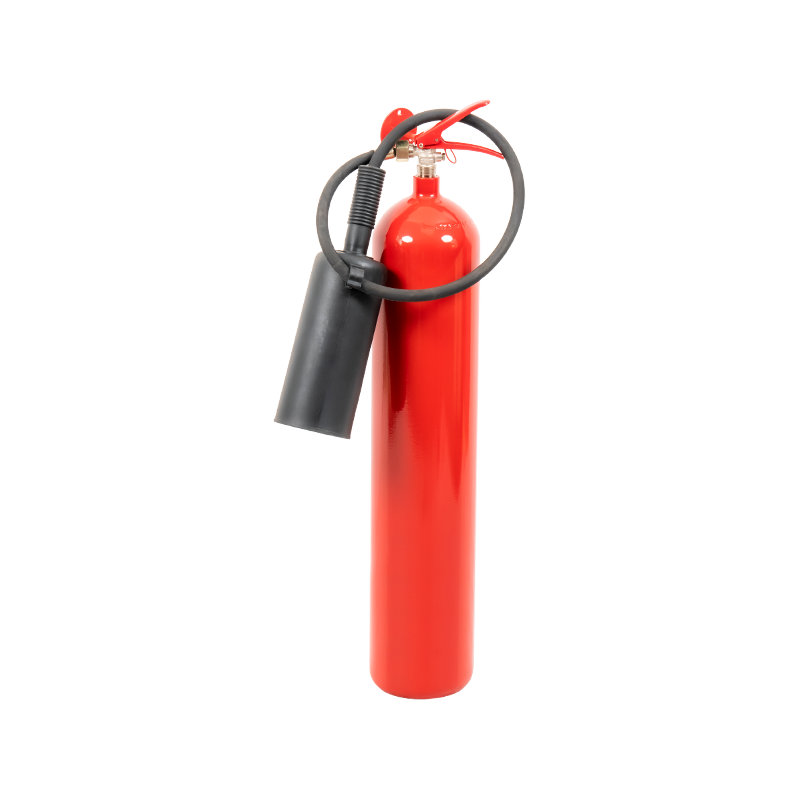
The 5kg fire-fighting carbon dioxide fire extinguisher can work in a wide temperature range, from -30˚C to +60˚C, to meet the firefighting needs in va...
See Details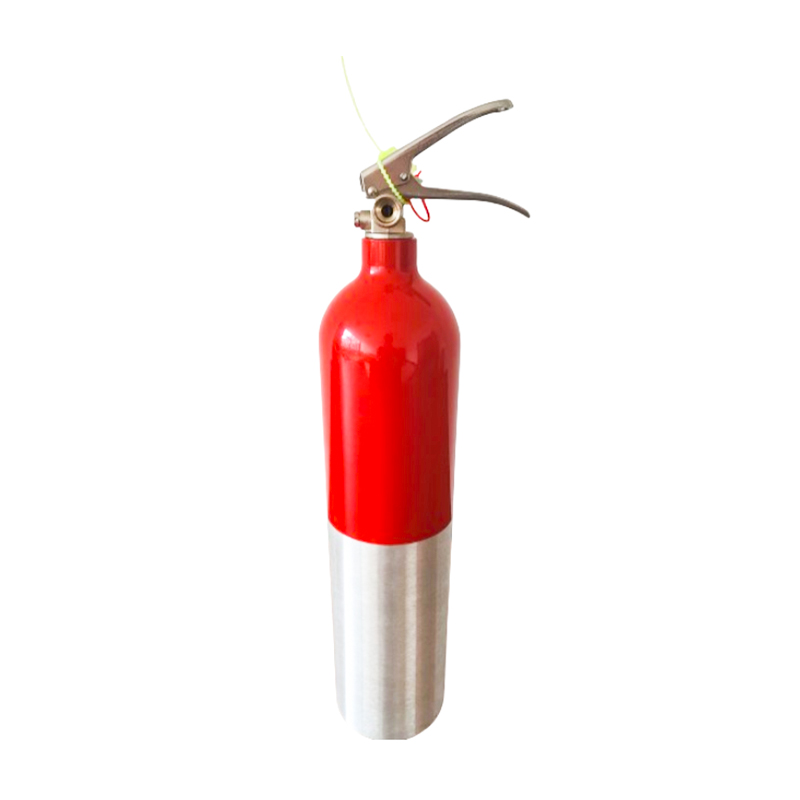
The 5KG portable aluminum fire extinguisher is an efficient and reliable fire extinguishing equipment suitable for fire protection needs in various in...
See Details
Zhejiang Yongshang Pressure Vessel Co., Ltd. was established in 2016. It is a modern enterprise integrating R&D, production and sales, specializing in the production of dry powder, carts, carbon dioxide fire extinguishers, seamless steel cylinders, and aluminum bottles.

+86 13857576559


Zhuhai Village, Gaibei Town, Shangyu District, Shaoxing City, Zhejiang Province, China
