 English
 عربى
 中文简体


3KG Portable Steel Fire Extinguisher(CK45/CE)
Cat:CO2 Fire Extinguisher (CK45/CE)
The 3kg portable steel fire extinguisher is a firefighting device designed to deal with all types of fires. Made of CK45 steel, it is sturdy and durab...
See Details
+86 13857576559
Most people meet an oxygen cylinder from a distance. It stands in the corner of a fabrication bay, sits strapped to a trolley in a hospital corridor, or waits in a rack outside a workshop where someone will soon be cutting plate. Up close it is one of the more honest objects in industrial safety: a seamless steel shell, a valve at the top, and a set of numbers stamped into the shoulder that describe exactly what it is allowed to do.
We have been building pressure vessels in Zhejiang since 2016, and the questions that reach us rarely begin with specifications. They begin with trust. Will this cylinder still be sound in five years? Will the valve thread match the regulator the customer already owns? Will the marking and the paperwork hold up at customs and in the auditor's office? Those are the questions worth answering first, so that is the order this guide follows.
In technical terms, it is a refillable, seamless steel pressure vessel built to store and transport oxygen at a working pressure of 150 bar or 200 bar. The word that carries the most weight is seamless. The body is formed from a single piece of steel, pierced and drawn, so there is no longitudinal weld interrupting the stress path when the cylinder is filled, moved, dropped, or refilled for the thousandth time.
Oxygen adds a second layer of discipline. The gas does not burn on its own, but it makes almost everything around it burn hotter and faster, which is why the inside of an oxygen cylinder has to be clean to a standard that ordinary compressed-air vessels never see: degreased, dried, and capped before it leaves the line. The valve, the thread, and the shoulder marking are not accessories bolted on at the end. They are part of the same safety case.
Steel remains the default choice for good reasons. It offers high strength for every litre of water capacity, tolerates rough handling on site, holds a long fatigue life under repeated filling cycles, and sits inside a requalification and repair chain that exists in almost every market. Aluminium has its own advantages, but for oxygen duty in industrial and fire-safety settings, steel is usually the material that keeps a fleet running for decades.
A specification sheet becomes easy once you know which handful of numbers actually changes a buying decision. The rest is detail that concerns the auditor more than the buyer, though it still needs to be right.
| Parameter | Common value | What it tells you |
|---|---|---|
| Working pressure | 150 bar or 200 bar | The pressure the body sees during normal filling and use |
| Proof test pressure | 250 bar or 300 bar | Usually 1.5 times working pressure, applied during the hydraulic proof test |
| Body material | 37Mn, alloy steel such as 34CrMo4 | Manganese steel suits 150 bar duty; chromoly grades carry higher pressure |
| Design standard | ISO 9809-1, ISO 9809-3 | Part 1 covers quenched and tempered bodies, part 3 covers normalized bodies |
| Water capacity | 10 L, 40 L, 47 L, 50 L | The internal volume, and the honest measure of how much gas you carry |
| Valve connection | W21.8 x 1/14, G5/8 | The thread that decides whether your regulator fits without an adapter |
| Shoulder marking | Standard, pressure, serial, test date | The cylinder's own passport, stamped where inspectors can read it |
Manganese steel, usually designated 37Mn, is the workhorse for 150 bar bodies. It draws and heat treats predictably, keeps its toughness in cold weather, and holds unit cost at a level that suits the volumes most distributors actually order. When working pressure climbs to 200 bar, or when the wall has to stay thin for weight reasons, alloy grades such as 34CrMo4 come into the picture. Both routes are legitimate. What is not legitimate is a body whose steel grade and heat treatment do not match the standard printed on its shoulder.
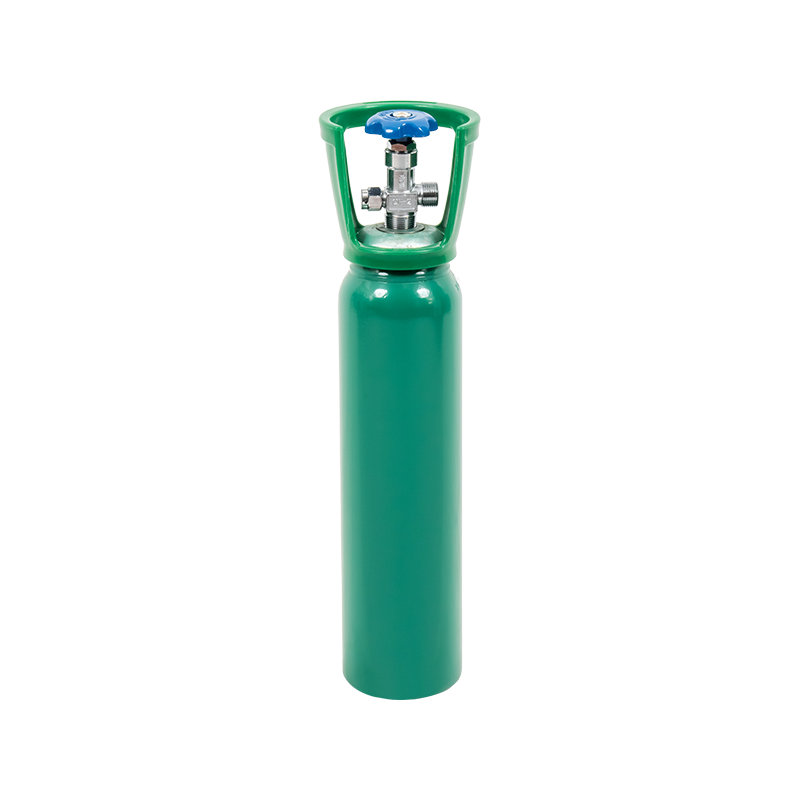 37Mn Seamless High-Pressure Gas Cylinders for Industrial and Medical UseView the 37Mn seamless cylinder range in 2–82 L capacities, rated at 150 bar, for industrial, medical, and specialty-gas storage.View Product →
Aluminium cylinders are lighter, resist corrosion gracefully in coastal air, and are pleasant to handle where a cylinder is carried by hand rather than rolled on a trolley. Steel cylinders carry more gas per litre of shell, cost less per unit of capacity, and survive the small abuses of a filling plant with fewer complaints. The decision is rarely about the material being better. It is about who lifts the cylinder, how far it travels, and how many times a year it comes back for a refill.
In practice, most of our customers keep steel as the backbone of the fleet and use aluminium for the handheld, high-mobility part of the range. If you are buying for a filling station, a welding workshop, or a hospital gas store, steel will almost always be the cheaper cylinder to own over its lifetime.
On our own line, quality is not a final inspection. It is a sequence of decisions that starts with incoming steel and ends with a cap on the valve thread. Billets are checked, then hot pierced and cold drawn to shape. Bodies go through controlled heat treatment, come back for dimensional and wall-thickness checks, and pass a hydraulic proof test before anything else is done to them. Internal surfaces are cleaned to oxygen-service cleanliness, the outer shell is shot blasted and coated, and the marking is applied against the certificate rather than against memory.
Custom work is routine rather than exceptional: colours, labels, valve configurations, and capacity variants are discussed with an engineering team that follows the order from drawing to shipment. With more than a thousand projects behind us, the patterns are well understood, and the honest answer to an unusual request is usually available within a day.
A cylinder that passes its proof test on the day it is made is not the same thing as a cylinder that will pass it in five years. The difference lives in the steel, the heat treatment, and the way the thread was cut.
Oxygen service cleanliness is not a marketing phrase. Residual oil, grease, or cutting fluid inside a cylinder or on a valve thread can ignite under pressure. Buyers should expect a degreased, dried, and capped body, and should ask how that condition is verified before shipment.
Steel Seamless Gas Cylinders for Multiple Gas ApplicationsExplore weld-free steel seamless cylinders with customizable pressures and capacities for industrial, medical, specialty, aerospace, automotive, and fire-safety uses.View Product →Most field problems begin at the valve, not at the shell. A gas cylinder valve for oxygen duty is typically a brass or chrome-plated brass body with a carefully matched seat, a burst disc for over-pressure protection, and a thread cut to the standard your market actually uses. A cylinder that is perfect in every other respect is useless if the outlet does not accept the regulator hanging on the wall.
Because we machine and assemble valves in the same plant as the bodies, thread fit, torque, and leak testing are handled together rather than assumed across a supplier boundary. That matters more than it sounds. When a shipment arrives with a thread that is a fraction tight, the cost is not the valve; it is the container, the return freight, and the customer's filling schedule.
 Gas Cylinder Valve OEM/ODM Range with CO2 Fire Extinguisher ValvesReview OEM/ODM gas cylinder valves, including QF and CGA models and CO2 fire extinguisher valves, with thread fit and leak testing handled in-house.View Product →
Nothing in this list takes more than a few minutes, and together they catch most of what goes wrong between requalification dates.
Our engineers have also written a short field guide on detecting the early signs of wear and damage in a seamless steel gas cylinder, which is worth keeping with the inspection log.
Never use oil, grease, or ordinary thread tape on an oxygen valve connection. Requalification intervals are commonly five years for steel bodies, but your local regulation decides, and the stamp on the shoulder is the version that counts.
When a quotation arrives, these are the points that separate a workable offer from an expensive lesson.
If a supplier cannot answer those five points in writing, the price is not the interesting part of the conversation.
An oxygen cylinder is a long relationship rather than a single purchase. It will be filled, emptied, moved, inspected, and filled again for years, and every one of those cycles leans on decisions made quietly in a factory: which steel was used, how the heat treatment was controlled, whether the inside of the shell was truly clean, whether the thread was cut to the right standard.
Those decisions are the part of the work we care about most. If you would like to compare specifications, ask about a custom colour or capacity, or simply see how the range is organised, you are welcome to browse our pressure vessel and fire equipment lines and talk to the team directly. A good cylinder is boring in the best possible way, and that is exactly the goal.
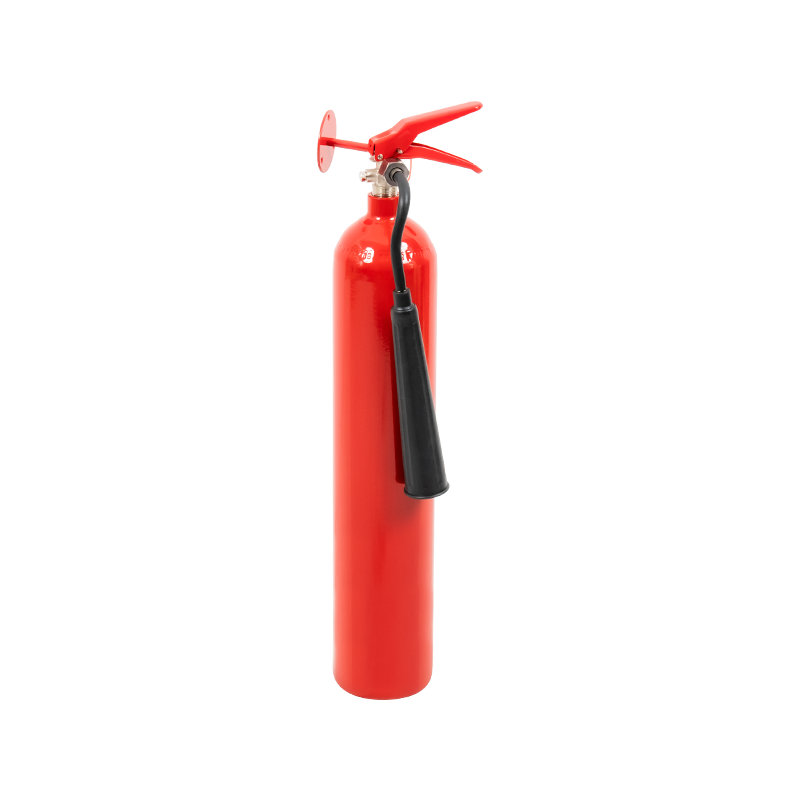
The 3kg portable steel fire extinguisher is a firefighting device designed to deal with all types of fires. Made of CK45 steel, it is sturdy and durab...
See Details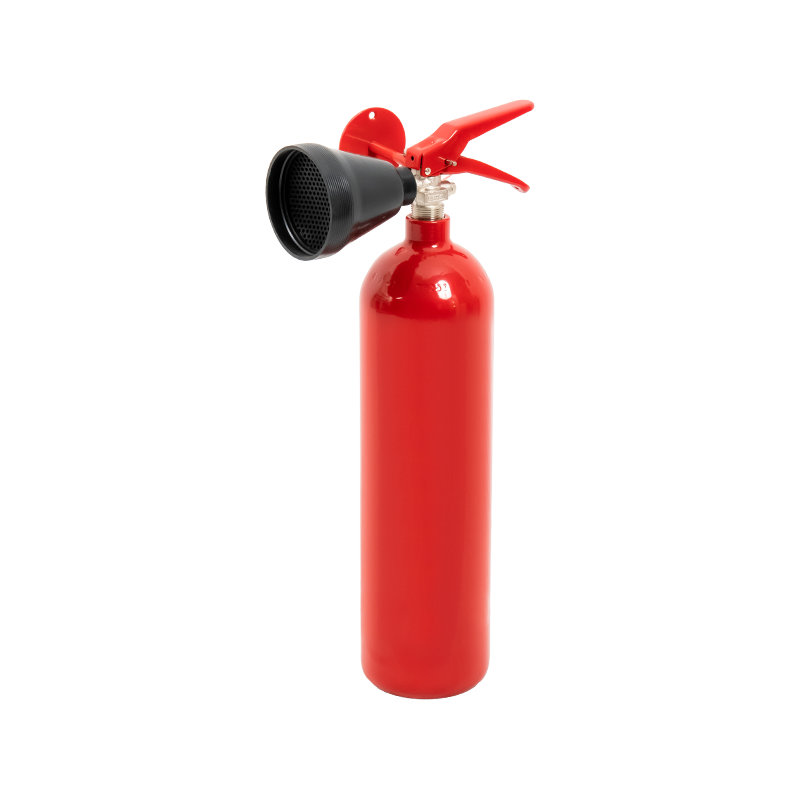
The 2kg portable CE fire extinguisher is a firefighting device designed for quick response and extinguishing of small fires. It is made of high-streng...
See Details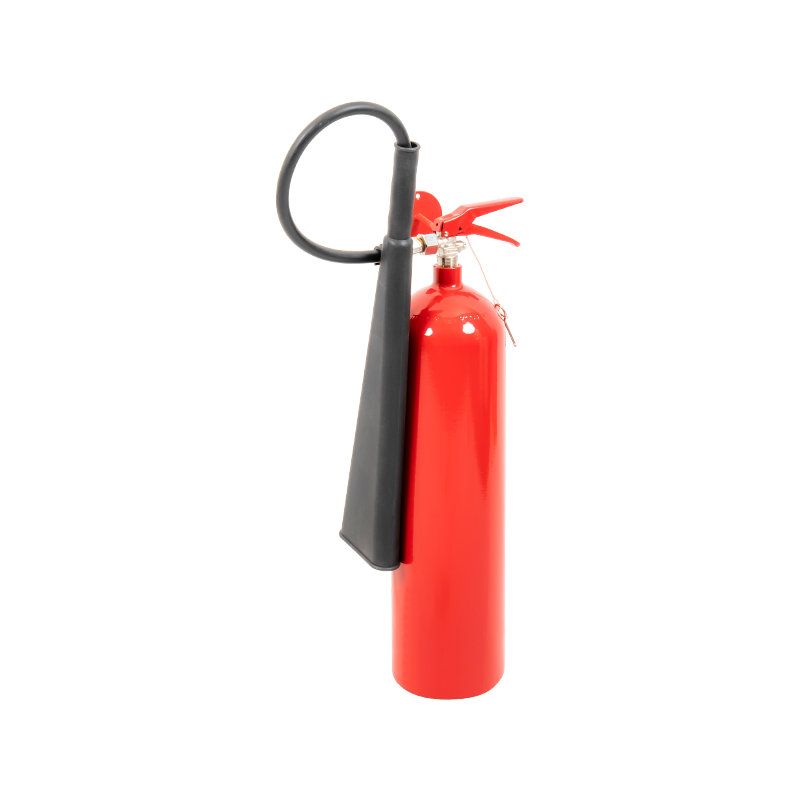
The 5kg CO2 CE extinguisher is suitable for a variety of applications, including in factories, production lines and warehouses. The 5kg CO2 extinguish...
See Details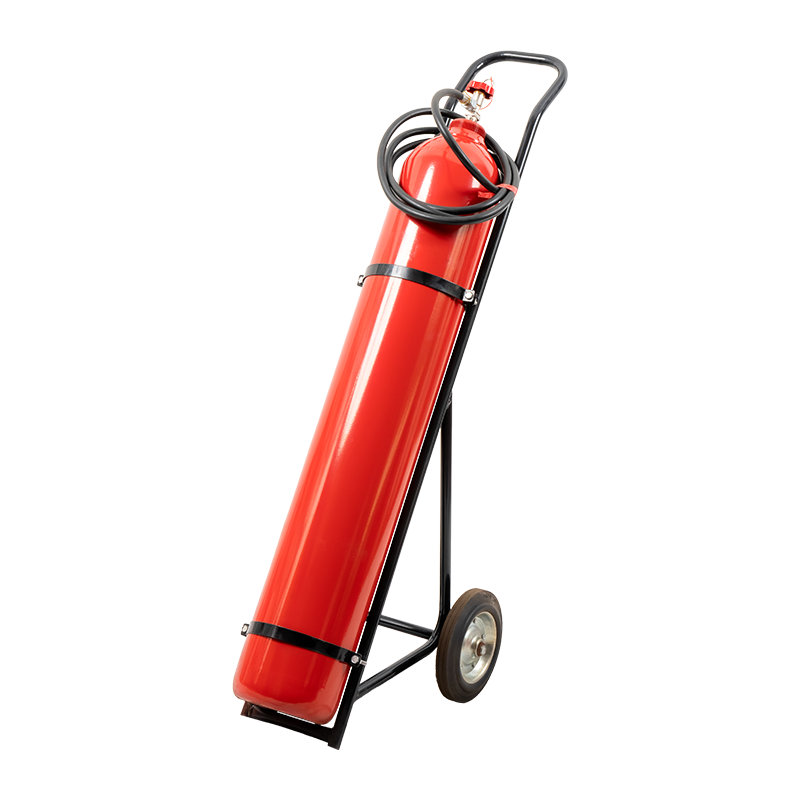
The 10KG Steel Cart-Mounted CO2 Fire Extinguisher is a portable firefighting tool consisting of a large steel cylinder with a capacity of 10kg CO2, mo...
See Details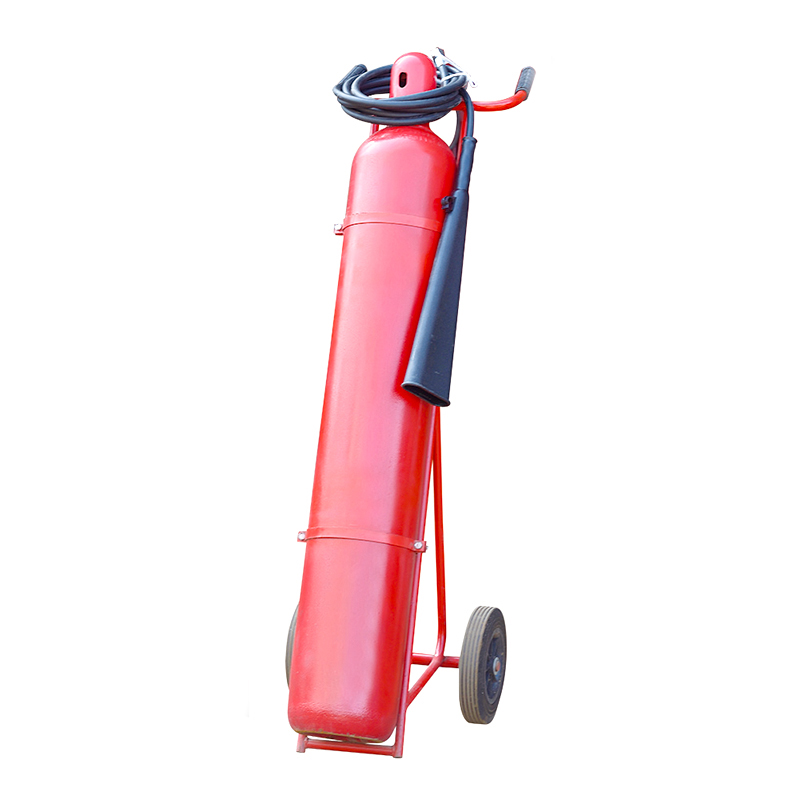
The 25kg trolley mobile fire extinguisher is a high-capacity fire-fighting equipment designed for large-scale fires. It has mechanical strength and co...
See Details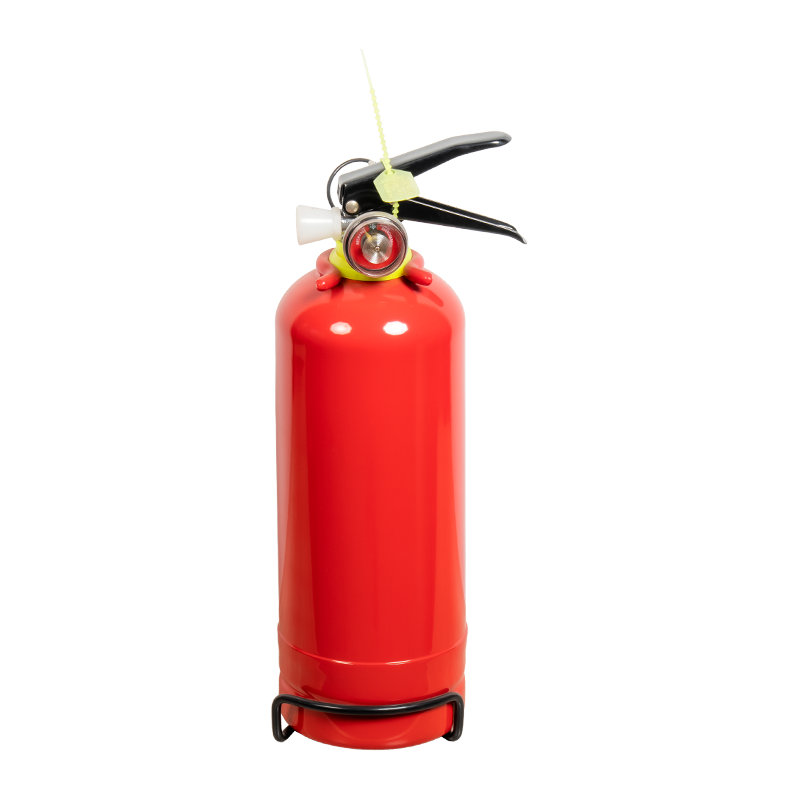
The 1kg portable dry powder fire extinguisher is a safety device used to put out small fires in emergency situations. Its outer shell is made of steel...
See Details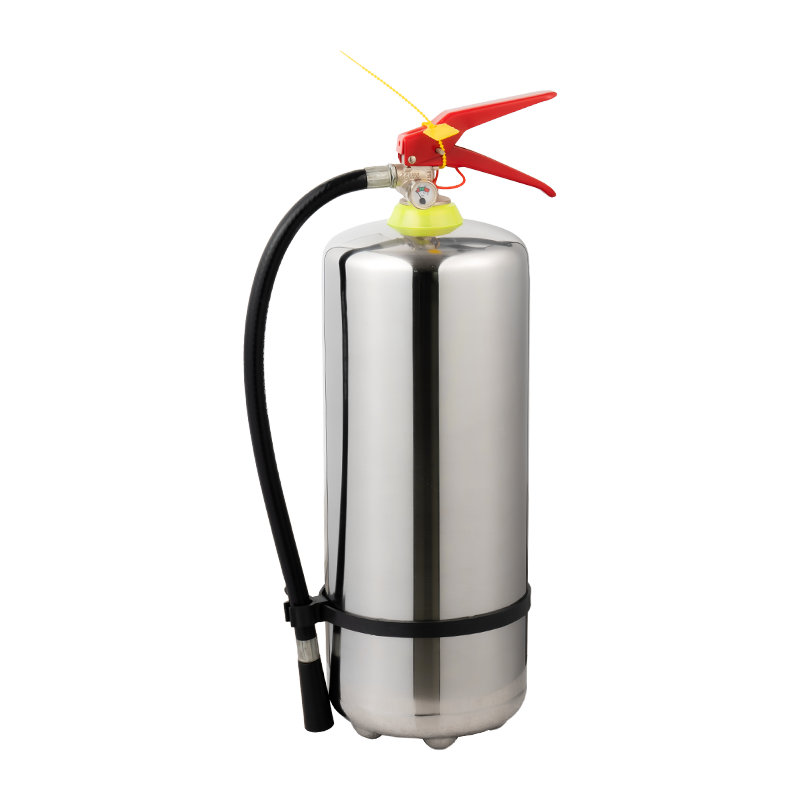
304 stainless steel 6L fire extinguisher is a professionally designed fire extinguishing equipment, made of high-quality SUS304 stainless steel materi...
See Details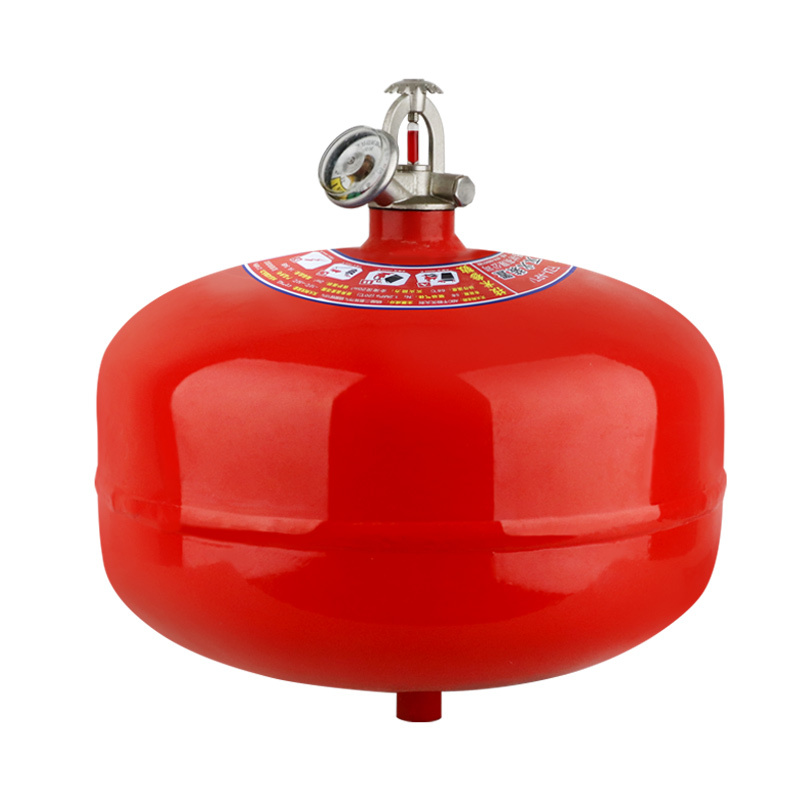
8KG hanging fire extinguisher can be installed on the wall or ceiling, fixed by hook or bracket, making it easy to quickly access and operate when nee...
See Details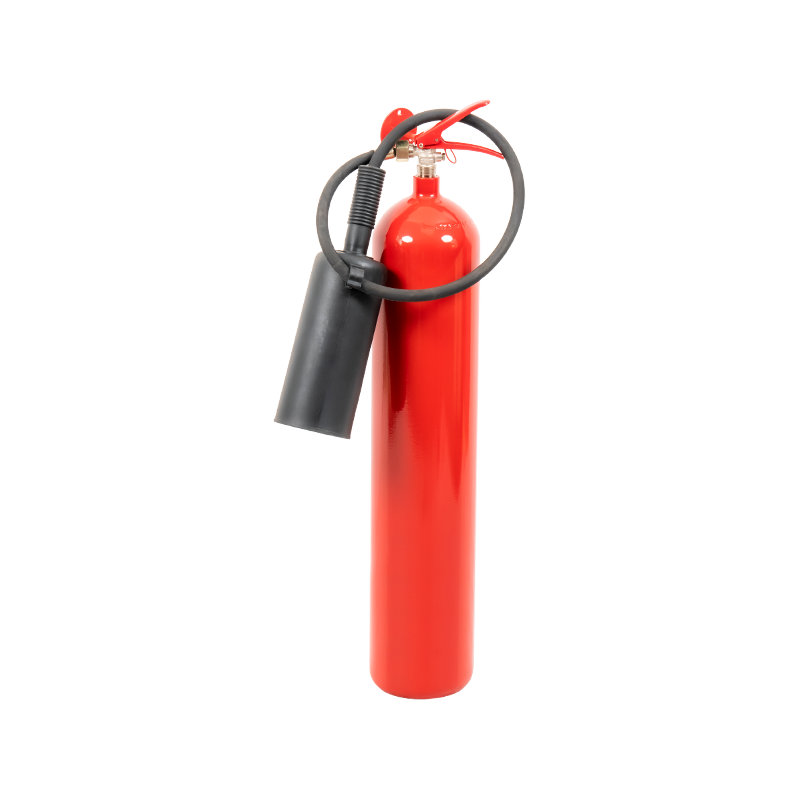
The 5kg fire-fighting carbon dioxide fire extinguisher can work in a wide temperature range, from -30˚C to +60˚C, to meet the firefighting needs in va...
See Details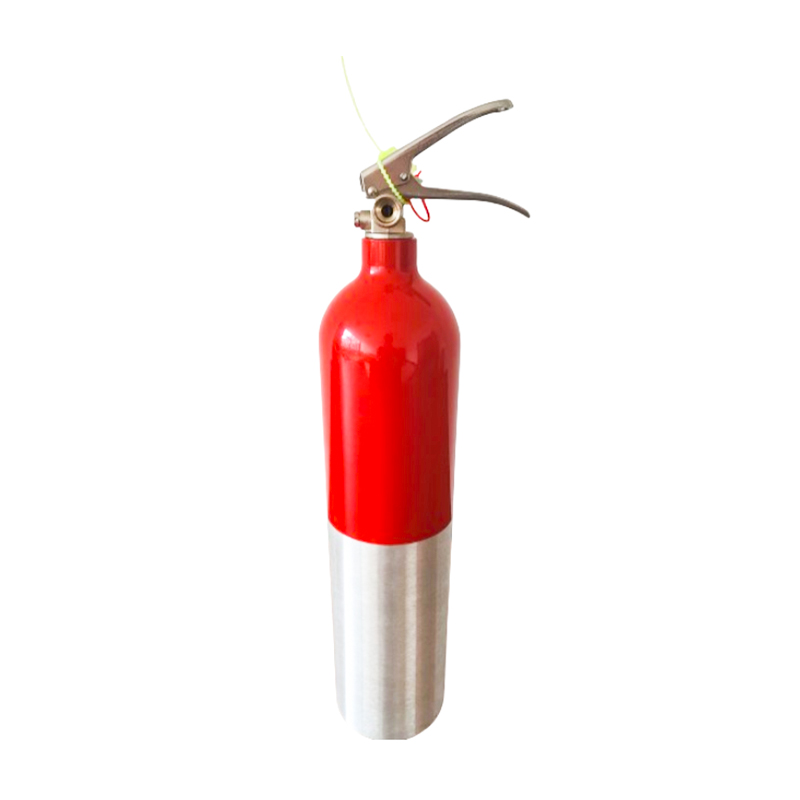
The 5KG portable aluminum fire extinguisher is an efficient and reliable fire extinguishing equipment suitable for fire protection needs in various in...
See Details
Zhejiang Yongshang Pressure Vessel Co., Ltd. was established in 2016. It is a modern enterprise integrating R&D, production and sales, specializing in the production of dry powder, carts, carbon dioxide fire extinguishers, seamless steel cylinders, and aluminum bottles.

+86 13857576559


Zhuhai Village, Gaibei Town, Shangyu District, Shaoxing City, Zhejiang Province, China
