 English
 عربى
 中文简体


3KG Portable Steel Fire Extinguisher(CK45/CE)
Cat:CO2 Fire Extinguisher (CK45/CE)
The 3kg portable steel fire extinguisher is a firefighting device designed to deal with all types of fires. Made of CK45 steel, it is sturdy and durab...
See Details
+86 13857576559
The question sounds simple, but it hides two different ideas. One is whether the carbon dioxide inside the cylinder goes bad. The other is whether the extinguisher as a whole remains safe, compliant, and reliable. The first answer is no. The second answer is yes, it can expire — not because the gas spoils, but because the cylinder, valve, hose, label, and inspection record all age.
In our production and service experience, a CO2 unit is usually retired for one of three reasons: it has lost charge, it has missed a required test date, or the cost and risk of keeping it no longer make sense. Age alone is rarely the whole story.
CO2 is stored as a liquid under pressure. As long as the cylinder and valve hold that pressure, the extinguishing agent remains usable. There is no freshness date inside the cylinder. That is why you will not find a best-before stamp on a CO2 extinguisher.
What you will find are dates: a manufacturing year, a test date, an inspection label, and sometimes a service sticker from the last technician. Those dates matter because they mark the maintenance cycle, not the shelf life of carbon dioxide.
Practical rule: If there is no current service tag, no readable label, or any unexplained weight loss, treat the unit as out of service until a competent technician confirms otherwise.
Also check the local rules that apply to your site. Insurers and fire authorities often treat a missed hydrostatic test or an expired inspection tag as an expired extinguisher, even if the unit still feels full.
A CO2 extinguisher usually does not carry the kind of pressure gauge found on stored-pressure dry powder units. CO2 pressure changes sharply with temperature, so a gauge reading would be misleading in a cool store room or a hot vehicle. The reliable field test is weight.
The label or cylinder stamp gives the full or gross weight. A calibrated scale can show whether charge has leaked away or whether a partial discharge has quietly reduced the contents. A visual check cannot replace that measurement.
The gas is stable. The hardware is not — and the hardware is what keeps the gas where it belongs.
This is also why a CO2 extinguisher can look perfect and still be underweight. A missing nozzle cap, a damaged valve seat, or a slow leak can do their work without any obvious outward sign.
The pressure vessel, valve, hose, nozzle, and labels form a system. Each part has its own failure pattern.
A cylinder may remain structurally sound for many years, but a valve that no longer seals properly changes the risk immediately. This is why service checks should look at the whole unit, not just the canister.
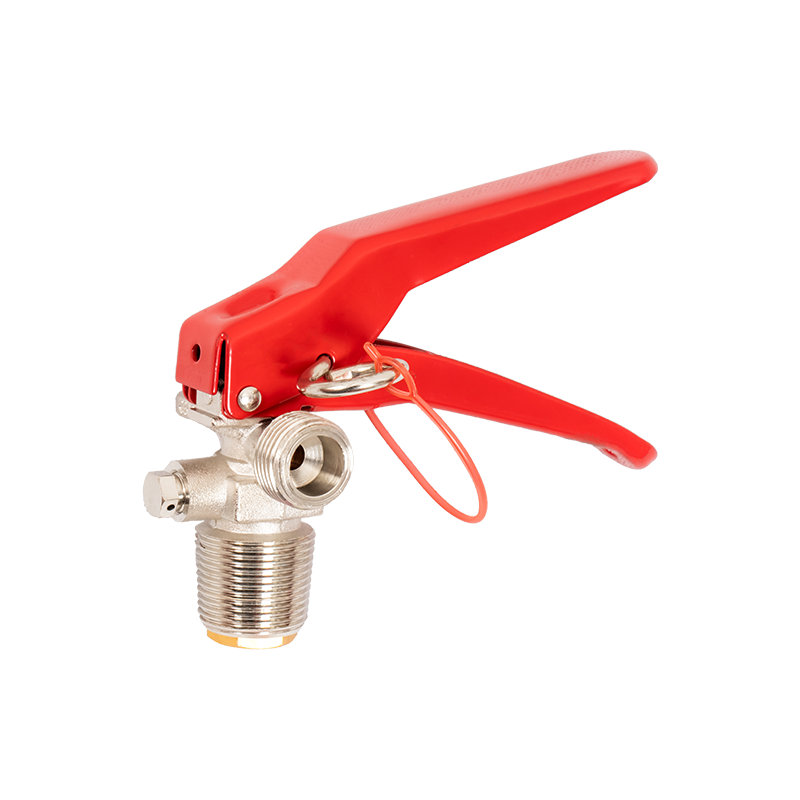 OEM/ODM CO2 Fire Extinguisher ValveAn OEM/ODM CO2 extinguisher valve for service replacement checks, suited to electrical, industrial, and marine environments where controlled CO2 release matters.View Product →
In a maintenance review, valve condition is often the difference between a recharge and a replacement. A suitable replacement valve assembly should match the cylinder, thread, and regional approvals — never a universal part fitted without verification.
A sensible field routine is short enough to do consistently and specific enough to catch the common failures.
There is no universal expiry date. A well-maintained CO2 unit may remain in service for roughly a decade or longer, but the useful answer depends on the cylinder, the approval, and the maintenance record. Some manufacturers set a retirement age; some jurisdictions set a maximum test interval; insurers may add their own conditions. The shortest applicable limit is the one that matters.
| Extinguisher type | Typical practical service life | Key field check and professional care |
|---|---|---|
| CO2, portable | Often 10–20 years with proper maintenance | Weight, valve condition, annual service, and hydrostatic test per local code |
| Dry powder | Often 10–15 years | Pressure gauge, powder condition, and test intervals shown on the label |
| Foam or water | Often 5–10 years | Charge condition, internal liner, annual service, and test schedule |
Treat the ranges as planning aids, not permission slips. A CO2 cylinder with a failed test date is not made younger by a clean appearance.
Recharge is normal after use or a failed weight check. Replacement is the better choice when the unit itself cannot be brought back into reliable service.
Important: Never use a CO2 extinguisher after a partial discharge. Even if it feels heavy, the remaining charge may not deliver the expected flow. Recharge or replace it, and record the action.
A damaged cylinder should not be topped up by a local workshop without the correct pressure-vessel credentials. CO2 cylinders are pressure vessels; treating them as simple cans is where serious mistakes begin.
The decision should follow the hardware, not the calendar alone. A current CO2 unit that has been professionally weighed, inspected, and tagged is normally kept in service. A unit that has lost charge, failed a test, or carries an unreadable approval should not be kept in the hope that it will work.
If you manage several sites, build a simple register: location, size, approval mark, last service, next test, and replacement date. That record turns a vague question about expiry into a clear maintenance decision.
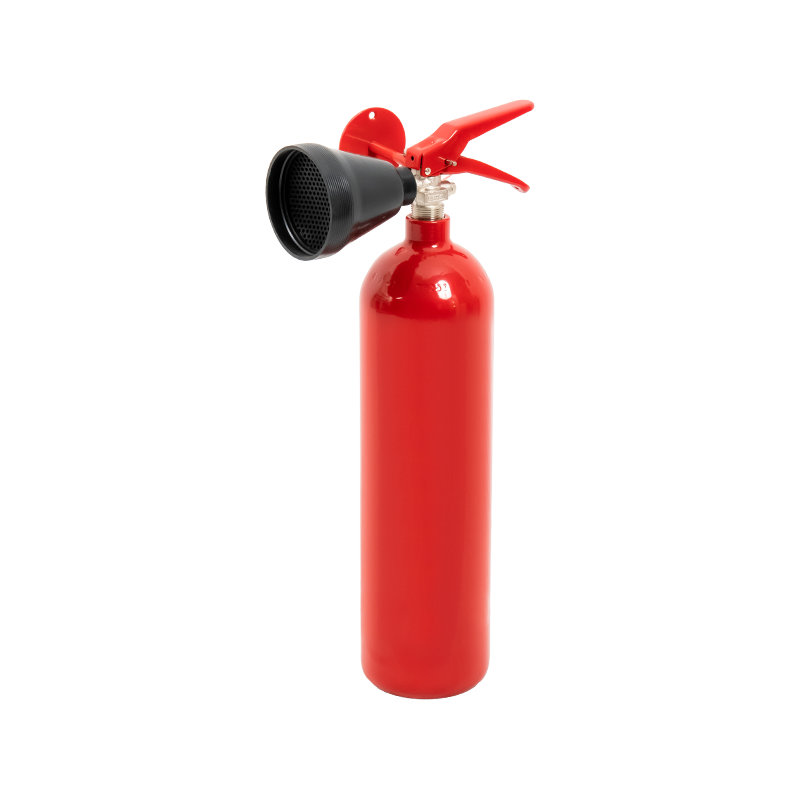 Custom CO2 Fire Extinguisher RangeBrowse portable and trolley-mounted CO2 extinguisher models from 2 kg to 25 kg to compare sizes and approvals for site-specific replacement planning.View Product →
For replacements, start with the correct CO2 product family and match the size, mounting, and approval to the space. A warehouse aisle, an office server room, and a small vehicle bay do not need the same unit.
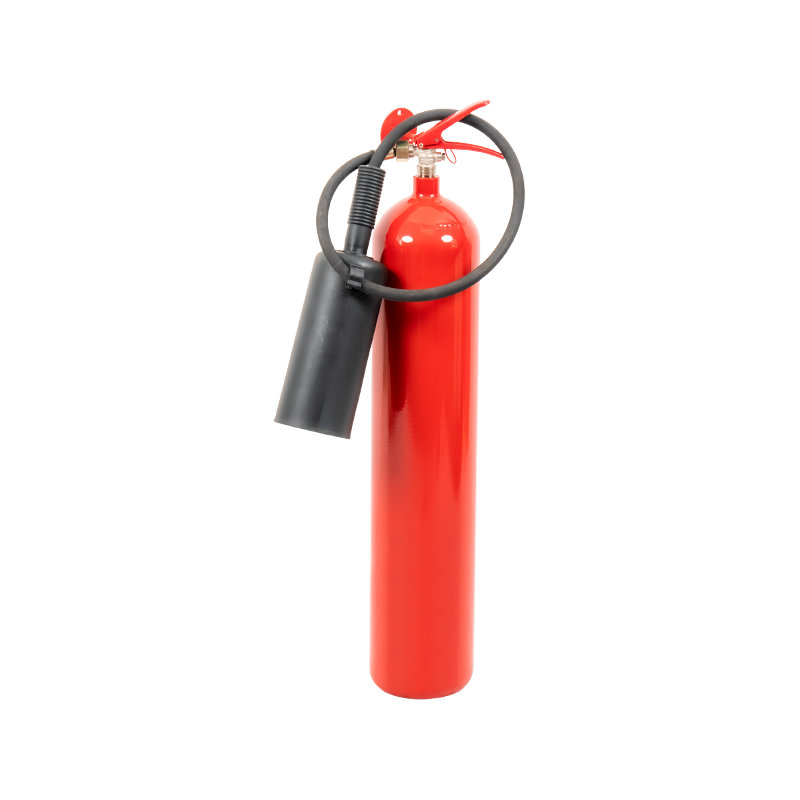 Custom 5 kg Steel CO2 Fire ExtinguisherA custom 5 kg steel CO2 extinguisher with BS5045 cylinder and 150 bar working pressure for commercial replacements in electrical-risk areas.View Product →
A 5 kg steel CO2 extinguisher is a common commercial size, but it is not automatically the right answer. Check the fire risk, the travel distance, the mounting point, and the local code before choosing. The best unit is the one that is correctly sized, properly installed, and easy to inspect.
The most reliable expiry strategy is a routine that no one has to remember from memory.
Write the next service date on the tag, not just the date of the last visit. That single habit prevents the most common failure: a unit that was inspected once and then trusted indefinitely.
So, does a CO2 fire extinguisher expire? The carbon dioxide does not spoil, but the extinguisher can absolutely reach the end of its safe service life. Age, weight, valve condition, test records, and local requirements all feed into that judgment.
Keep it simple: if the unit is underweight, damaged, untagged, overdue for a required test, or of unknown history, take it out of service. If it is current, full, and properly maintained, it can remain a dependable part of your fire plan. The date on the label is not a countdown to panic; it is a prompt to check the hardware.
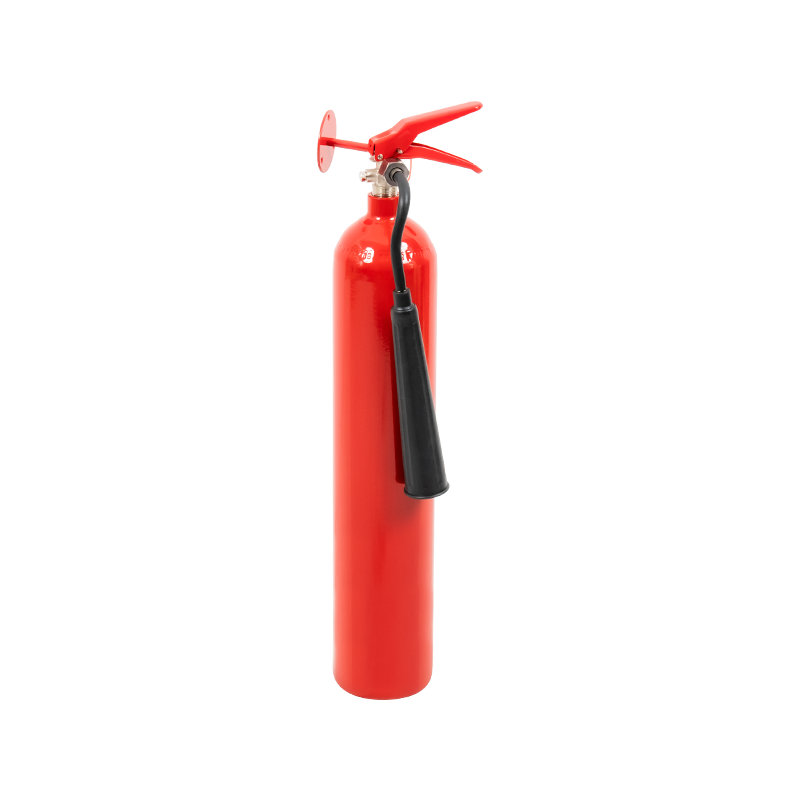
The 3kg portable steel fire extinguisher is a firefighting device designed to deal with all types of fires. Made of CK45 steel, it is sturdy and durab...
See Details
The 2kg portable CE fire extinguisher is a firefighting device designed for quick response and extinguishing of small fires. It is made of high-streng...
See Details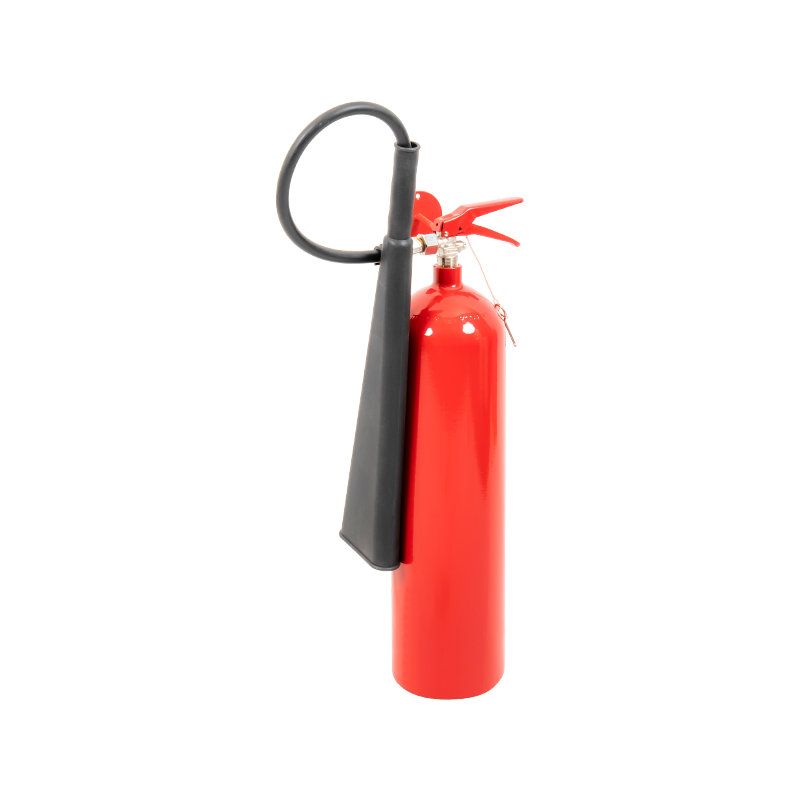
The 5kg CO2 CE extinguisher is suitable for a variety of applications, including in factories, production lines and warehouses. The 5kg CO2 extinguish...
See Details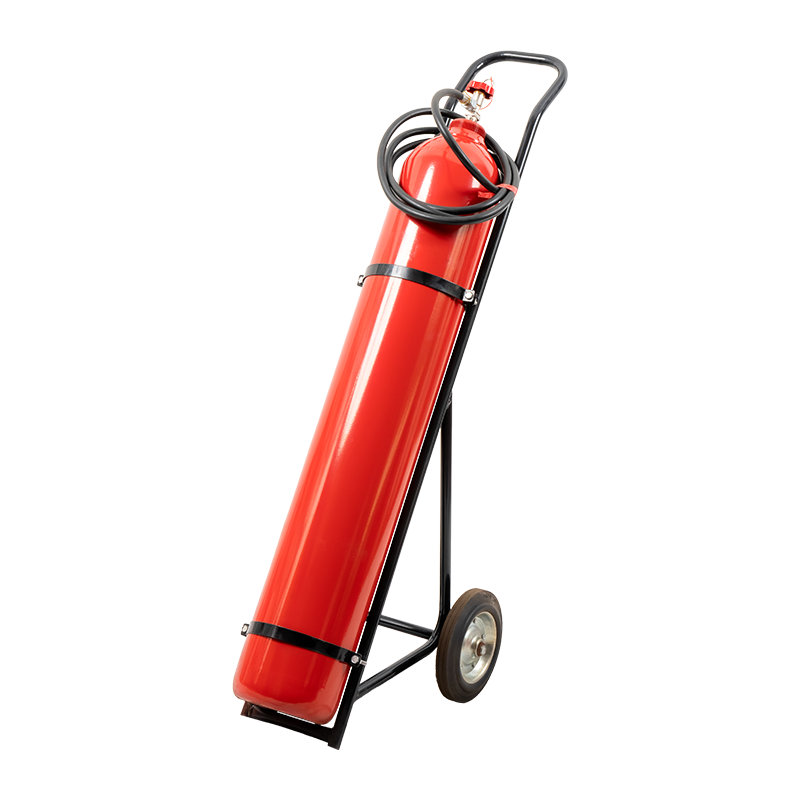
The 10KG Steel Cart-Mounted CO2 Fire Extinguisher is a portable firefighting tool consisting of a large steel cylinder with a capacity of 10kg CO2, mo...
See Details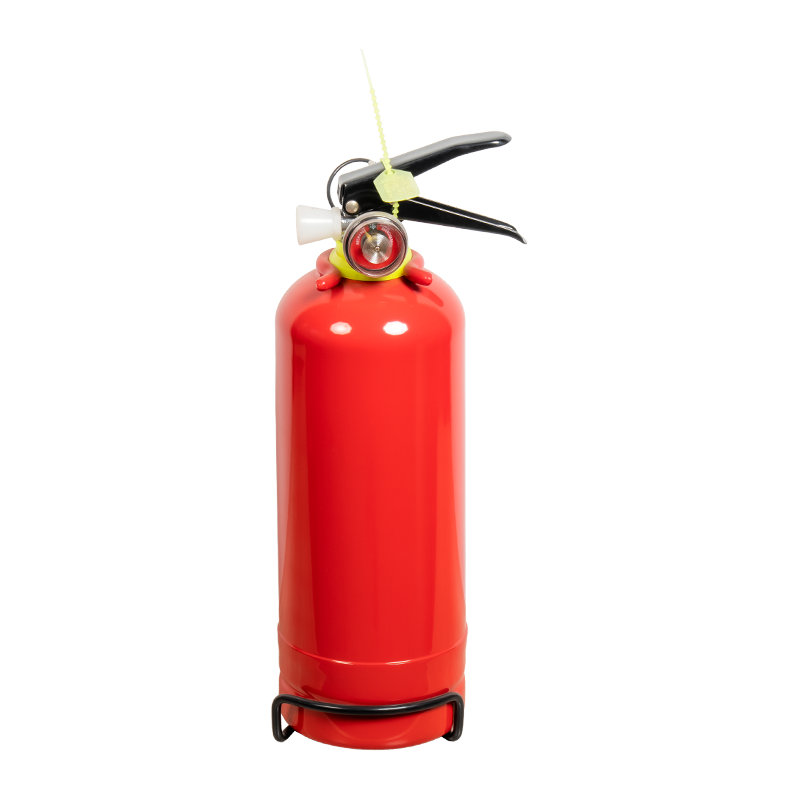
The 1kg portable dry powder fire extinguisher is a safety device used to put out small fires in emergency situations. Its outer shell is made of steel...
See Details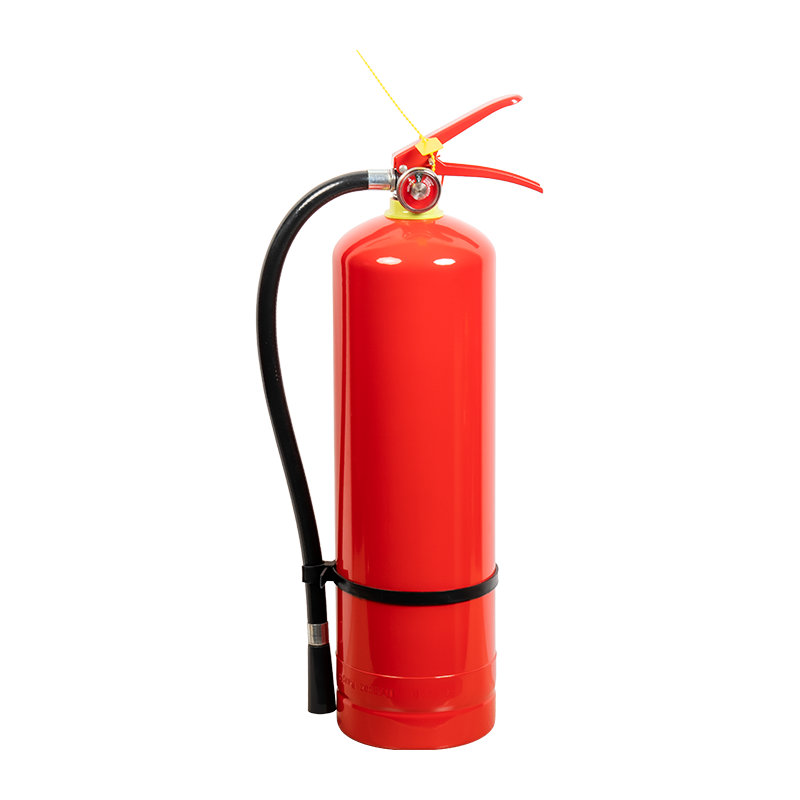
The 6kg stainless steel portable dry powder fire extinguisher is a fire extinguishing device suitable for extinguishing various small fires. Dry powde...
See Details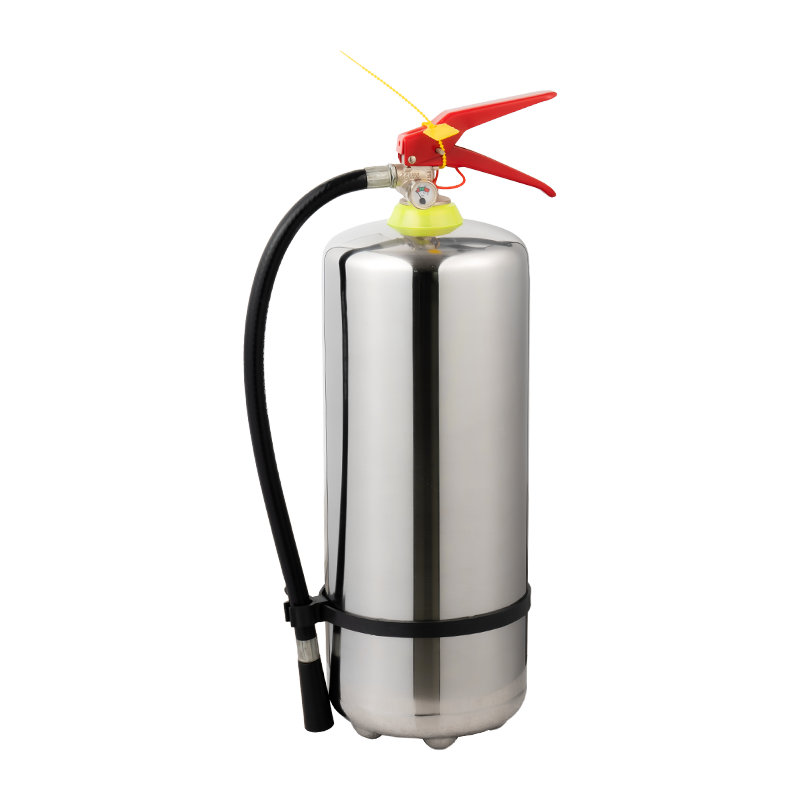
304 stainless steel 6L fire extinguisher is a professionally designed fire extinguishing equipment, made of high-quality SUS304 stainless steel materi...
See Details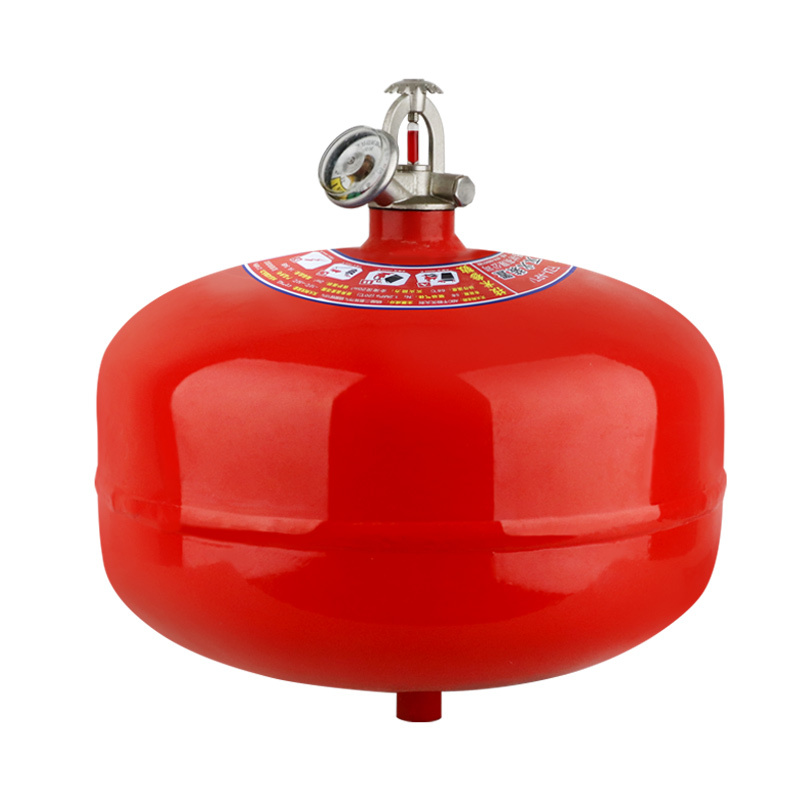
8KG hanging fire extinguisher can be installed on the wall or ceiling, fixed by hook or bracket, making it easy to quickly access and operate when nee...
See Details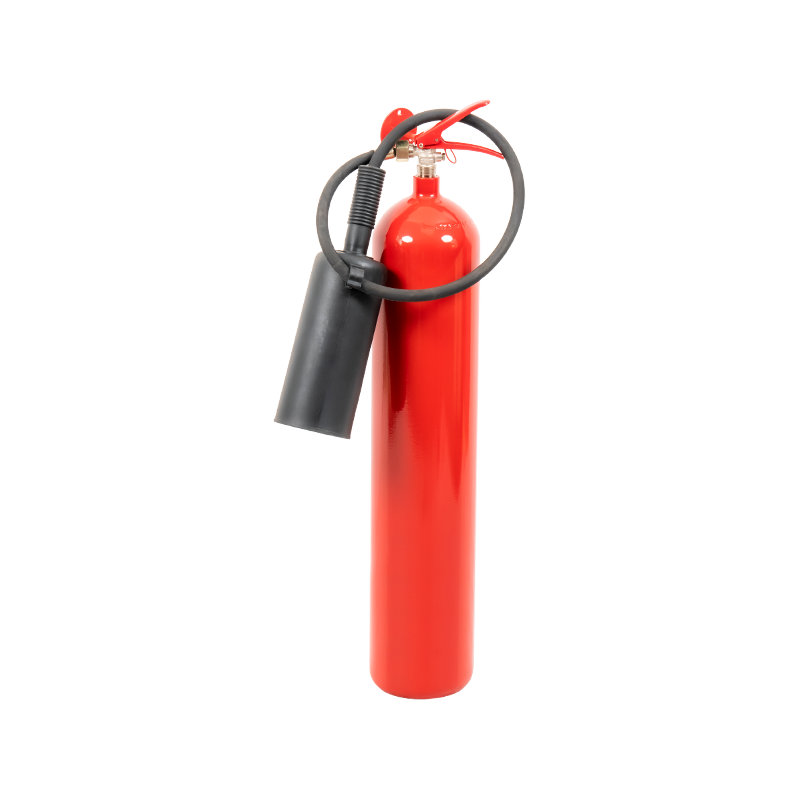
The 5kg fire-fighting carbon dioxide fire extinguisher can work in a wide temperature range, from -30˚C to +60˚C, to meet the firefighting needs in va...
See Details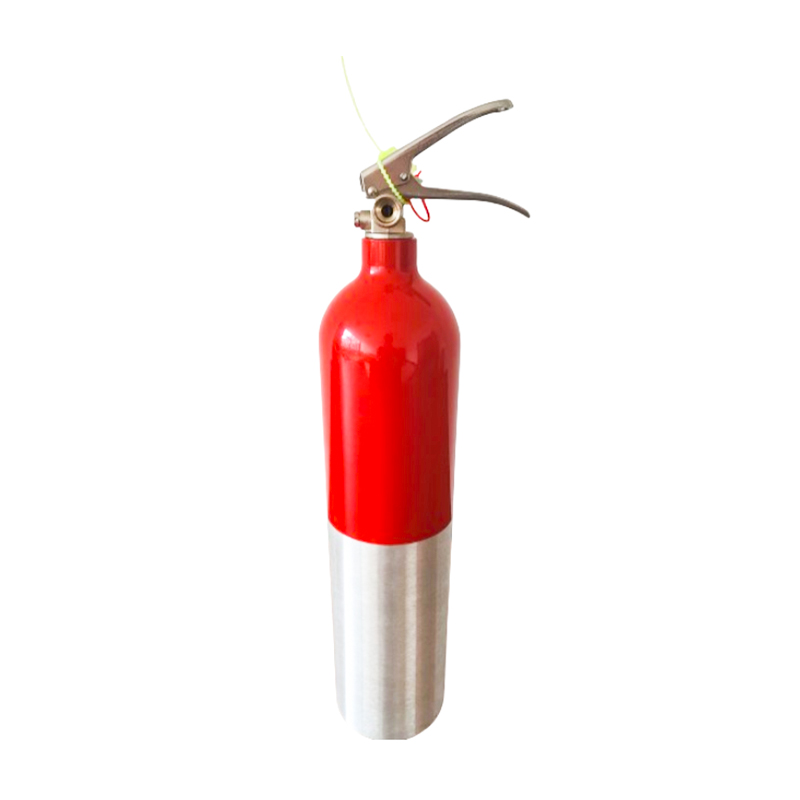
The 5KG portable aluminum fire extinguisher is an efficient and reliable fire extinguishing equipment suitable for fire protection needs in various in...
See Details
Zhejiang Yongshang Pressure Vessel Co., Ltd. was established in 2016. It is a modern enterprise integrating R&D, production and sales, specializing in the production of dry powder, carts, carbon dioxide fire extinguishers, seamless steel cylinders, and aluminum bottles.

+86 13857576559


Zhuhai Village, Gaibei Town, Shangyu District, Shaoxing City, Zhejiang Province, China
