English
 عربى
عربى 中文简体
中文简体


Fire Safety Guide
A clear, evidence-based comparison for anyone deciding what to keep within reach.
The Short Answer: CO2 Extinguishers Act Faster, But Only in Specific Situations
If you need a straight answer, here it is: a carbon dioxide fire extinguisher knocks down flames faster than dry powder on electrical and small liquid-fuel fires, because CO2 displaces oxygen instantly and leaves no residue to interfere with re-ignition checks. However, dry powder extinguishers suppress fires faster overall on solid combustibles and larger fuel spills, since the powder smothers flames on contact across a wider spray pattern. Neither type is universally "faster" — the right choice depends on what is burning, the size of the space, and how much cleanup you can tolerate afterward. Understanding the different fire extinguisher types available, and how each performs under real conditions, is the only way to make a confident choice for your home, vehicle, or workplace.
How CO2 Extinguishers Put Out Fires
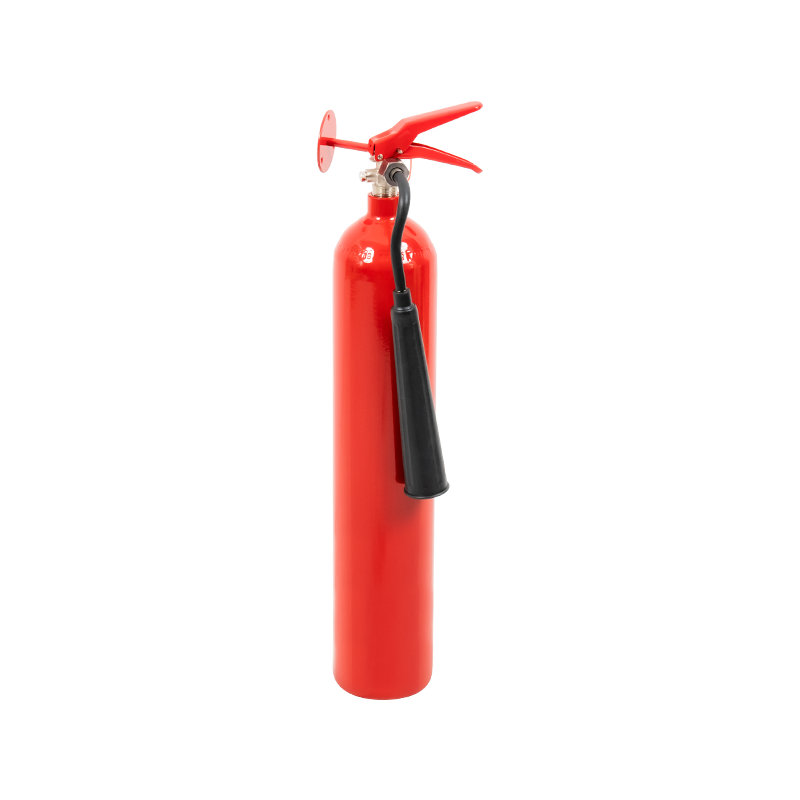
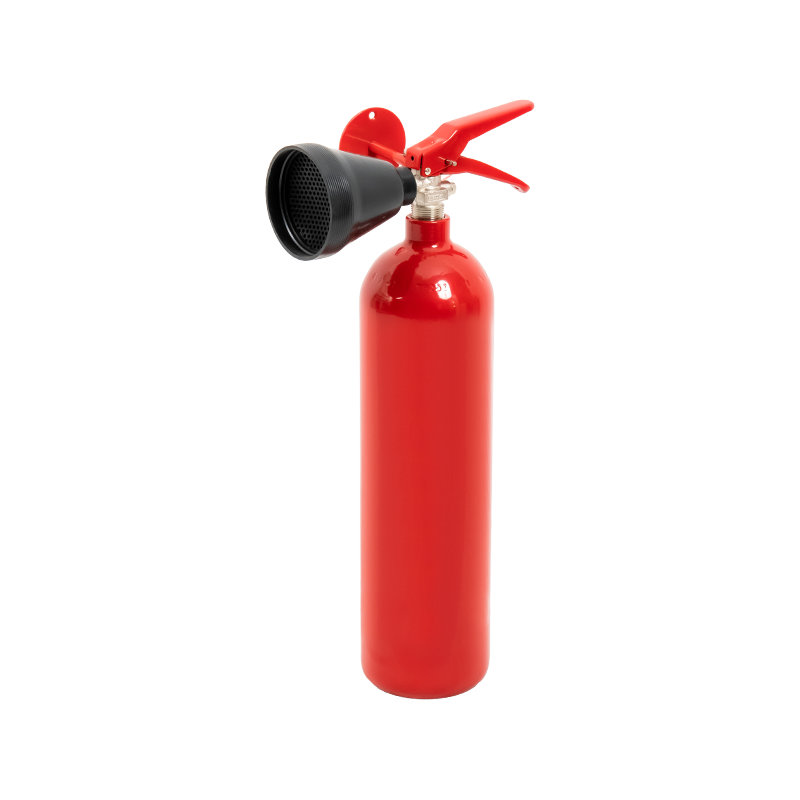
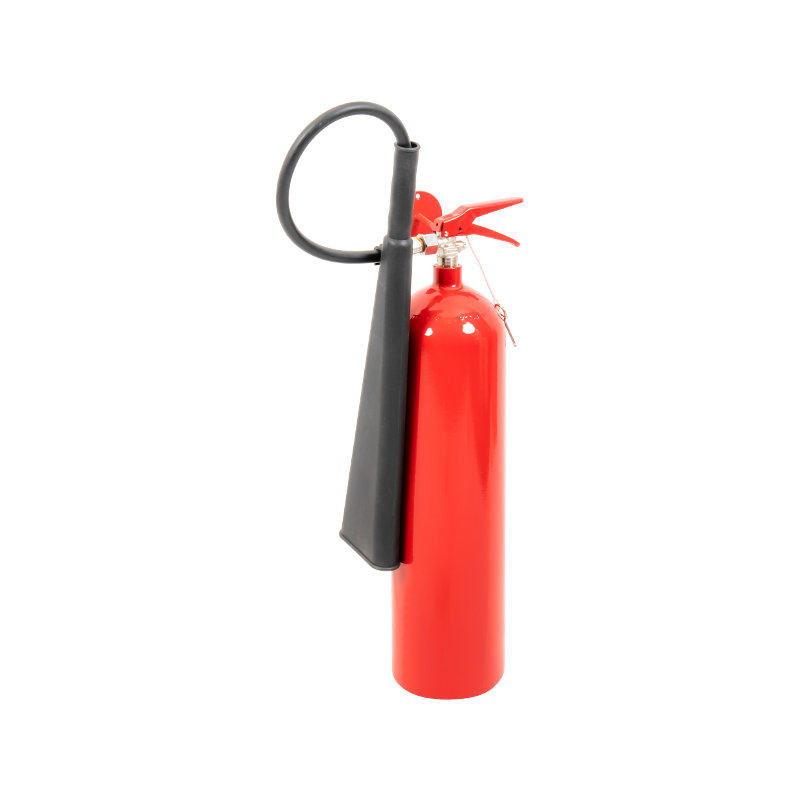
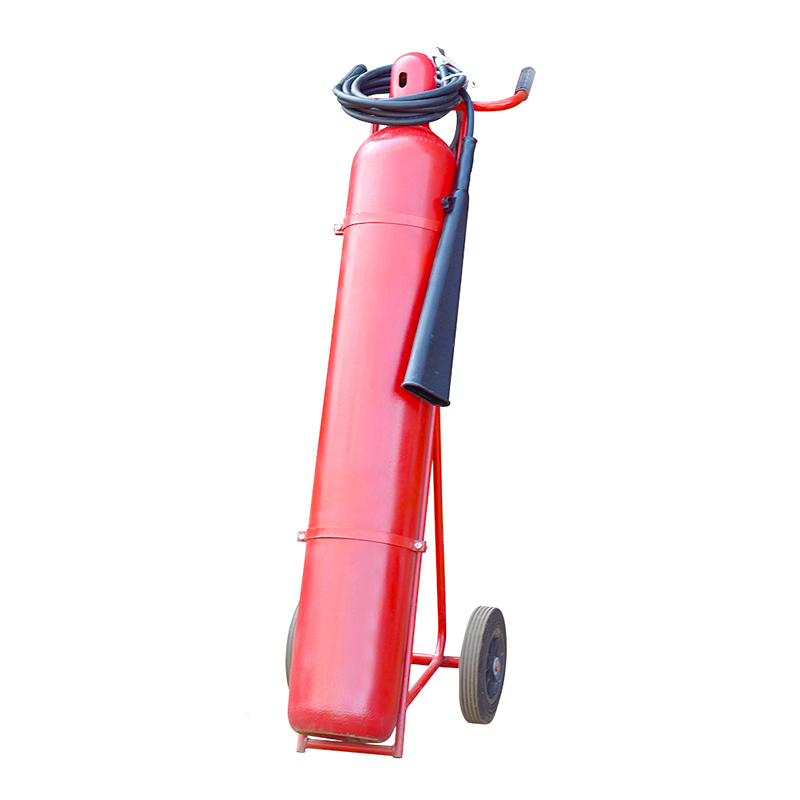
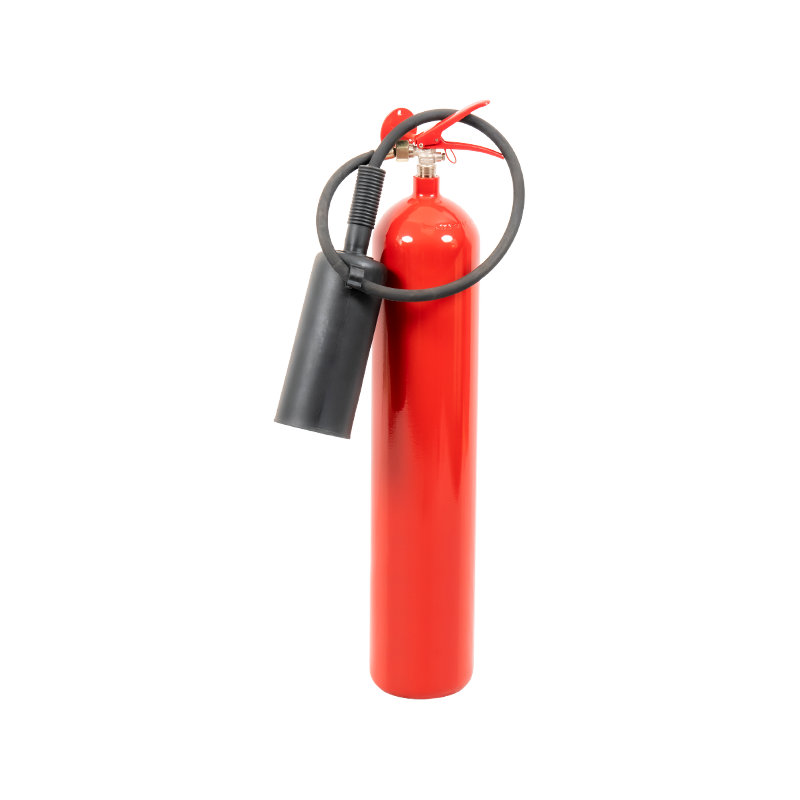
A carbon dioxide fire extinguisher works by flooding the fire zone with dense, non-conductive gas that pushes oxygen away from the flame. Because fire cannot sustain itself without oxygen above roughly 15% concentration in the air, a CO2 discharge can extinguish a contained flame in under 10 seconds under ideal conditions. This makes it the preferred choice for server rooms, electrical panels, and laboratories, where speed and a residue-free finish matter more than covering a large area.
fire extinguisher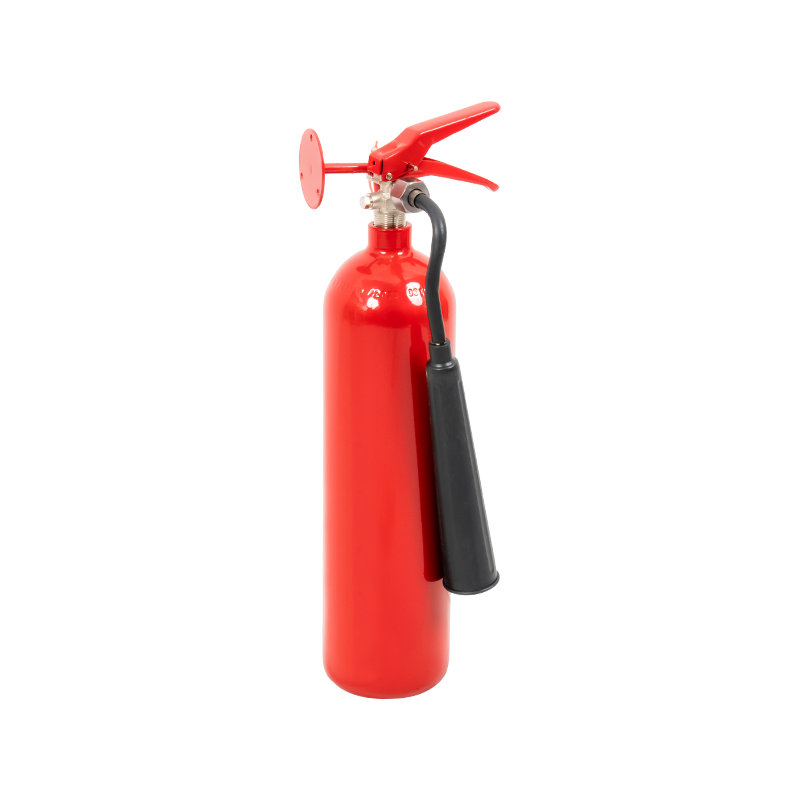
Strengths of CO2 Extinguishers
- Non-conductive, so it is safe to use on live electrical equipment
- Leaves no powder residue, protecting sensitive electronics and machinery
- Discharges as a cold gas that also helps cool the immediate fire surface
No cleanup, no residue, no compromise for the equipment around it — that is the entire case for CO2 in an electrical fire.
Limitations of CO2 Extinguishers
The same properties that make CO2 fast also make it short-lived. Gas disperses quickly outdoors or in ventilated rooms, so a fire can reignite once oxygen returns to the area. CO2 also has almost no effect on ordinary combustibles like wood, paper, or cloth, since it cools but does not fully smother deep-seated embers.
Caution
CO2 discharges in small, unventilated rooms can temporarily lower oxygen levels enough to cause dizziness. Ventilate the space immediately after use.
How Dry Powder Extinguishers Put Out Fires
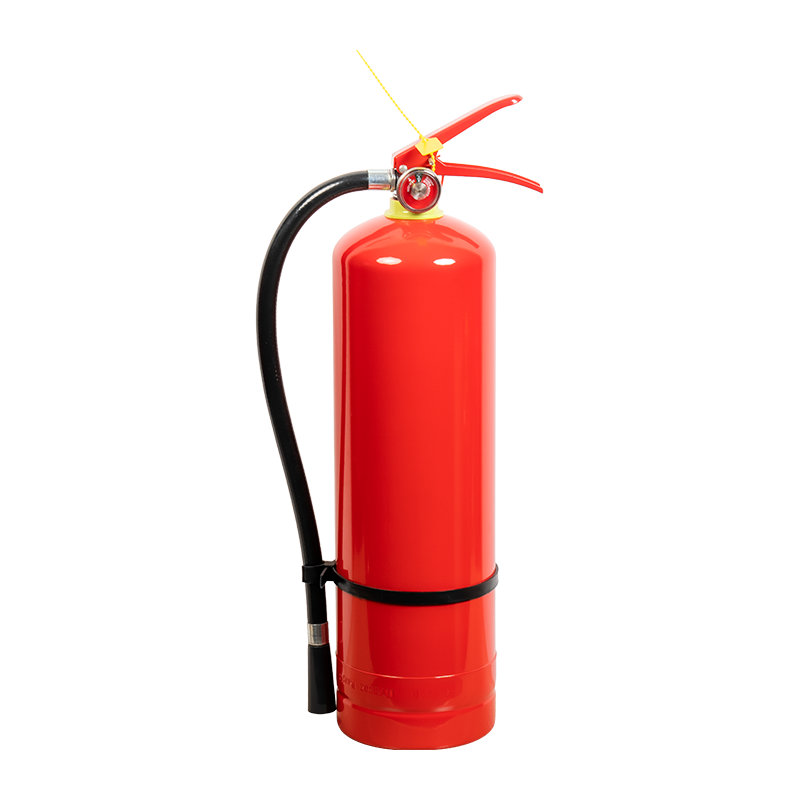
Dry powder extinguishers rely on a fine chemical powder — typically monoammonium phosphate or sodium bicarbonate — that interrupts the chemical chain reaction of combustion while also smothering the fuel surface. Because the powder spreads across a wide area on discharge, it can knock down flames on solid combustibles, flammable liquids, and even some electrical fires within 15 to 30 seconds, depending on fire size and wind conditions.
Strengths of Dry Powder Extinguishers
- Effective across multiple fire classes, often labeled ABC for broad coverage
- Wider discharge pattern covers larger or spreading fires more reliably
- Performs well outdoors, since it is less affected by wind than gas-based agents
Limitations of Dry Powder Extinguishers
The powder residue is corrosive to sensitive electronics, and visibility can drop sharply the moment it is discharged indoors, which can slow an untrained user down. Cleanup afterward is also more labor-intensive compared with a CO2 discharge, and the fine dust can aggravate breathing for anyone nearby.
Avoid
Do not use dry powder near sensitive electronics or server equipment — the corrosive residue can cause lasting damage well beyond the fire itself.
Speed Comparison by Fire Scenario
Extinguishing speed is not a fixed number — it depends heavily on what is burning. The table below breaks down typical suppression times based on common fire scenarios, using standard-sized extinguishers under normal indoor conditions.
| Fire Scenario | CO2 Extinguisher | Dry Powder Extinguisher |
|---|---|---|
| Electrical panel fire | 8-10 seconds | 15-20 seconds |
| Small liquid spill fire | 10-15 seconds | 10-15 seconds |
| Solid combustible fire (wood, paper) | Not effective | 15-25 seconds |
| Outdoor or windy conditions | Reduced effectiveness | 20-30 seconds |
Understanding the 4 Main Fire Extinguisher Types
Before choosing between CO2 and dry powder, it helps to see where each one sits among the broader fire extinguisher types available on the market today. Most consumer and commercial options fall into four categories, each suited to different fuel sources.
- Water extinguishers — best for ordinary combustibles like wood, paper, and textiles; not suitable for electrical or liquid fires
- Foam extinguishers — effective on both solid combustibles and flammable liquids, with a smothering film that reduces reignition
- Carbon dioxide (CO2) extinguishers — ideal for electrical fires and enclosed spaces where residue-free suppression matters
- Dry powder extinguishers — the most versatile option, rated for solid, liquid, and some electrical fires in a single unit
Seeing all four side by side makes it clear why CO2 and dry powder are so often compared: they are the two most commonly recommended options for mixed-risk environments like offices, workshops, and kitchens with electrical equipment nearby.
Choosing the Right Small Fire Extinguisher for Your Space
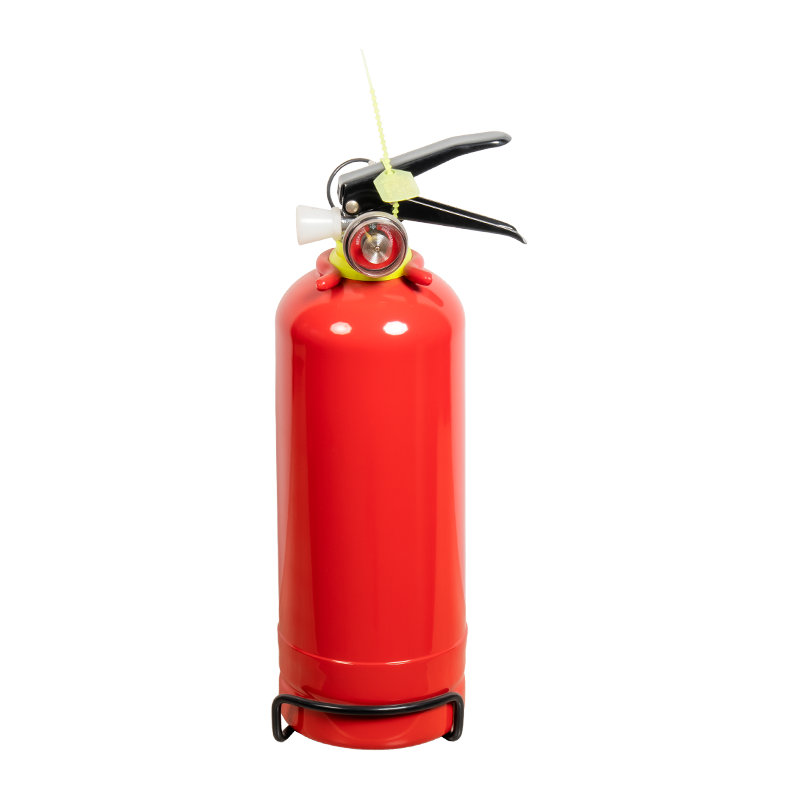
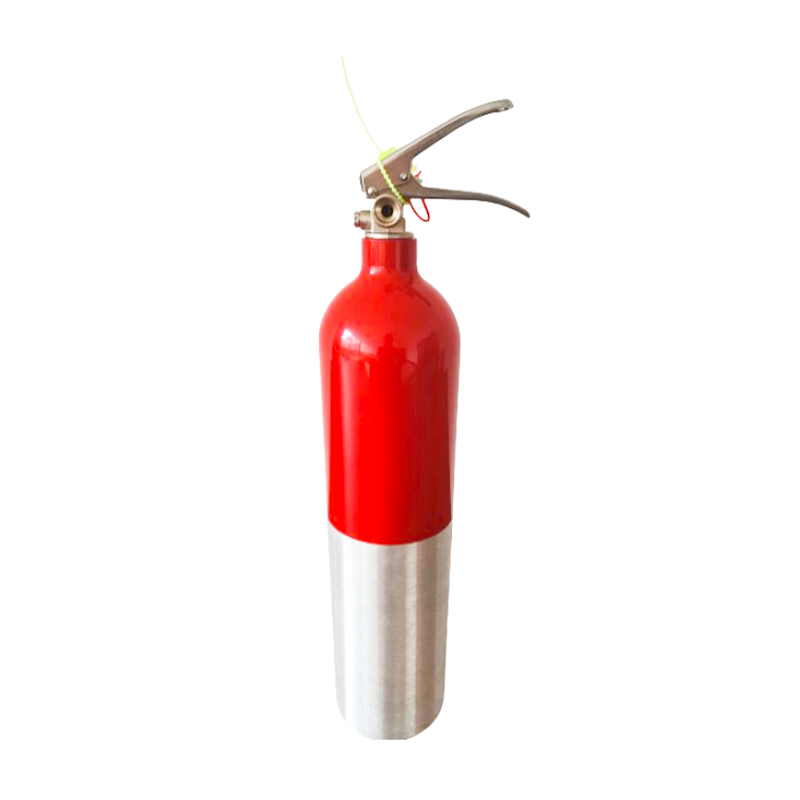
For home use, a compact small fire extinguisher rated for multiple fire classes often makes more practical sense than a single-purpose CO2 unit, simply because most households face a mix of risks — a kitchen stove, an overloaded outlet, a stack of cardboard in the garage. A 2-4 lb dry powder unit is light enough to store under a sink or in a car trunk while still covering electrical, liquid, and solid fuel fires.
When CO2 Makes More Sense
Home offices, server closets, and rooms filled with computers or audio-visual equipment benefit from a CO2 unit specifically because no cleanup is needed afterward and there is zero risk of damaging circuit boards with corrosive powder.
When Dry Powder Makes More Sense
Garages, workshops, and vehicles are better served by dry powder, since these spaces mix solid materials, fuel, and open ventilation — conditions where CO2 loses much of its speed advantage.
Cleanup, Cost, and Long-Term Maintenance
Beyond raw suppression speed, ongoing cost is worth factoring in. CO2 cylinders require pressure testing roughly every 5 years and are generally more expensive upfront due to the pressurized steel housing. Dry powder units are cheaper to purchase and easier to inspect visually, but the powder can cake over time in humid environments, reducing reliability if not shaken or serviced annually.
| Factor | CO2 Extinguisher | Dry Powder Extinguisher |
|---|---|---|
| Upfront cost | Higher | Lower |
| Cleanup after use | None required | Extensive |
| Recommended inspection cycle | Every 5 years (pressure test) | Annually |
Safety Considerations When Using Either Type
Speed only matters if the extinguisher is used correctly. Both CO2 and dry powder units follow the same basic PASS technique: Pull the pin, Aim at the base of the fire, Squeeze the handle, and Sweep side to side. With CO2, users should be cautious in small, unventilated rooms, since a large discharge can temporarily lower oxygen levels enough to cause dizziness. With dry powder, visibility loss and airborne dust mean it is best to have a clear escape route planned before discharging.
Good to know
The PASS technique — Pull, Aim, Squeeze, Sweep — applies to nearly every handheld extinguisher, regardless of type.
Regardless of which fire extinguisher types you keep on hand, none of them are a substitute for calling emergency services once a fire exceeds the size of a small trash can or continues spreading after the first discharge attempt.
Best practice
Many safety-conscious households keep both a CO2 and a dry powder unit, positioned in the rooms where each is most likely to be needed.
Final Verdict: Which Should You Choose?
There is no single winner — the right answer depends on the fire risk you are actually planning for. If your main concern is electrical equipment, servers, or enclosed indoor spaces, a carbon dioxide fire extinguisher will suppress the flame faster and leave nothing behind to clean up. If your space includes a mix of solid materials, flammable liquids, and outdoor exposure, a dry powder unit — often sold as a compact small fire extinguisher for easy storage — will act faster across a broader range of real-world scenarios. Many safety-conscious households and small businesses ultimately keep one of each, positioned in the rooms where they are most likely to be needed.