 English
 عربى
عربى 中文简体
中文简体

3KG Portable Steel Fire Extinguisher(CK45/CE)
Cat:CO2 Fire Extinguisher (CK45/CE)
The 3kg portable steel fire extinguisher is a firefighting device designed to deal with all types of fires. Made of CK45 steel, it is sturdy and durab...
See Details
+86 13857576559
In terms of structural integrity, seamless steel gas cylinders are superior to welded steel gas cylinders. Because a seamless cylinder is formed from a single piece of steel with no joints or weld seams, it eliminates the most common points of mechanical weakness. Welded cylinders, while adequate for lower-pressure applications, introduce heat-affected zones and potential weld discontinuities that can reduce long-term reliability under cyclic pressure loading. For high-pressure gas storage above 200 bar (2,900 psi), seamless construction is the industry standard and regulatory requirement in most countries.
A seamless steel gas cylinder is produced using a billet of solid steel that is heated and then pierced, drawn, and formed into a hollow cylindrical shape through a process called deep drawing or hot extrusion. The entire body — from the base to the neck — is formed from one continuous piece of material. There are no welds, joints, or seams anywhere on the cylinder wall. This manufacturing method produces a uniform grain structure throughout the steel, which directly contributes to consistent mechanical strength across the entire surface.
A welded steel gas cylinder is fabricated by rolling flat steel sheet into a cylindrical shape and joining the edges using welding techniques such as submerged arc welding (SAW) or metal inert gas (MIG) welding. End caps are then welded onto the top and bottom of the shell. This process is faster and less expensive than seamless manufacturing, making welded cylinders cost-effective for large-volume, lower-pressure applications such as LPG (liquefied petroleum gas) storage, where working pressures typically remain below 25 bar (362 psi).
The core structural disadvantage of a welded steel gas cylinder lies in the weld zones themselves. During the welding process, the localized application of intense heat creates what engineers call a heat-affected zone (HAZ) — a region of the steel surrounding the weld where the microstructure is altered by rapid heating and cooling cycles. Within the HAZ, grain growth can occur, and the steel may become either harder and more brittle, or softer and less fatigue-resistant, depending on the alloy composition and welding parameters.
Common structural concerns in welded steel gas cylinders include:
Post-weld heat treatment (PWHT) is commonly applied to welded cylinders to relieve residual stresses, but this adds cost and does not fully replicate the uniform microstructure of a seamless cylinder.
The pressure ratings and fatigue performance of seamless versus welded steel gas cylinders differ substantially, and these differences directly determine which type is appropriate for a given application.
| Parameter | Seamless Steel Gas Cylinder | Welded Steel Gas Cylinder |
|---|---|---|
| Typical Working Pressure | 150 – 300 bar (2,175 – 4,350 psi) | Up to 25 bar (362 psi) |
| Burst Pressure Safety Factor | Typically 2.5× working pressure | Typically 1.5 – 2.0× working pressure |
| Fatigue Cycle Life | 10,000+ pressure cycles | 3,000 – 6,000 pressure cycles |
| Structural Weak Points | None (monolithic construction) | Weld seams, HAZ, end-cap joints |
| Service Life (typical) | Up to 30+ years | 10 – 15 years |
| Applicable Standards | ISO 9809, DOT 3AA, EN 1964 | ISO 4706, EN 1442, DOT 4BW |
Global regulatory frameworks treat seamless and welded steel gas cylinders as fundamentally different product categories, with separate standards governing each type. This distinction reflects the recognized difference in structural integrity between the two constructions.
For seamless steel gas cylinders, the primary international standard is ISO 9809, which covers cylinders with working pressures from 150 bar to 300 bar and above. In the United States, the Department of Transportation (DOT) specification 3AA is the most widely used standard for seamless cylinders, requiring a minimum tensile strength of 793 MPa (115,000 psi) for common alloy steels used in cylinder manufacture.
For welded steel gas cylinders, ISO 4706 and EN 1442 govern the design and testing of LPG cylinders, which represent the most common application for welded construction. DOT specification 4BW applies to welded cylinders in the U.S. market. These standards mandate rigorous non-destructive testing (NDT) of all weld seams, including radiographic (X-ray) or ultrasonic inspection, to detect internal discontinuities that are invisible to the naked eye.
Critically, no international standard permits welded steel gas cylinders for high-pressure applications such as oxygen, nitrogen, hydrogen, or compressed air storage above approximately 50 bar. This regulatory boundary is itself a formal recognition of the structural limitations of welded construction.
The structural differences between seamless and welded steel gas cylinders also influence how each type must be inspected and tested throughout its service life.
Seamless cylinders are subject to periodic hydrostatic pressure testing, typically every 5 to 10 years depending on the gas service and jurisdiction. Because there are no weld seams to inspect, the primary concerns during visual inspection are external corrosion, mechanical dents, arc strikes, and neck thread condition. The uniform wall thickness of a well-made seamless cylinder also makes ultrasonic thickness measurement straightforward and reliable.
Welded cylinders require more detailed inspection protocols that specifically address the weld zones. In addition to hydrostatic testing, inspectors must examine weld seams for signs of cracking, corrosion pitting along the weld line, and separation at end-cap joints. LPG cylinders in many markets are also subject to acoustic emission testing, which can detect active crack propagation within the cylinder wall during pressurization — a technique particularly valuable for identifying weld defects that have progressed during service.
The choice between a seamless and a welded steel gas cylinder should be driven by the specific pressure requirements, gas type, and operational conditions of the application. Here is a practical guide:
To summarize the critical structural distinctions between the two types of steel gas cylinder:
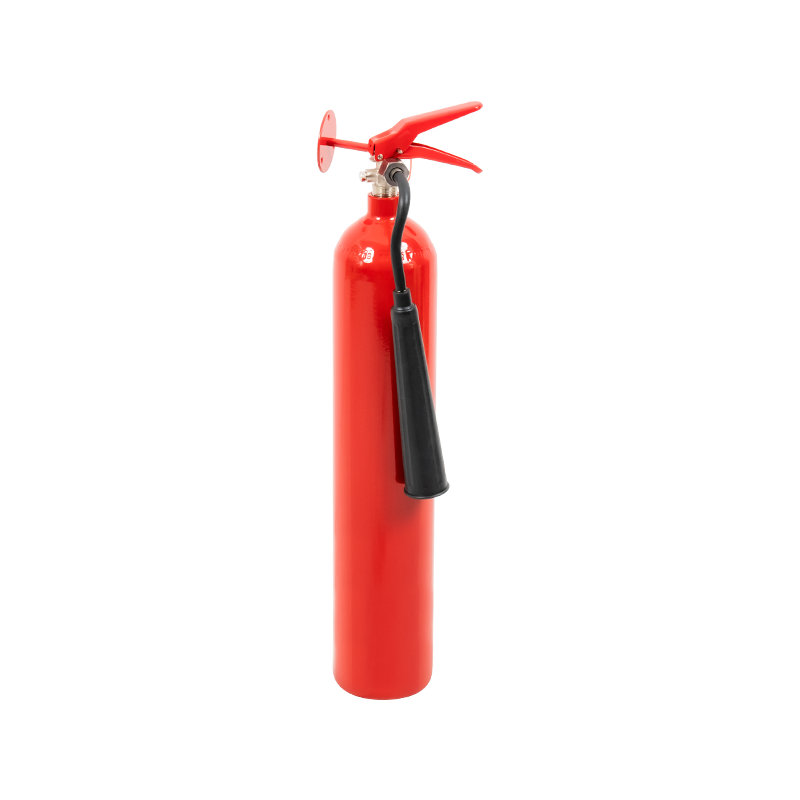
The 3kg portable steel fire extinguisher is a firefighting device designed to deal with all types of fires. Made of CK45 steel, it is sturdy and durab...
See Details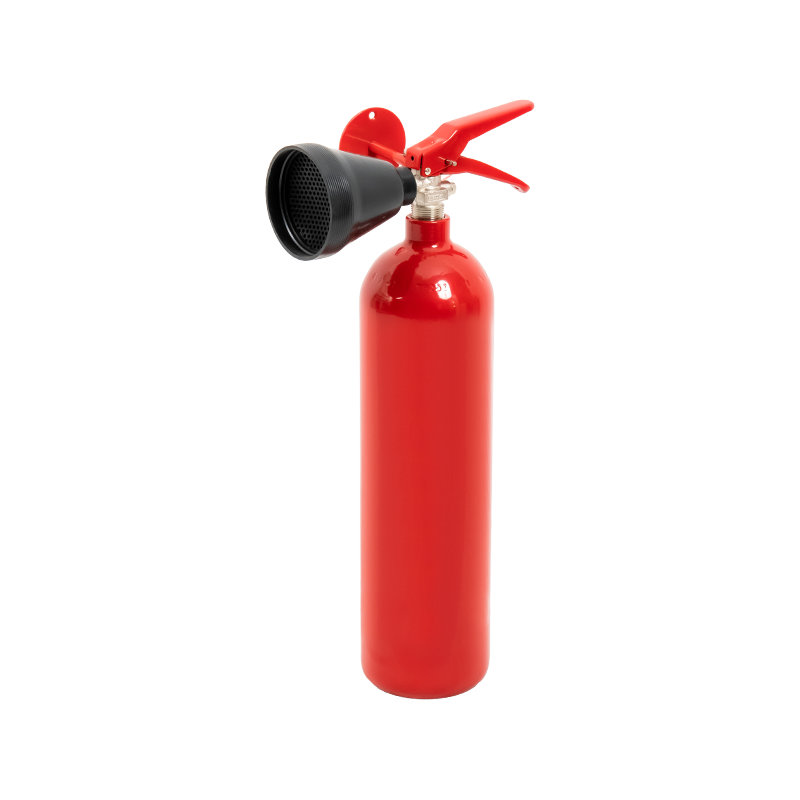
The 2kg portable CE fire extinguisher is a firefighting device designed for quick response and extinguishing of small fires. It is made of high-streng...
See Details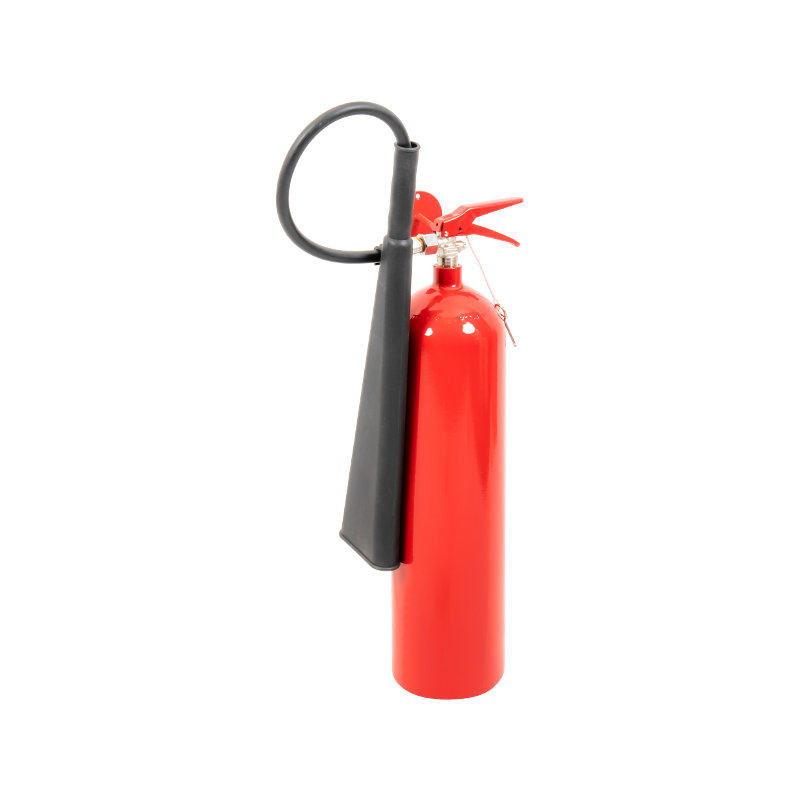
The 5kg CO2 CE extinguisher is suitable for a variety of applications, including in factories, production lines and warehouses. The 5kg CO2 extinguish...
See Details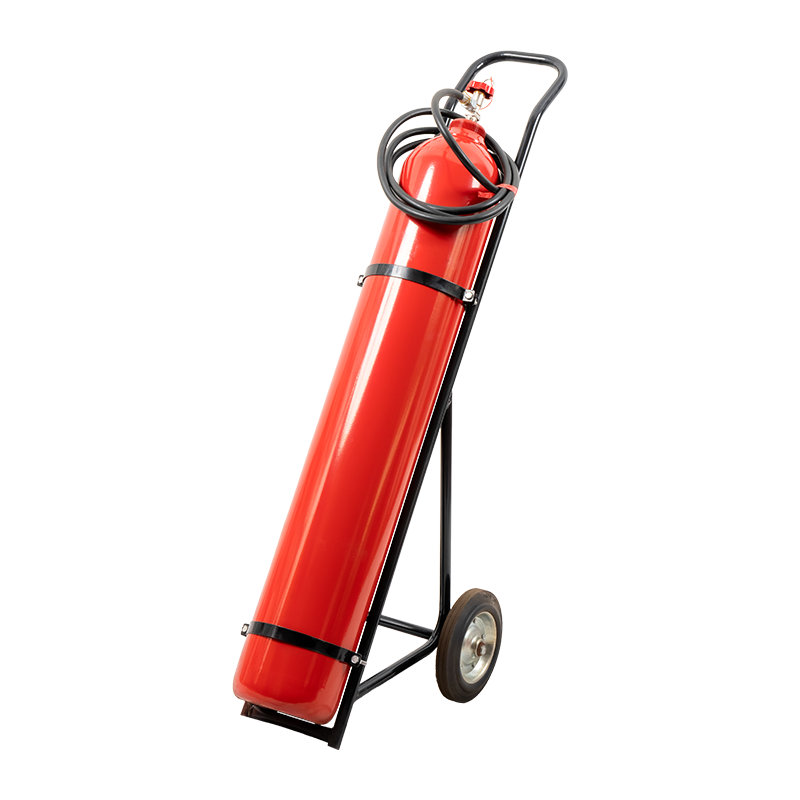
The 10KG Steel Cart-Mounted CO2 Fire Extinguisher is a portable firefighting tool consisting of a large steel cylinder with a capacity of 10kg CO2, mo...
See Details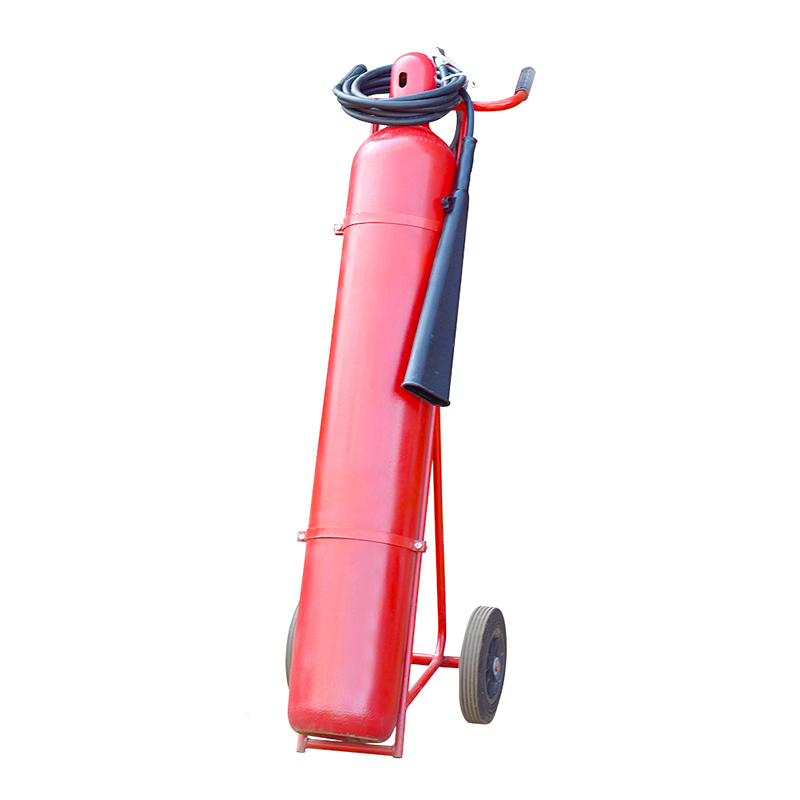
The 25kg trolley mobile fire extinguisher is a high-capacity fire-fighting equipment designed for large-scale fires. It has mechanical strength and co...
See Details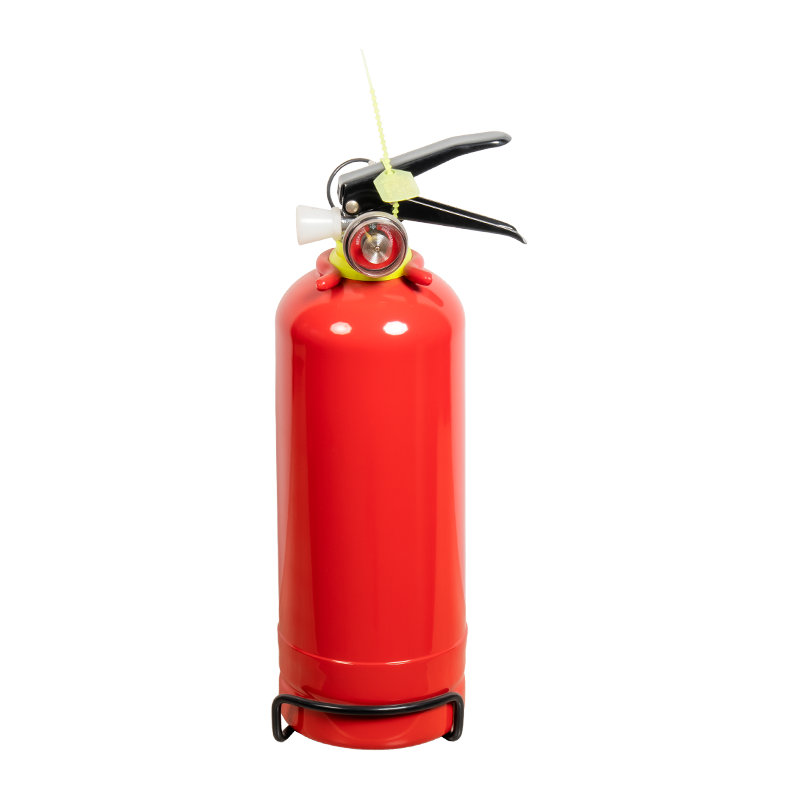
The 1kg portable dry powder fire extinguisher is a safety device used to put out small fires in emergency situations. Its outer shell is made of steel...
See Details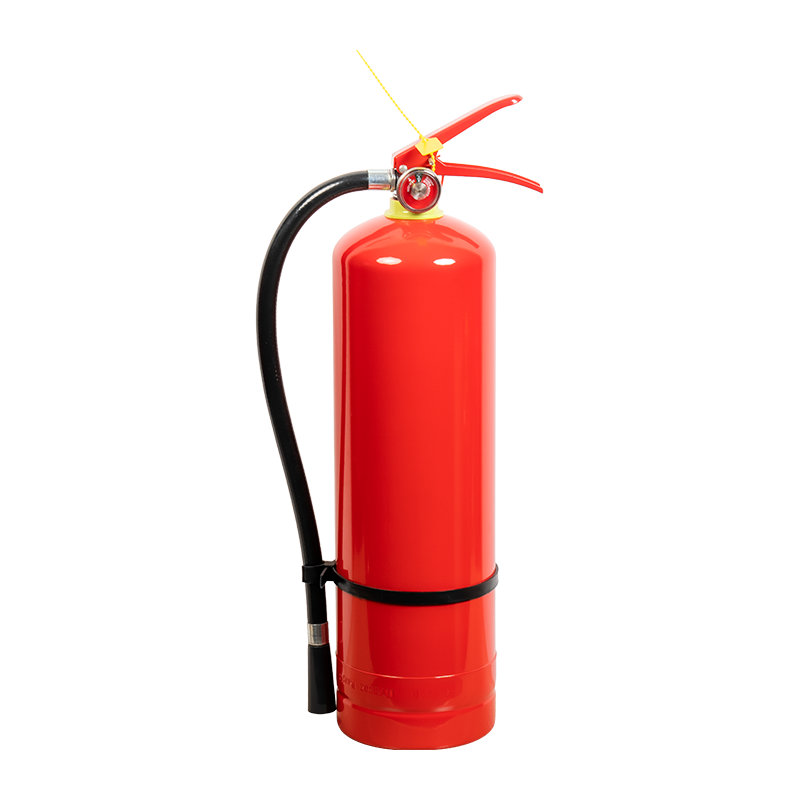
The 6kg stainless steel portable dry powder fire extinguisher is a fire extinguishing device suitable for extinguishing various small fires. Dry powde...
See Details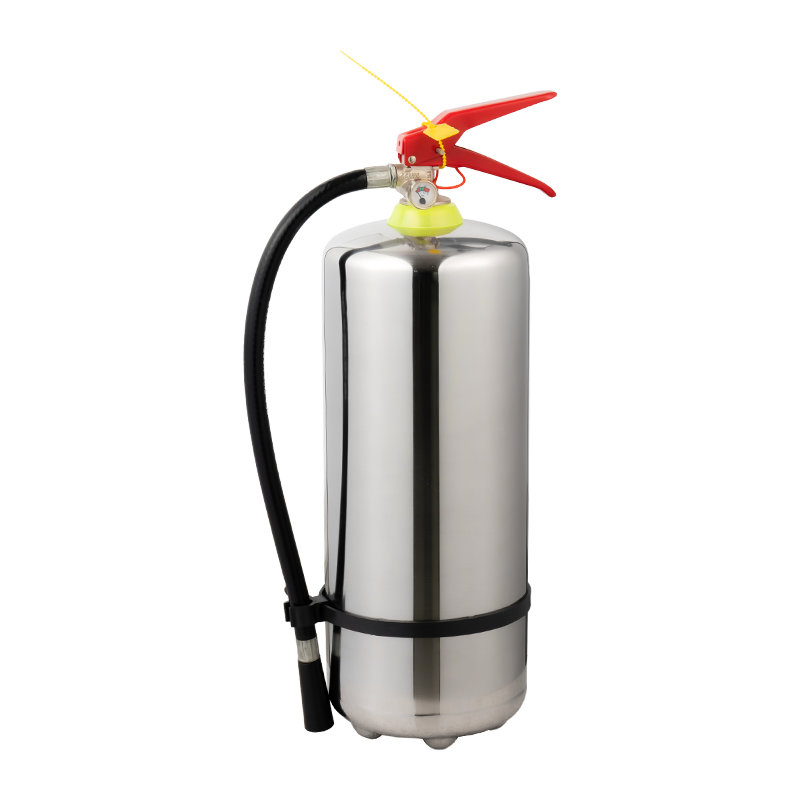
304 stainless steel 6L fire extinguisher is a professionally designed fire extinguishing equipment, made of high-quality SUS304 stainless steel materi...
See Details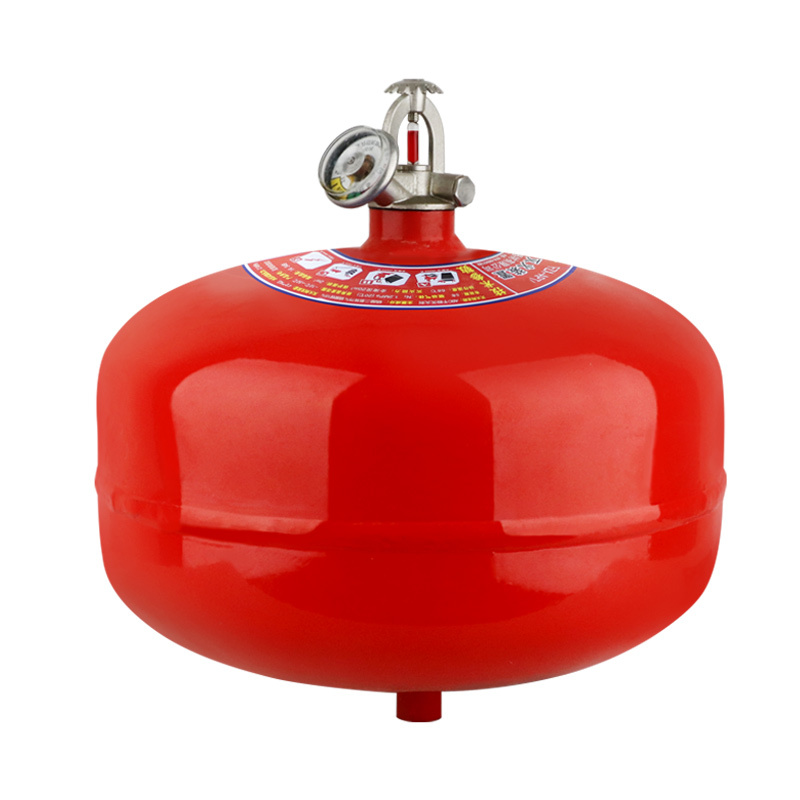
8KG hanging fire extinguisher can be installed on the wall or ceiling, fixed by hook or bracket, making it easy to quickly access and operate when nee...
See Details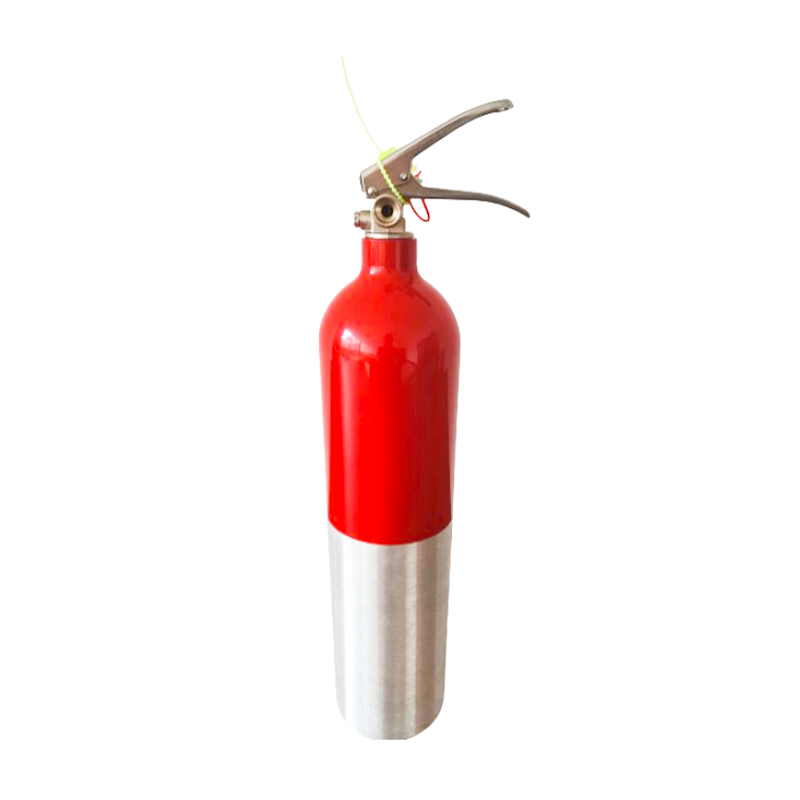
The 5KG portable aluminum fire extinguisher is an efficient and reliable fire extinguishing equipment suitable for fire protection needs in various in...
See Details
Zhejiang Yongshang Pressure Vessel Co., Ltd. was established in 2016. It is a modern enterprise integrating R&D, production and sales, specializing in the production of dry powder, carts, carbon dioxide fire extinguishers, seamless steel cylinders, and aluminum bottles.

+86 13857576559


Zhuhai Village, Gaibei Town, Shangyu District, Shaoxing City, Zhejiang Province, China
