 English
 عربى
عربى 中文简体
中文简体

3KG Portable Steel Fire Extinguisher(CK45/CE)
Cat:CO2 Fire Extinguisher (CK45/CE)
The 3kg portable steel fire extinguisher is a firefighting device designed to deal with all types of fires. Made of CK45 steel, it is sturdy and durab...
See Details
+86 13857576559
When it comes to fire resistance and heat dissipation, steel gas cylinders significantly outperform composite cylinders. Steel can endure prolonged flame exposure without immediate structural failure, while composite cylinders — typically made of carbon fiber or fiberglass over a polymer liner — are highly vulnerable to heat and can fail rapidly when exposed to fire. For any application where fire risk is a concern, a steel gas cylinder is the safer and more reliable choice.
A steel gas cylinder is manufactured from high-strength carbon steel or alloy steel, materials with a melting point of approximately 1,370°C to 1,540°C (2,500°F to 2,800°F). This gives steel an enormous thermal buffer before any risk of structural compromise occurs. In a standard building fire, where temperatures typically peak around 800°C to 1,000°C, a steel gas cylinder can sustain its structural integrity for a considerably longer period compared to alternatives.
When a steel gas cylinder is directly engulfed in flame, the heat is gradually conducted through the steel wall, causing internal pressure to rise. To prevent catastrophic rupture, most steel gas cylinders are fitted with a pressure relief device (PRD) or a fusible plug that activates when temperatures reach a critical threshold — typically between 100°C and 150°C at the plug location. This controlled venting mechanism is a critical safety feature that dramatically reduces the risk of explosion.
Additionally, the thick steel wall of the cylinder acts as a heat sink, slowing the rate of internal temperature and pressure rise. A standard industrial steel gas cylinder with a wall thickness of 5 to 8 mm provides significantly more thermal resistance than thinner-walled alternatives, buying crucial time for emergency responders.
Composite gas cylinders — classified as Type III (metal liner with fiber wrap) or Type IV (plastic liner with full fiber wrap) — are fundamentally weaker when exposed to fire. The carbon fiber or fiberglass overwrap begins to degrade at temperatures as low as 150°C to 300°C, far below what a standard fire can produce. The polymer liner in Type IV cylinders can soften and deform even earlier.
Once the fiber matrix is compromised, the cylinder loses its ability to contain pressure, and the risk of a sudden, uncontrolled burst increases dramatically. Unlike steel, composite materials do not plastically deform before failure — they fracture. This means there is little visible warning before failure, making composite cylinders significantly more dangerous in a fire scenario.
It is worth noting that some composite cylinders are now equipped with thermally activated pressure relief devices (TPRDs), but the integrity of the cylinder wall itself remains a concern even with pressure relief, as the structural fibers can fail before the relief device fully activates.
| Property | Steel Gas Cylinder | Composite Cylinder (Type IV) |
|---|---|---|
| Material Melting / Degradation Point | ~1,370°C – 1,540°C | ~150°C – 300°C (fiber degradation) |
| Heat Dissipation | High (steel conducts and spreads heat) | Low (fiber is thermally insulating) |
| Failure Mode in Fire | Gradual softening, controlled PRD venting | Sudden brittle fracture or burst |
| Pressure Relief Device | Fusible plug or PRD standard | TPRD (may not prevent wall failure) |
| Warning Before Failure | Visible deformation possible | Little to no visible warning |
| Post-Fire Inspection Feasibility | Possible with hydrostatic re-testing | Must be condemned and replaced |
Heat dissipation refers to a material's ability to absorb and distribute thermal energy away from a critical point. Steel has a thermal conductivity of approximately 50 W/m·K, which allows heat to spread across the cylinder wall rather than concentrate in one area. This even heat distribution reduces the likelihood of localized hot spots that could cause premature failure.
In contrast, carbon fiber has a thermal conductivity of only about 5 to 10 W/m·K in the transverse direction (perpendicular to the fibers), making it a poor conductor of heat. While this low conductivity might seem beneficial by keeping heat out, it also means that when the outer surface of a composite cylinder is heated, the heat cannot be effectively redistributed. The result is rapid localized temperature buildup that weakens the resin matrix holding the fibers together.
This difference in thermal conductivity is a key reason why a steel gas cylinder provides a more predictable and manageable thermal response during fire events, giving safety systems more time to respond.
The fire resistance advantages of a steel gas cylinder make it the preferred option in several high-risk environments:
In contrast, composite cylinders are more commonly used in applications where weight savings are paramount and fire risk is managed — such as recreational compressed natural gas (CNG) vehicles with dedicated fire suppression systems, or aviation contexts with strict thermal management protocols.
After a fire event, the handling and assessment of cylinders differs greatly between steel and composite types.
A steel gas cylinder that has been exposed to fire can undergo a structured re-qualification process. Inspectors check for visible deformation, discoloration (which can indicate whether temperatures exceeded safe limits), and conduct hydrostatic pressure testing. If the cylinder passes, it can potentially be returned to service. Many standards bodies, including ISO 10461 and DOT regulations, outline specific criteria for post-fire inspection of steel cylinders.
Any composite gas cylinder that has been exposed to fire or excessive heat must be immediately removed from service and destroyed, regardless of whether visible damage is apparent. Because fiber degradation can occur internally and invisibly, there is no reliable field method to confirm structural integrity after heat exposure. This policy is widely enforced under standards such as ISO 11119 and EN 12245.
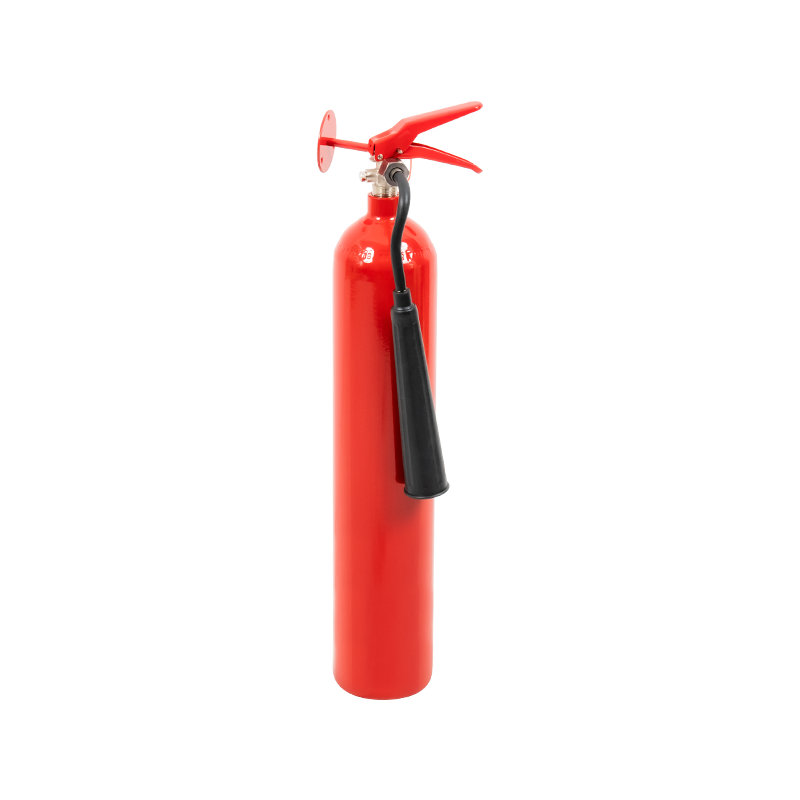
The 3kg portable steel fire extinguisher is a firefighting device designed to deal with all types of fires. Made of CK45 steel, it is sturdy and durab...
See Details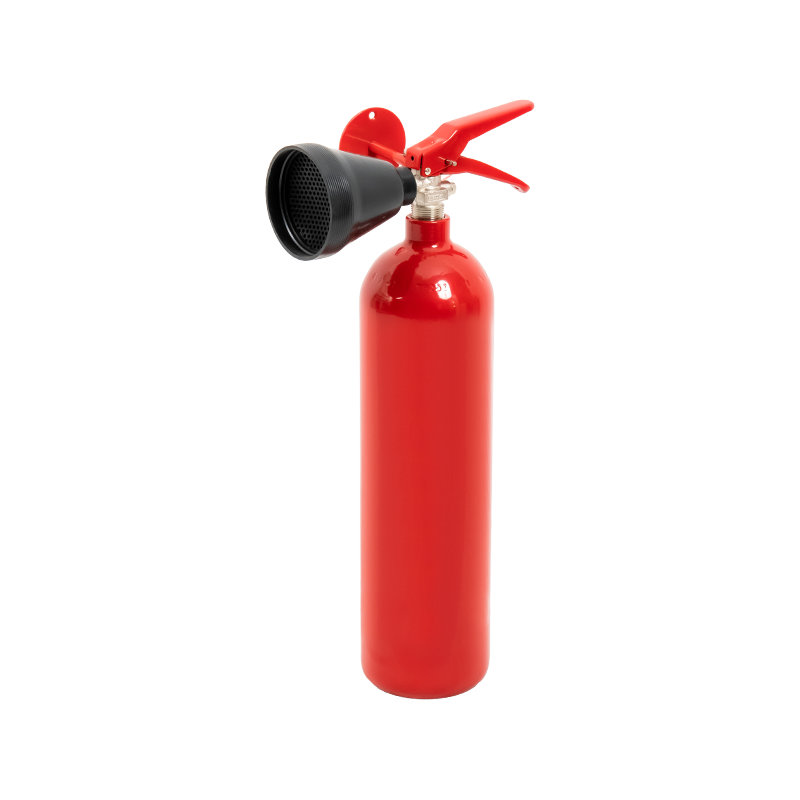
The 2kg portable CE fire extinguisher is a firefighting device designed for quick response and extinguishing of small fires. It is made of high-streng...
See Details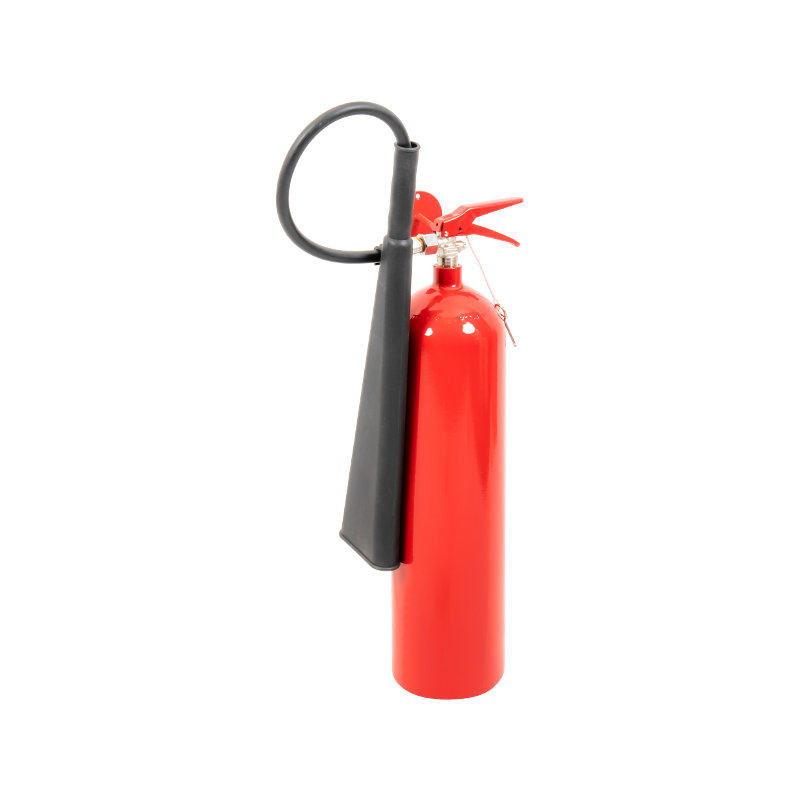
The 5kg CO2 CE extinguisher is suitable for a variety of applications, including in factories, production lines and warehouses. The 5kg CO2 extinguish...
See Details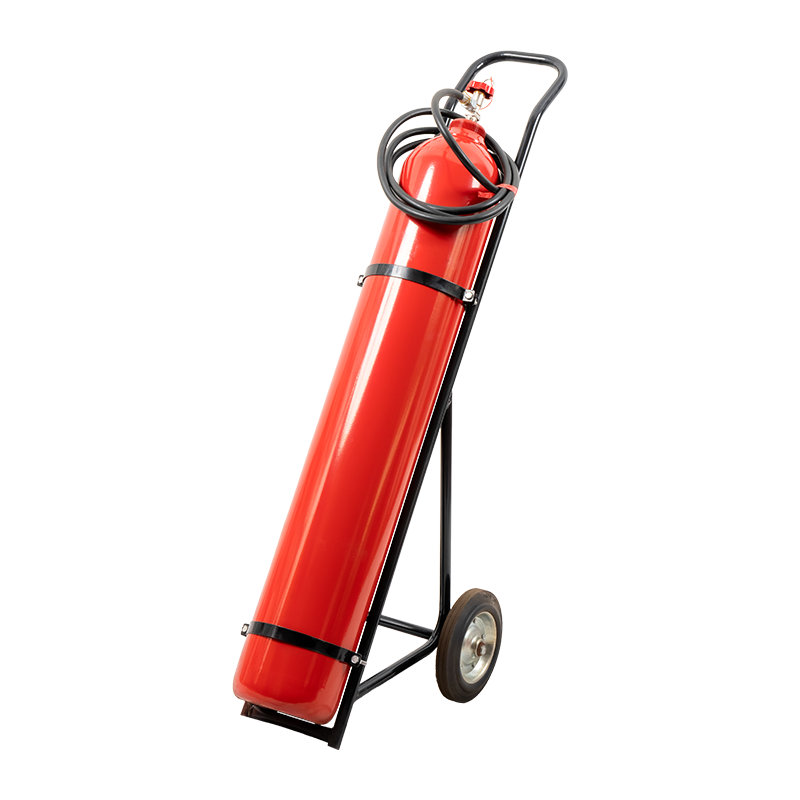
The 10KG Steel Cart-Mounted CO2 Fire Extinguisher is a portable firefighting tool consisting of a large steel cylinder with a capacity of 10kg CO2, mo...
See Details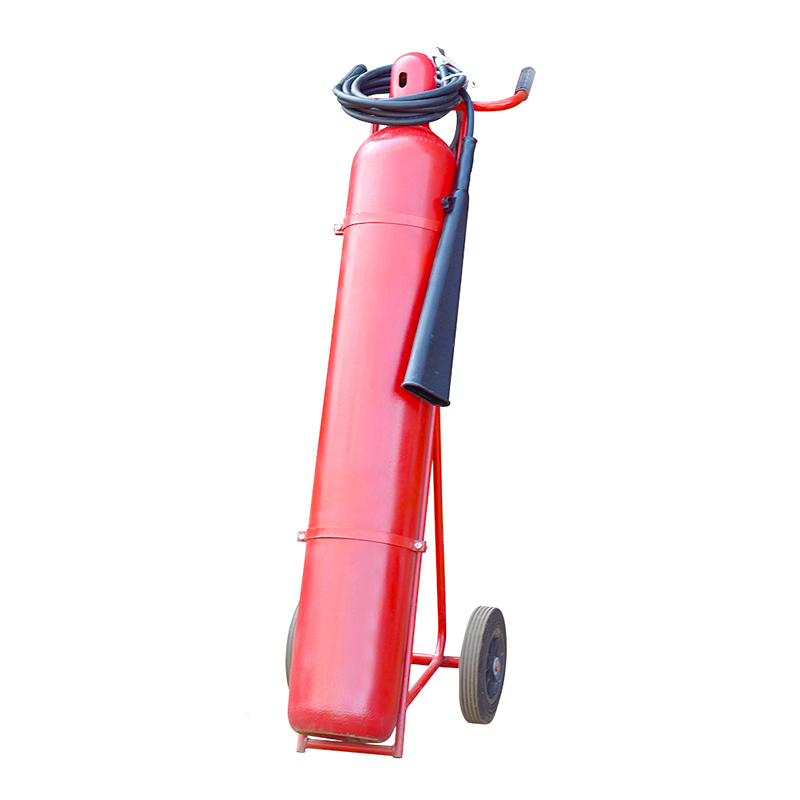
The 25kg trolley mobile fire extinguisher is a high-capacity fire-fighting equipment designed for large-scale fires. It has mechanical strength and co...
See Details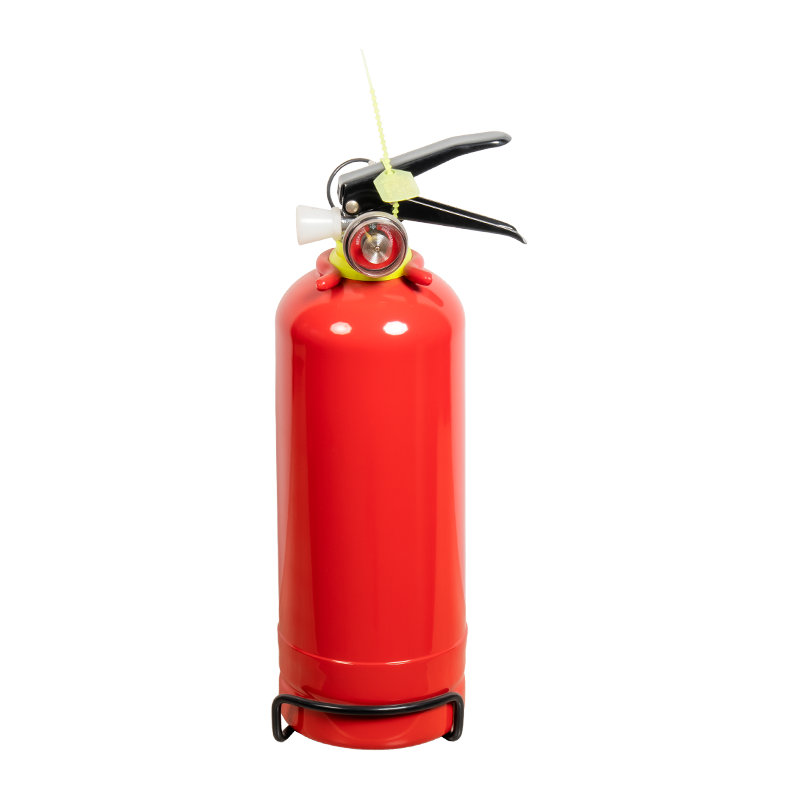
The 1kg portable dry powder fire extinguisher is a safety device used to put out small fires in emergency situations. Its outer shell is made of steel...
See Details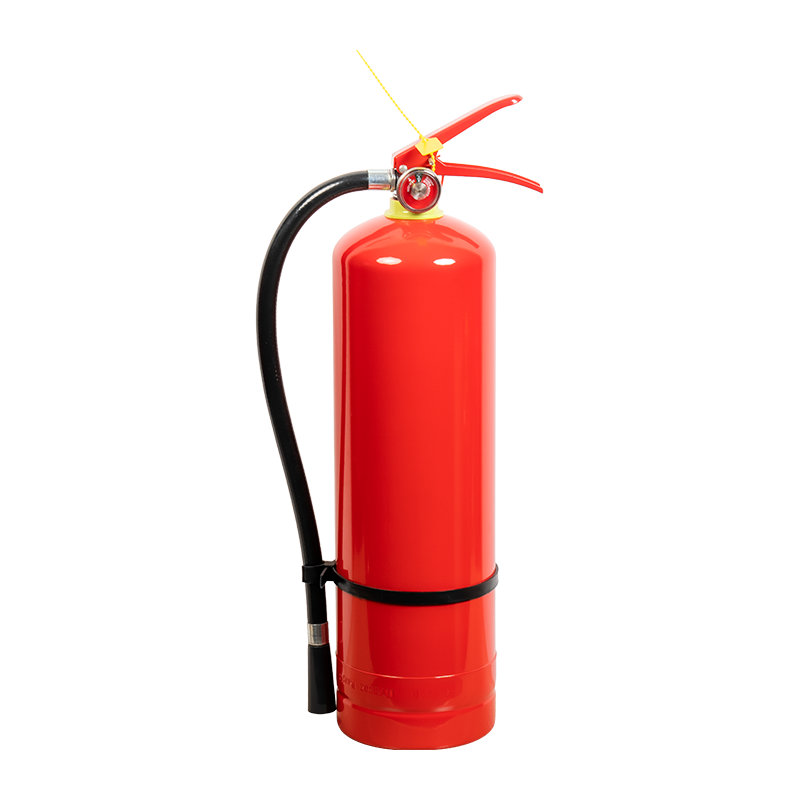
The 6kg stainless steel portable dry powder fire extinguisher is a fire extinguishing device suitable for extinguishing various small fires. Dry powde...
See Details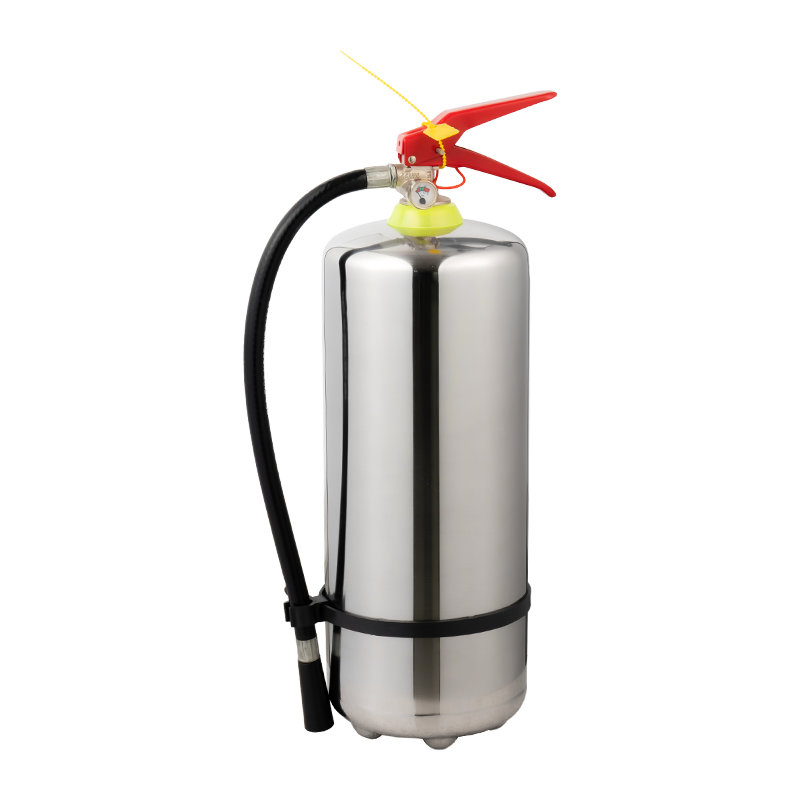
304 stainless steel 6L fire extinguisher is a professionally designed fire extinguishing equipment, made of high-quality SUS304 stainless steel materi...
See Details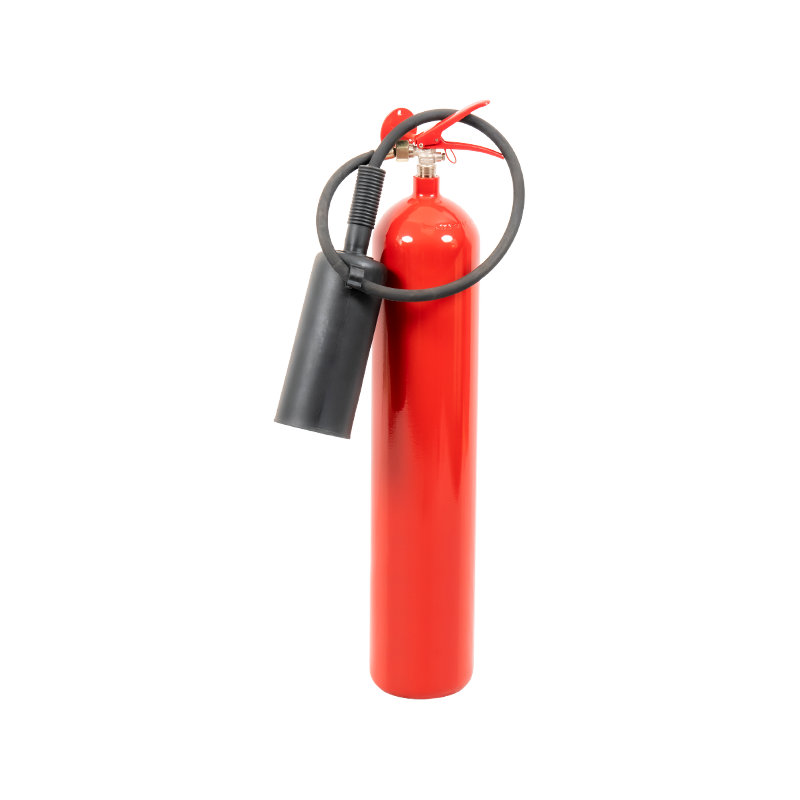
The 5kg fire-fighting carbon dioxide fire extinguisher can work in a wide temperature range, from -30˚C to +60˚C, to meet the firefighting needs in va...
See Details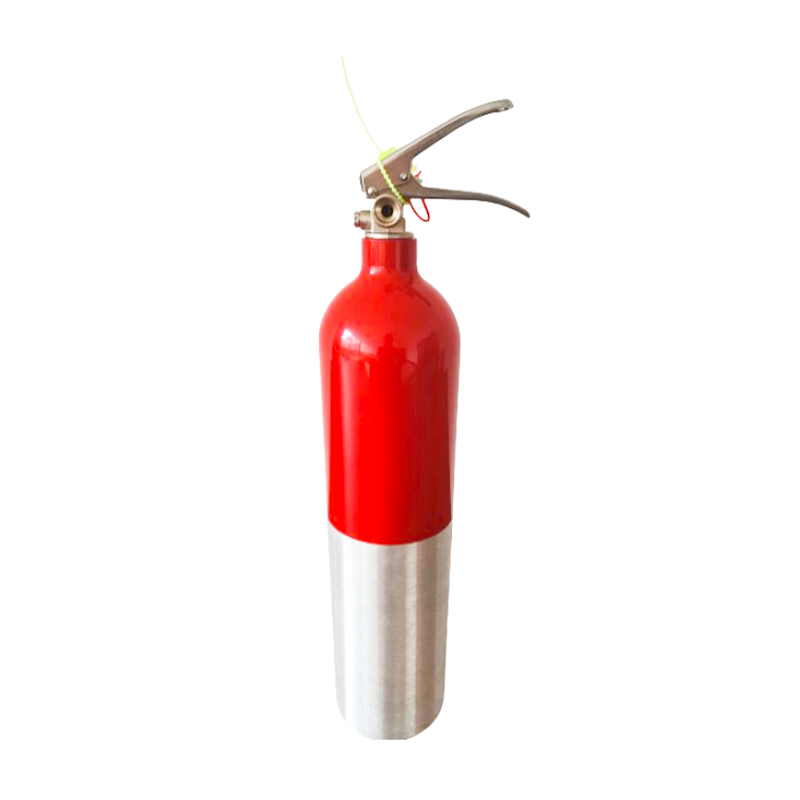
The 5KG portable aluminum fire extinguisher is an efficient and reliable fire extinguishing equipment suitable for fire protection needs in various in...
See Details
Zhejiang Yongshang Pressure Vessel Co., Ltd. was established in 2016. It is a modern enterprise integrating R&D, production and sales, specializing in the production of dry powder, carts, carbon dioxide fire extinguishers, seamless steel cylinders, and aluminum bottles.

+86 13857576559


Zhuhai Village, Gaibei Town, Shangyu District, Shaoxing City, Zhejiang Province, China
