 English
 عربى
عربى 中文简体
中文简体

3KG Portable Steel Fire Extinguisher(CK45/CE)
Cat:CO2 Fire Extinguisher (CK45/CE)
The 3kg portable steel fire extinguisher is a firefighting device designed to deal with all types of fires. Made of CK45 steel, it is sturdy and durab...
See Details
+86 13857576559
The quality stainless steel fire extinguisher should come equipped with a tamper-evident safety pin, a pull-ring, and a pressure gauge as standard components. These are not optional extras; they are critical safety features required by major fire safety standards including NFPA 10 and UL certification guidelines. However, not all units are created equal, and understanding exactly what these components do, how to verify their condition, and what to look for when purchasing can make the difference between a unit that performs when it matters and one that fails under pressure — literally.
The tamper-evident safety pin is a small but mission-critical component inserted through the valve handle of a stainless steel fire extinguisher. Its primary function is to prevent accidental discharge during storage, transport, or handling. Without it, a minor bump or mishandling could trigger the release mechanism prematurely.
The "tamper-evident" aspect refers to a plastic or wire seal threaded through the pin. This seal is designed to break or show visible deformation if the pin has been removed or tampered with. If the seal is broken on a unit that has never been used, it is a red flag that the extinguisher may have been previously discharged and not recharged, or improperly handled.
According to NFPA 10 (Standard for Portable Fire Extinguishers), inspectors are required to verify the presence and integrity of the tamper-evident device during monthly visual inspections. A missing or broken seal without a corresponding service record is grounds for immediate removal and recharging.
The pull-ring — also commonly called the pull-pin — is the D-shaped or circular metal loop attached to the safety pin. To operate a stainless steel fire extinguisher, the user must first pull this ring to remove the safety pin, which unlocks the discharge lever. This step is the first action in the universally recognized PASS technique:
On a stainless steel fire extinguisher, the pull-ring is typically made from stainless steel or zinc alloy to resist corrosion and ensure reliable operation even after years of storage in demanding environments such as marine vessels, industrial kitchens, or outdoor cabinets. A pull-ring that is corroded, bent, or difficult to grip can delay response time by critical seconds in an emergency.
Some premium models feature an ergonomically enlarged pull-ring that can be operated with gloves on, which is especially important in industrial or cold-weather environments. When purchasing, verify that the pull-ring is securely attached and moves freely without resistance.
The pressure gauge on a stainless steel fire extinguisher provides an immediate visual indication of whether the unit is properly charged and ready for use. Most standard gauges feature a color-coded dial divided into three zones:
On a high-quality stainless steel fire extinguisher, the gauge face should be sealed against moisture and dust ingress, particularly important in humid or outdoor installations. An unsealed gauge in a coastal or marine environment can fog internally or corrode, giving a false green reading while the unit is actually undercharged. Look for gauges rated to IP54 or higher for demanding environments.
Note that CO₂ fire extinguishers are an exception — they do not use a standard pressure gauge because CO₂ pressure varies significantly with temperature, making gauge readings unreliable. CO₂ units are instead weighed to verify charge level.
Not all stainless steel fire extinguishers offer the same component quality. The table below outlines typical differences between entry-level and premium models across the key components discussed:
| Component | Entry-Level Model | Premium Model |
|---|---|---|
| Safety Pin Seal | Basic plastic tag | Wire-locking tamper-evident seal |
| Pull-Ring Material | Zinc alloy or basic steel | 316 stainless steel, oversized grip |
| Pressure Gauge Sealing | Standard, not moisture-rated | IP54-rated, fog-resistant face |
| Gauge Readability | Small dial, minimal color coding | Large dial, clear tri-color zones |
| Certifications | CE marked only | UL listed, FM approved, CE marked |
One of the primary reasons buyers choose a stainless steel fire extinguisher over a painted steel alternative is corrosion resistance. However, the cylinder's stainless steel construction does not automatically guarantee that every component — particularly the safety pin, pull-ring, and gauge hardware — shares the same material quality.
In environments prone to saltwater exposure, chemical vapors, or high humidity — such as offshore platforms, food processing plants, or swimming pool facilities — it is essential to verify that the valve assembly, gauge housing, and pull-ring are also manufactured from 316-grade stainless steel or equivalent corrosion-resistant alloys. Standard 304-grade components may show surface corrosion within 12–24 months under such conditions.
Ask manufacturers for material certificates or test reports covering all external components, not just the cylinder body, before committing to a purchase for a harsh-environment installation.
Per NFPA 10 guidelines, a monthly visual inspection of your stainless steel fire extinguisher should include verification of these exact components. Use the following checklist:
Any unit that fails even one of these checks should be removed from service immediately and sent for professional inspection or recharging. A stainless steel fire extinguisher that looks good externally but has a compromised gauge or missing pin is no more useful in an emergency than an empty cylinder.
When sourcing a stainless steel fire extinguisher, do not assume that all safety components are included or meet the same standard. Here are specific questions to raise with your supplier:
The reputable manufacturer of stainless steel fire extinguishers will be able to answer all of these questions with specific data, material grades, and certification documentation. Vague answers or an inability to provide component-level specifications are strong indicators of a lower-quality product that may not perform reliably under real fire conditions.
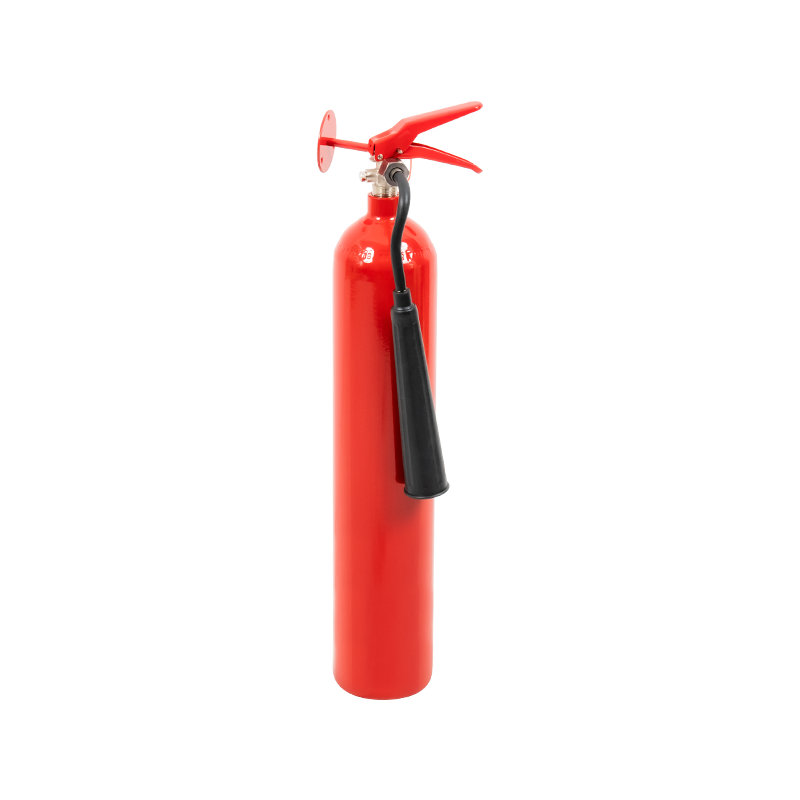
The 3kg portable steel fire extinguisher is a firefighting device designed to deal with all types of fires. Made of CK45 steel, it is sturdy and durab...
See Details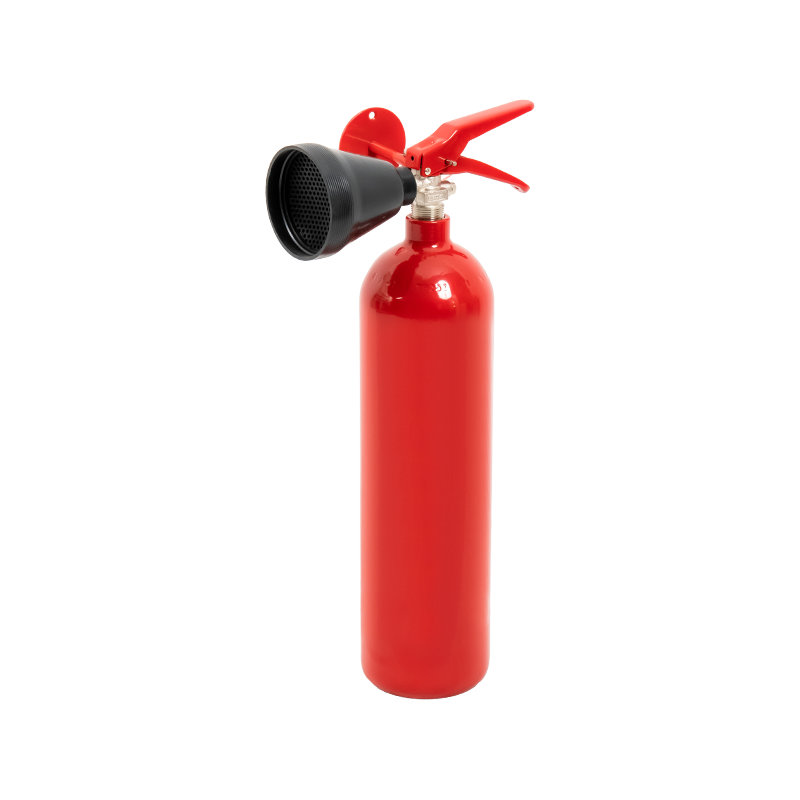
The 2kg portable CE fire extinguisher is a firefighting device designed for quick response and extinguishing of small fires. It is made of high-streng...
See Details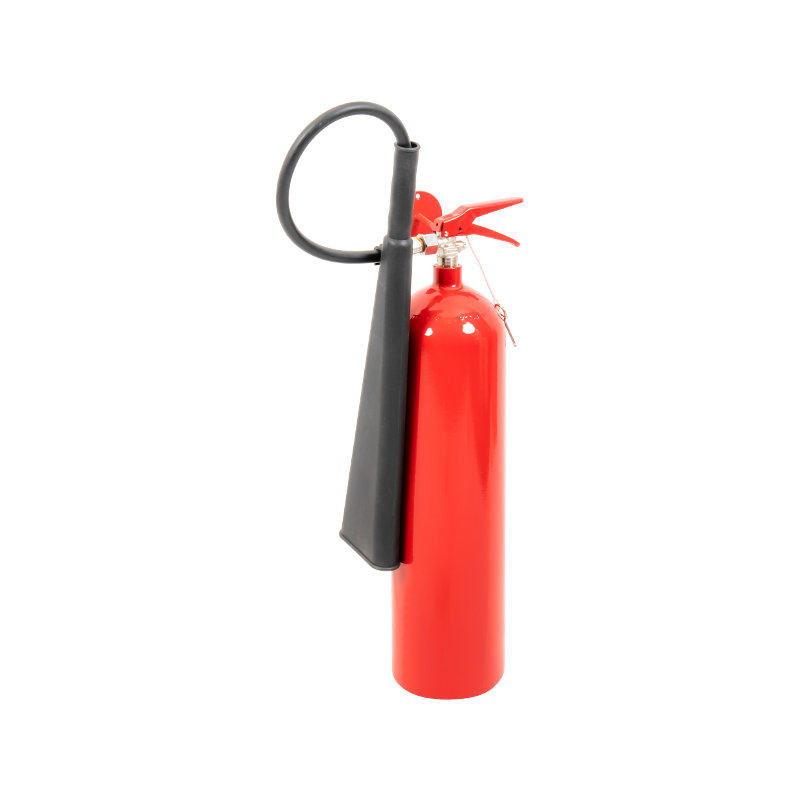
The 5kg CO2 CE extinguisher is suitable for a variety of applications, including in factories, production lines and warehouses. The 5kg CO2 extinguish...
See Details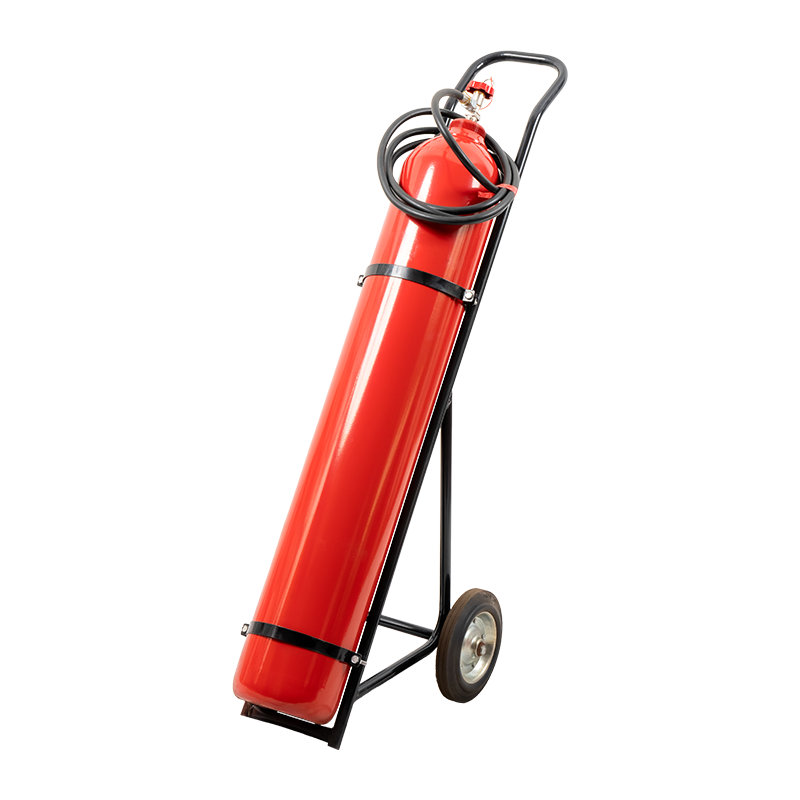
The 10KG Steel Cart-Mounted CO2 Fire Extinguisher is a portable firefighting tool consisting of a large steel cylinder with a capacity of 10kg CO2, mo...
See Details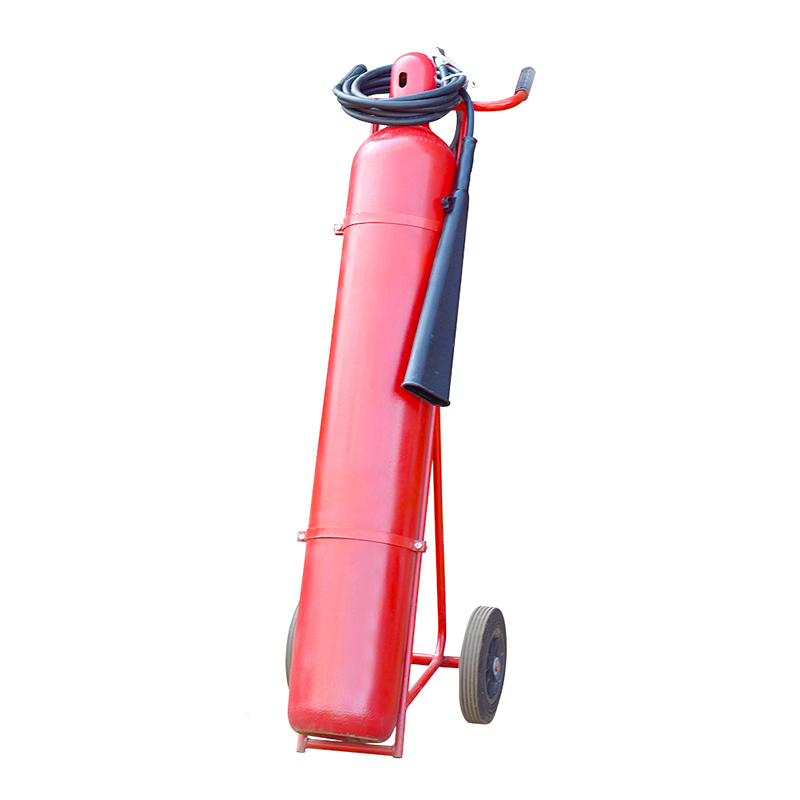
The 25kg trolley mobile fire extinguisher is a high-capacity fire-fighting equipment designed for large-scale fires. It has mechanical strength and co...
See Details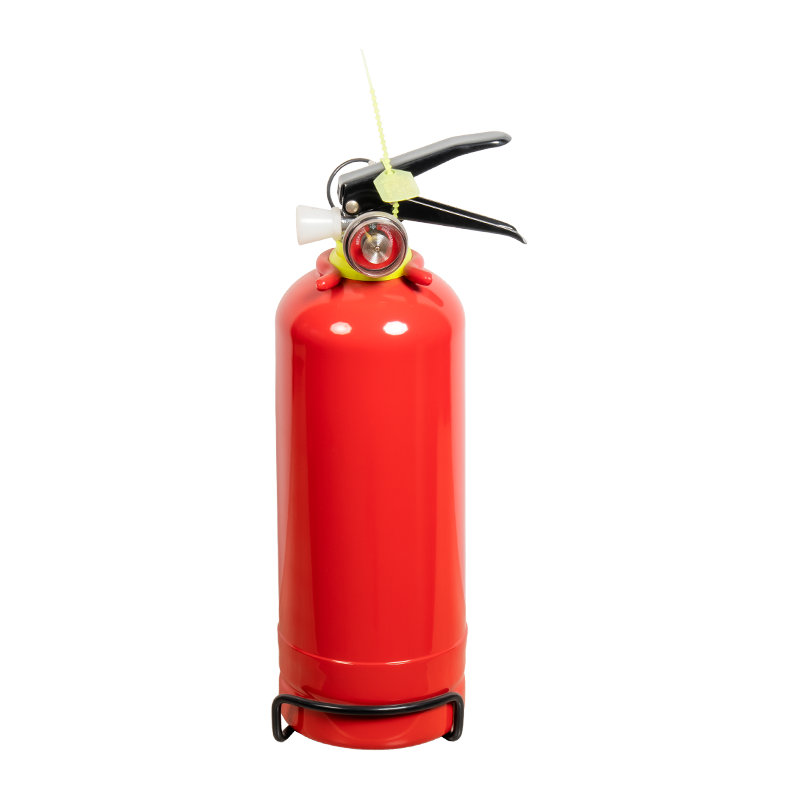
The 1kg portable dry powder fire extinguisher is a safety device used to put out small fires in emergency situations. Its outer shell is made of steel...
See Details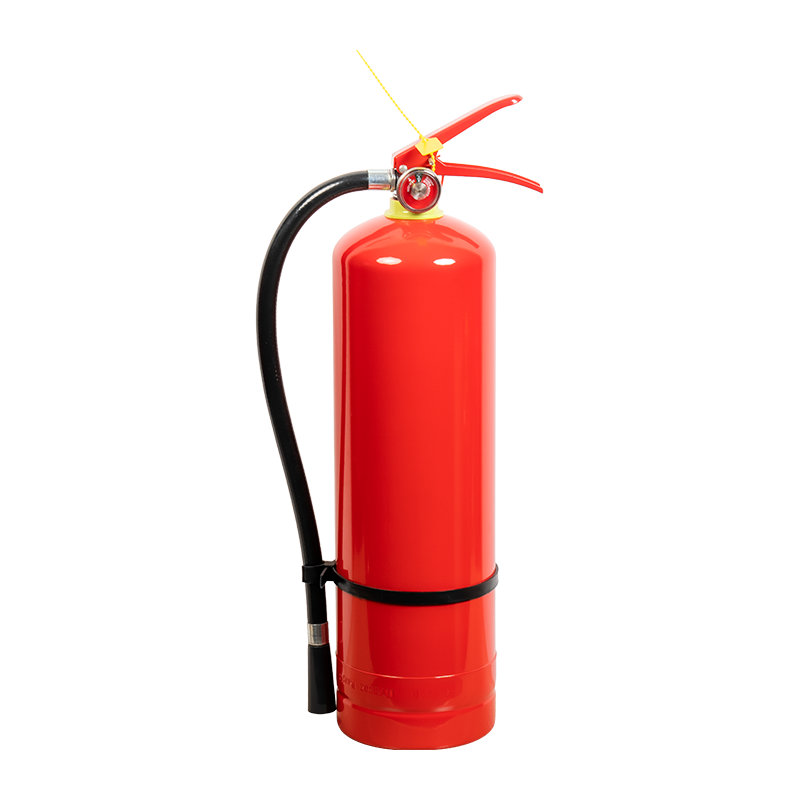
The 6kg stainless steel portable dry powder fire extinguisher is a fire extinguishing device suitable for extinguishing various small fires. Dry powde...
See Details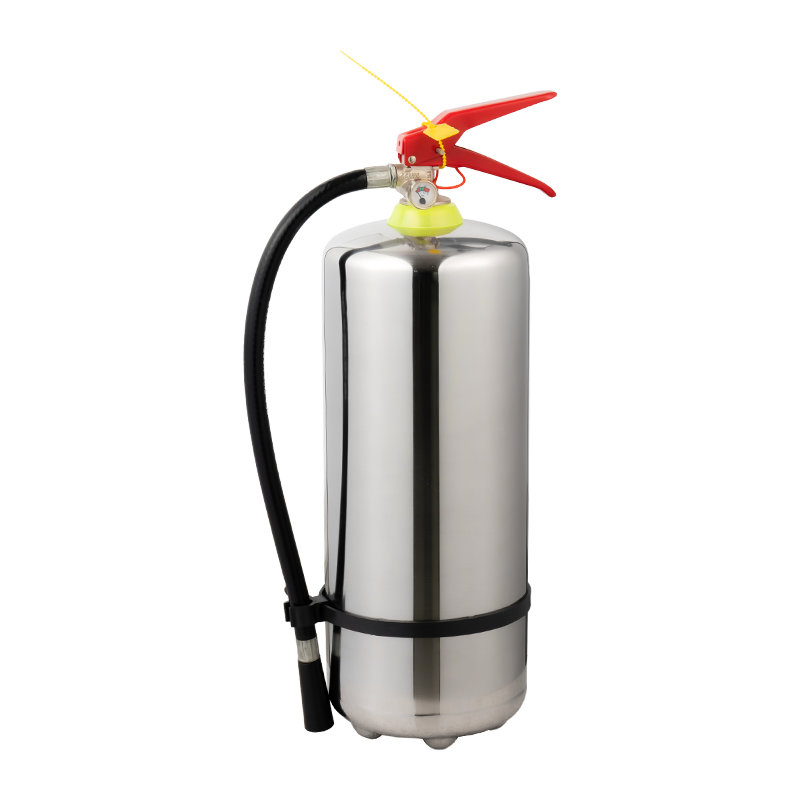
304 stainless steel 6L fire extinguisher is a professionally designed fire extinguishing equipment, made of high-quality SUS304 stainless steel materi...
See Details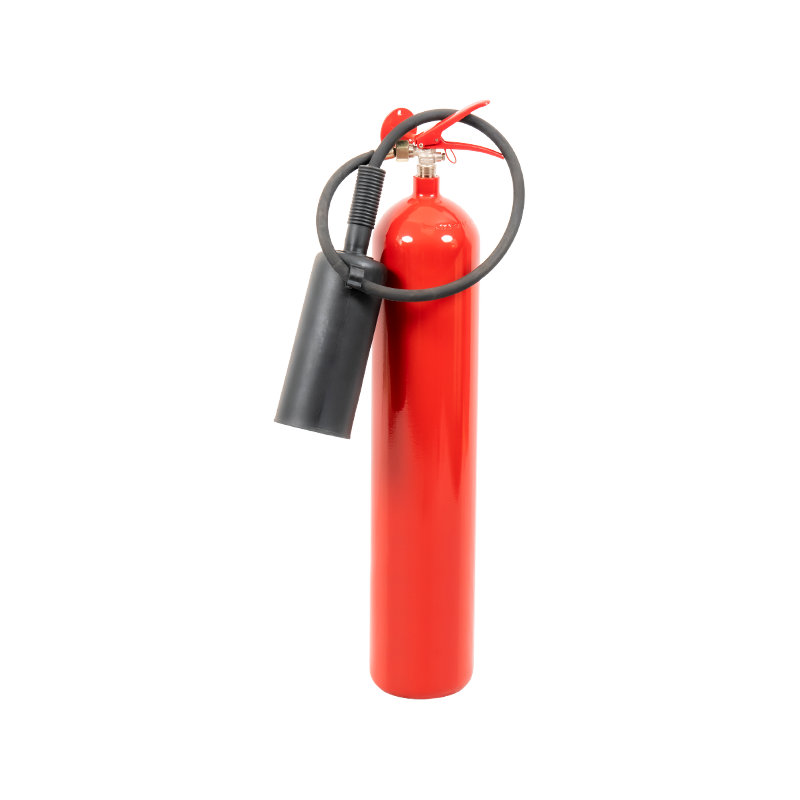
The 5kg fire-fighting carbon dioxide fire extinguisher can work in a wide temperature range, from -30˚C to +60˚C, to meet the firefighting needs in va...
See Details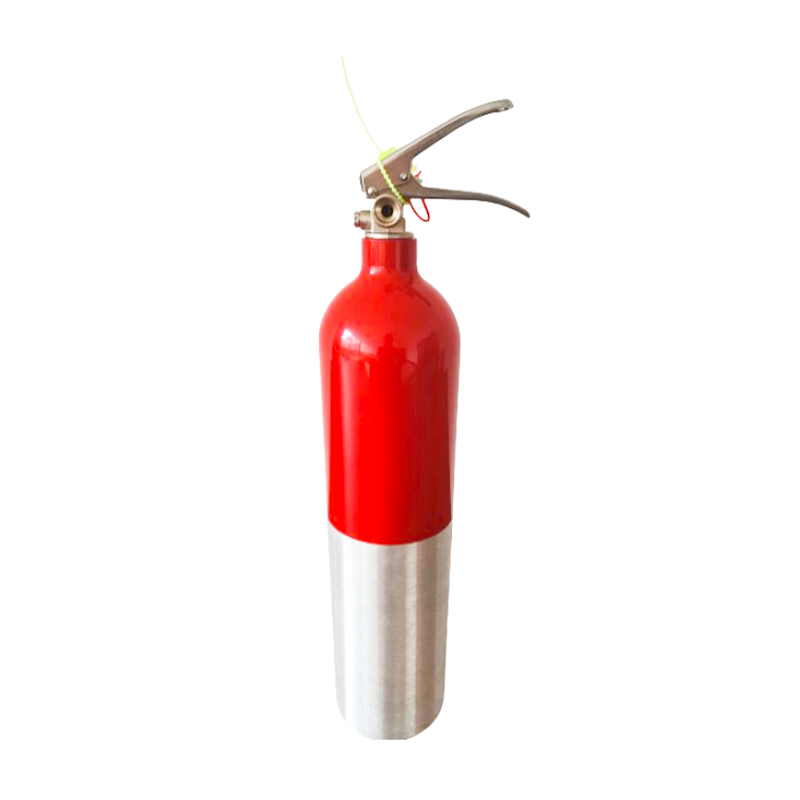
The 5KG portable aluminum fire extinguisher is an efficient and reliable fire extinguishing equipment suitable for fire protection needs in various in...
See Details
Zhejiang Yongshang Pressure Vessel Co., Ltd. was established in 2016. It is a modern enterprise integrating R&D, production and sales, specializing in the production of dry powder, carts, carbon dioxide fire extinguishers, seamless steel cylinders, and aluminum bottles.

+86 13857576559


Zhuhai Village, Gaibei Town, Shangyu District, Shaoxing City, Zhejiang Province, China
