 English
 عربى
عربى 中文简体
中文简体

3KG Portable Steel Fire Extinguisher(CK45/CE)
Cat:CO2 Fire Extinguisher (CK45/CE)
The 3kg portable steel fire extinguisher is a firefighting device designed to deal with all types of fires. Made of CK45 steel, it is sturdy and durab...
See Details
+86 13857576559
The CE Fire Extinguisher is certified to handle fire classes A, B, C, and F, depending on the agent type — covering solid combustibles, flammable liquids, flammable gases, and cooking oils respectively. This certification is governed by the EN3 European standard, which sets strict performance benchmarks for every fire extinguisher sold within the European Economic Area. In contrast, non-CE-certified extinguishers may lack independent verification of these capabilities, making them a riskier choice for both residential and commercial environments. If you are selecting a fire extinguisher for regulated premises, understanding exactly what the CE mark guarantees — and where it differs from unverified alternatives — is essential.
The CE mark on a fire extinguisher is not simply a logo — it signals that the product has been tested and verified against the EN3-7:2004 + A1:2007 standard, the primary European norm for portable fire extinguishers. This standard defines requirements for construction, performance, and labeling across all major fire classes.
A key component of EN3 compliance is the fire rating system. For example, a CE Fire Extinguisher rated 13A / 113B has been tested to extinguish a standardized wood crib fire (Class A) and a specific volume of flammable liquid fire (Class B). These tests are conducted by a notified body — an independent, EU-authorized testing organization — ensuring objectivity. Every gas cylinder used internally in a pressure-type extinguisher, such as a CO₂ model, must also comply with the Pressure Equipment Directive (PED 2014/68/EU), adding an additional layer of structural safety assurance.
Non-CE-certified extinguishers are not subject to these mandatory third-party audits. A manufacturer can self-declare performance claims without independent verification, which introduces significant uncertainty in real fire scenarios.
The CE Fire Extinguisher product range spans multiple agent types, each certified for specific fire classes. The table below outlines the standard coverage:
| Extinguisher Type | Fire Classes Covered | Typical Use Case |
|---|---|---|
| Water (CE-marked) | Class A | Wood, paper, textiles |
| Foam (CE-marked) | Class A, B | Offices, warehouses, vehicles |
| Dry Powder (CE-marked) | Class A, B, C | Gas leaks, flammable liquids, solids |
| CO₂ (CE-marked) | Class B, Electrical | Server rooms, laboratories |
| Wet Chemical (CE-marked) | Class A, F | Commercial kitchens, cooking oil fires |
Notably, Class F certification is exclusive to wet chemical extinguishers and is absent from most non-CE-certified products targeting the European market. This is particularly significant for catering businesses, where cooking oil fires are one of the most common and dangerous hazards.
The differences between a CE Fire Extinguisher and a non-CE-certified equivalent go beyond labeling. They affect safety margins, legal compliance, and real-world effectiveness.
Every CE Fire Extinguisher placed on the EU market must pass testing by a notified body. Non-CE products, particularly those sourced from unregulated supply chains, often rely solely on the manufacturer's own claims. In a 2021 market surveillance report by the European Commission, over 30% of sampled non-CE fire safety products failed to meet the performance levels stated on their labels.
A CE Fire Extinguisher that operates using stored pressure — including those with an internal gas cylinder — must comply with the PED directive. This mandates specific wall thickness, valve integrity, and burst pressure tolerances. Non-certified extinguishers may use substandard gas cylinder components that risk rupture under thermal stress, a serious hazard in high-temperature fire conditions.
EN3 requires that the CE Fire Extinguisher label clearly displays the fire class pictograms, numerical fire rating, operating instructions, and service intervals. Non-CE products frequently omit fire class pictograms or use misleading icons, which can lead to incorrect deployment — for instance, using a water extinguisher on a Class B flammable liquid fire, which can cause a fireball.
While the CE Fire Extinguisher is the benchmark for European compliance, other regions use different certification frameworks. Understanding these distinctions is important for multinational operations or cross-border procurement.
Selecting the correct CE Fire Extinguisher requires matching the agent type to the dominant fire risk in your environment. Using the wrong type — even a CE-certified one — can be ineffective or even dangerous.
As a general rule, never rely on a single fire extinguisher type to cover all risks. Fire risk assessments under the EU's Workplace Safety Directive (89/391/EEC) typically recommend a combination of CE Fire Extinguisher types placed at strategic locations throughout a building.
Owning a CE Fire Extinguisher carries ongoing obligations. EN3 and national regulations across EU member states require annual inspection by a competent person, and most CE Fire Extinguisher models specify a full overhaul every 5 years and replacement of the internal gas cylinder every 10–15 years depending on the model and agent type.
Non-CE extinguishers, lacking standardized service intervals on their labeling, are frequently under-serviced. A fire extinguisher that has not been inspected may have lost pressure, have a degraded agent, or have a corroded valve — rendering it useless precisely when it is needed most. In verified incident reports from the UK Fire and Rescue Service, approximately 12% of extinguisher failures during real fires were attributed to lack of maintenance, many involving non-certified products.
For businesses operating across the EU, using a CE Fire Extinguisher is not optional — it is a legal requirement. Failure to comply with EN3 and the associated PED directive can result in regulatory fines, invalidated insurance, and liability in the event of injury or property loss.
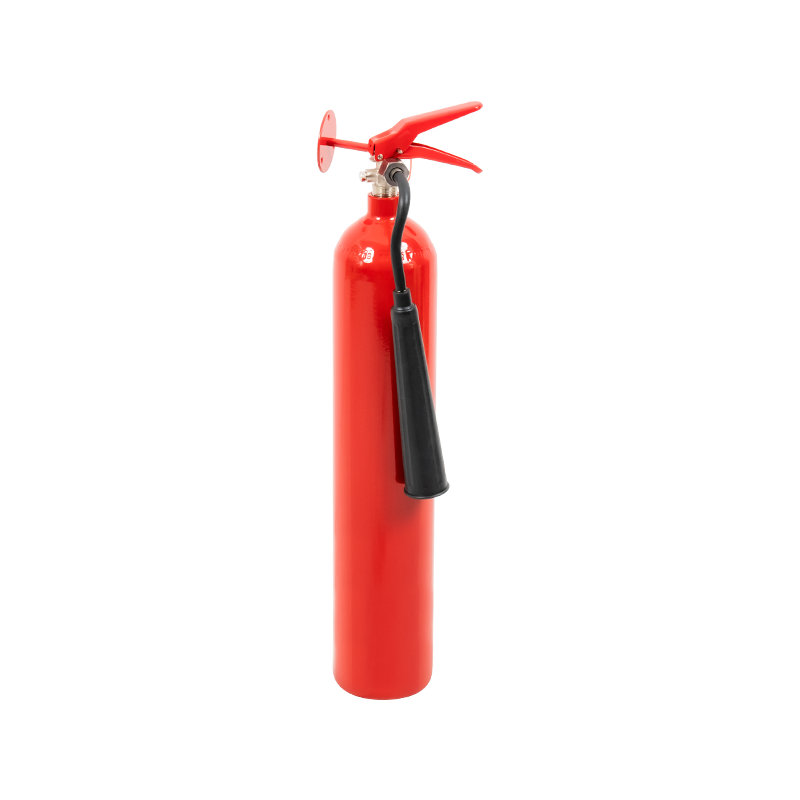
The 3kg portable steel fire extinguisher is a firefighting device designed to deal with all types of fires. Made of CK45 steel, it is sturdy and durab...
See Details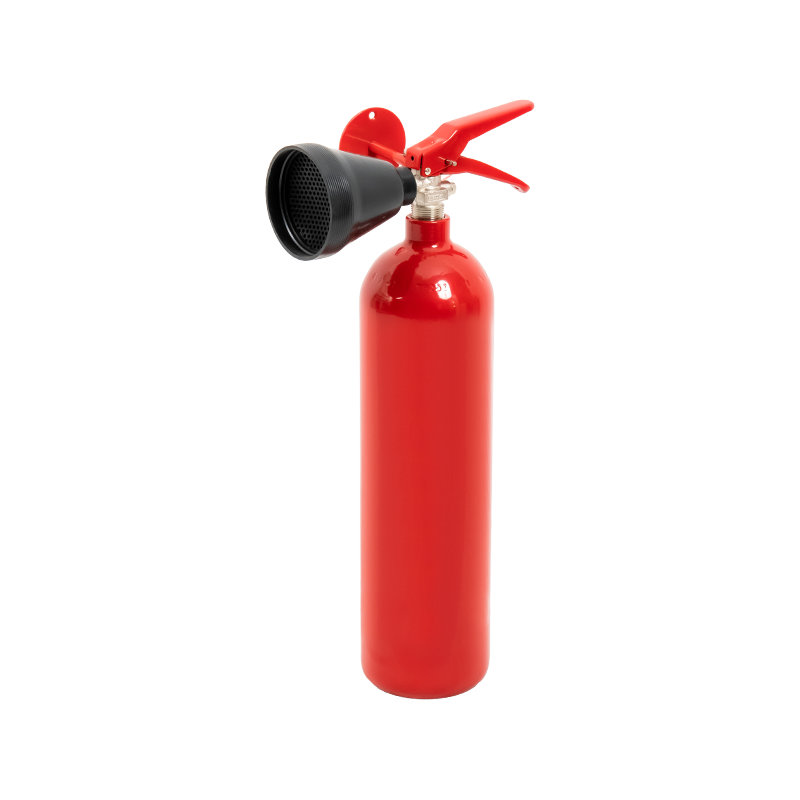
The 2kg portable CE fire extinguisher is a firefighting device designed for quick response and extinguishing of small fires. It is made of high-streng...
See Details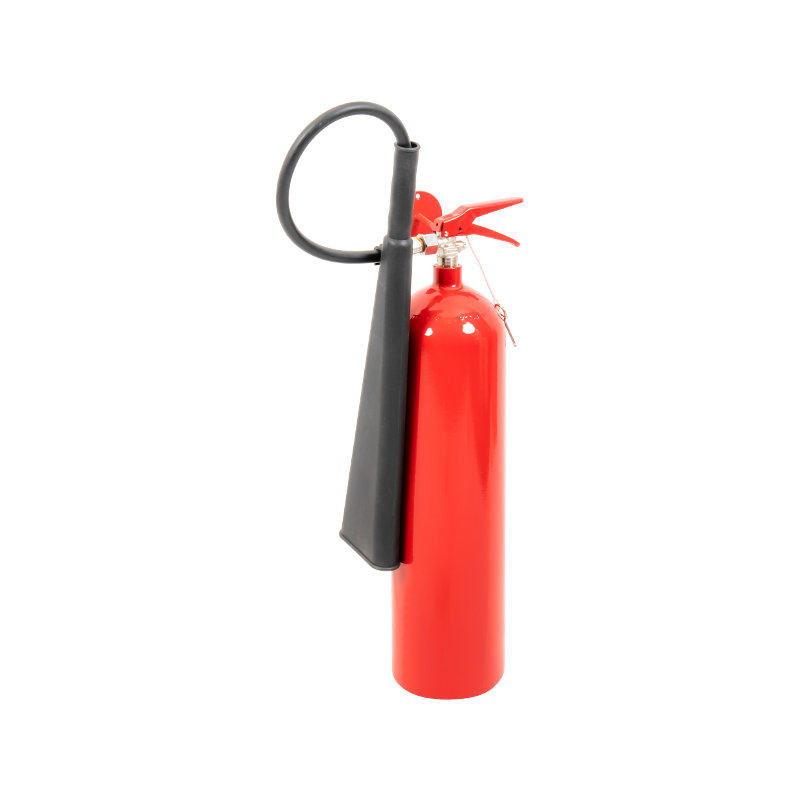
The 5kg CO2 CE extinguisher is suitable for a variety of applications, including in factories, production lines and warehouses. The 5kg CO2 extinguish...
See Details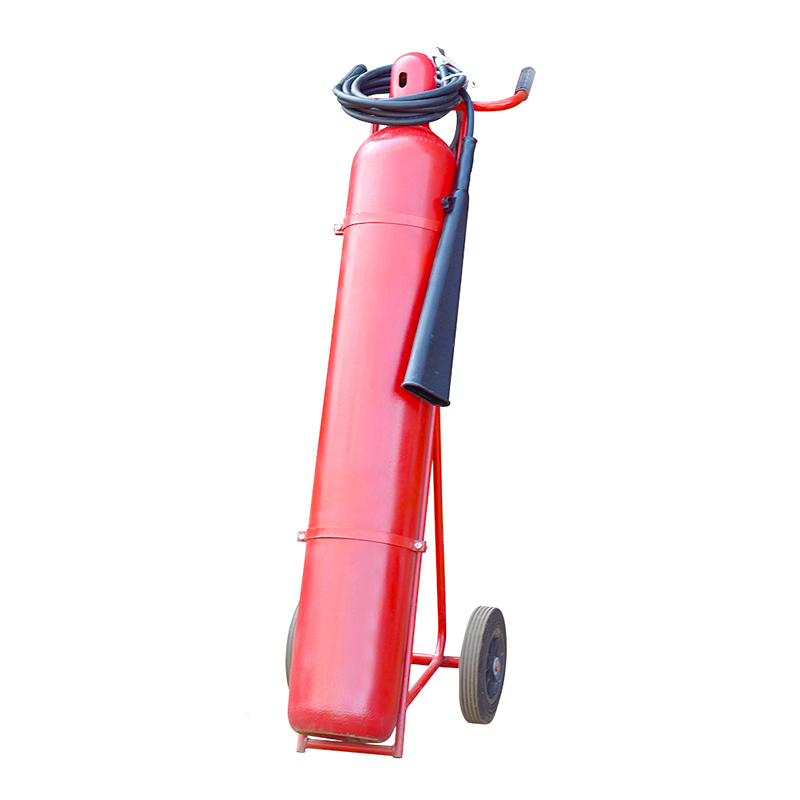
The 25kg trolley mobile fire extinguisher is a high-capacity fire-fighting equipment designed for large-scale fires. It has mechanical strength and co...
See Details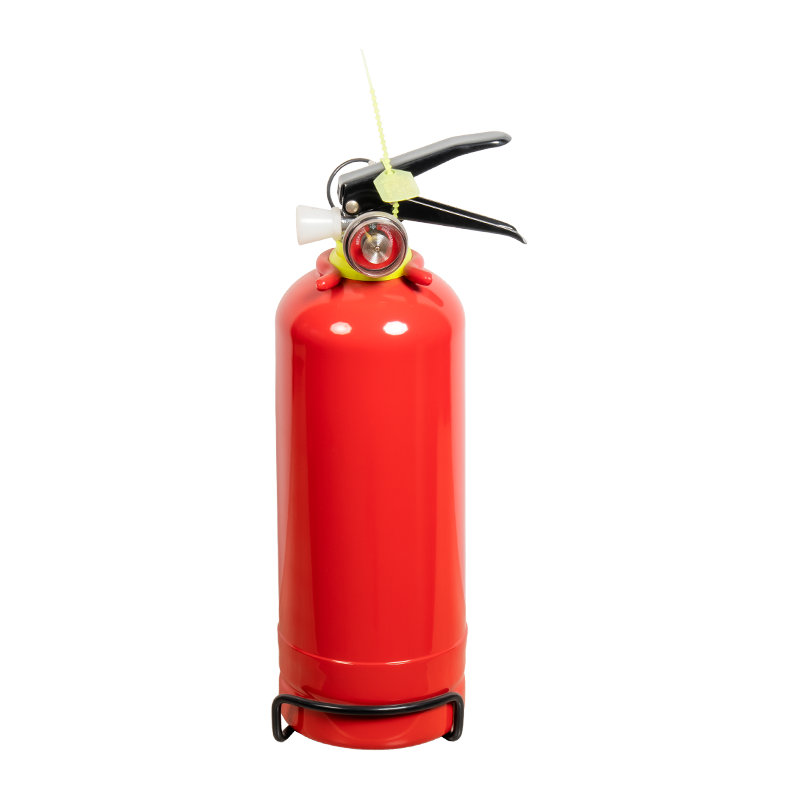
The 1kg portable dry powder fire extinguisher is a safety device used to put out small fires in emergency situations. Its outer shell is made of steel...
See Details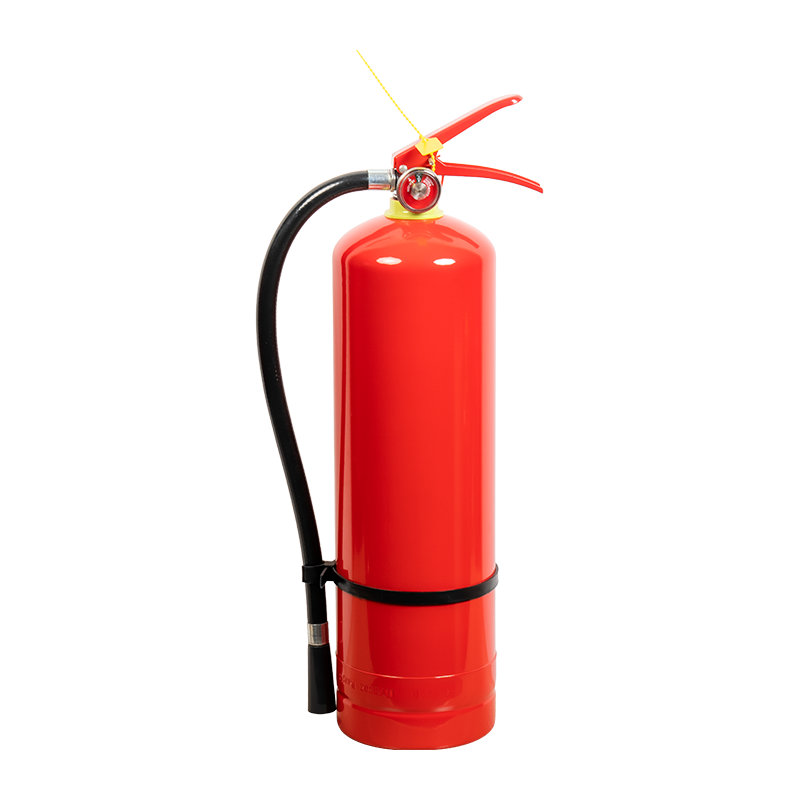
The 6kg stainless steel portable dry powder fire extinguisher is a fire extinguishing device suitable for extinguishing various small fires. Dry powde...
See Details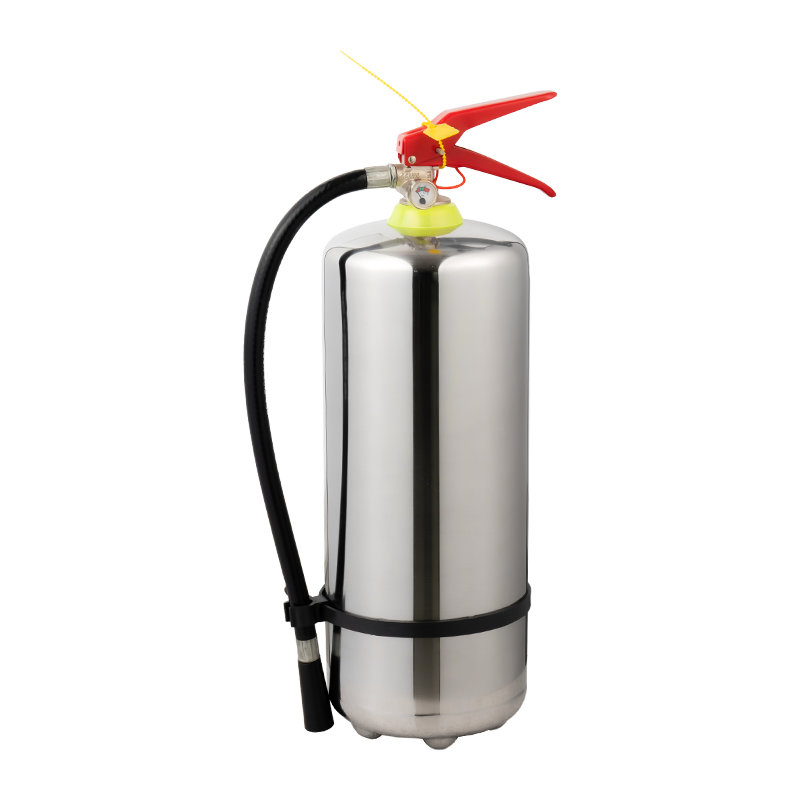
304 stainless steel 6L fire extinguisher is a professionally designed fire extinguishing equipment, made of high-quality SUS304 stainless steel materi...
See Details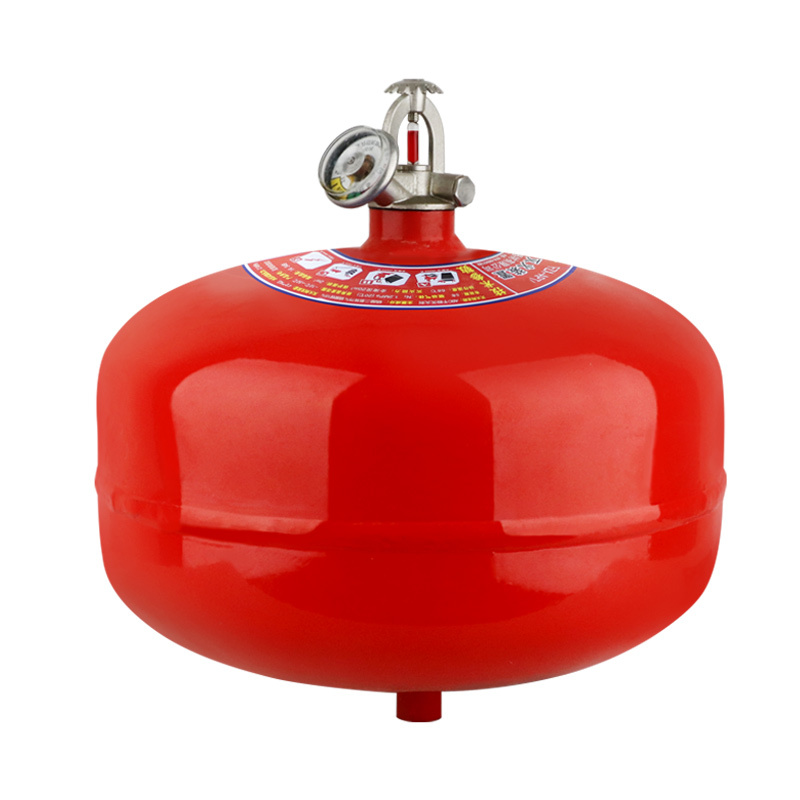
8KG hanging fire extinguisher can be installed on the wall or ceiling, fixed by hook or bracket, making it easy to quickly access and operate when nee...
See Details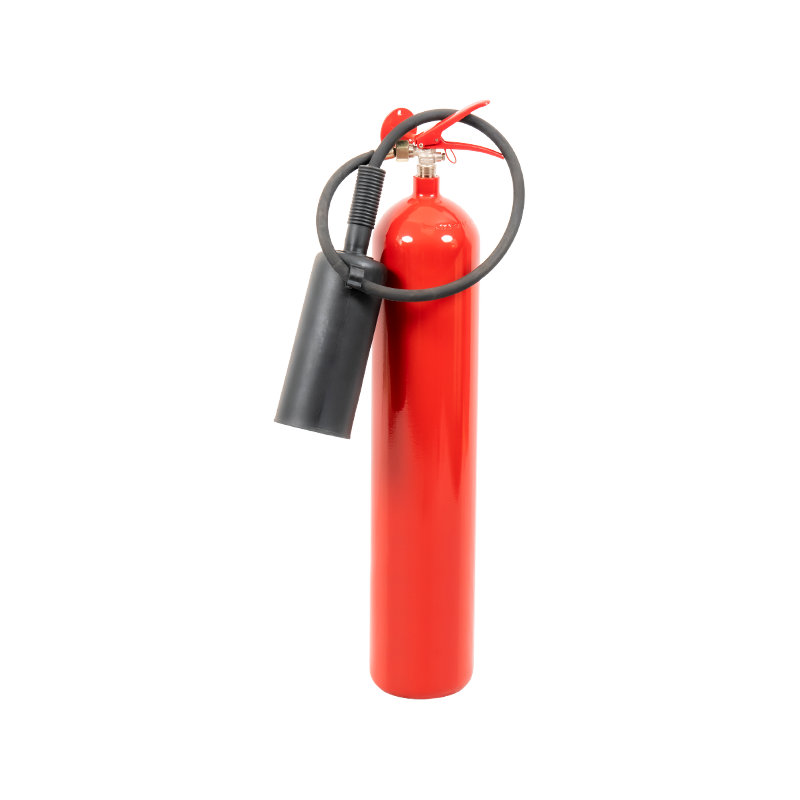
The 5kg fire-fighting carbon dioxide fire extinguisher can work in a wide temperature range, from -30˚C to +60˚C, to meet the firefighting needs in va...
See Details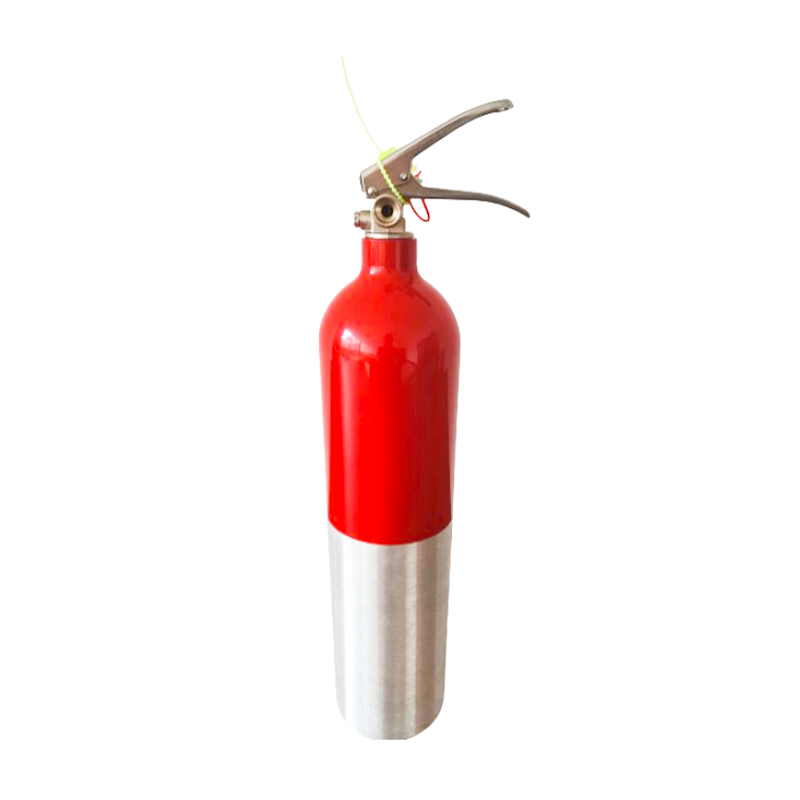
The 5KG portable aluminum fire extinguisher is an efficient and reliable fire extinguishing equipment suitable for fire protection needs in various in...
See Details
Zhejiang Yongshang Pressure Vessel Co., Ltd. was established in 2016. It is a modern enterprise integrating R&D, production and sales, specializing in the production of dry powder, carts, carbon dioxide fire extinguishers, seamless steel cylinders, and aluminum bottles.

+86 13857576559


Zhuhai Village, Gaibei Town, Shangyu District, Shaoxing City, Zhejiang Province, China
