 English
 عربى
عربى 中文简体
中文简体

3KG Portable Steel Fire Extinguisher(CK45/CE)
Cat:CO2 Fire Extinguisher (CK45/CE)
The 3kg portable steel fire extinguisher is a firefighting device designed to deal with all types of fires. Made of CK45 steel, it is sturdy and durab...
See Details
+86 13857576559
The aluminum gas cylinder is generally more prone to denting and surface damage than a steel cylinder under industrial field conditions. Aluminum's lower hardness (Brinell hardness ~35–95 HB vs. steel's ~120–200 HB) makes it more susceptible to impact deformation. However, this does not automatically make aluminum the inferior choice. Whether denting poses a safety or operational risk depends heavily on the severity of damage, the working pressure, and the application context. Understanding the full picture helps industrial users make smarter purchasing and handling decisions.
The core reason aluminum gas cylinders dent more easily comes down to material properties. Aluminum alloys used in cylinder manufacturing — typically AA6061-T6 or AA7075 — have a tensile strength of roughly 270–500 MPa. By contrast, common steel alloys used in gas cylinders (such as 34CrMo4 or chrome-molybdenum steel) reach tensile strengths of 800–1,000 MPa or higher. This means steel can absorb significantly more impact energy before deforming.
In industrial field environments — construction sites, mining operations, welding yards — cylinders are regularly dropped, knocked over, or struck by heavy equipment. A drop from just 1.2 meters onto a concrete surface can leave a visible dent on an aluminum cylinder, while a comparable steel cylinder may show only a minor scuff. This is not a hypothetical: field technicians and gas suppliers commonly report that returned aluminum cylinders show higher rates of cosmetic and minor structural damage compared to steel units on the same job sites.
This is the most critical distinction users must understand. Not all dents are equal. Regulatory standards — including DOT (U.S. Department of Transportation) and ISO 11623 — define clear criteria for when a dented cylinder must be removed from service:
Shallow, smooth dents on the cylinder body of a properly designed aluminum cylinder do not necessarily compromise its burst pressure or pressure cycle fatigue life. Aluminum cylinders are designed with safety factors of 3.0 to 3.5 times working pressure in their burst ratings. That said, the higher deformability of aluminum means that an impact which causes a "cosmetic" dent in steel might cause a structurally significant dent in aluminum — making regular visual inspection far more important for aluminum units in industrial use.
| Property | Aluminum Gas Cylinder | Steel Gas Cylinder |
|---|---|---|
| Brinell Hardness (HB) | 35–95 | 120–200 |
| Tensile Strength (MPa) | 270–500 | 800–1,000+ |
| Susceptibility to Denting | Higher | Lower |
| Corrosion Resistance | Excellent (passive oxide layer) | Moderate (requires coating) |
| Weight (typical 50L cylinder) | ~14–16 kg | ~22–28 kg |
| Typical Service Life | Up to 20–30 years | Up to 30–40 years |
| Field Damage Frequency | Higher cosmetic damage rate | Lower cosmetic damage rate |
Despite its lower impact resistance, the aluminum gas cylinder retains meaningful advantages that make it the preferred choice in many industrial contexts:
A standard 50-liter aluminum gas cylinder weighs approximately 14–16 kg empty, versus 22–28 kg for an equivalent steel cylinder. Over a full working day of manual handling — loading, unloading, positioning — this difference significantly reduces worker fatigue and lowers the risk of musculoskeletal injury. In sectors like medical gas delivery, beverage CO₂ service, or firefighting, this weight advantage is decisive.
Aluminum naturally forms a stable oxide layer that protects against rust without any additional coating. Steel cylinders, when their paint or protective coating is compromised by a dent or scratch in field conditions, become vulnerable to corrosion — a failure mode that can be far more dangerous long-term than a surface dent on aluminum. In coastal, humid, or chemical-exposure environments, the aluminum gas cylinder's corrosion immunity is a critical safety advantage.
Aluminum does not spark upon impact with other metals or hard surfaces. In flammable or explosive atmospheres — such as oil and gas facilities, chemical plants, or mines — this property makes an aluminum gas cylinder inherently safer to handle than a steel one, where metal-on-metal impact could ignite surrounding gases.
If you are operating in a high-impact industrial environment and are weighing which cylinder type to use, consider the following guidance:
Many industrial operations successfully use both cylinder types in parallel — deploying steel cylinders for stationary, high-abuse storage points and aluminum gas cylinders for portable or mobile field units where weight and corrosion matter most. This hybrid approach maximizes the strengths of each material while mitigating the weaknesses.
For example, a pipeline construction company might store bulk argon and oxygen in steel cylinders at the central yard, while field welders carry lightweight aluminum gas cylinders to the workface. This is a cost-effective, safety-conscious strategy that acknowledges the real-world limitations of aluminum without abandoning its genuine advantages.
An aluminum gas cylinder is measurably more prone to denting and surface damage than a steel cylinder in industrial field conditions — this is a material reality, not a product defect. However, surface denting does not automatically translate into safety failure, provided cylinders are inspected regularly and retired when damage exceeds regulatory thresholds. The decision between aluminum and steel should be driven by the full operating context: handling intensity, environmental conditions, portability needs, and gas type. Used correctly and maintained properly, the aluminum gas cylinder remains a reliable, lightweight, and corrosion-resistant workhorse across a wide range of industrial applications.
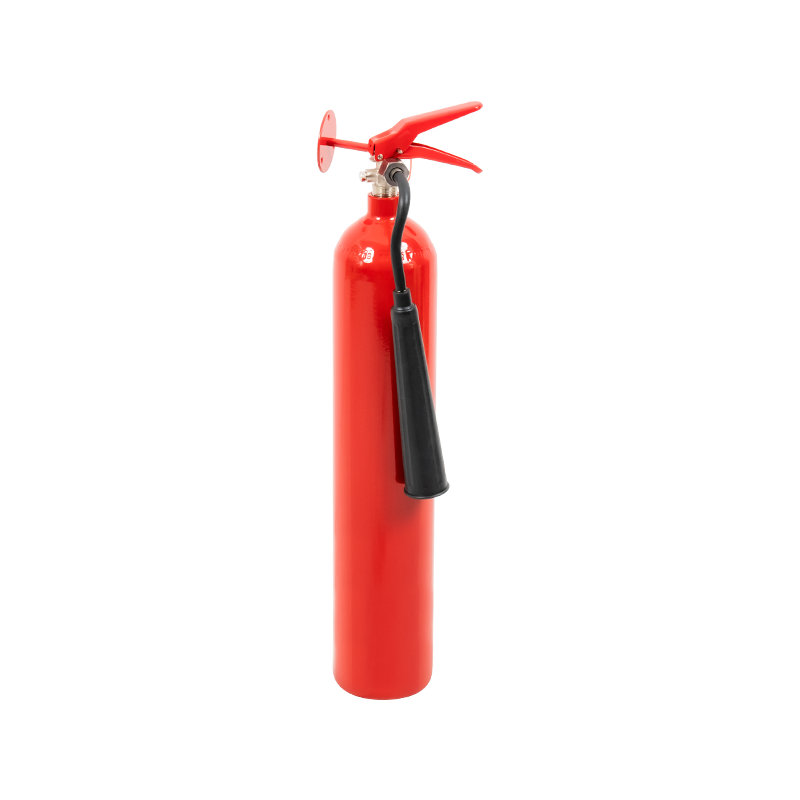
The 3kg portable steel fire extinguisher is a firefighting device designed to deal with all types of fires. Made of CK45 steel, it is sturdy and durab...
See Details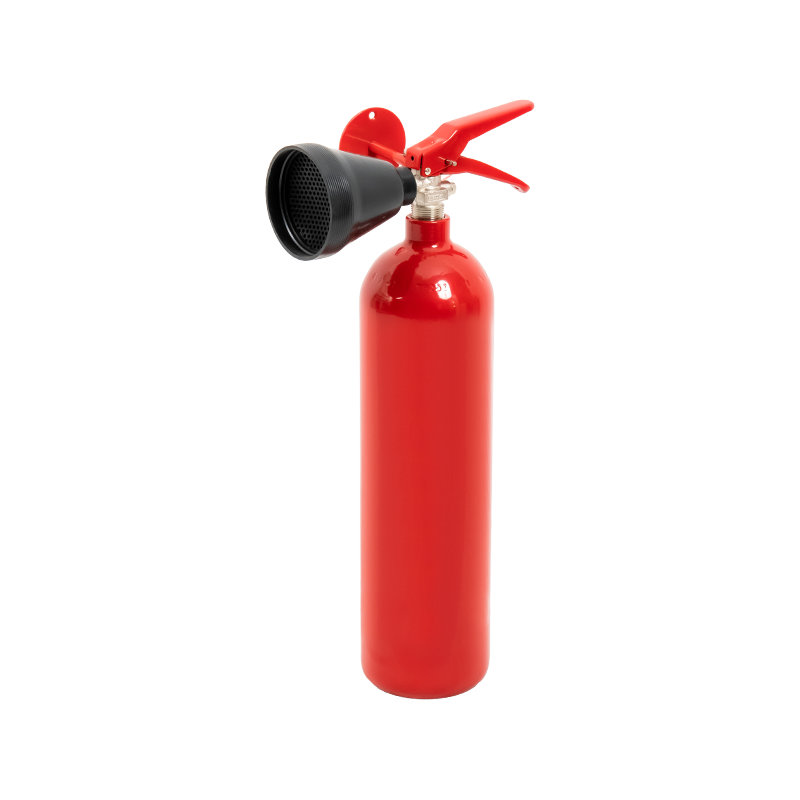
The 2kg portable CE fire extinguisher is a firefighting device designed for quick response and extinguishing of small fires. It is made of high-streng...
See Details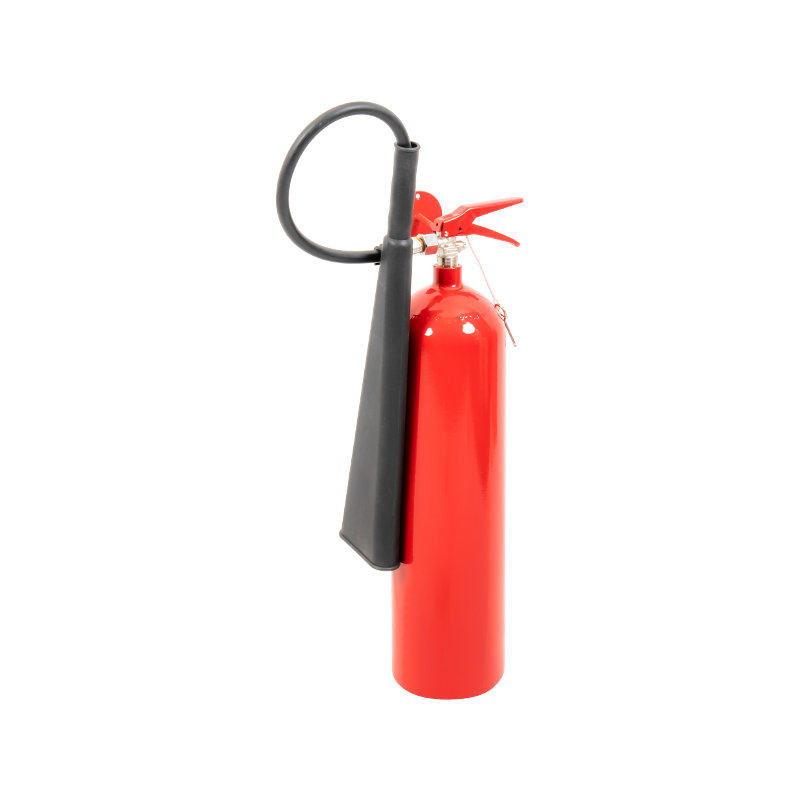
The 5kg CO2 CE extinguisher is suitable for a variety of applications, including in factories, production lines and warehouses. The 5kg CO2 extinguish...
See Details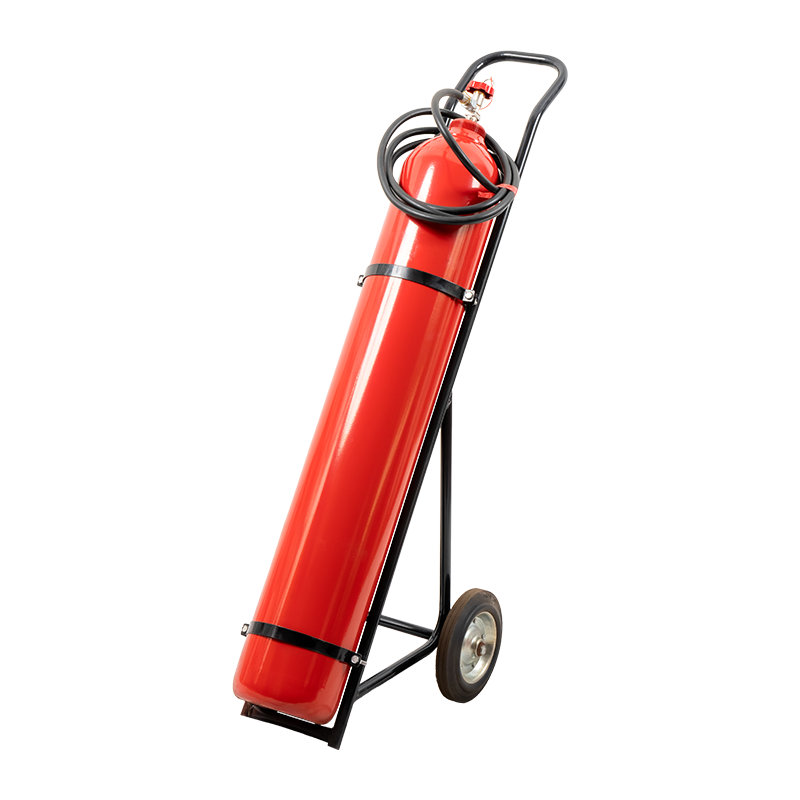
The 10KG Steel Cart-Mounted CO2 Fire Extinguisher is a portable firefighting tool consisting of a large steel cylinder with a capacity of 10kg CO2, mo...
See Details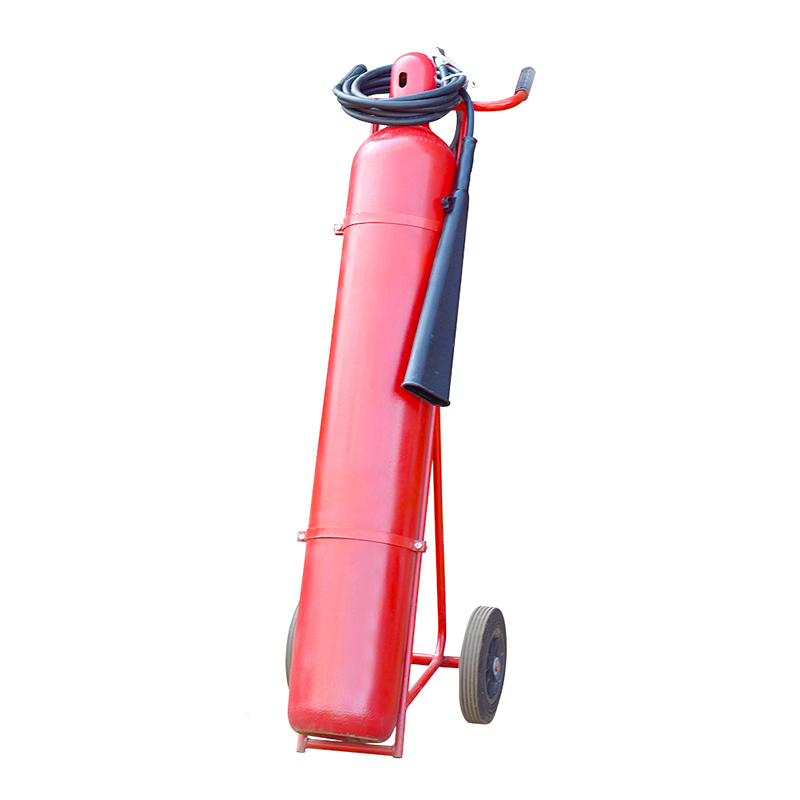
The 25kg trolley mobile fire extinguisher is a high-capacity fire-fighting equipment designed for large-scale fires. It has mechanical strength and co...
See Details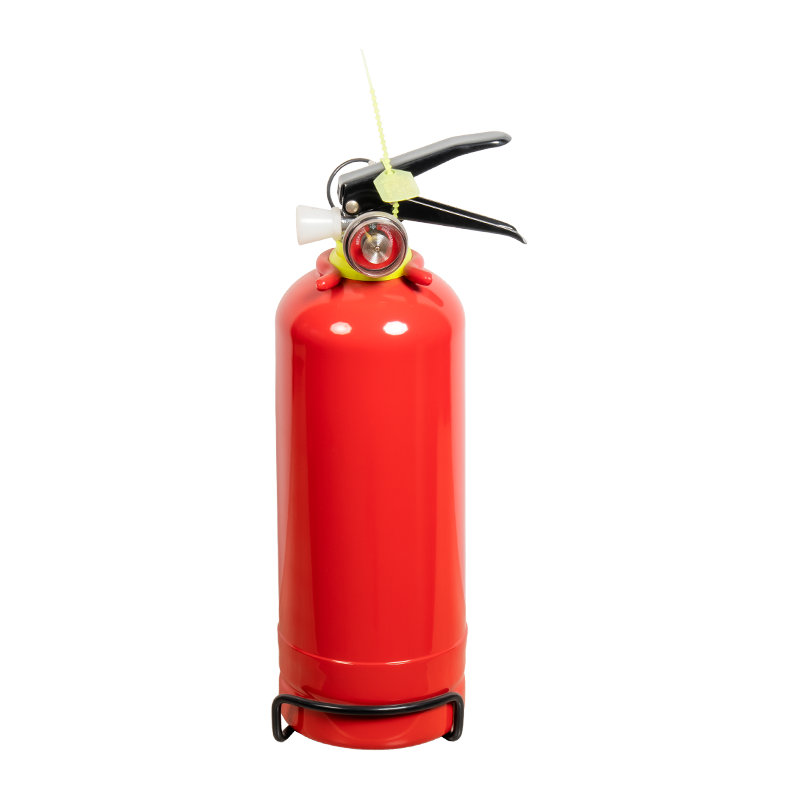
The 1kg portable dry powder fire extinguisher is a safety device used to put out small fires in emergency situations. Its outer shell is made of steel...
See Details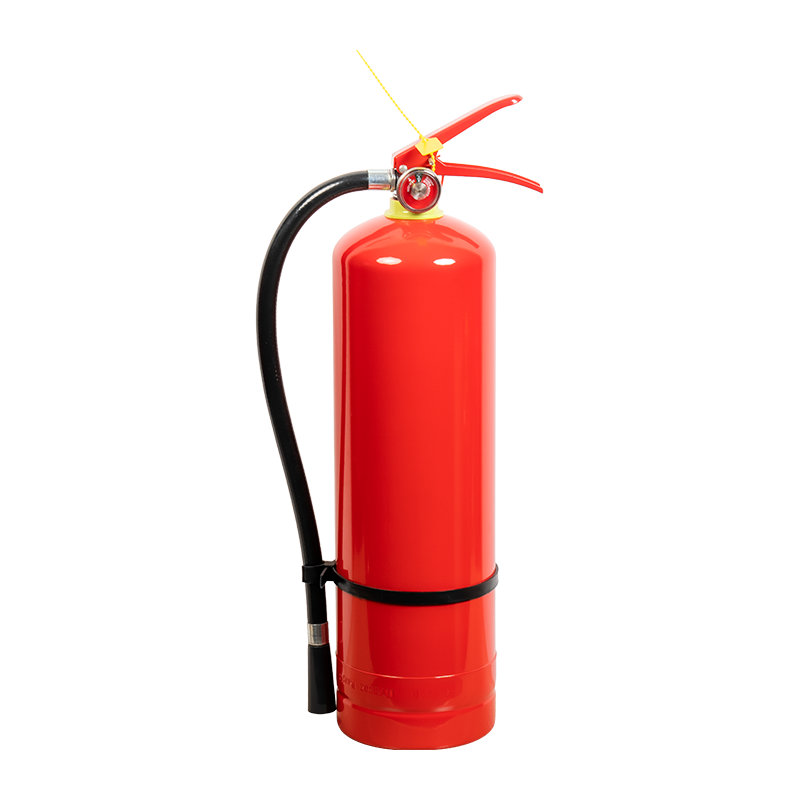
The 6kg stainless steel portable dry powder fire extinguisher is a fire extinguishing device suitable for extinguishing various small fires. Dry powde...
See Details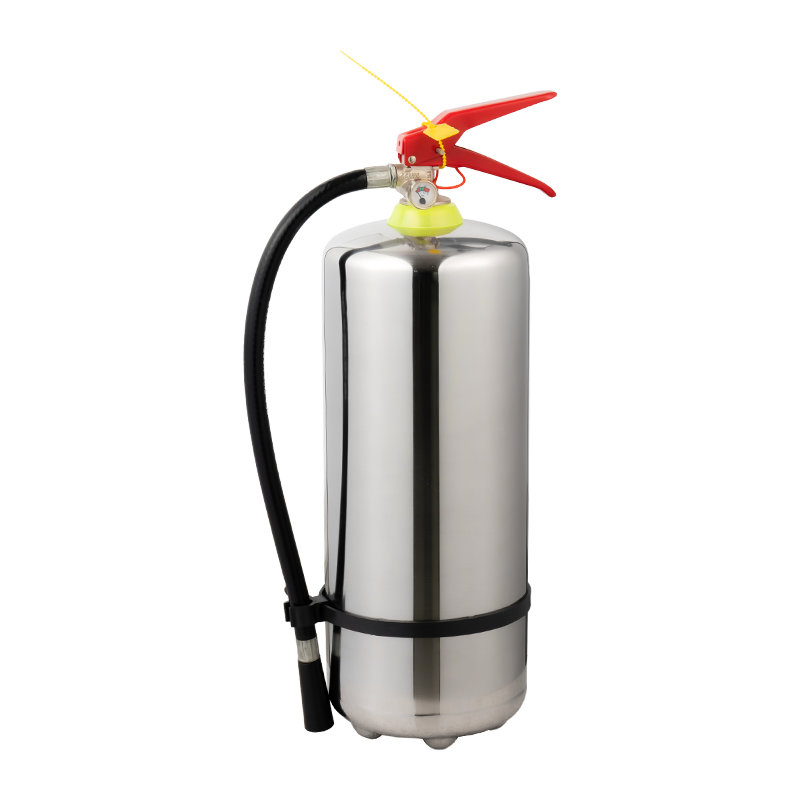
304 stainless steel 6L fire extinguisher is a professionally designed fire extinguishing equipment, made of high-quality SUS304 stainless steel materi...
See Details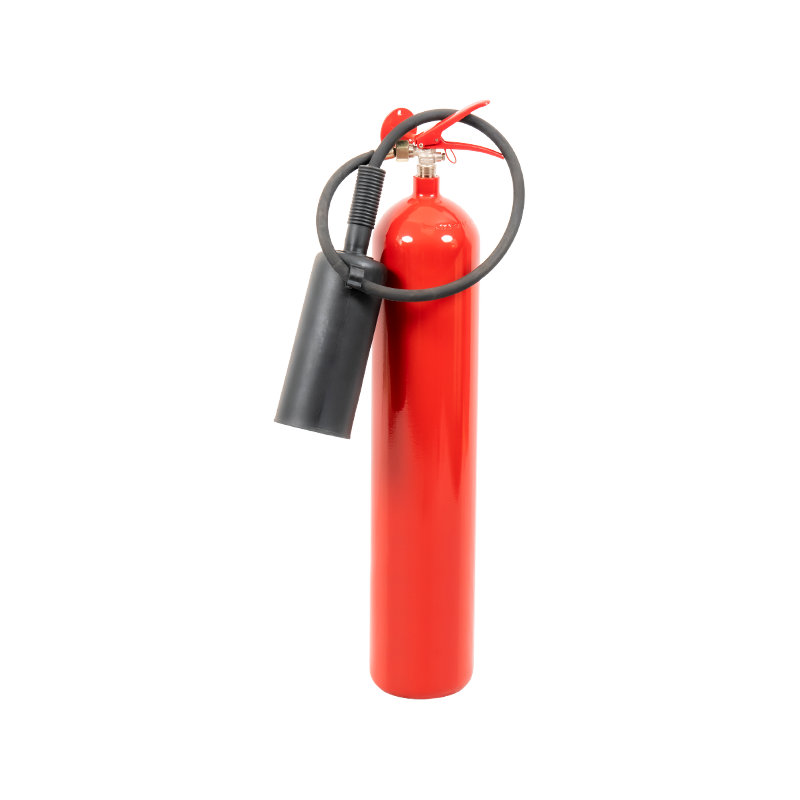
The 5kg fire-fighting carbon dioxide fire extinguisher can work in a wide temperature range, from -30˚C to +60˚C, to meet the firefighting needs in va...
See Details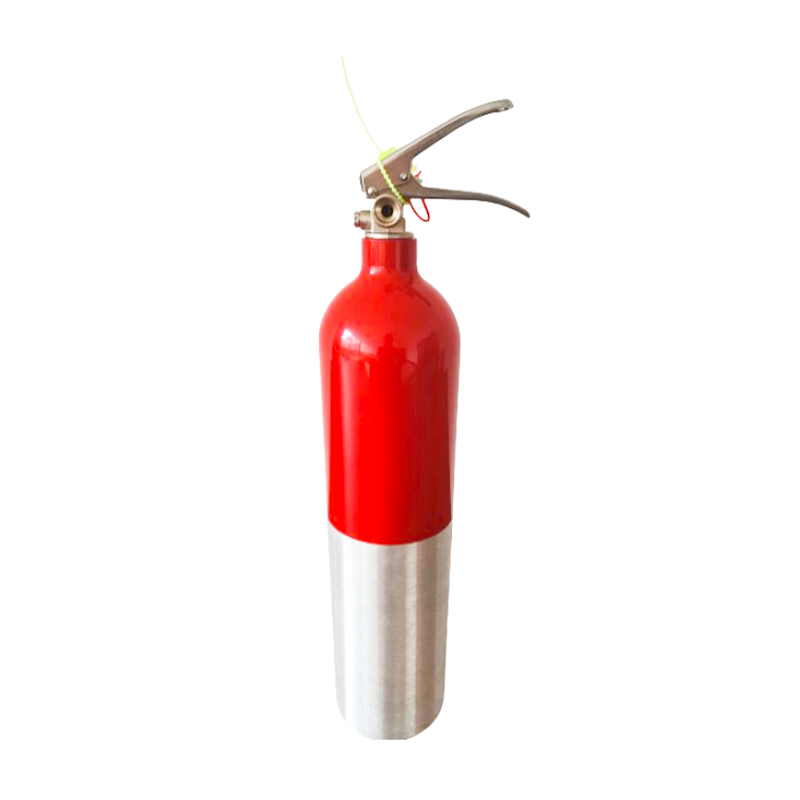
The 5KG portable aluminum fire extinguisher is an efficient and reliable fire extinguishing equipment suitable for fire protection needs in various in...
See Details
Zhejiang Yongshang Pressure Vessel Co., Ltd. was established in 2016. It is a modern enterprise integrating R&D, production and sales, specializing in the production of dry powder, carts, carbon dioxide fire extinguishers, seamless steel cylinders, and aluminum bottles.

+86 13857576559


Zhuhai Village, Gaibei Town, Shangyu District, Shaoxing City, Zhejiang Province, China
