 English
 عربى
عربى 中文简体
中文简体

3KG Portable Steel Fire Extinguisher(CK45/CE)
Cat:CO2 Fire Extinguisher (CK45/CE)
The 3kg portable steel fire extinguisher is a firefighting device designed to deal with all types of fires. Made of CK45 steel, it is sturdy and durab...
See Details
+86 13857576559
In mixed-risk environments such as warehouses, workshops, and commercial facilities, the safety performance difference between a Stainless Steel Fire Extinguisher and a dry chemical powder extinguisher is fundamentally based on two different dimensions: structural safety versus fire suppression capability. The stainless steel unit primarily enhances durability, corrosion resistance, and pressure vessel integrity, while the dry powder system determines how effectively multiple fire classes are extinguished.
The most direct answer is this: a dry chemical powder extinguisher generally provides broader fire suppression coverage (A, B, and C classes), making it more effective in mixed-risk fire scenarios, while a Stainless Steel Fire Extinguisher contributes more to long-term operational safety through improved resistance to corrosion, leakage, and mechanical failure. The best safety outcome often depends on combining both aspects rather than treating them as substitutes.
To evaluate safety performance correctly, it is essential to understand that these two products are not directly competing in function. A Stainless Steel Fire Extinguisher refers to the cylinder construction material, while a dry chemical powder extinguisher refers to the extinguishing agent inside the cylinder.
The stainless steel body improves resistance to rust, mechanical deformation, and long-term pressure fatigue. In safety terms, this reduces the risk of:
A dry chemical powder extinguisher works by releasing fine chemical particles that interrupt the combustion chain reaction. It is widely used due to its ability to handle multiple fire types:
This makes it a dominant choice for mixed-risk environments where fire sources cannot be easily predicted.
Mixed-risk environments typically include electrical systems, combustible materials, and flammable liquids in the same area. In such cases, suppression efficiency matters more than structural aesthetics.
A dry chemical powder extinguisher is often preferred because it provides rapid knockdown capability, typically extinguishing small ignition sources within seconds under proper use conditions. In contrast, a Stainless Steel Fire Extinguisher does not change the suppression agent’s performance but ensures the device remains operational under harsh storage conditions.
One of the most overlooked aspects of extinguisher safety is the risk of cylinder failure. A Stainless Steel Fire Extinguisher significantly reduces long-term corrosion risks, especially in environments with humidity above 60% or exposure to chemicals.
Meanwhile, a dry chemical powder extinguisher relies on pressurized gas systems that must remain stable over time. If powder compaction occurs, discharge performance can decline, increasing response time during emergencies.
| Safety Factor | Stainless Steel Fire Extinguisher | Dry Chemical Powder Extinguisher |
|---|---|---|
| Corrosion resistance | Very high | Depends on coating and environment |
| Fire suppression ability | Depends on agent used | High (A/B/C fires) |
| Long-term safety reliability | Excellent | Moderate (powder settling risk) |
In coastal, chemical, and heavy manufacturing environments, corrosion resistance becomes critical. A Stainless Steel Fire Extinguisher is often preferred in such cases because it can maintain structural integrity even under continuous exposure to moisture and corrosive vapors.
Conversely, a dry chemical powder extinguisher is favored in general-purpose environments such as offices, warehouses, and transportation hubs due to its versatility across different fire classes.
Maintenance directly influences safety performance. A Stainless Steel Fire Extinguisher typically requires less structural inspection for corrosion damage, extending its safe operational life.
However, a dry chemical powder extinguisher requires periodic checks to ensure powder remains free-flowing. If the powder compacts, discharge efficiency may drop by up to 20–30% in extreme cases, affecting emergency response reliability.
The overall safety performance comparison shows that neither product alone is sufficient to define complete fire safety in mixed-risk environments. Instead, each plays a complementary role.
In real-world applications, safety performance is not determined by a single factor but by the integration of material durability and extinguishing effectiveness. This is why mixed-risk environments often adopt both technologies simultaneously for optimal protection.
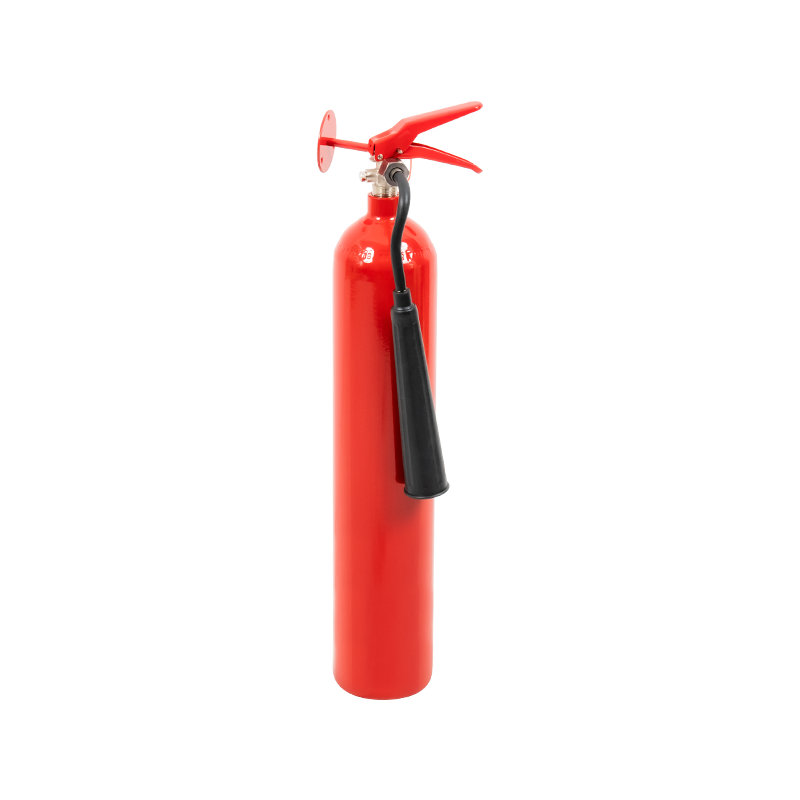
The 3kg portable steel fire extinguisher is a firefighting device designed to deal with all types of fires. Made of CK45 steel, it is sturdy and durab...
See Details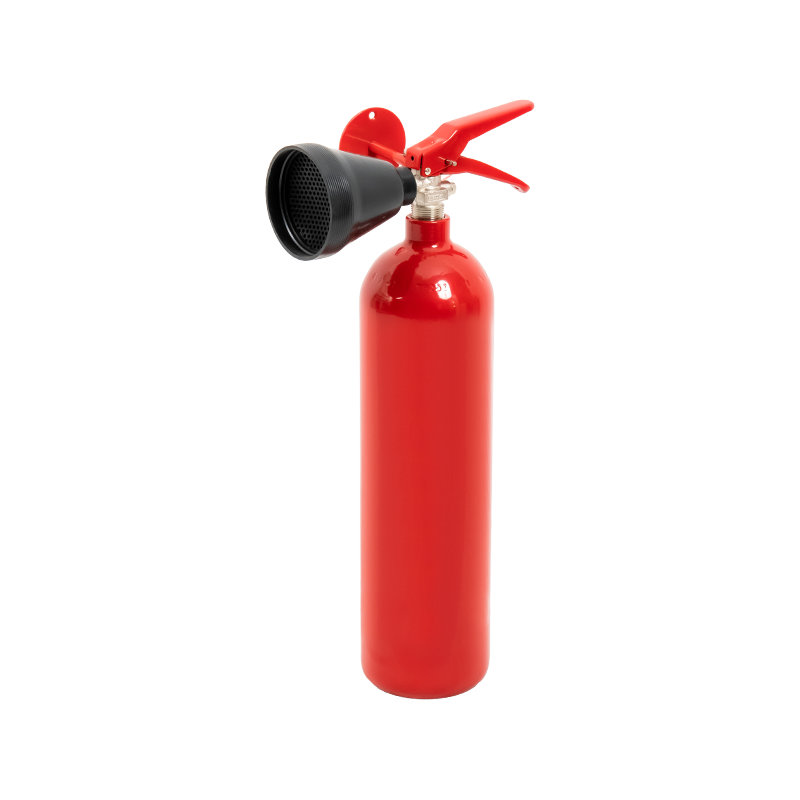
The 2kg portable CE fire extinguisher is a firefighting device designed for quick response and extinguishing of small fires. It is made of high-streng...
See Details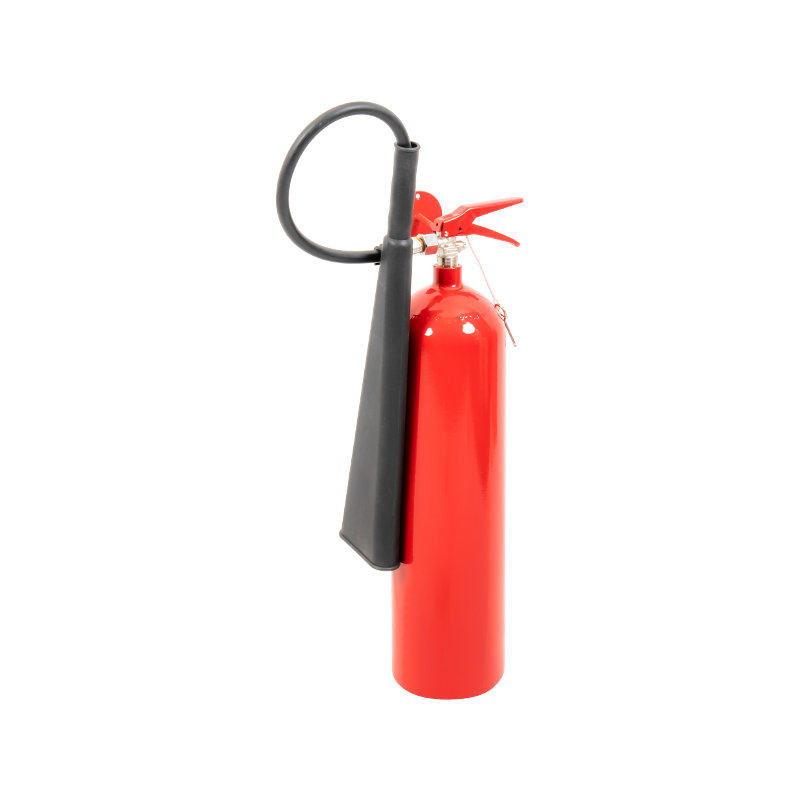
The 5kg CO2 CE extinguisher is suitable for a variety of applications, including in factories, production lines and warehouses. The 5kg CO2 extinguish...
See Details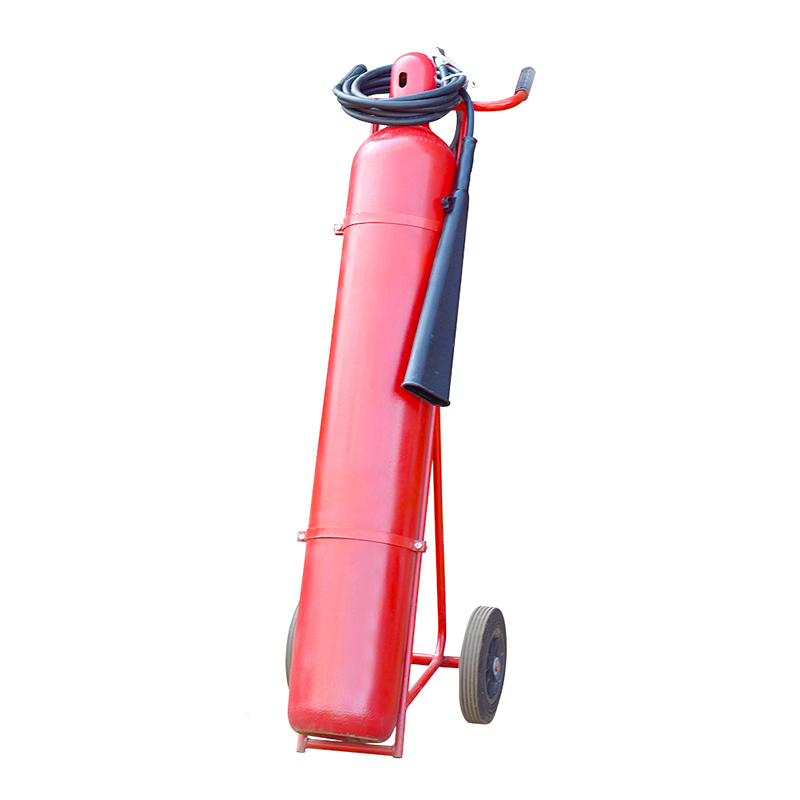
The 25kg trolley mobile fire extinguisher is a high-capacity fire-fighting equipment designed for large-scale fires. It has mechanical strength and co...
See Details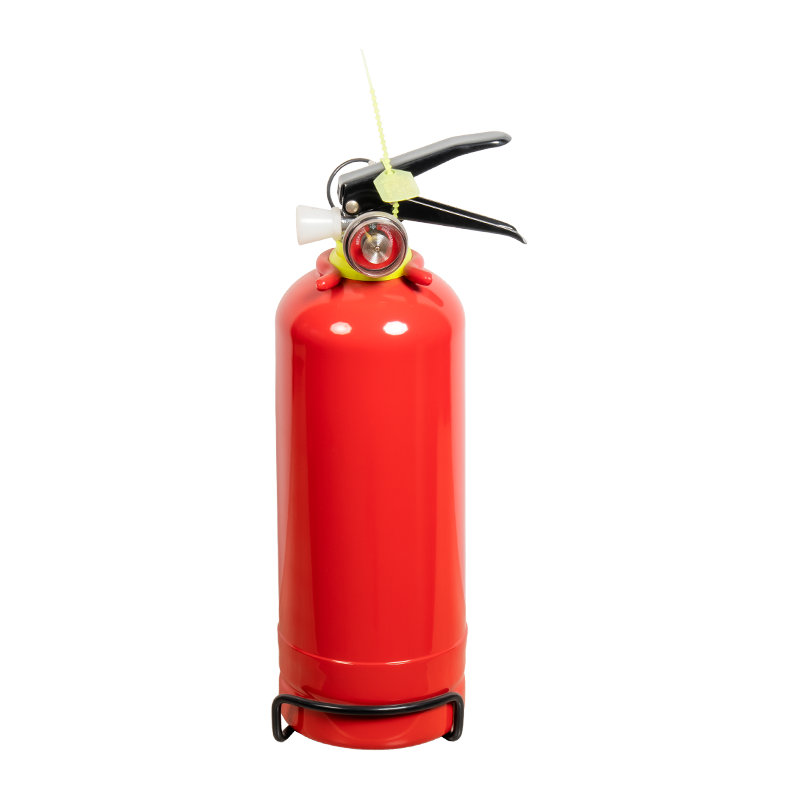
The 1kg portable dry powder fire extinguisher is a safety device used to put out small fires in emergency situations. Its outer shell is made of steel...
See Details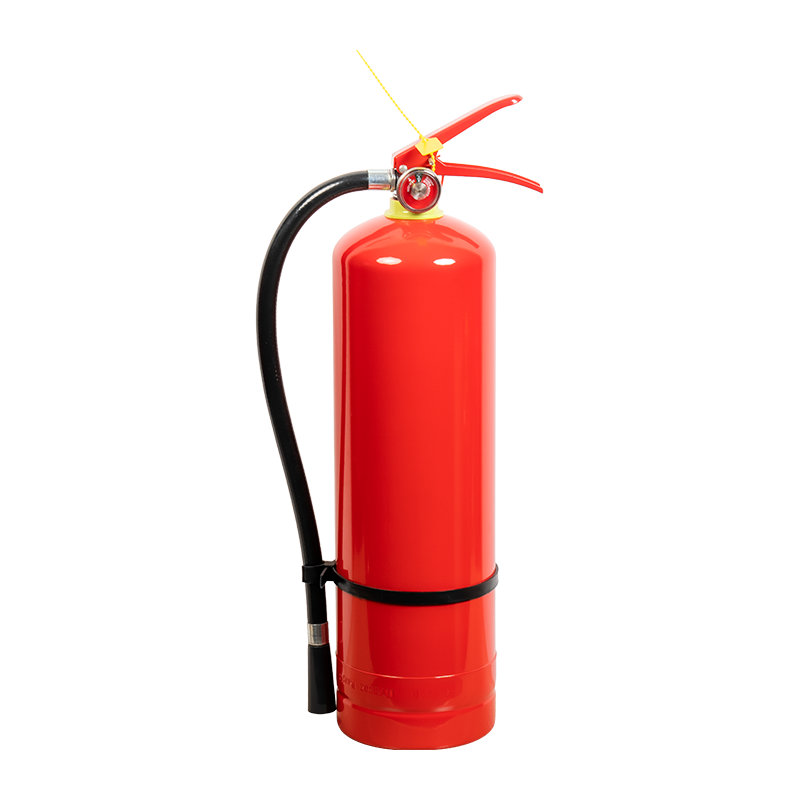
The 6kg stainless steel portable dry powder fire extinguisher is a fire extinguishing device suitable for extinguishing various small fires. Dry powde...
See Details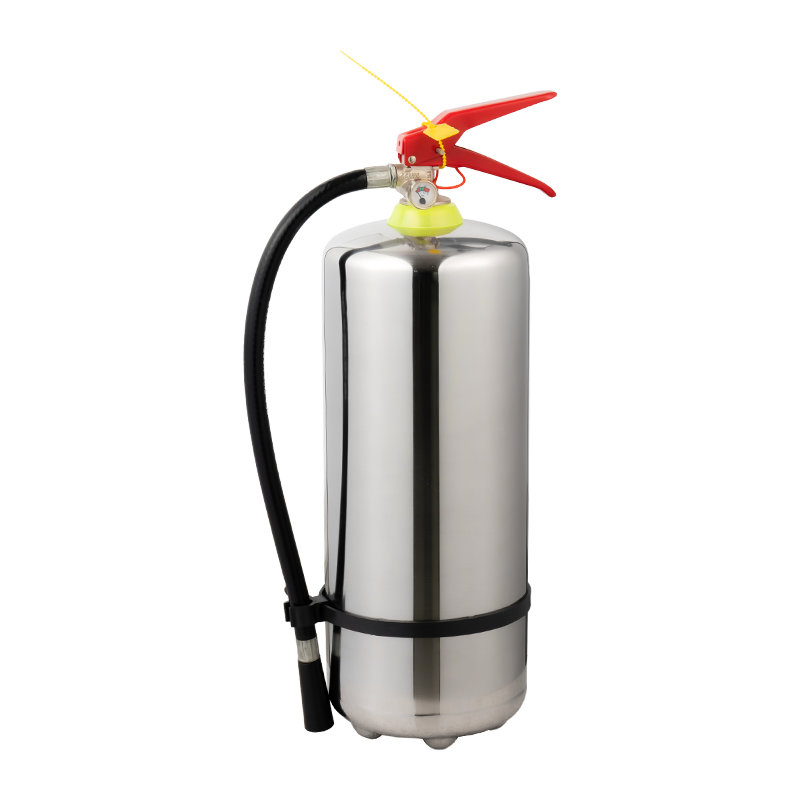
304 stainless steel 6L fire extinguisher is a professionally designed fire extinguishing equipment, made of high-quality SUS304 stainless steel materi...
See Details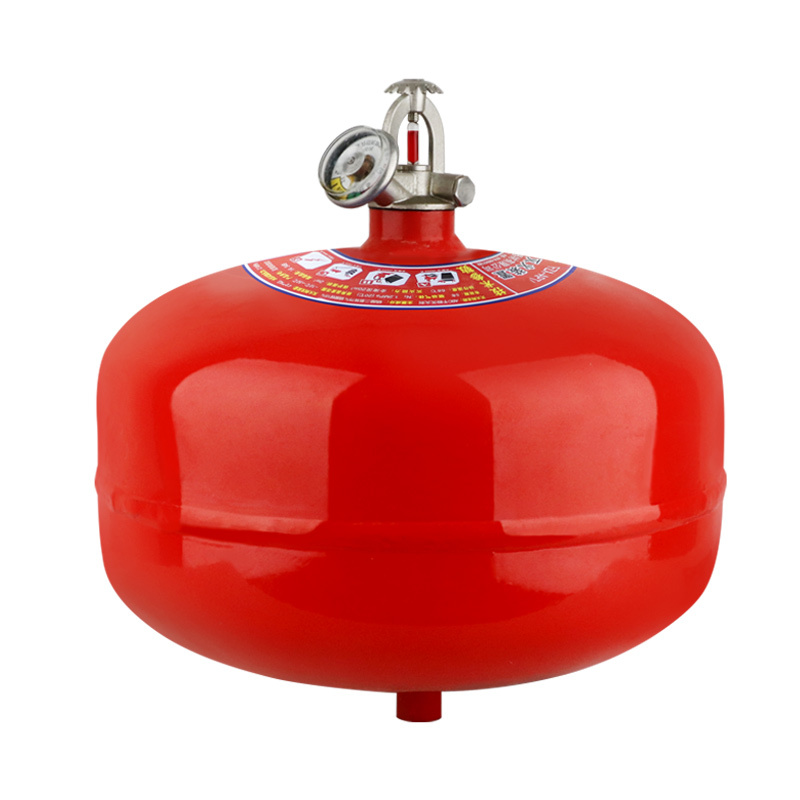
8KG hanging fire extinguisher can be installed on the wall or ceiling, fixed by hook or bracket, making it easy to quickly access and operate when nee...
See Details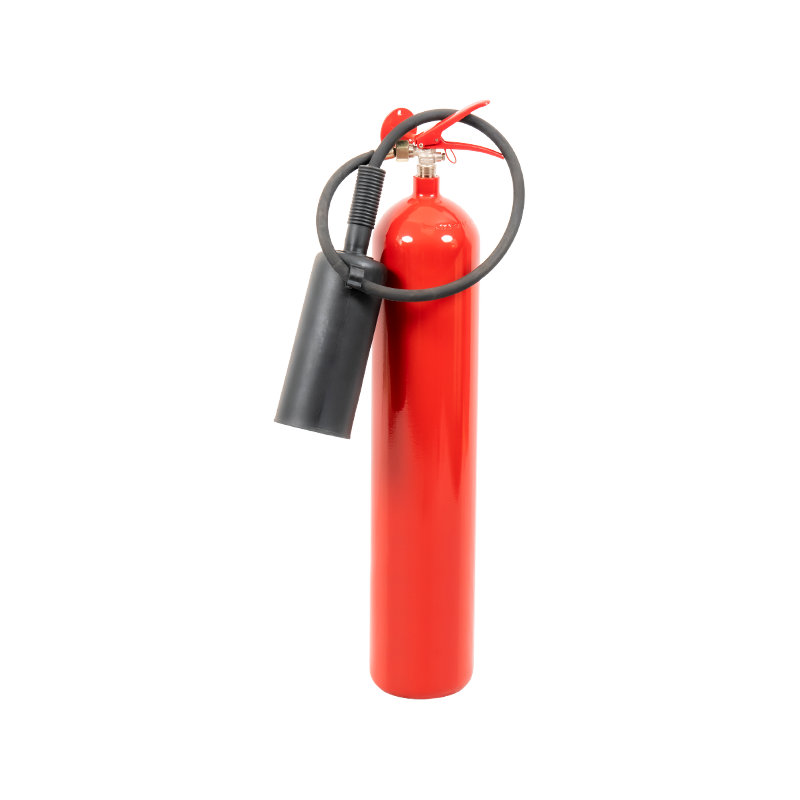
The 5kg fire-fighting carbon dioxide fire extinguisher can work in a wide temperature range, from -30˚C to +60˚C, to meet the firefighting needs in va...
See Details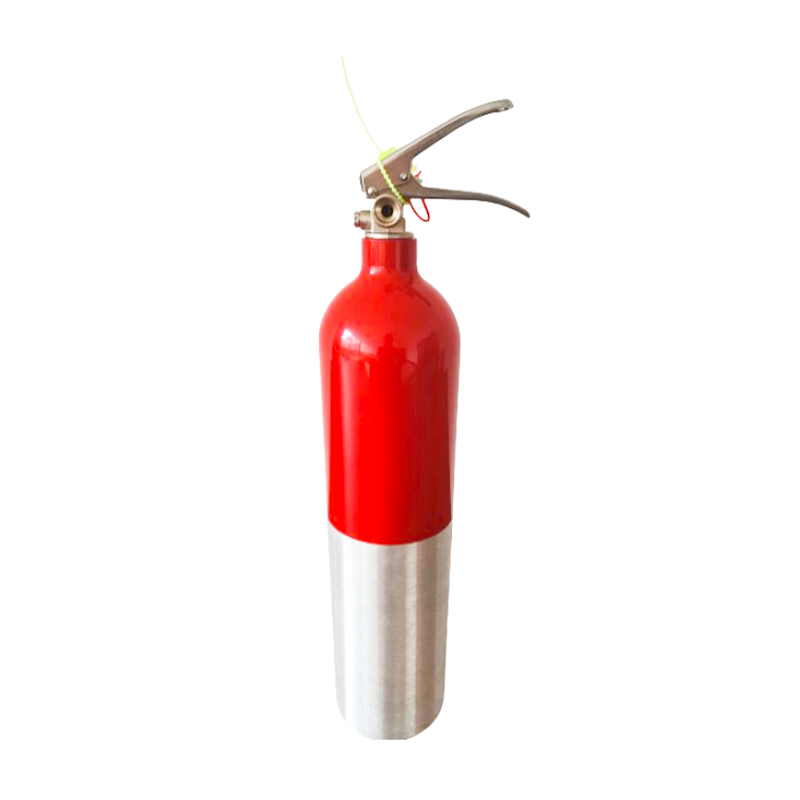
The 5KG portable aluminum fire extinguisher is an efficient and reliable fire extinguishing equipment suitable for fire protection needs in various in...
See Details
Zhejiang Yongshang Pressure Vessel Co., Ltd. was established in 2016. It is a modern enterprise integrating R&D, production and sales, specializing in the production of dry powder, carts, carbon dioxide fire extinguishers, seamless steel cylinders, and aluminum bottles.

+86 13857576559


Zhuhai Village, Gaibei Town, Shangyu District, Shaoxing City, Zhejiang Province, China
