 English
 عربى
عربى 中文简体
中文简体

3KG Portable Steel Fire Extinguisher(CK45/CE)
Cat:CO2 Fire Extinguisher (CK45/CE)
The 3kg portable steel fire extinguisher is a firefighting device designed to deal with all types of fires. Made of CK45 steel, it is sturdy and durab...
See Details
+86 13857576559
When it comes to marine vessel fire safety, the choice of extinguisher housing material is far more critical than many operators realize. A stainless steel fire extinguisher is significantly more suitable for marine vessel applications than a powder-coated steel fire extinguisher, primarily due to its superior corrosion resistance, longer service life, and ability to withstand the relentlessly harsh saltwater environment. This conclusion is supported by material science data, real-world marine maintenance records, and international maritime safety guidelines. Read on for a detailed breakdown of why stainless steel wins on the water.
The marine environment is one of the most aggressive settings any piece of safety equipment can face. Saltwater spray, high humidity, constant temperature fluctuations, and UV exposure combine to accelerate material degradation at a rate far exceeding typical onshore conditions. A standard powder-coated steel fire extinguisher — widely used in buildings and vehicles — was simply not engineered to survive this punishment long-term.
Powder coating provides a protective layer, but it is vulnerable to chipping, scratching, and micro-cracking over time. Once the coating is compromised — by impact, salt abrasion, or UV degradation — the underlying steel is directly exposed to chloride ions. Chloride-induced corrosion can penetrate a standard steel gas cylinder wall surprisingly fast, with studies showing that unprotected mild steel in marine environments can lose 0.1 to 0.2 mm of wall thickness per year. For a pressure vessel like a fire extinguisher cylinder, this is a serious structural and safety concern.
Understanding why a stainless steel fire extinguisher outperforms a powder-coated model starts with the fundamental properties of each material.
| Property | Stainless Steel Fire Extinguisher | Powder-Coated Steel Fire Extinguisher |
|---|---|---|
| Corrosion Resistance | Excellent (passive oxide layer) | Moderate (coating-dependent) |
| Chloride Resistance | High (316-grade especially) | Low once coating is breached |
| Typical Service Life (Marine) | 12–20+ years | 3–6 years |
| Maintenance Frequency | Low | High |
| Hydrostatic Test Reliability | Consistently passes longer | May fail earlier due to pitting |
| Appearance Retention | Excellent (no paint degradation) | Poor in UV/salt exposure |
The passive chromium oxide layer on stainless steel continuously self-repairs when exposed to oxygen, meaning even if the surface is scratched, corrosion does not propagate the way it does on bare mild steel. This is a critical advantage for a steel gas cylinder used in demanding marine environments where surface damage from ropes, equipment, and deck hardware is routine.
Not all stainless steel fire extinguishers are equal in marine applications. The two most common grades used in fire extinguisher cylinder manufacturing are 304 and 316 stainless steel.
In standardized salt spray tests (ASTM B117), 316 stainless steel cylinders have demonstrated over 1,000 hours of exposure with no red rust formation, compared to powder-coated mild steel cylinders that frequently showed corrosion breakthrough in under 500 hours when surface coating integrity was compromised.
Maritime safety is governed by strict international standards, and the material specification of a fire extinguisher is relevant to regulatory compliance. Key frameworks include:
Vessel operators who fail to replace deteriorated fire extinguishers risk not only safety hazards but also port state control detentions and insurance claim complications in the event of a fire.
A common objection to the stainless steel fire extinguisher is its higher upfront purchase price compared to a powder-coated steel model. However, when total cost of ownership (TCO) is analyzed over a 10-year marine deployment, the economics shift considerably.
Consider a typical mid-size vessel requiring 10 fire extinguisher units:
Factoring in refilling costs, labor, and the cost of vessel downtime during compliance inspections, operators of stainless steel fire extinguishers can expect to save 30–50% in total lifecycle costs over a 10-year marine deployment compared to powder-coated alternatives, despite the higher initial investment.
It is worth acknowledging that a powder-coated steel fire extinguisher is not without merit — it simply belongs in the right environment. Here is how both products map to realistic application scenarios:
Even the most durable stainless steel fire extinguisher requires proper onboard maintenance to remain fully operational. Marine operators should follow these key practices:
A well-maintained stainless steel fire extinguisher on a marine vessel should reliably pass all routine inspections for well over a decade, delivering consistent fire suppression performance and regulatory compliance throughout its service life.
The evidence is clear: for any vessel operating in saltwater or high-humidity marine environments, a stainless steel fire extinguisher is the superior choice over a powder-coated steel fire extinguisher. Its inherent corrosion resistance — particularly in 316 grade — eliminates the single greatest failure risk in marine fire safety equipment. Combined with a longer service life, reduced maintenance overhead, better regulatory compliance longevity, and lower 10-year total cost of ownership, the stainless steel fire extinguisher delivers measurable, practical advantages that a powder-coated steel gas cylinder simply cannot match in these conditions.
For vessel operators, fleet managers, and marine safety officers making procurement decisions, investing in stainless steel fire extinguisher units is not a premium expense — it is a cost-effective, safety-critical choice that pays dividends in reliability, compliance, and peace of mind on the water.
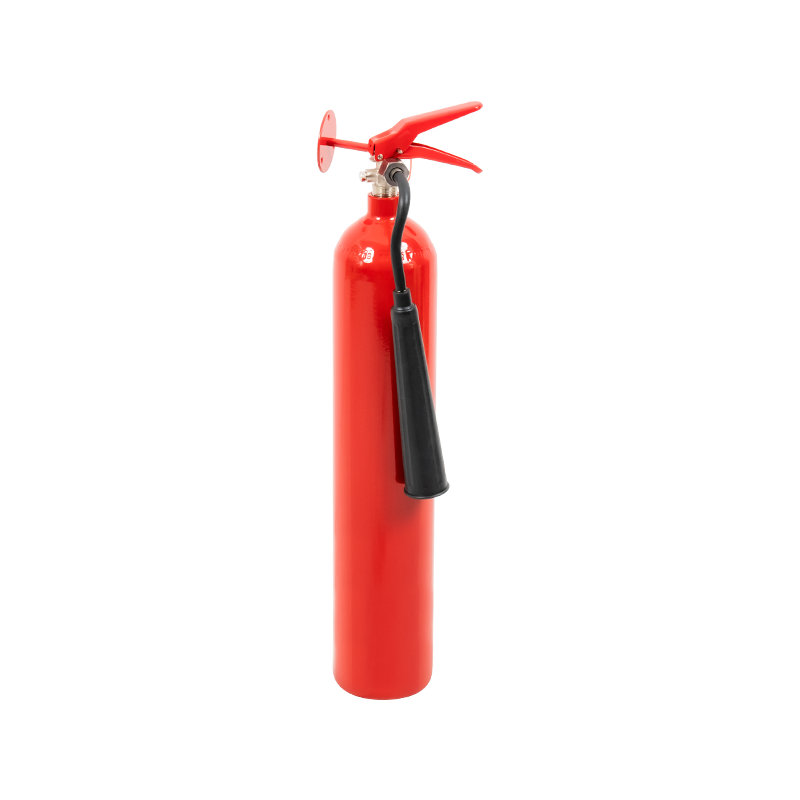
The 3kg portable steel fire extinguisher is a firefighting device designed to deal with all types of fires. Made of CK45 steel, it is sturdy and durab...
See Details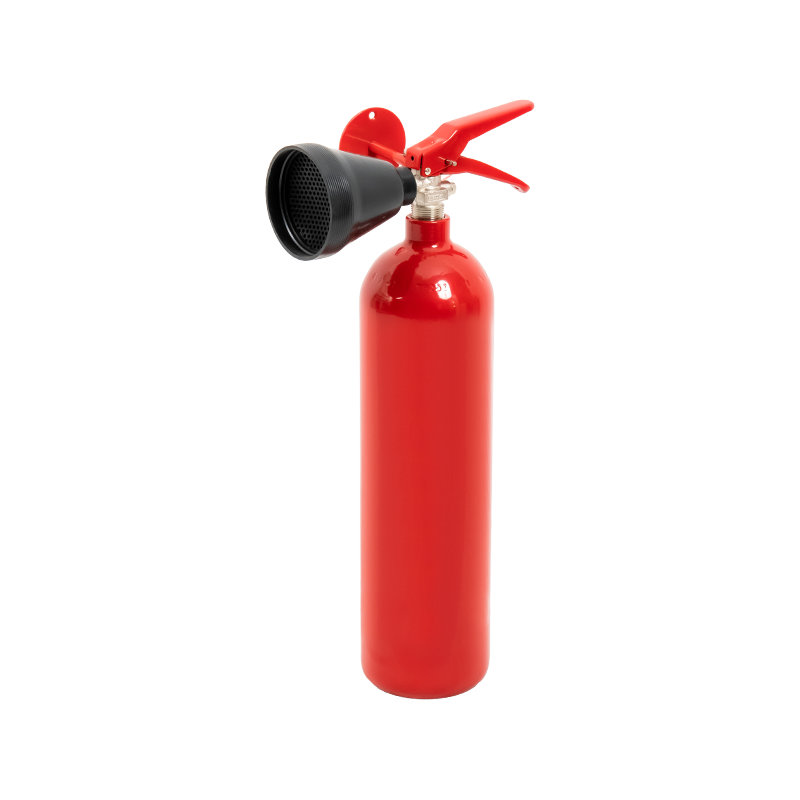
The 2kg portable CE fire extinguisher is a firefighting device designed for quick response and extinguishing of small fires. It is made of high-streng...
See Details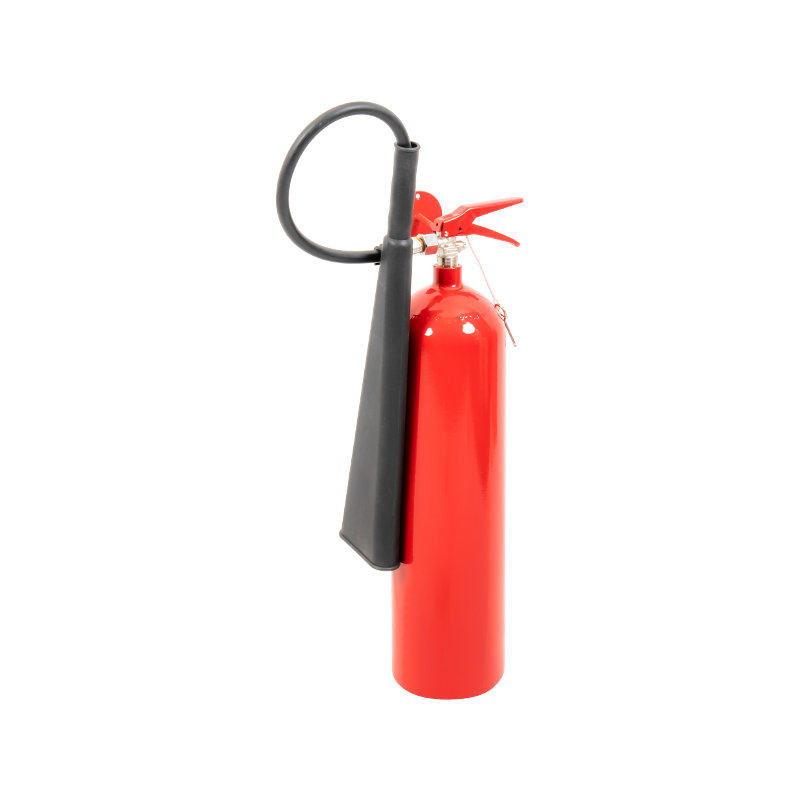
The 5kg CO2 CE extinguisher is suitable for a variety of applications, including in factories, production lines and warehouses. The 5kg CO2 extinguish...
See Details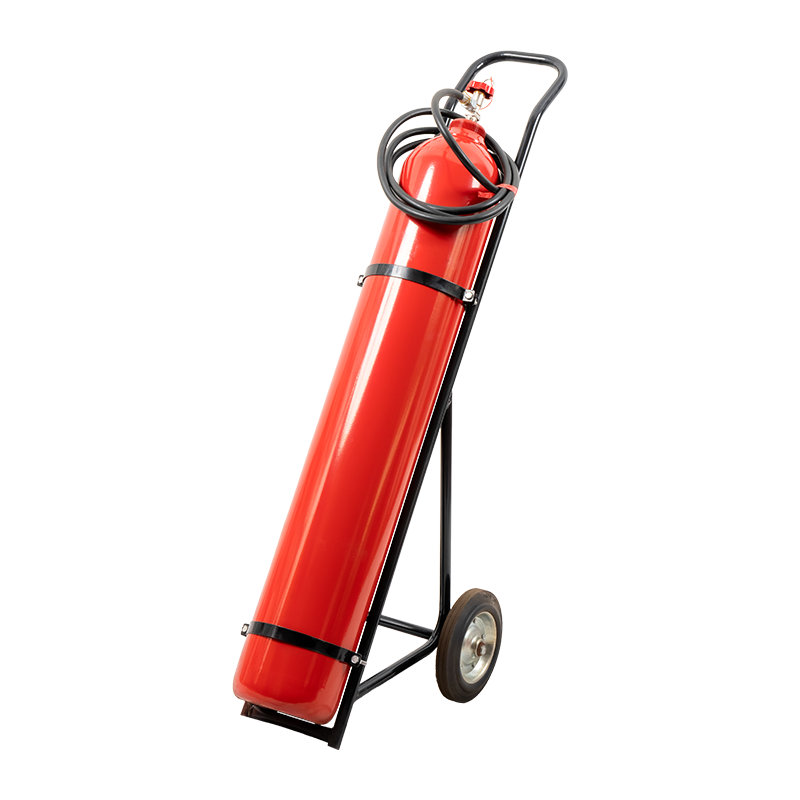
The 10KG Steel Cart-Mounted CO2 Fire Extinguisher is a portable firefighting tool consisting of a large steel cylinder with a capacity of 10kg CO2, mo...
See Details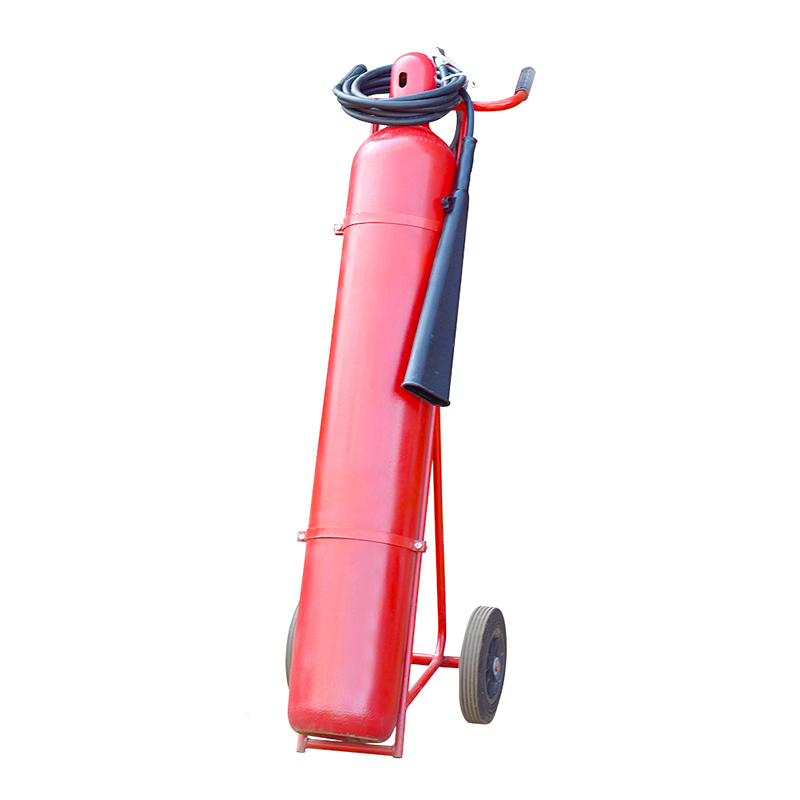
The 25kg trolley mobile fire extinguisher is a high-capacity fire-fighting equipment designed for large-scale fires. It has mechanical strength and co...
See Details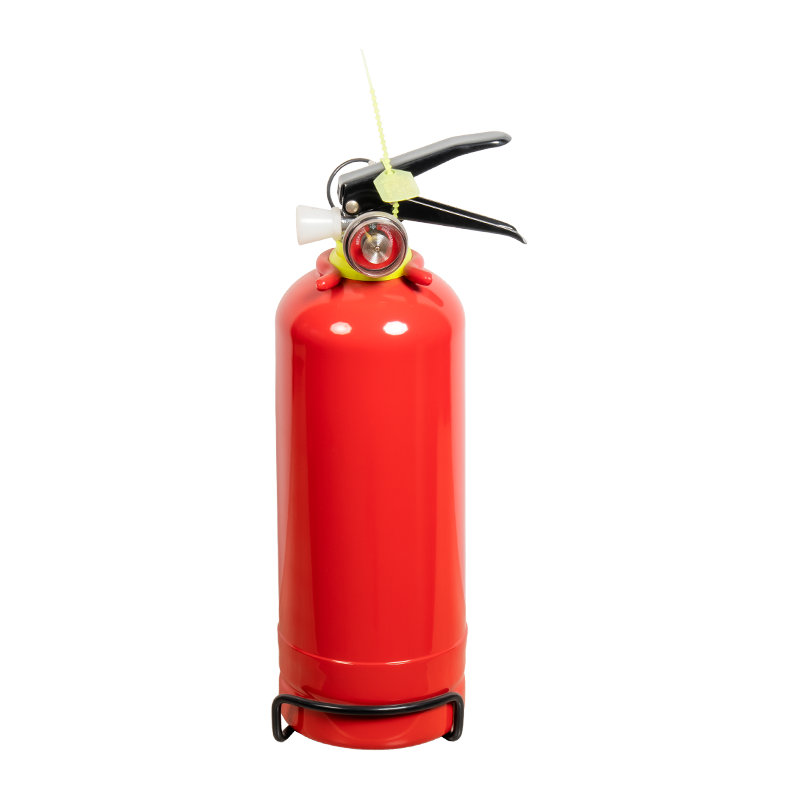
The 1kg portable dry powder fire extinguisher is a safety device used to put out small fires in emergency situations. Its outer shell is made of steel...
See Details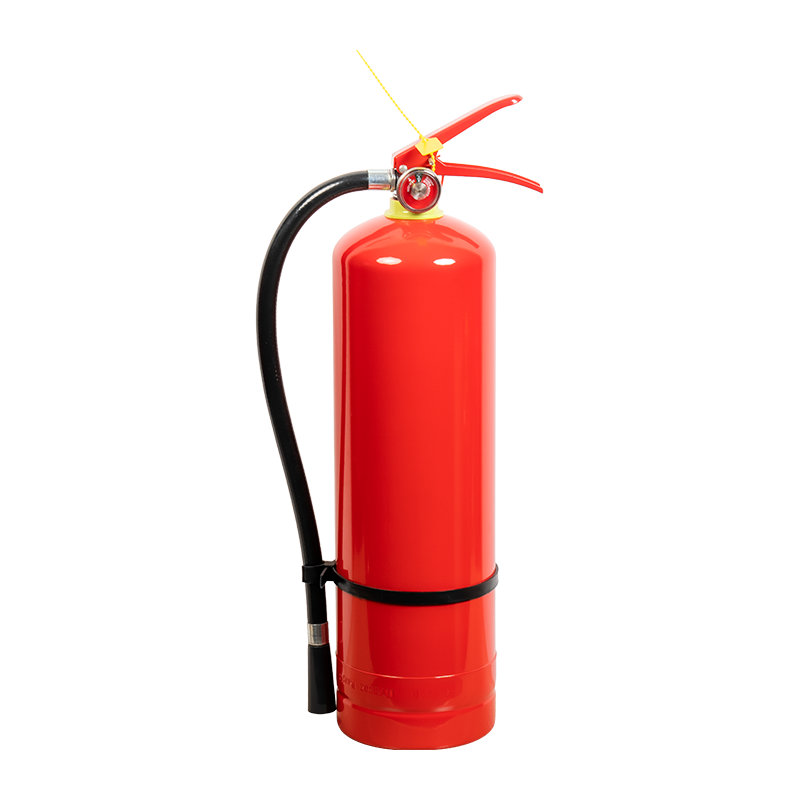
The 6kg stainless steel portable dry powder fire extinguisher is a fire extinguishing device suitable for extinguishing various small fires. Dry powde...
See Details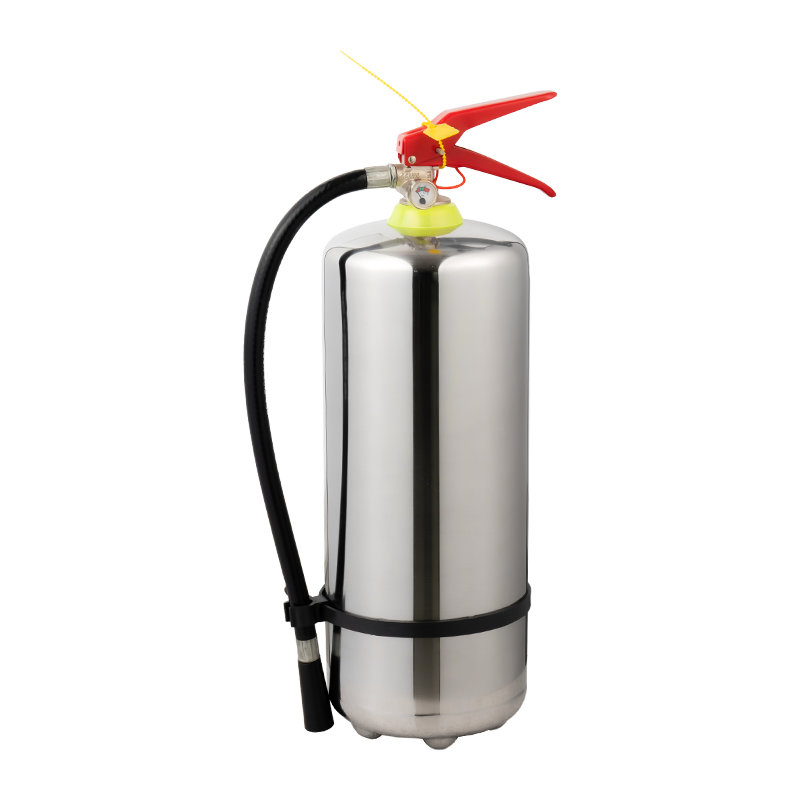
304 stainless steel 6L fire extinguisher is a professionally designed fire extinguishing equipment, made of high-quality SUS304 stainless steel materi...
See Details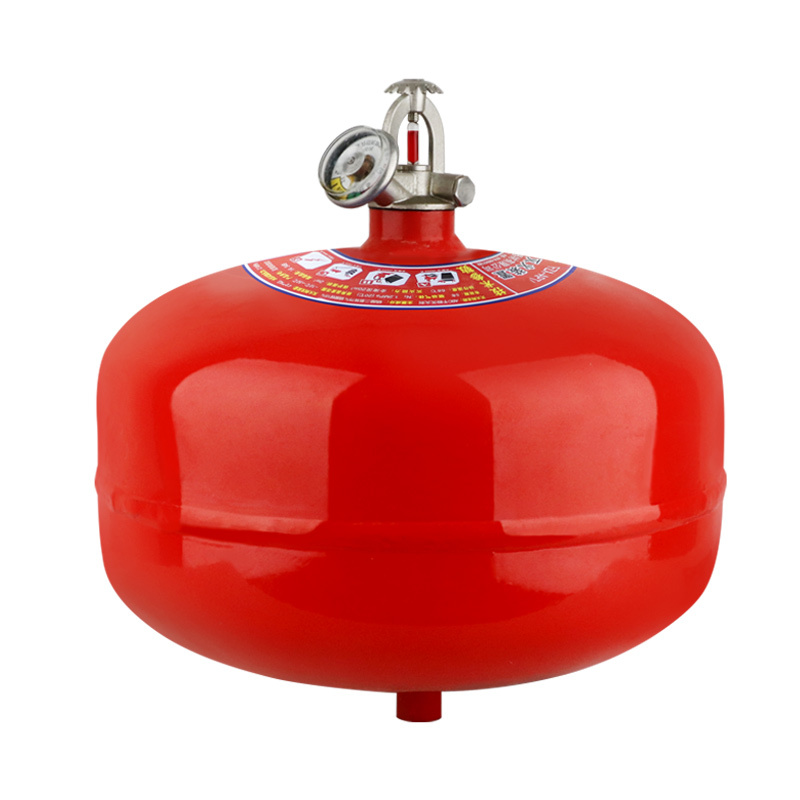
8KG hanging fire extinguisher can be installed on the wall or ceiling, fixed by hook or bracket, making it easy to quickly access and operate when nee...
See Details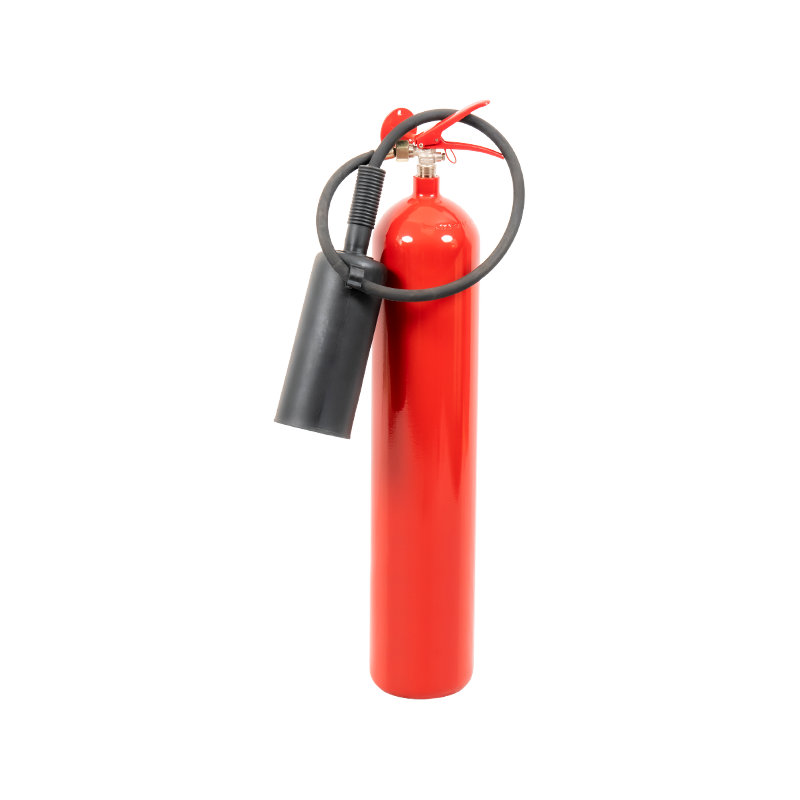
The 5kg fire-fighting carbon dioxide fire extinguisher can work in a wide temperature range, from -30˚C to +60˚C, to meet the firefighting needs in va...
See Details
Zhejiang Yongshang Pressure Vessel Co., Ltd. was established in 2016. It is a modern enterprise integrating R&D, production and sales, specializing in the production of dry powder, carts, carbon dioxide fire extinguishers, seamless steel cylinders, and aluminum bottles.

+86 13857576559


Zhuhai Village, Gaibei Town, Shangyu District, Shaoxing City, Zhejiang Province, China
