 English
 عربى
عربى 中文简体
中文简体

3KG Portable Steel Fire Extinguisher(CK45/CE)
Cat:CO2 Fire Extinguisher (CK45/CE)
The 3kg portable steel fire extinguisher is a firefighting device designed to deal with all types of fires. Made of CK45 steel, it is sturdy and durab...
See Details
+86 13857576559
Alloy steel cylinders are widely used in high-temperature and high-pressure environments due to their exceptional mechanical properties. These cylinders offer superior strength, resistance to heat and pressure, and long-lasting durability, making them ideal for industries such as aerospace, energy, and automotive. In this article, we will explore the advantages of using alloy steel cylinders in such demanding conditions, and why they are often the material of choice for critical applications.
The primary advantage of alloy steel cylinders in high-temperature and high-pressure applications lies in their exceptional strength and resistance to thermal stresses. The following are some key benefits:
The unique properties of alloy steel cylinders stem from the alloying elements added during their production. Common elements like chromium, molybdenum, and vanadium enhance specific characteristics such as strength, hardenability, and heat resistance. Here's a breakdown of how these elements contribute:
Alloy steel cylinders are essential components in industries that rely on high-temperature and high-pressure systems. Below are a few examples of their use:
In aerospace applications, alloy steel cylinders are used in critical components such as engine parts and hydraulic systems. These cylinders must withstand extreme temperatures and pressures during flight. Alloy steel’s ability to maintain its integrity under such conditions ensures reliability and safety.
In power plants, alloy steel cylinders are used in steam turbines, boilers, and high-pressure piping systems. The material’s ability to resist thermal expansion and corrosion is critical for maintaining system efficiency and preventing failures in power generation operations.
Alloy steel cylinders are often found in engine components, such as pistons and fuel injectors, which operate under high pressure and temperature conditions. Their strength and fatigue resistance are key for the durability and performance of modern engines.
Heat treatment is essential for enhancing the properties of alloy steel cylinders, particularly in high-temperature applications. Processes such as quenching and tempering are used to increase strength, hardness, and resistance to thermal stresses. This treatment process also ensures that the cylinder performs reliably under pressure without the risk of deformation or failure.
Alloy steel cylinders offer several significant advantages in high-temperature and high-pressure environments, making them an invaluable component in many industries. Their strength, corrosion resistance, fatigue resistance, and thermal stability ensure that they can endure extreme conditions without compromising performance. By carefully selecting the appropriate alloy and heat treatment processes, manufacturers can tailor alloy steel cylinders to meet the demanding needs of various applications, from aerospace to power generation.
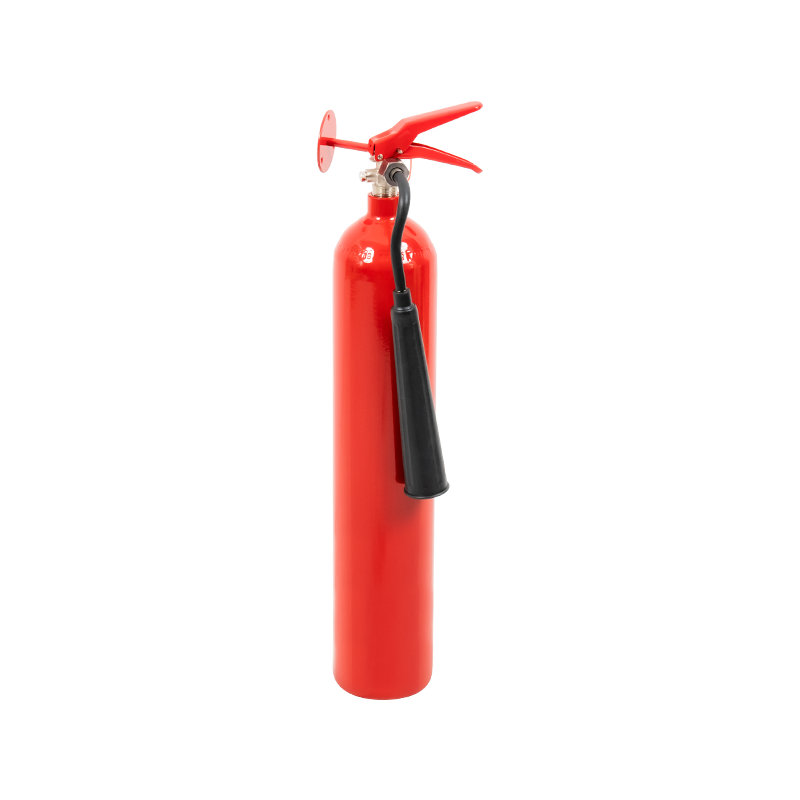
The 3kg portable steel fire extinguisher is a firefighting device designed to deal with all types of fires. Made of CK45 steel, it is sturdy and durab...
See Details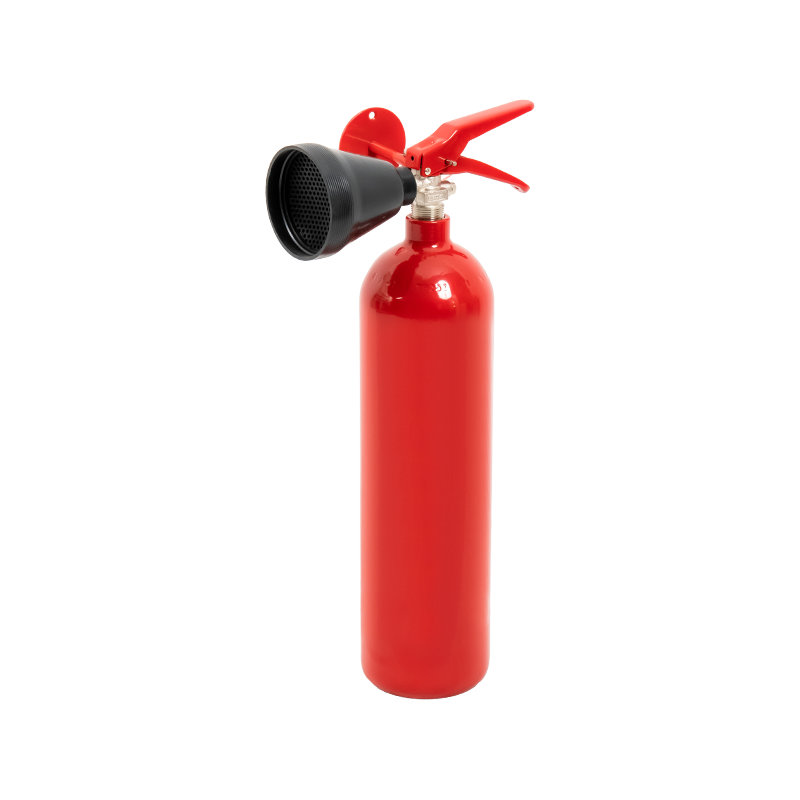
The 2kg portable CE fire extinguisher is a firefighting device designed for quick response and extinguishing of small fires. It is made of high-streng...
See Details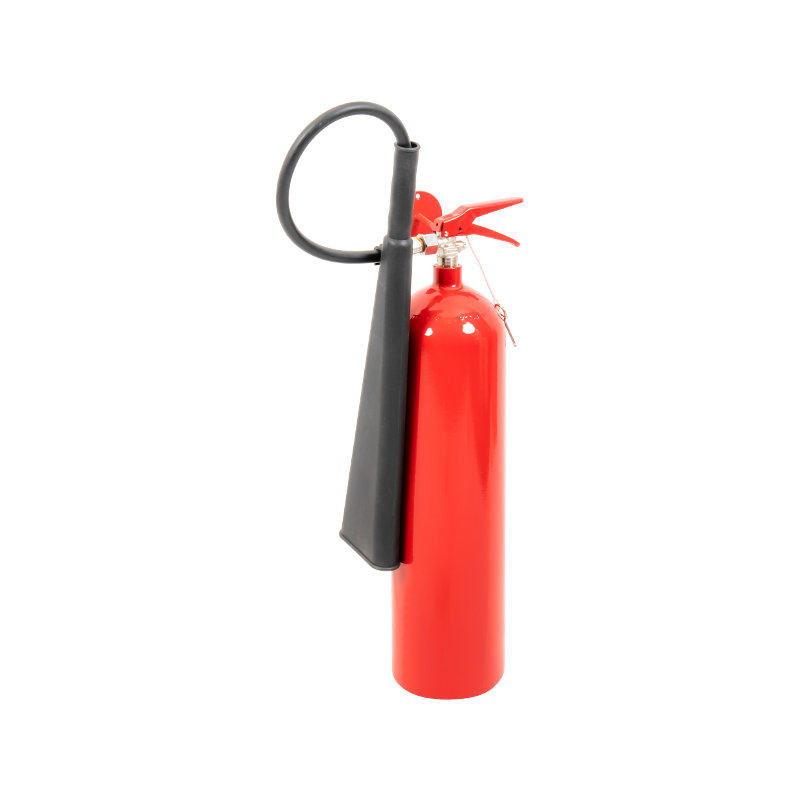
The 5kg CO2 CE extinguisher is suitable for a variety of applications, including in factories, production lines and warehouses. The 5kg CO2 extinguish...
See Details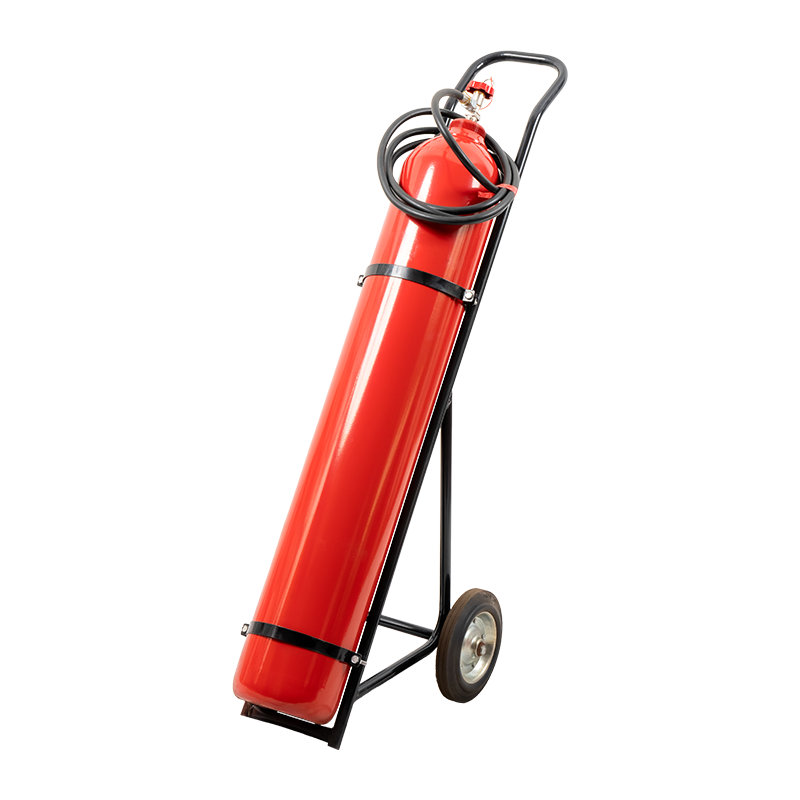
The 10KG Steel Cart-Mounted CO2 Fire Extinguisher is a portable firefighting tool consisting of a large steel cylinder with a capacity of 10kg CO2, mo...
See Details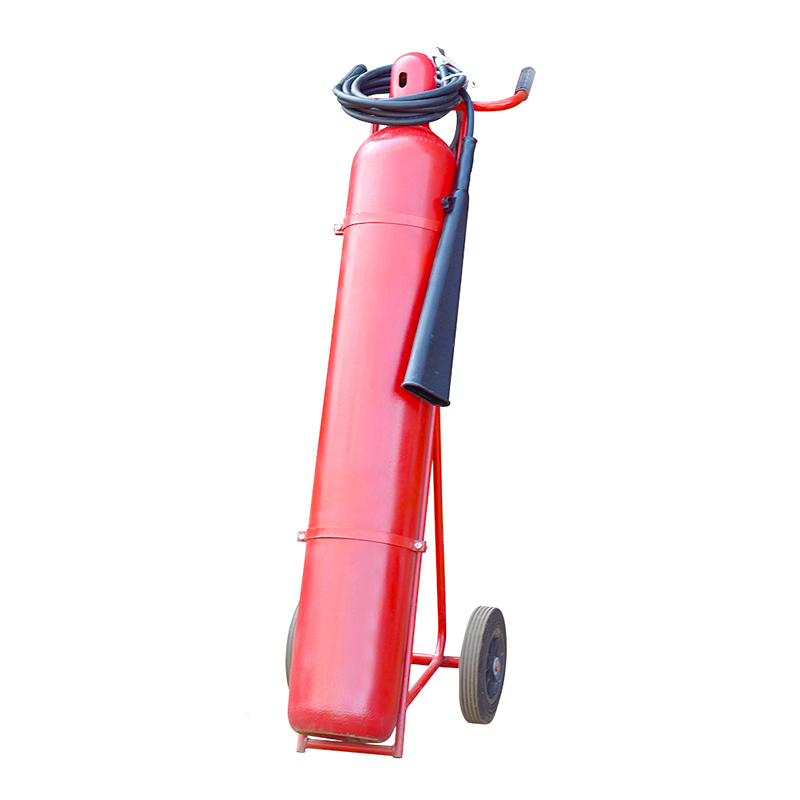
The 25kg trolley mobile fire extinguisher is a high-capacity fire-fighting equipment designed for large-scale fires. It has mechanical strength and co...
See Details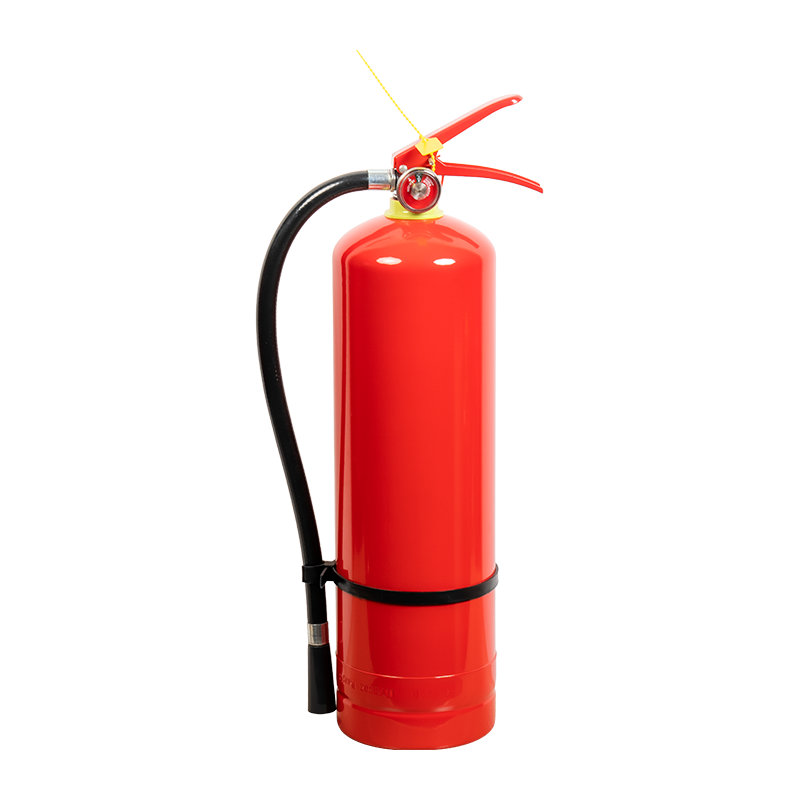
The 6kg stainless steel portable dry powder fire extinguisher is a fire extinguishing device suitable for extinguishing various small fires. Dry powde...
See Details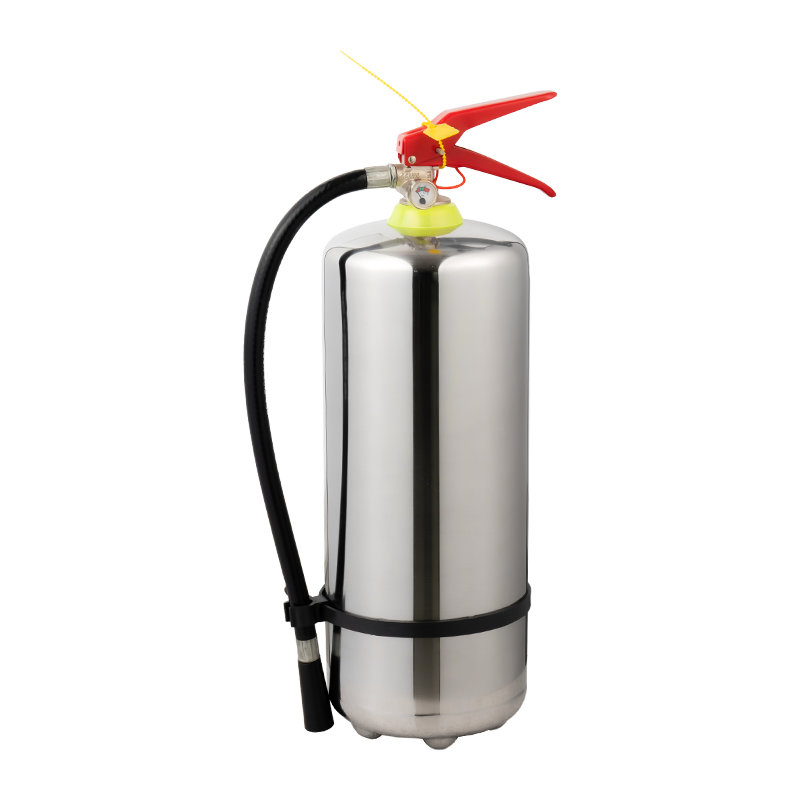
304 stainless steel 6L fire extinguisher is a professionally designed fire extinguishing equipment, made of high-quality SUS304 stainless steel materi...
See Details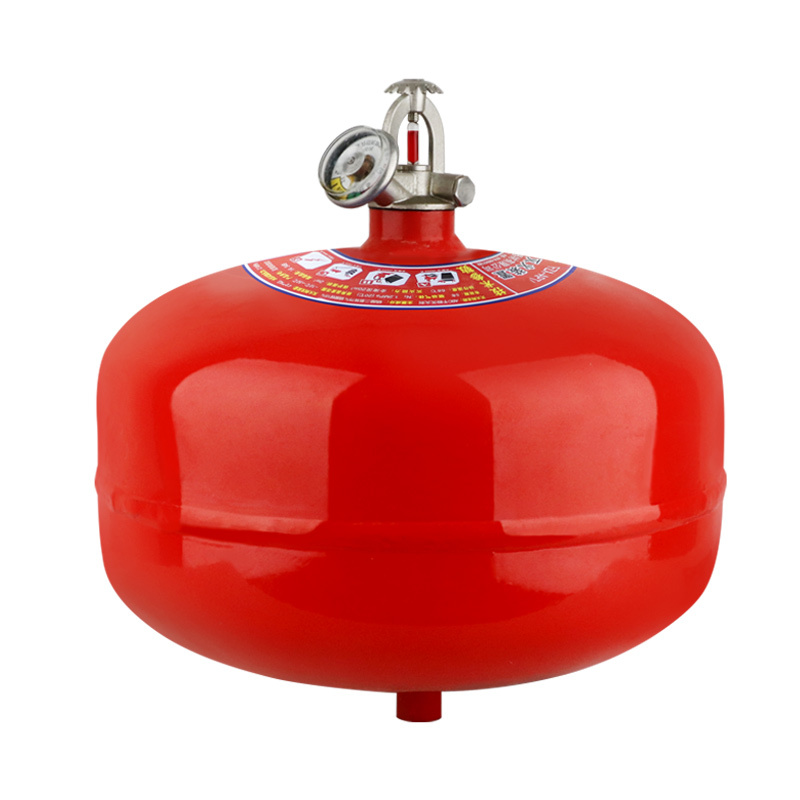
8KG hanging fire extinguisher can be installed on the wall or ceiling, fixed by hook or bracket, making it easy to quickly access and operate when nee...
See Details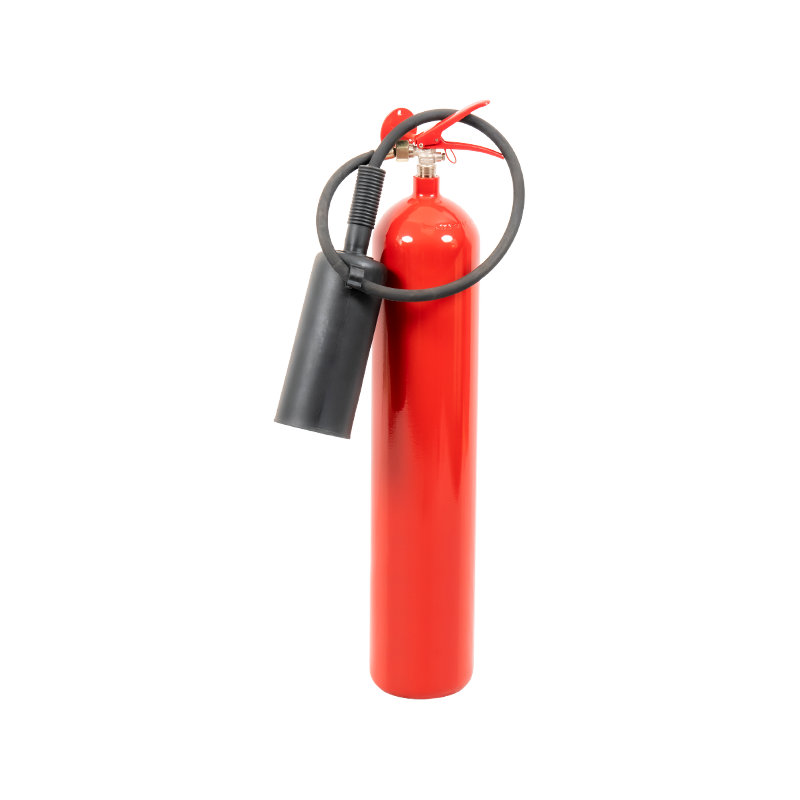
The 5kg fire-fighting carbon dioxide fire extinguisher can work in a wide temperature range, from -30˚C to +60˚C, to meet the firefighting needs in va...
See Details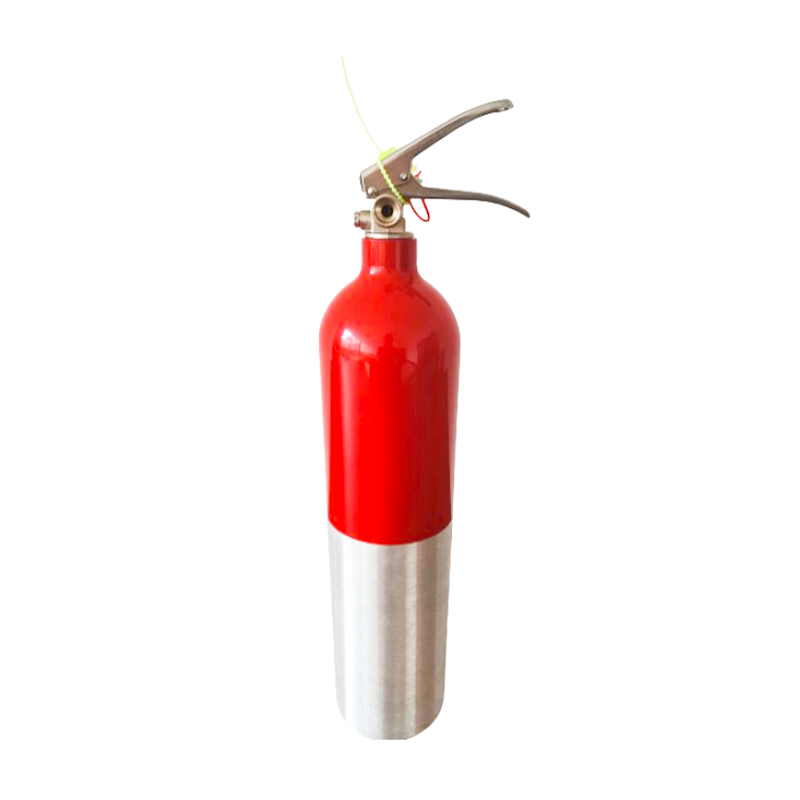
The 5KG portable aluminum fire extinguisher is an efficient and reliable fire extinguishing equipment suitable for fire protection needs in various in...
See Details
Zhejiang Yongshang Pressure Vessel Co., Ltd. was established in 2016. It is a modern enterprise integrating R&D, production and sales, specializing in the production of dry powder, carts, carbon dioxide fire extinguishers, seamless steel cylinders, and aluminum bottles.

+86 13857576559


Zhuhai Village, Gaibei Town, Shangyu District, Shaoxing City, Zhejiang Province, China
