 English
 عربى
عربى 中文简体
中文简体

3KG Portable Steel Fire Extinguisher(CK45/CE)
Cat:CO2 Fire Extinguisher (CK45/CE)
The 3kg portable steel fire extinguisher is a firefighting device designed to deal with all types of fires. Made of CK45 steel, it is sturdy and durab...
See Details
+86 13857576559
Detecting corrosion or internal blockage in a Gas Cylinder Valve early is essential for preventing leaks, pressure drops, and potential accidents. Regular inspection combined with physical and operational testing can identify issues before they become hazardous.
Key indicators to watch for include unusual resistance when turning the valve, visible rust or discoloration, irregular gas flow, and strange sounds during operation. Ignoring these early signs can compromise safety and damage equipment.
Start with a thorough visual inspection. Look for surface rust, pitting, or discoloration on the valve body and threads. Even minor rust spots are significant, as they indicate potential internal degradation.
Pay attention to the following areas:
Regular visual inspection should be performed at least every 3 months in industrial environments and before every use in residential or critical applications.
Blockages inside a Gas Cylinder Valve can be subtle. To detect them, monitor the valve during operation:
Combining visual and operational checks increases the likelihood of detecting issues early.
Preventive maintenance can reduce the risk of corrosion and blockage. Recommended practices include:
Industry data shows that valves receiving quarterly maintenance experience up to 70% fewer blockages than neglected valves.
Environmental conditions significantly affect corrosion risk. Factors to monitor include:
Proper storage in dry, ventilated areas and protective caps on unused valves are simple yet effective preventive measures.
Even without advanced instruments, users can detect corrosion using basic tools:
Simple tools combined with careful observation can catch most early-stage corrosion issues before they escalate.
| Feature | Healthy Valve | Corroded/Blocked Valve |
|---|---|---|
| Valve Rotation | Smooth and consistent | Stiff or uneven resistance |
| Surface Condition | Shiny, no rust or discoloration | Rust spots, pitting, or discoloration |
| Gas Flow | Consistent and predictable | Irregular, fluctuating, or reduced |
| Audible Indicators | Quiet during operation | Hissing, whistling, or rattling sounds |
Early detection of corrosion and internal blockage in Gas Cylinder Valves significantly reduces safety risks. By combining visual inspections, operational testing, preventive maintenance, and environmental monitoring, users can extend the life of valves and maintain reliable gas flow. Implementing a structured inspection schedule and using simple diagnostic tools ensures that potential issues are caught before they lead to leaks, equipment failure, or hazardous incidents.
Remember: even minor signs, such as slight rust or resistance in valve operation, should prompt immediate attention. Preventive action is always safer and more cost-effective than reactive repairs.
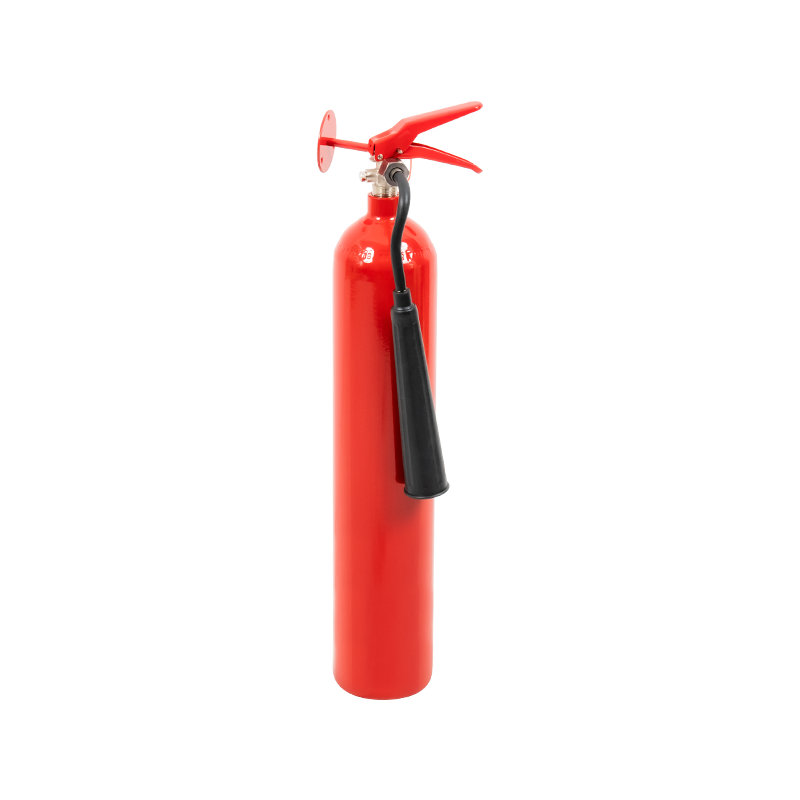
The 3kg portable steel fire extinguisher is a firefighting device designed to deal with all types of fires. Made of CK45 steel, it is sturdy and durab...
See Details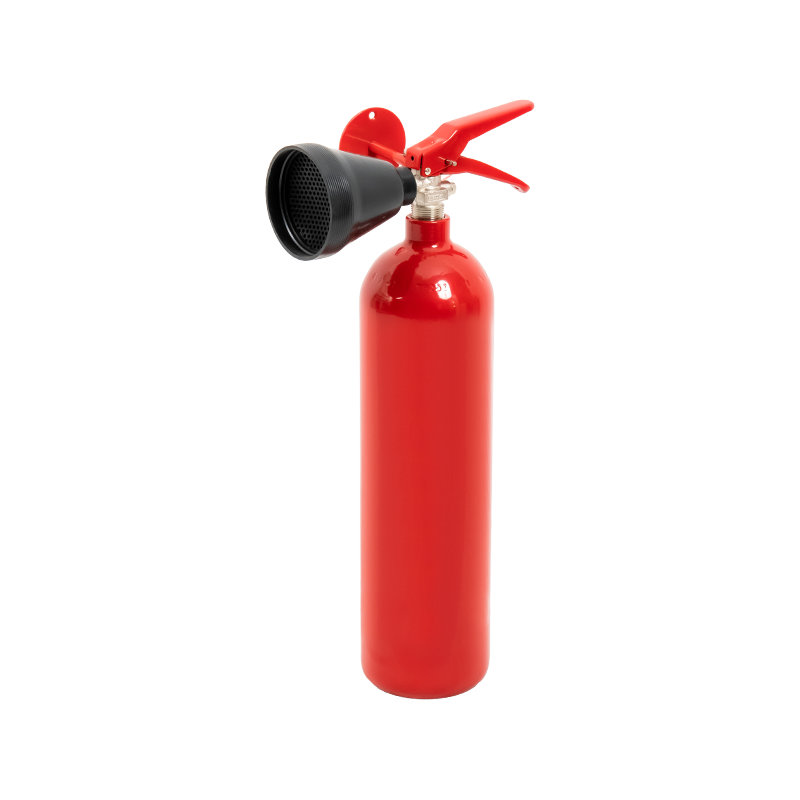
The 2kg portable CE fire extinguisher is a firefighting device designed for quick response and extinguishing of small fires. It is made of high-streng...
See Details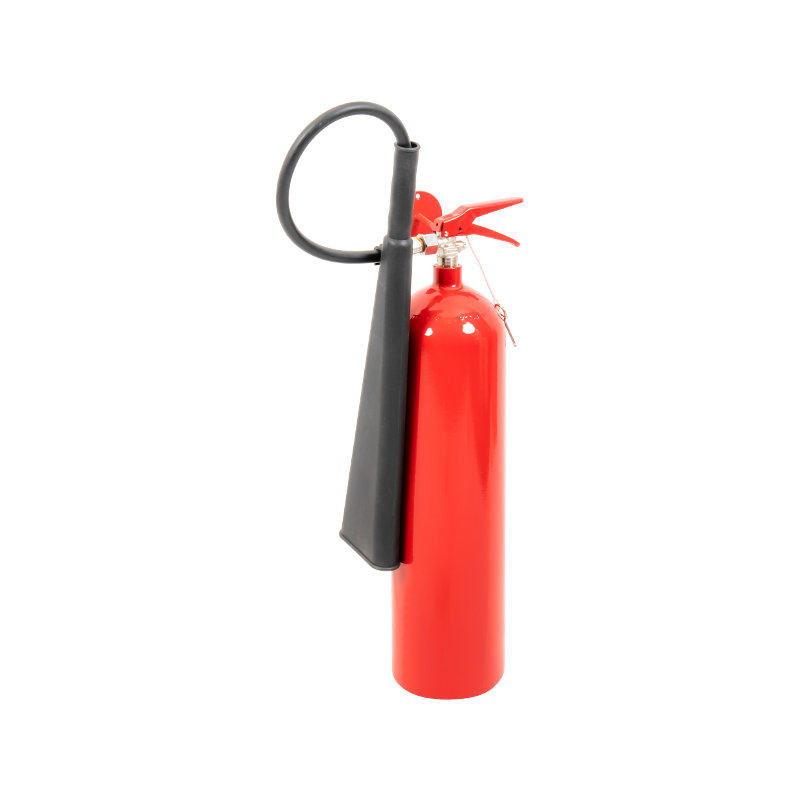
The 5kg CO2 CE extinguisher is suitable for a variety of applications, including in factories, production lines and warehouses. The 5kg CO2 extinguish...
See Details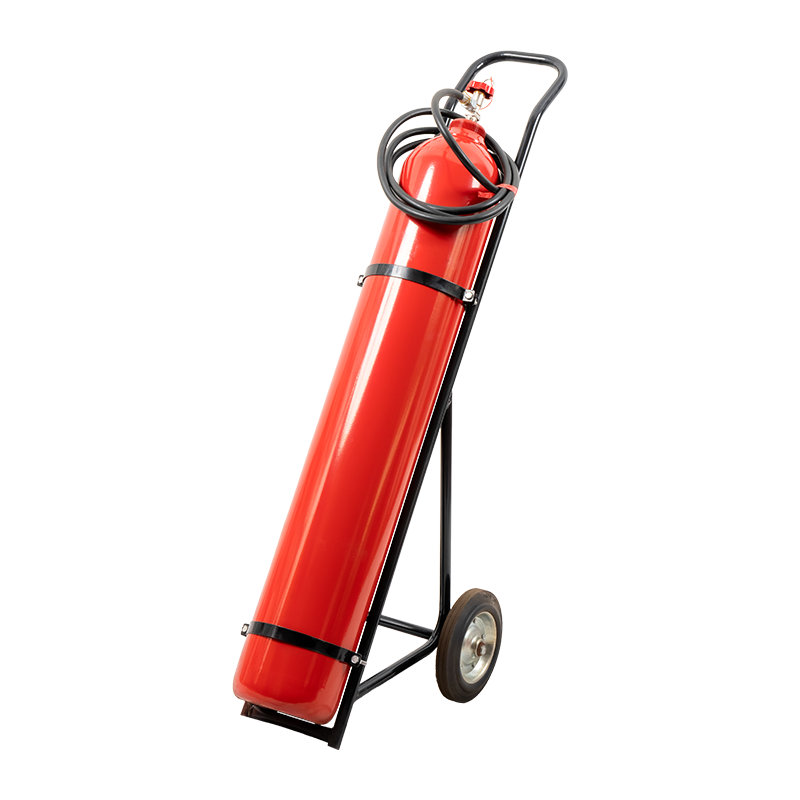
The 10KG Steel Cart-Mounted CO2 Fire Extinguisher is a portable firefighting tool consisting of a large steel cylinder with a capacity of 10kg CO2, mo...
See Details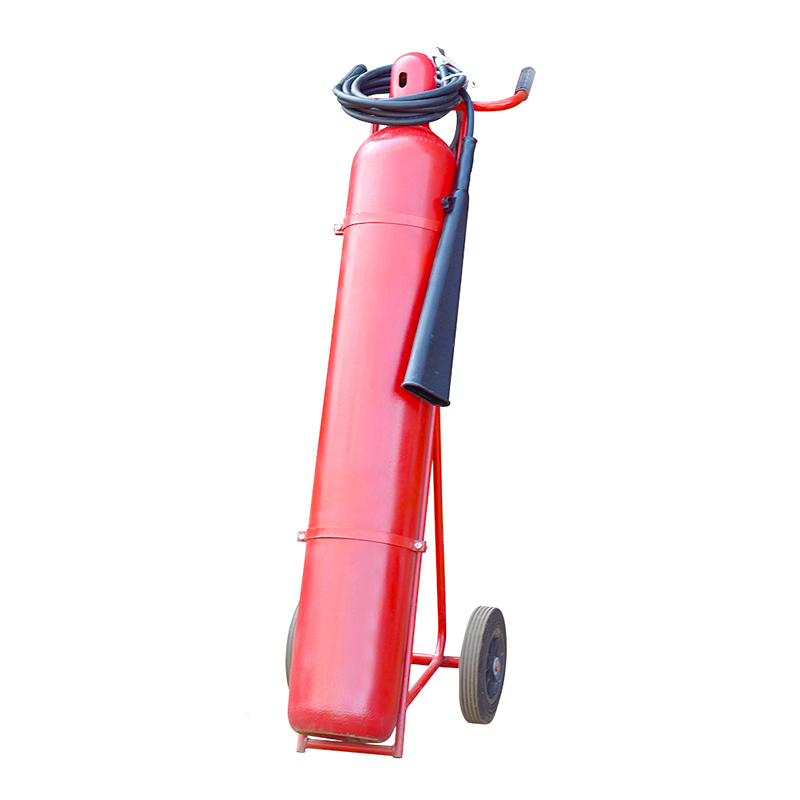
The 25kg trolley mobile fire extinguisher is a high-capacity fire-fighting equipment designed for large-scale fires. It has mechanical strength and co...
See Details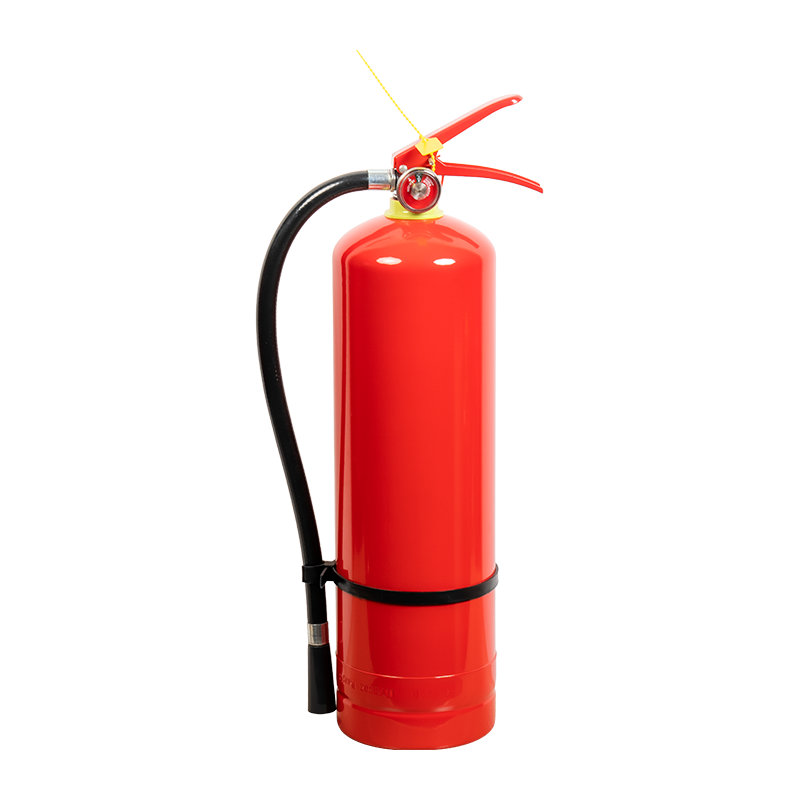
The 6kg stainless steel portable dry powder fire extinguisher is a fire extinguishing device suitable for extinguishing various small fires. Dry powde...
See Details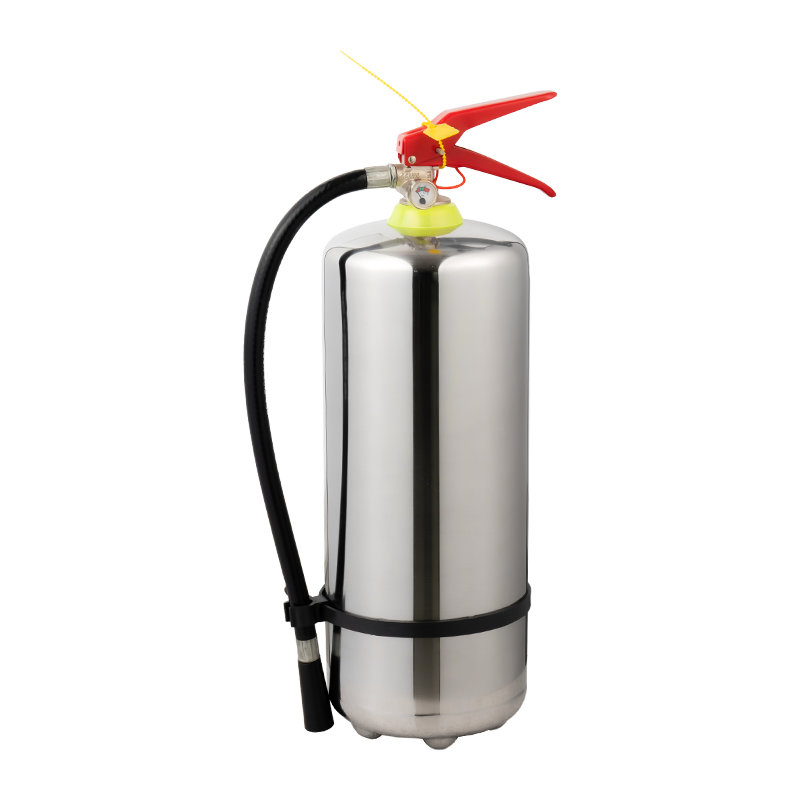
304 stainless steel 6L fire extinguisher is a professionally designed fire extinguishing equipment, made of high-quality SUS304 stainless steel materi...
See Details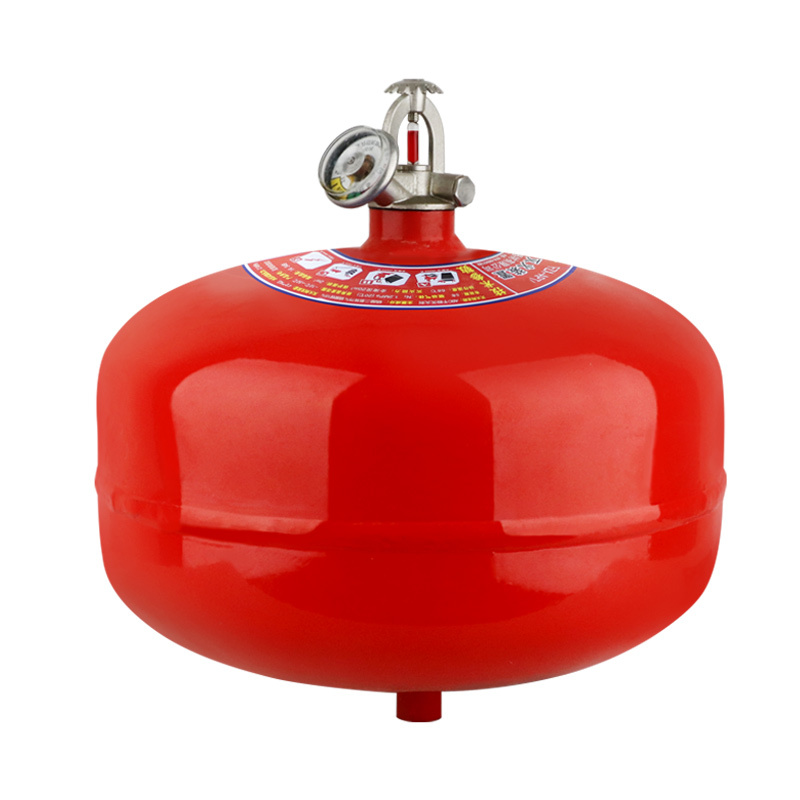
8KG hanging fire extinguisher can be installed on the wall or ceiling, fixed by hook or bracket, making it easy to quickly access and operate when nee...
See Details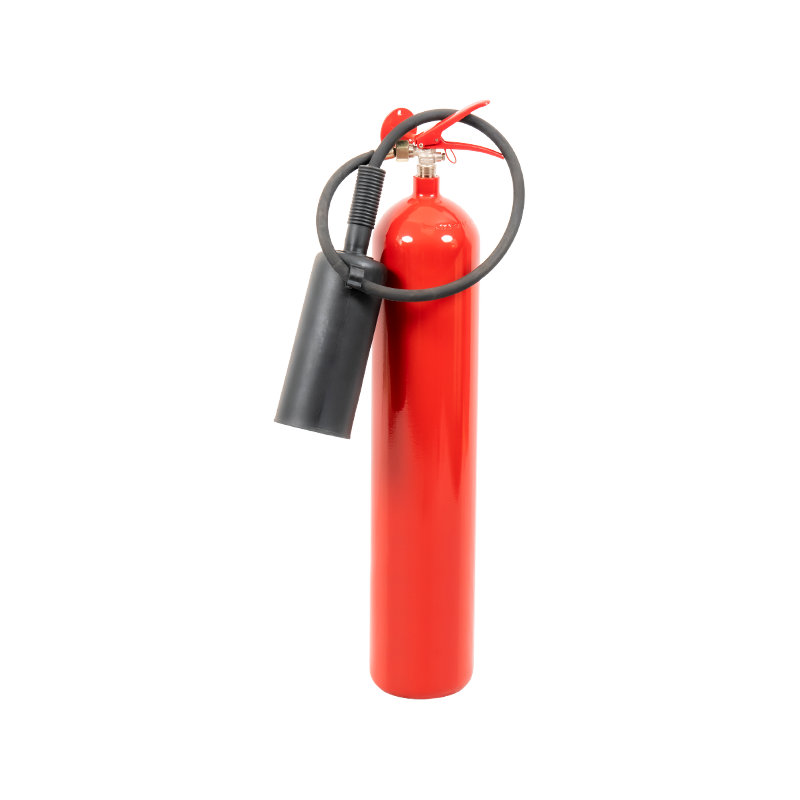
The 5kg fire-fighting carbon dioxide fire extinguisher can work in a wide temperature range, from -30˚C to +60˚C, to meet the firefighting needs in va...
See Details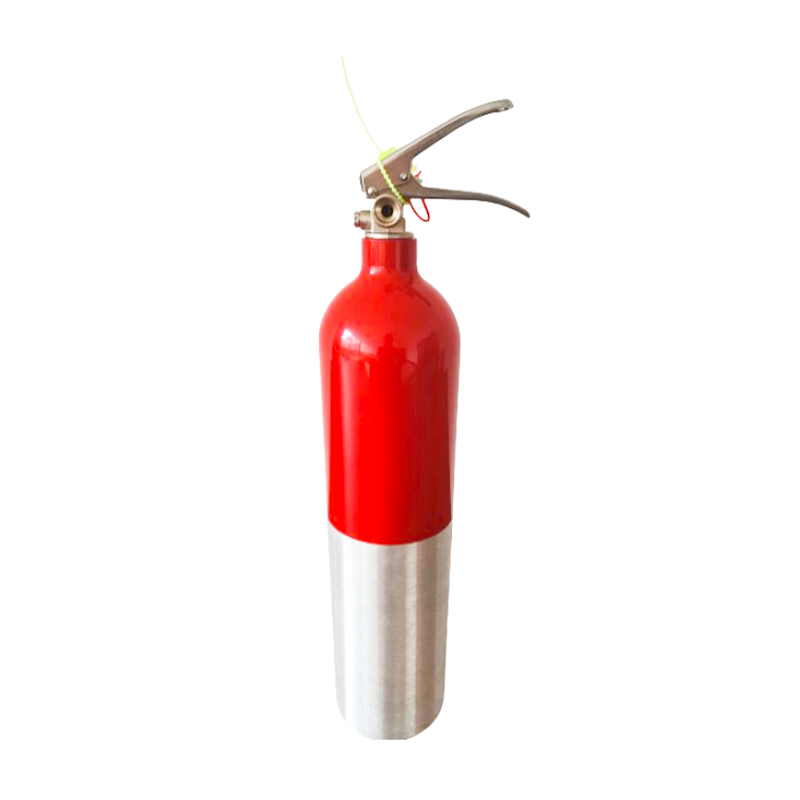
The 5KG portable aluminum fire extinguisher is an efficient and reliable fire extinguishing equipment suitable for fire protection needs in various in...
See Details
Zhejiang Yongshang Pressure Vessel Co., Ltd. was established in 2016. It is a modern enterprise integrating R&D, production and sales, specializing in the production of dry powder, carts, carbon dioxide fire extinguishers, seamless steel cylinders, and aluminum bottles.

+86 13857576559


Zhuhai Village, Gaibei Town, Shangyu District, Shaoxing City, Zhejiang Province, China
