 English
 عربى
عربى 中文简体
中文简体

3KG Portable Steel Fire Extinguisher(CK45/CE)
Cat:CO2 Fire Extinguisher (CK45/CE)
The 3kg portable steel fire extinguisher is a firefighting device designed to deal with all types of fires. Made of CK45 steel, it is sturdy and durab...
See Details
+86 13857576559
Effect of High Temperature on Internal Pressure: Exposure of Steel Seamless Gas Cylinders to high temperatures can significantly increase the internal pressure due to the expansion of gas molecules inside. As temperature rises, the kinetic energy of gas particles increases, leading to a proportional rise in pressure according to the ideal gas law. If this pressure approaches or exceeds the cylinder’s rated capacity, the built-in pressure relief device may activate to release gas and prevent catastrophic failure. For reactive or flammable gases, high temperatures accelerate chemical reactions, increasing the risk of fire or explosion. Extended exposure to heat can also degrade surface coatings, paint, or corrosion protection, exposing the steel to rust and weakening the cylinder’s structural integrity. Proper monitoring and storage in temperature-controlled environments are therefore essential for both safety and longevity.
Effect of Low Temperature on Material Integrity: Extreme low temperatures have a pronounced effect on the mechanical properties of steel. When Steel Seamless Gas Cylinders are subjected to subzero conditions, the steel can lose ductility, become brittle, and develop microfractures under normal operational stresses. This brittleness increases the likelihood of cracks forming in the cylinder walls or at critical points such as the base, shoulder, or neck. Gases that condense or freeze at low temperatures can create uneven pressure distribution inside the cylinder, further stressing the metal walls. Even minor impacts or accidental drops in cold conditions may result in catastrophic failure, especially for cylinders storing high-pressure gases. Regular inspection for brittleness, proper insulation, and temperature-controlled storage mitigate these risks.
Impact of Rapid Temperature Fluctuations: Rapid transitions between high and low temperatures can generate thermal stress within Steel Seamless Gas Cylinders. Thermal stress occurs because steel expands and contracts with temperature changes, and rapid or repeated fluctuations can lead to internal strains, micro-cracks, or deformation of the cylinder walls. This stress not only compromises the steel’s integrity but can also affect valve fittings and seals. For example, moving a cylinder from direct sunlight into a refrigerated or cold environment can shock the material, creating latent weaknesses that may develop into failures over time. Industrial procedures must minimize such rapid environmental changes and ensure that cylinders are acclimated gradually when moving between hot and cold storage or operational areas.
Effect on Valve and Seal Function: Cylinder valves and sealing components are particularly sensitive to temperature extremes. In high temperatures, polymer or rubber seals may soften, lose elasticity, and fail to maintain a secure gas-tight closure, potentially causing leaks. Conversely, at low temperatures, these materials can harden, shrink, or crack, also resulting in leakage. Valves themselves may expand or contract, affecting thread engagement and operational smoothness. For cylinders used outdoors or in extreme climates, selecting temperature-resistant valve materials, performing frequent inspections, and testing for leaks are essential. Any compromised valve or seal can lead to dangerous uncontrolled gas release, creating risks for personnel and equipment. Proper maintenance and replacement protocols must account for temperature exposure.
Impact on Gas Behavior: Temperature variation directly affects the physical properties and behavior of gases stored in Steel Seamless Gas Cylinders. High temperatures reduce gas density while increasing pressure, which can affect flow rates, metering, and downstream equipment operation. Low temperatures increase gas density and may result in condensation or liquefaction for certain gases, causing blockages, uneven pressure, or flow restrictions. Reactive gases are particularly susceptible, as temperature fluctuations can trigger unplanned chemical reactions or degradation. Proper understanding of gas-specific behavior under varying temperatures is critical for operational safety, ensuring that cylinders are not overfilled, underfilled, or exposed to conditions that could compromise gas quality or containment.
Corrosion and Surface Degradation Risks: Temperature extremes can accelerate the degradation of protective coatings or paint on Steel Seamless Gas Cylinders, exposing steel surfaces to oxidation and corrosion. High heat can break down anti-corrosion layers, while low temperatures combined with humidity or condensation promote rust formation, especially in outdoor storage environments. Repeated cycles of heating and cooling exacerbate coating micro-cracks, allowing moisture penetration. Over time, corrosion can weaken the cylinder walls, reduce safety margins, and increase the risk of leaks or ruptures under pressure. Implementing corrosion-resistant coatings, regular inspection protocols, and maintaining controlled temperature and humidity in storage areas are essential measures to ensure the longevity and safety of the cylinders.
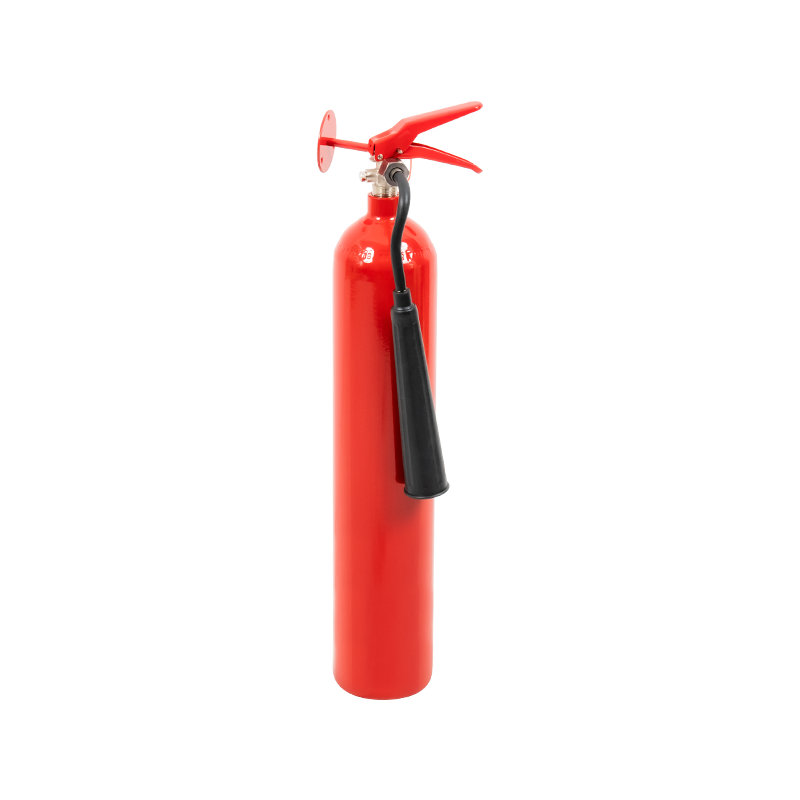
The 3kg portable steel fire extinguisher is a firefighting device designed to deal with all types of fires. Made of CK45 steel, it is sturdy and durab...
See Details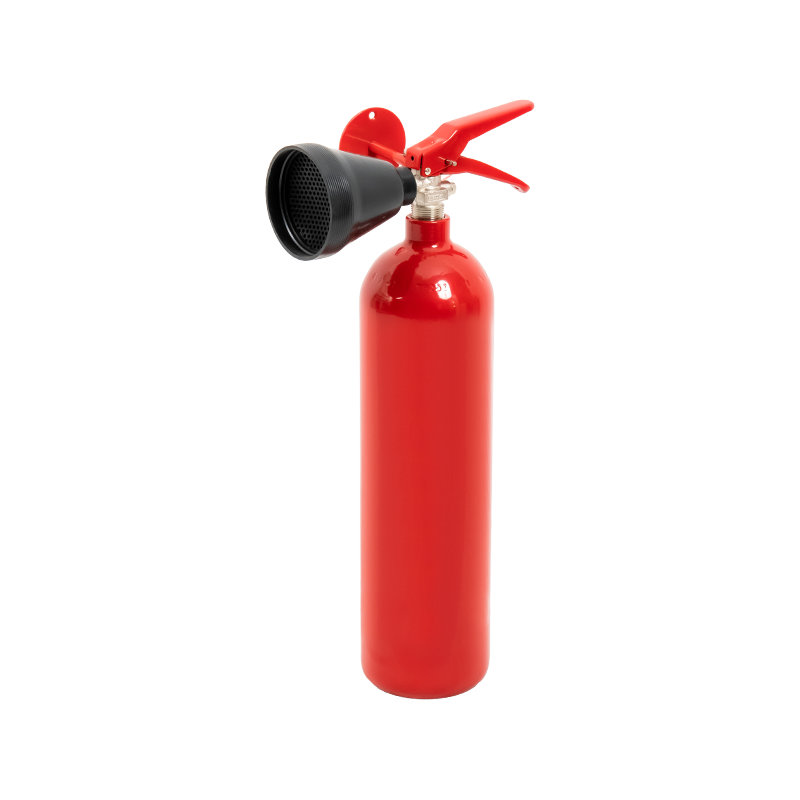
The 2kg portable CE fire extinguisher is a firefighting device designed for quick response and extinguishing of small fires. It is made of high-streng...
See Details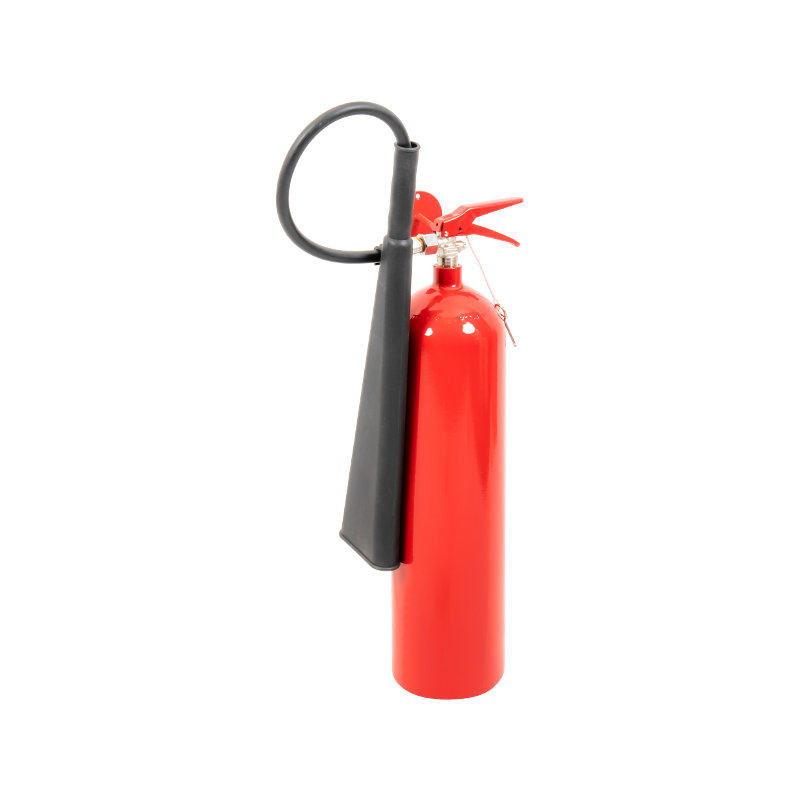
The 5kg CO2 CE extinguisher is suitable for a variety of applications, including in factories, production lines and warehouses. The 5kg CO2 extinguish...
See Details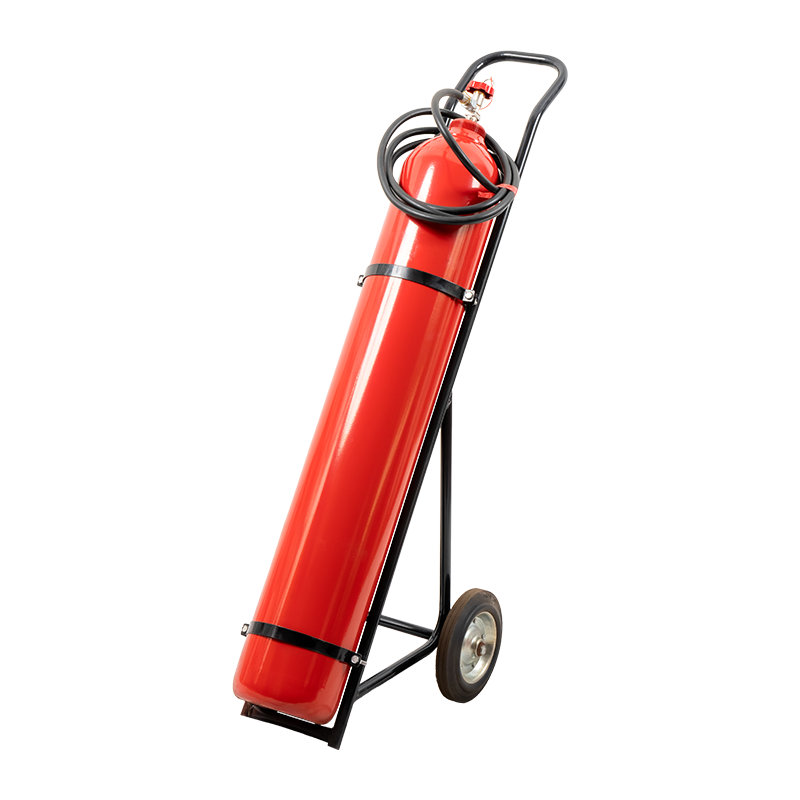
The 10KG Steel Cart-Mounted CO2 Fire Extinguisher is a portable firefighting tool consisting of a large steel cylinder with a capacity of 10kg CO2, mo...
See Details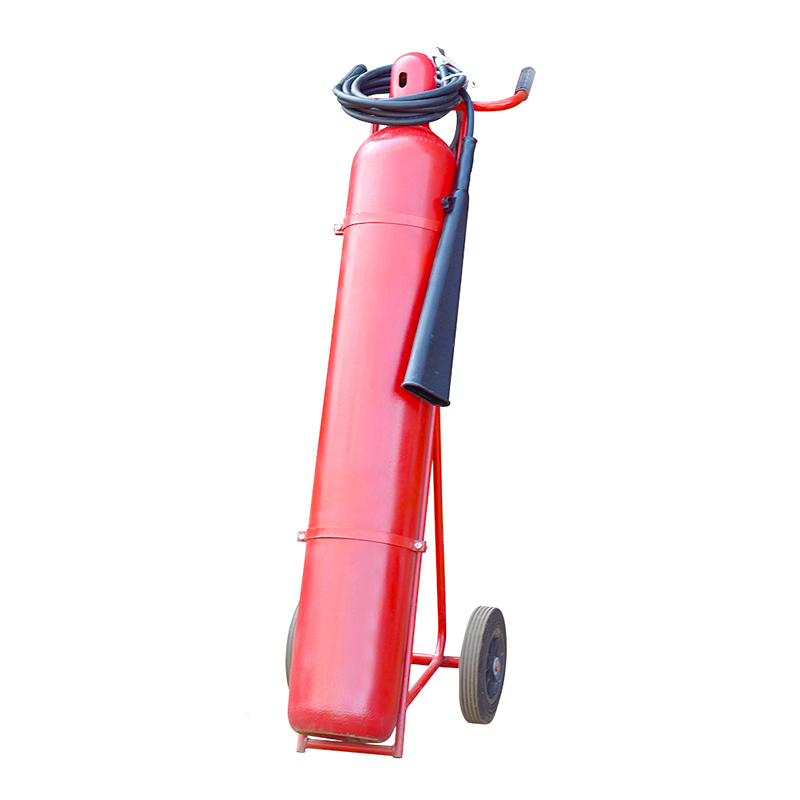
The 25kg trolley mobile fire extinguisher is a high-capacity fire-fighting equipment designed for large-scale fires. It has mechanical strength and co...
See Details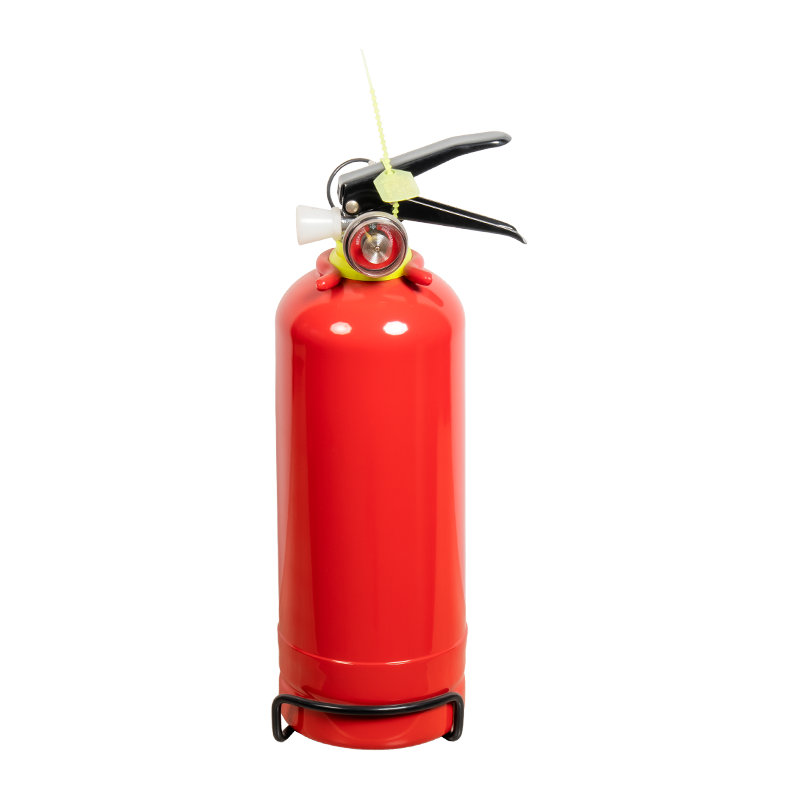
The 1kg portable dry powder fire extinguisher is a safety device used to put out small fires in emergency situations. Its outer shell is made of steel...
See Details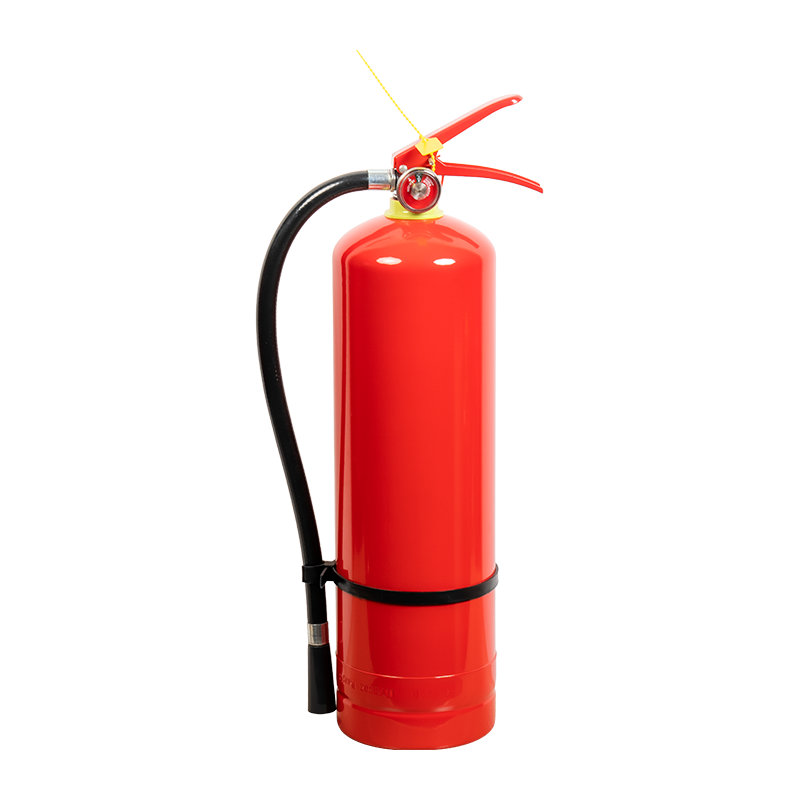
The 6kg stainless steel portable dry powder fire extinguisher is a fire extinguishing device suitable for extinguishing various small fires. Dry powde...
See Details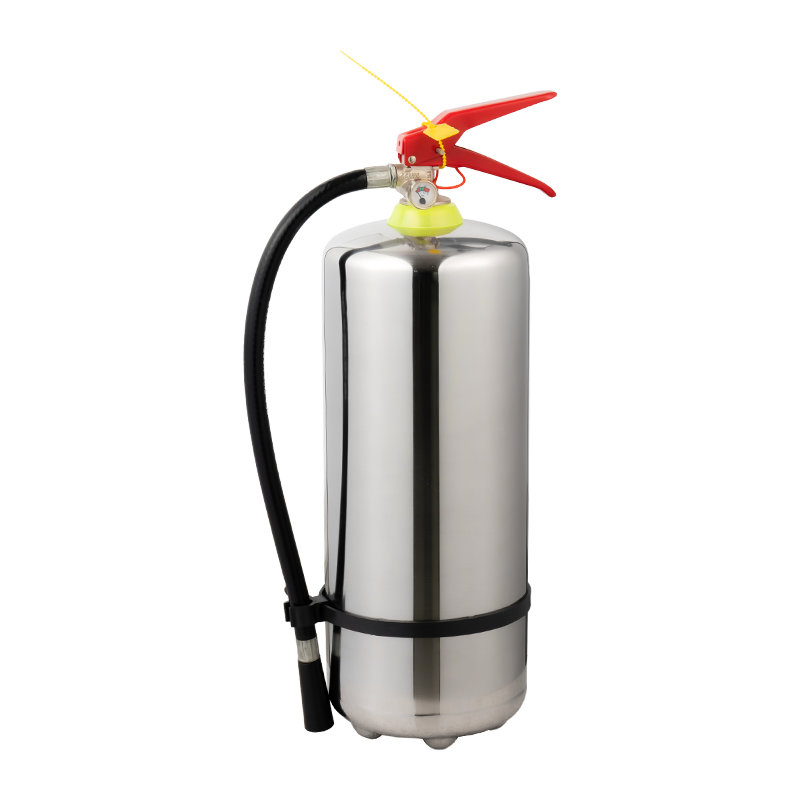
304 stainless steel 6L fire extinguisher is a professionally designed fire extinguishing equipment, made of high-quality SUS304 stainless steel materi...
See Details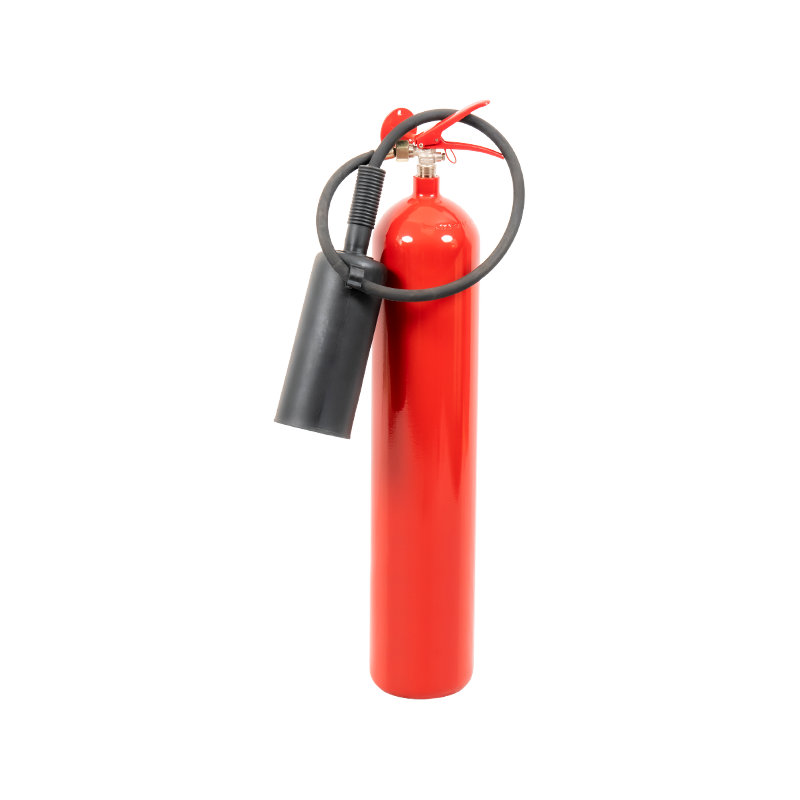
The 5kg fire-fighting carbon dioxide fire extinguisher can work in a wide temperature range, from -30˚C to +60˚C, to meet the firefighting needs in va...
See Details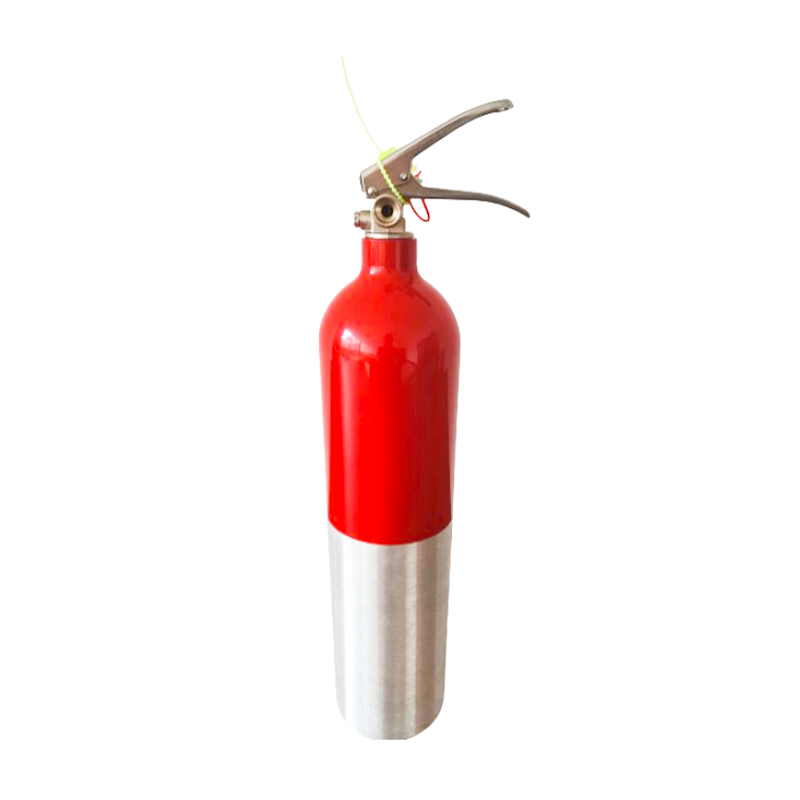
The 5KG portable aluminum fire extinguisher is an efficient and reliable fire extinguishing equipment suitable for fire protection needs in various in...
See Details
Zhejiang Yongshang Pressure Vessel Co., Ltd. was established in 2016. It is a modern enterprise integrating R&D, production and sales, specializing in the production of dry powder, carts, carbon dioxide fire extinguishers, seamless steel cylinders, and aluminum bottles.

+86 13857576559


Zhuhai Village, Gaibei Town, Shangyu District, Shaoxing City, Zhejiang Province, China
