English
 عربى
عربى 中文简体
中文简体


Industrial Safety & Materials
Steel or Composite: Which Gas Cylinder Truly Belongs in a Confined Space?
Weight, spark risk, corrosion, and failure behavior — the four variables that decide whether a cylinder is a safe companion in tight quarters, or a liability waiting to happen.
The Direct Answer
For most confined industrial environments, a composite gas cylinder generally offers a safer profile than a traditional steel cylinder, primarily because of its lower weight, controlled fragmentation behavior under overpressure, and reduced risk of sparking during accidental contact with metal surfaces. Steel cylinders remain reliable and are still widely used, especially for a welding gas cylinder in fixed workshop settings, but their mass, rigidity, and fragmentation pattern during failure make them less forgiving in tight, high-traffic, or poorly ventilated areas.
gas cylinder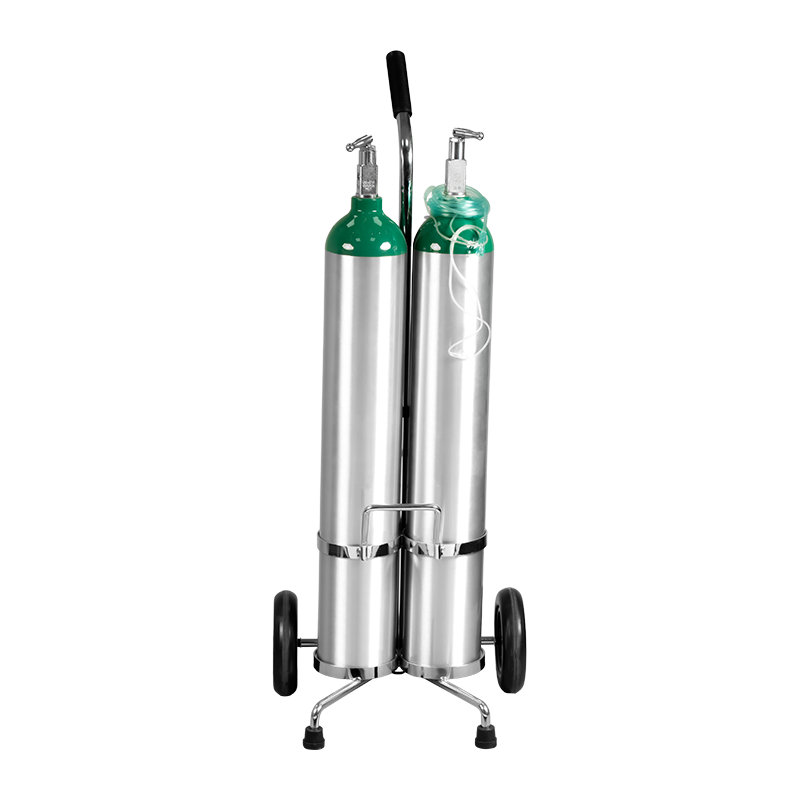
This piece breaks down the practical safety differences between steel and composite cylinder designs, with a focus on confined spaces such as engine rooms, below-deck compartments, tunnels, basements, and tightly packed manufacturing cells where ventilation and maneuvering room are limited.
Why Confined Spaces Change the Equation
In open workshops, cylinder weight and impact resistance matter less because there is room to maneuver and ventilate. In confined spaces, three factors become disproportionately important: the speed at which leaked gas can reach a dangerous concentration, the physical force involved if a cylinder is dropped or struck, and how easily a worker can retreat or reposition the cylinder in an emergency.
Ventilation and Gas Accumulation
A confined space with limited air exchange allows leaked gas to reach explosive or asphyxiating concentrations far faster than in open areas. In these settings, the cylinder's leak-resistance and valve integrity matter more than in a well-ventilated shop floor.
Impact and Handling Risk
Confined spaces often require cylinders to be carried, tilted, or squeezed past obstacles. A heavier steel cylinder increases the chance of dropped-cylinder incidents, valve damage, or musculoskeletal strain, all of which raise the probability of an accidental release.
Steel Cylinders: Strengths and Limitations in Tight Spaces
Steel cylinders have been the industry standard for decades, and for good reason: they are tough, resistant to punctures, and tolerant of rough handling. A typical welding gas cylinder made from seamless steel can withstand significant abuse without structural failure, which is why it remains common in fixed welding bays and general fabrication shops.
However, in confined spaces, several steel-specific drawbacks become more pronounced.
A rigid, heavy cylinder body that fails catastrophically can behave like a projectile — a risk that multiplies when escape routes are limited.
- Higher mass makes maneuvering through narrow doorways, ladders, or crawlspaces more physically demanding.
- Steel-on-steel or steel-on-concrete contact can generate sparks, a serious concern near flammable gas.
- Catastrophic failure can produce projectile-like fragmentation in a heavy, rigid body.
- Corrosion over time, particularly in humid or below-grade environments, can weaken the cylinder wall unless inspection schedules are strictly followed.
None of this means steel cylinders are unsafe when properly maintained. A well-inspected welding gas cylinder in steel construction remains a dependable choice for stationary use where movement is minimal and ventilation is adequate.
Composite and Aluminum-Based Cylinders: A Different Risk Profile
Composite cylinders, including those built around an Aluminum Gas Cylinder liner wrapped in fiberglass or carbon fiber, are designed with weight reduction and controlled failure behavior in mind. Rather than rupturing suddenly like a rigid steel shell, many composite designs are engineered to leak before they burst, giving workers time to evacuate a confined area before pressure builds to a catastrophic level.
Weight Advantage in Practice
A composite cylinder can weigh up to 60 percent less than a steel cylinder of equivalent volume. In a confined space where a worker may need to carry, tilt, or reposition the cylinder repeatedly during a shift, this weight difference directly reduces fatigue-related mishandling.
Non-Sparking Exterior
Because the outer wrap on most composite cylinders is non-metallic, accidental contact with structural steel, tools, or piping is far less likely to produce a spark — a meaningful advantage when flammable or combustible gases are present in a tight enclosure.
Aluminum Liner Corrosion Resistance
An Aluminum Gas Cylinder core does not rust the way steel does, which is particularly valuable in humid basements, marine compartments, or below-grade utility rooms where moisture exposure is difficult to control.
Many composite designs are engineered to leak before they burst, turning a potential rupture into a detectable, manageable warning.
Side-by-Side: What Actually Changes in Confined Spaces
| Factor | Steel Cylinder | Composite Cylinder |
| Relative Weight | Heavier | Up to 60% lighter |
| Spark Risk on Impact | Higher | Lower |
| Corrosion Resistance | Moderate, needs regular inspection | High, especially with aluminum liner |
| Failure Behavior | Rigid rupture risk | Often designed to leak before burst |
| Typical Best Use | Fixed workshop welding stations | Mobile, tight, or below-grade work areas |
Where the Choice Matters Most
Shipboard and Marine Compartments
Below-deck spaces combine limited ventilation, narrow hatches, and high humidity. Here, a lightweight composite cylinder reduces the physical burden of transport through tight passageways while resisting the corrosion that steel struggles with in salt-air environments.
Tunnel and Underground Construction
Workers in tunnels often need to carry a welding gas cylinder over uneven ground and through restricted openings. The reduced weight of a composite design lowers fatigue-related accidents during long shifts underground.
Fixed Fabrication Bays
When a cylinder stays in one place, connected to a fixed welding station with good ventilation, a steel cylinder's ruggedness and lower upfront cost often make it the more practical option, since portability advantages matter less.
Material choice alone does not guarantee safety. Poor handling or skipped inspections can undermine either cylinder type.
Operational Safety Steps That Apply to Either Type
Regardless of material, certain practices remain essential in confined spaces.
- Conduct atmospheric monitoring before and during work to detect gas accumulation early.
- Secure cylinders upright with a chain or strap to prevent tipping in tight quarters.
- Inspect valves and hoses for leaks before entering the confined space.
- Establish a clear evacuation path before beginning work.
- Follow manufacturer-recommended hydrostatic testing intervals for both steel and composite designs.
Never enter a confined space with a suspected gas leak without first ventilating and verifying atmospheric readings.
Making the Final Decision
If your work regularly involves moving cylinders through narrow, humid, or poorly ventilated spaces, a composite or Aluminum Gas Cylinder design is generally the safer and more practical choice. If the cylinder stays fixed at a stationary welding bench with adequate airflow, a steel cylinder remains a cost-effective and durable option. The safest approach in any confined space is to match the cylinder type to the specific physical demands of the environment, while maintaining strict inspection and handling protocols regardless of which material is chosen.