 English
 عربى
عربى 中文简体
中文简体

3KG Portable Steel Fire Extinguisher(CK45/CE)
Cat:CO2 Fire Extinguisher (CK45/CE)
The 3kg portable steel fire extinguisher is a firefighting device designed to deal with all types of fires. Made of CK45 steel, it is sturdy and durab...
See Details
+86 13857576559
The seamless construction of Steel Seamless Gas Cylinder is a primary factor contributing to its reliability under repeated filling and discharge cycles. Unlike welded or fabricated cylinders, which contain joints or seams that can act as stress concentrators, seamless cylinders are manufactured as a single, continuous metal body. This uniform construction allows internal pressure to be distributed evenly across the cylinder walls during each pressurization cycle, reducing the likelihood of localized fatigue or cracking.
Hydrostatic and pressure testing are standard during manufacturing to simulate thousands of operational cycles. These tests validate that the cylinder can handle expansion and contraction without deformation. The seamless body ensures that even under fluctuating pressures, the cylinder maintains its geometric stability, preserves the integrity of internal threads, and prevents leaks. By eliminating weak points inherent in welded designs, seamless cylinders offer significantly improved durability, enabling safe, long-term use in high-pressure applications like industrial gas supply, medical oxygen, and laboratory environments.
The material composition of a Steel Seamless Gas Cylinder is crucial for resisting fatigue during cyclic pressurization. High-strength alloy steels are often used, combined with heat treatment processes such as quenching and tempering, which enhance tensile strength, elasticity, and toughness. This allows the cylinder to expand and contract repeatedly without permanent deformation or cracking.
The selection of steel is tailored to maintain mechanical properties across a wide range of operating conditions, including high-pressure cycles and fluctuating temperatures. Corrosion-resistant alloys or protective coatings are frequently applied to prevent chemical degradation from stored gases, which could exacerbate fatigue over time. The combination of metallurgical optimization and seamless construction ensures the cylinder retains structural integrity and pressure containment capabilities, providing users with predictable and reliable performance even under thousands of pressurization and discharge cycles.
Repeated pressurization imposes cyclic tensile and compressive stresses on the cylinder walls, which can lead to fatigue over time. Steel Seamless Gas Cylinders are engineered to resist such fatigue through precise wall thickness design, optimized geometry, and controlled metallurgical processes. Fatigue testing, often involving accelerated pressurization cycles far exceeding typical operational conditions, ensures that the cylinder can safely handle repeated filling and discharge without loss of integrity.
Stress-relief processes during manufacturing minimize residual internal stresses, which could otherwise initiate early fatigue cracking. Long-term durability is critical for applications where cylinders are filled and emptied multiple times daily, such as in industrial gas delivery or medical oxygen supply. The combination of seamless construction, controlled material properties, and stress-relief processes ensures the cylinder maintains its operational reliability and safety over extended service life, even under intensive cyclic use.
Cyclic pressurization affects not only the cylinder body but also safety-critical components, including valves, threads, and pressure relief devices. Steel Seamless Gas Cylinders are designed with reinforced necks and robust valve fittings to withstand repeated mechanical loading. Pressure relief valves are calibrated and tested to operate reliably even after extensive cyclic use, ensuring overpressure scenarios are safely mitigated.
The seamless body enhances the performance of these safety components by providing a stable attachment surface, preventing leaks, and maintaining dimensional alignment under repeated pressurization. This integrated approach minimizes the risk of failure in high-pressure systems, protecting both the user and the environment. Reliable valve performance under cyclic conditions ensures consistent gas delivery, reduces operational downtime, and preserves compliance with safety standards such as ISO, DOT, and ASME.
Even with superior fatigue resistance, Steel Seamless Gas Cylinders require proactive inspection and maintenance to ensure safety under cyclic pressurization. Recommended procedures include visual inspection for surface cracks, corrosion, or deformation; ultrasonic or radiographic testing to detect subsurface flaws; and hydrostatic testing at regular intervals to verify pressure integrity.
Operators should monitor the number of pressurization cycles and maintain records of cylinder usage to anticipate maintenance needs. Environmental factors such as temperature fluctuations, exposure to corrosive gases, or mechanical impacts must also be considered, as these can accelerate fatigue. Predictive maintenance practices allow early detection of issues, preventing unexpected failures, prolonging cylinder lifespan, and maintaining operational safety in industrial, medical, or laboratory applications.
Steel Seamless Gas Cylinders maintain consistent pressure containment and flow delivery even under repeated filling and discharge, ensuring operational reliability in critical applications. The combination of seamless construction, high-strength steel, heat treatment, and robust safety components allows cylinders to perform predictably over thousands of cycles.
This reliability is crucial for processes that depend on precise gas delivery, such as welding, medical oxygen administration, or laboratory experiments. The design prevents dimensional changes, ensures the integrity of internal threads, and maintains safety valve performance. Users can confidently rely on the cylinder for repetitive operations without compromising safety, accuracy, or efficiency. Long-term operational reliability reduces downtime, maintenance costs, and the risk of catastrophic failure, providing consistent performance across the cylinder’s service life.
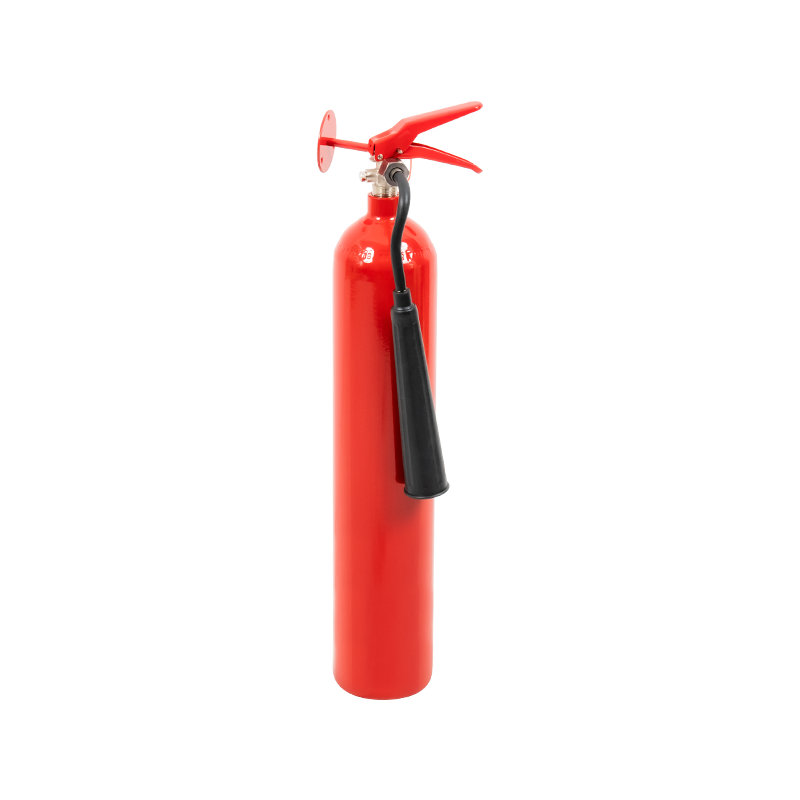
The 3kg portable steel fire extinguisher is a firefighting device designed to deal with all types of fires. Made of CK45 steel, it is sturdy and durab...
See Details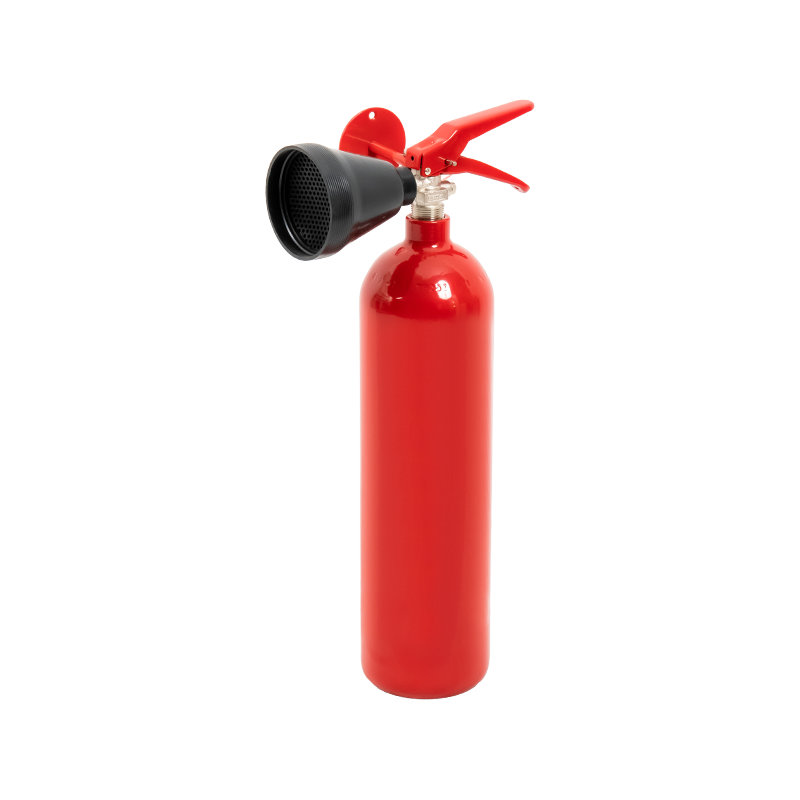
The 2kg portable CE fire extinguisher is a firefighting device designed for quick response and extinguishing of small fires. It is made of high-streng...
See Details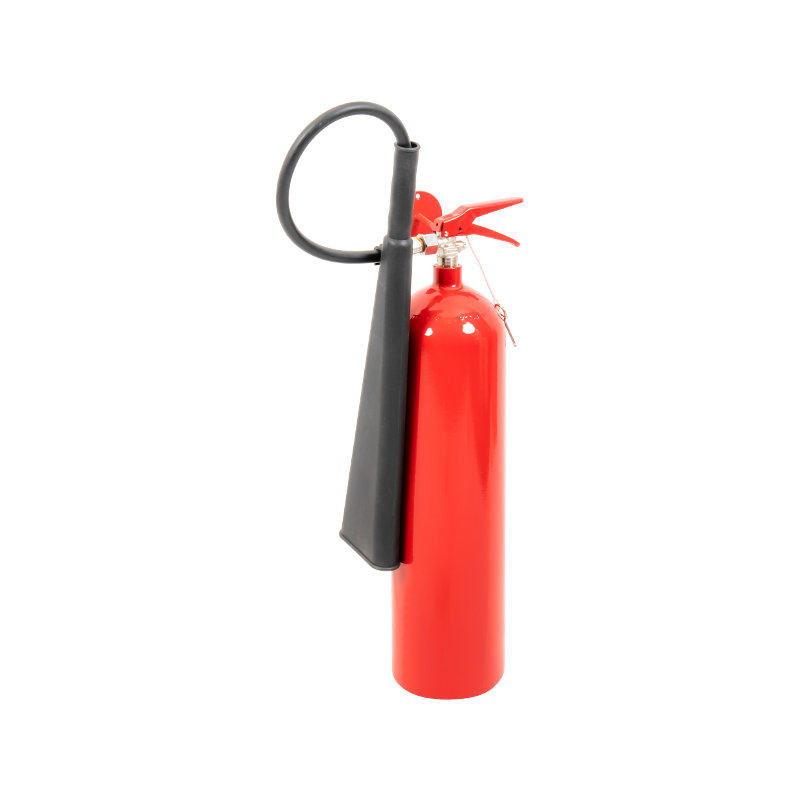
The 5kg CO2 CE extinguisher is suitable for a variety of applications, including in factories, production lines and warehouses. The 5kg CO2 extinguish...
See Details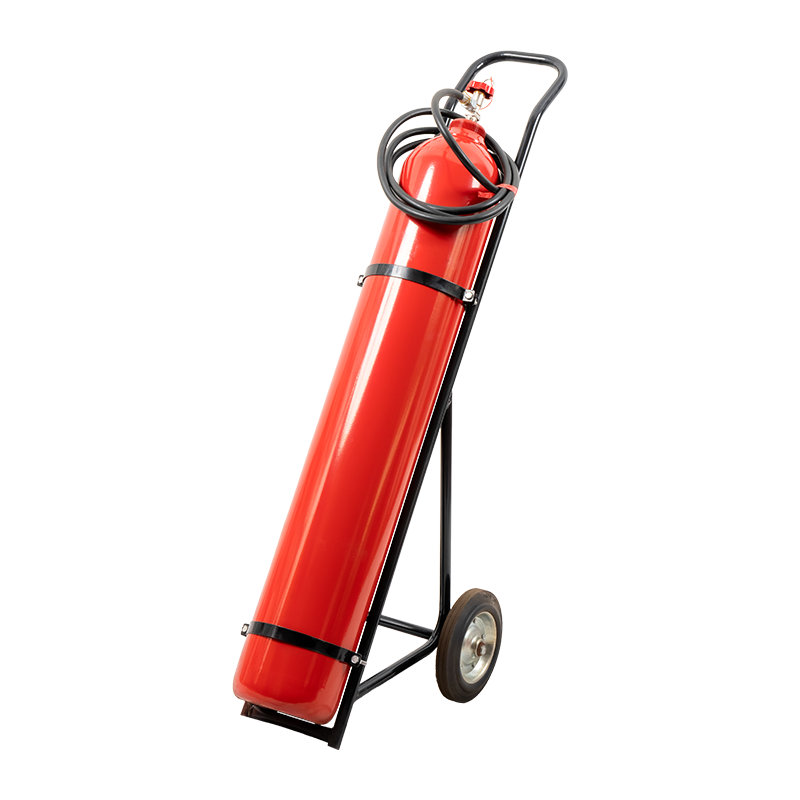
The 10KG Steel Cart-Mounted CO2 Fire Extinguisher is a portable firefighting tool consisting of a large steel cylinder with a capacity of 10kg CO2, mo...
See Details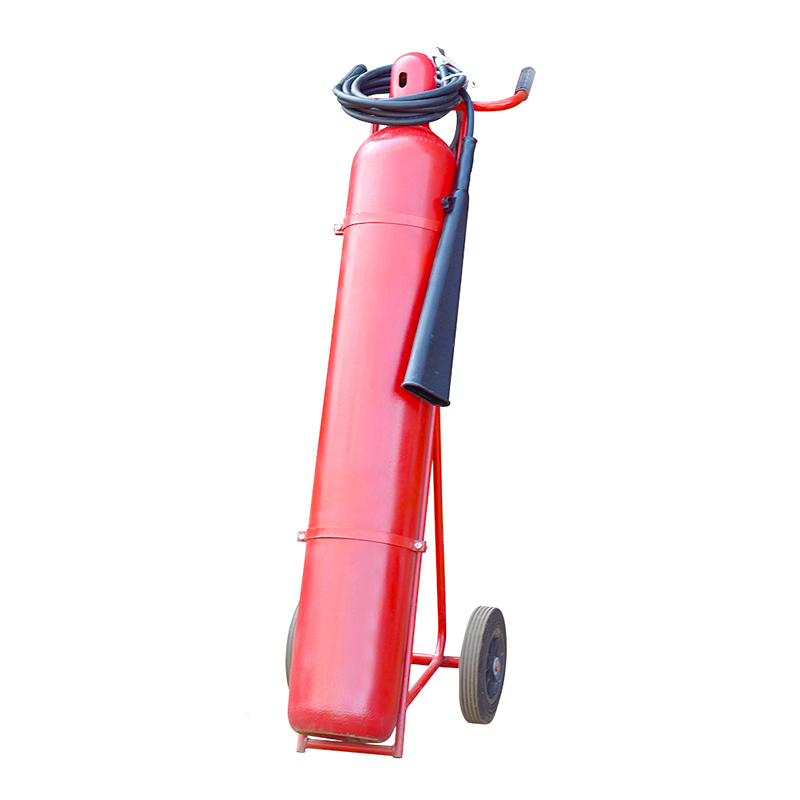
The 25kg trolley mobile fire extinguisher is a high-capacity fire-fighting equipment designed for large-scale fires. It has mechanical strength and co...
See Details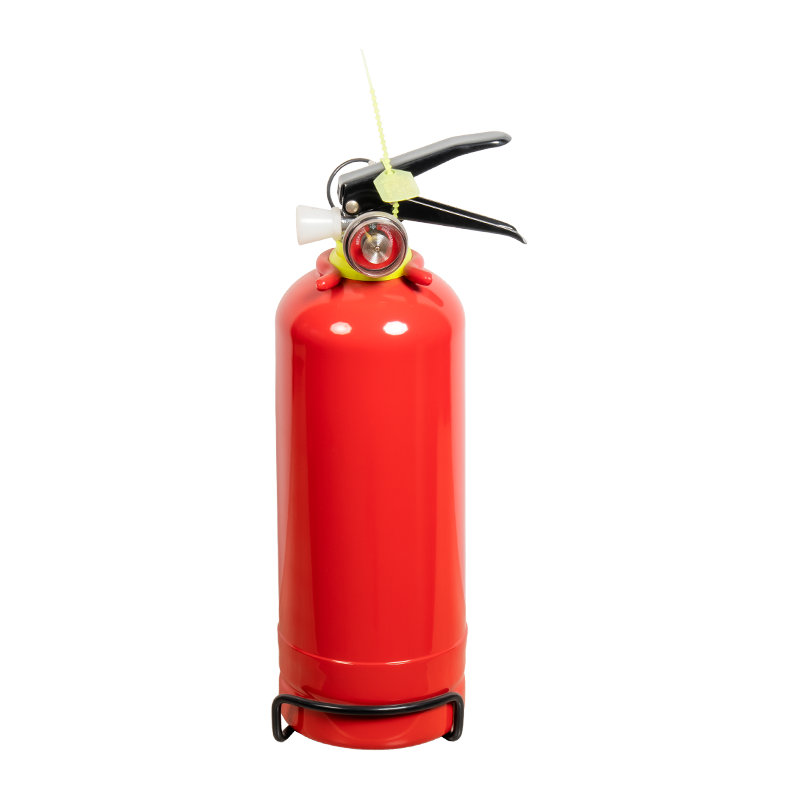
The 1kg portable dry powder fire extinguisher is a safety device used to put out small fires in emergency situations. Its outer shell is made of steel...
See Details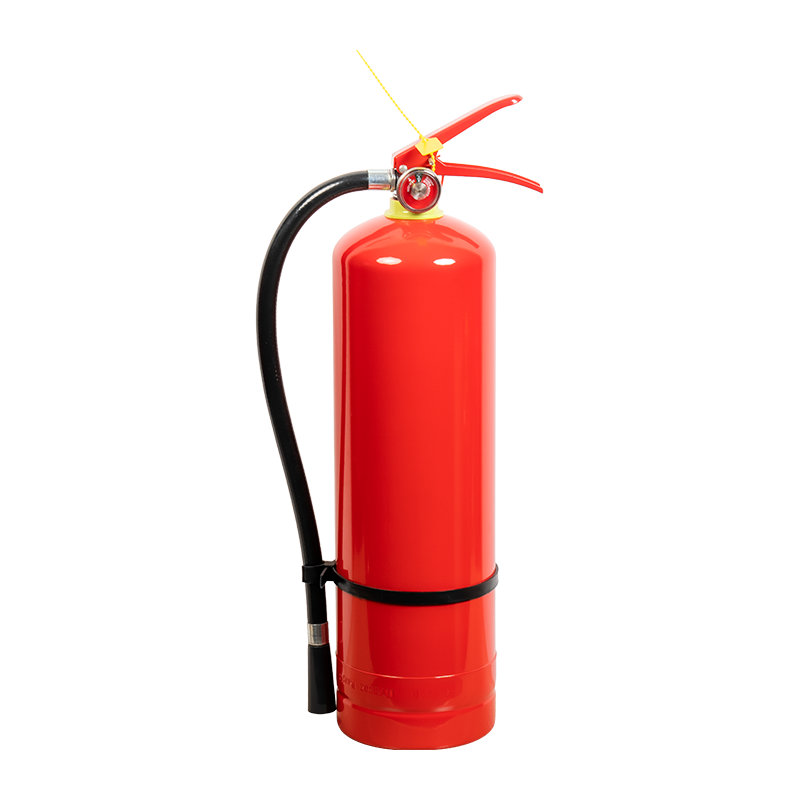
The 6kg stainless steel portable dry powder fire extinguisher is a fire extinguishing device suitable for extinguishing various small fires. Dry powde...
See Details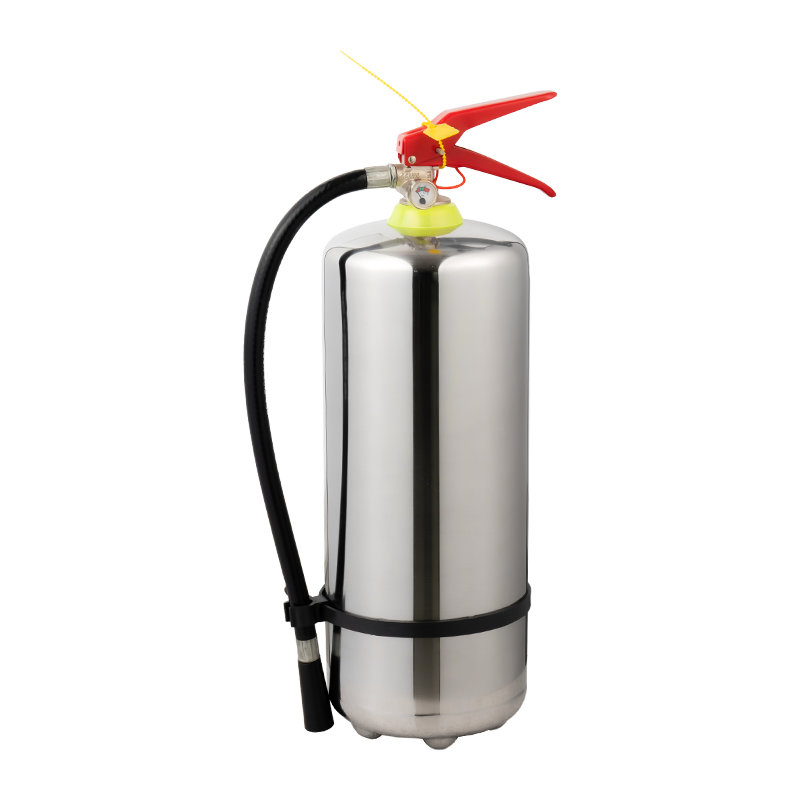
304 stainless steel 6L fire extinguisher is a professionally designed fire extinguishing equipment, made of high-quality SUS304 stainless steel materi...
See Details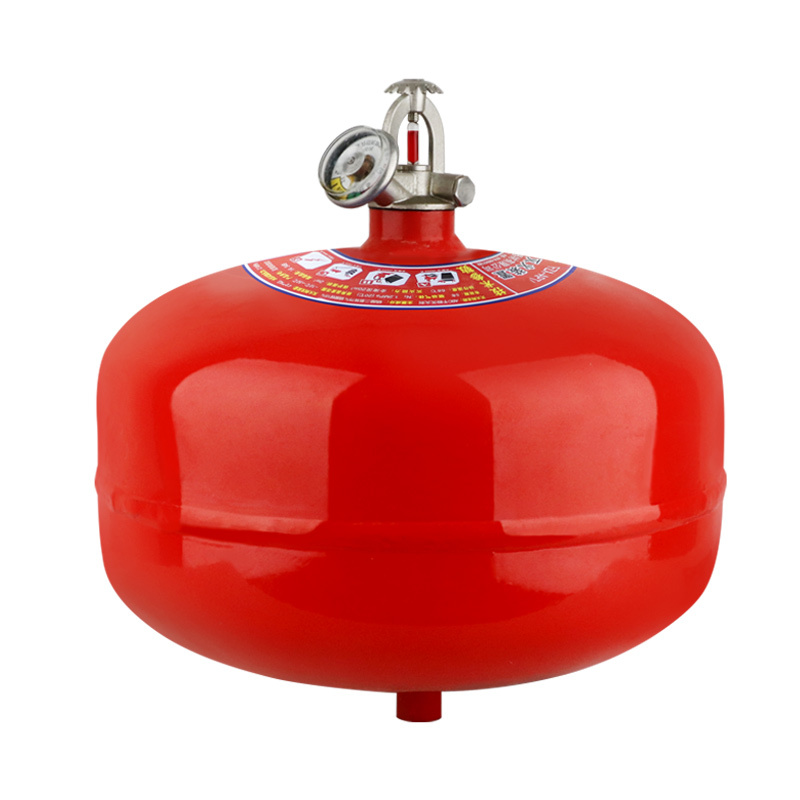
8KG hanging fire extinguisher can be installed on the wall or ceiling, fixed by hook or bracket, making it easy to quickly access and operate when nee...
See Details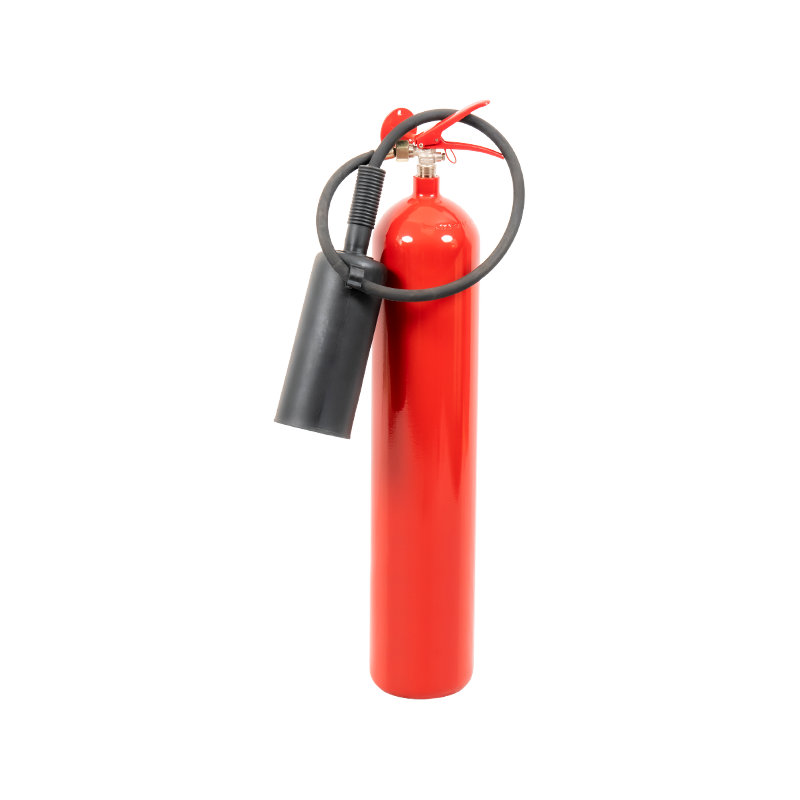
The 5kg fire-fighting carbon dioxide fire extinguisher can work in a wide temperature range, from -30˚C to +60˚C, to meet the firefighting needs in va...
See Details
Zhejiang Yongshang Pressure Vessel Co., Ltd. was established in 2016. It is a modern enterprise integrating R&D, production and sales, specializing in the production of dry powder, carts, carbon dioxide fire extinguishers, seamless steel cylinders, and aluminum bottles.

+86 13857576559


Zhuhai Village, Gaibei Town, Shangyu District, Shaoxing City, Zhejiang Province, China
