 English
 عربى
عربى 中文简体
中文简体

3KG Portable Steel Fire Extinguisher(CK45/CE)
Cat:CO2 Fire Extinguisher (CK45/CE)
The 3kg portable steel fire extinguisher is a firefighting device designed to deal with all types of fires. Made of CK45 steel, it is sturdy and durab...
See Details
+86 13857576559
The dry chemical agent inside a DCP Fire Extinguisher works by interrupting the chemical chain reaction that sustains combustion — a process known as chemical flame inhibition. Unlike water, which cools a fire, or CO₂, which starves it of oxygen, the dry chemical powder in a DCP Fire Extinguisher attacks the fire at a molecular level. This multi-mechanism action makes it one of the most effective and widely deployed extinguishers for Class A, B, and C fires across industrial, commercial, and residential environments.
To understand how the DCP Fire Extinguisher suppresses fire, it is essential to understand the fire tetrahedron. A fire requires four elements to sustain itself:
The DCP Fire Extinguisher is uniquely capable of disrupting all four elements simultaneously, which explains its superior knockdown speed compared to single-mechanism agents.
The most critical function of the DCP Fire Extinguisher is its ability to chemically inhibit combustion. During burning, fuel molecules break down and produce highly reactive free radicals — unstable atoms or molecules such as hydroxyl (OH·) and hydrogen (H·) radicals. These free radicals act as the engine of the combustion reaction, continuously reacting with oxygen and fuel to release energy and propagate the flame.
When the DCP Fire Extinguisher discharges, the dry chemical powder — typically monoammonium phosphate (MAP) or sodium bicarbonate — is propelled into the flame zone. The heat causes the powder particles to decompose and release active species that react preferentially with the free radicals, effectively consuming them before they can continue the combustion cycle. This process is called free radical scavenging, and it terminates the chain reaction almost instantly.
For example, sodium bicarbonate (NaHCO₃) decomposes at approximately 50°C to 100°C and releases sodium radicals (Na·) that combine with flame radicals, halting propagation. This reaction happens faster than the flame can regenerate its chain carriers, causing rapid flame knockdown.
Beyond chain reaction interruption, the DCP Fire Extinguisher also suppresses fire through a physical smothering effect. When the fine powder cloud is discharged, it forms a dense blanket over the burning material, particularly on Class B fires (flammable liquids). This barrier limits the contact between fuel vapors and atmospheric oxygen, reducing the local oxygen concentration below the minimum threshold of approximately 14–16% required to sustain combustion.
In the case of monoammonium phosphate-based DCP Fire Extinguishers, the melted powder also coats solid combustible surfaces, forming a glassy residue layer. This layer creates a physical seal that prevents re-ignition on Class A materials such as wood, paper, and textiles — a feature not found in sodium bicarbonate formulations.
Although the DCP Fire Extinguisher is not primarily a cooling agent, the thermal decomposition of its dry chemical powder does absorb a measurable amount of heat energy from the flame zone. When monoammonium phosphate decomposes under heat, the endothermic reactions consume energy from the surrounding fire environment, contributing to a reduction in flame temperature.
While this cooling effect is less significant than that of water-based extinguishers, it serves as a supporting mechanism that accelerates fire knockdown, particularly in confined spaces where heat buildup intensifies combustion.
Not all DCP Fire Extinguishers use the same dry chemical formulation. The two most common agents have distinct chemical properties and fire class suitability:
| Agent | Chemical Formula | Fire Classes | Key Advantage |
|---|---|---|---|
| Monoammonium Phosphate (MAP) | NH₄H₂PO₄ | A, B, C | Forms residue seal on Class A surfaces, prevents re-ignition |
| Sodium Bicarbonate | NaHCO₃ | B, C | Faster flame knockdown on flammable liquid fires |
| Potassium Bicarbonate (Purple K) | KHCO₃ | B, C | 2× more effective than sodium bicarbonate on Class B fires |
One of the critical advantages of the DCP Fire Extinguisher is its non-conductive nature. The dry chemical powder does not conduct electricity, making it safe to apply on energized electrical equipment. This is why the DCP Fire Extinguisher is rated for Class C fires — fires involving live electrical sources such as switchboards, motors, and wiring.
Testing standards such as those set by Underwriters Laboratories (UL) require a minimum dielectric test of 100kV at a distance of 1 meter to certify a DCP Fire Extinguisher as safe for electrical fire use. Users should always verify this certification on the extinguisher label before deploying it near live equipment.
Despite its powerful chemical suppression capability, the DCP Fire Extinguisher has several important limitations users must understand:
Understanding the chemistry of a DCP Fire Extinguisher allows users to deploy it more effectively. Follow these operational guidelines to optimize suppression:
The DCP Fire Extinguisher suppresses fire through a scientifically robust combination of free radical chain-breaking, physical smothering, and heat absorption. Its ability to attack the fire tetrahedron on multiple fronts — and particularly its unique capacity to terminate the chemical chain reaction at a molecular level — makes it one of the most versatile and effective fire suppression tools available. Selecting the right dry chemical agent (MAP for Class A, B, C; sodium or potassium bicarbonate for Class B, C) and deploying the DCP Fire Extinguisher with proper technique ensures maximum suppression efficiency and minimizes the risk of re-ignition in emergency situations.
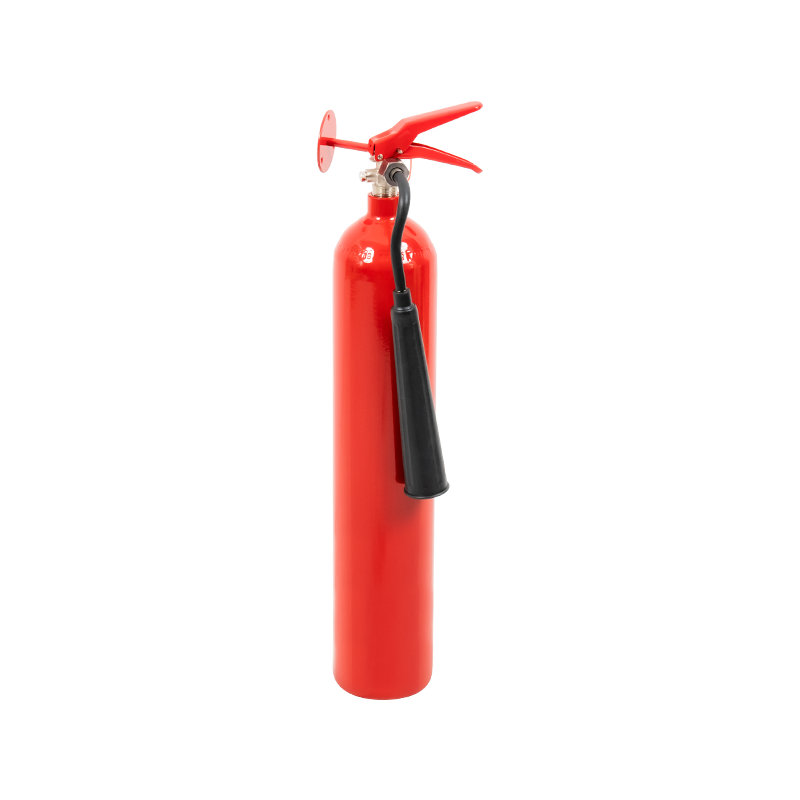
The 3kg portable steel fire extinguisher is a firefighting device designed to deal with all types of fires. Made of CK45 steel, it is sturdy and durab...
See Details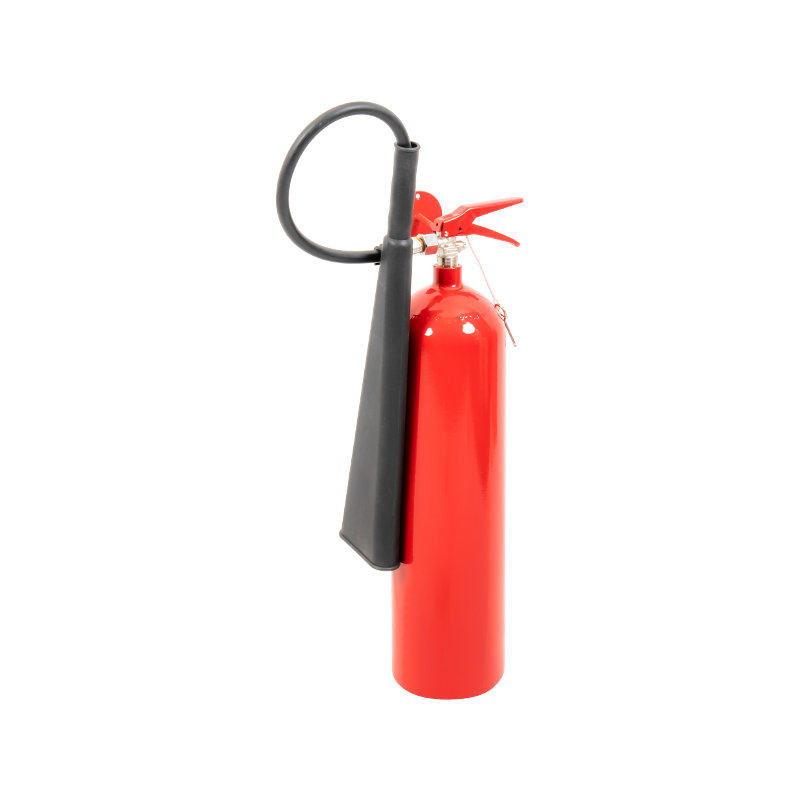
The 5kg CO2 CE extinguisher is suitable for a variety of applications, including in factories, production lines and warehouses. The 5kg CO2 extinguish...
See Details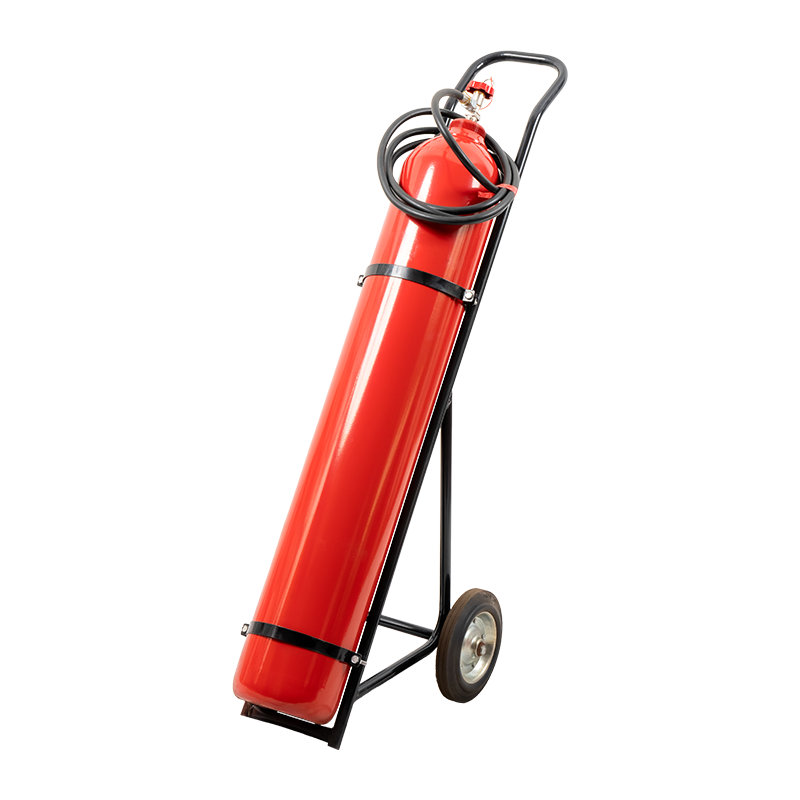
The 10KG Steel Cart-Mounted CO2 Fire Extinguisher is a portable firefighting tool consisting of a large steel cylinder with a capacity of 10kg CO2, mo...
See Details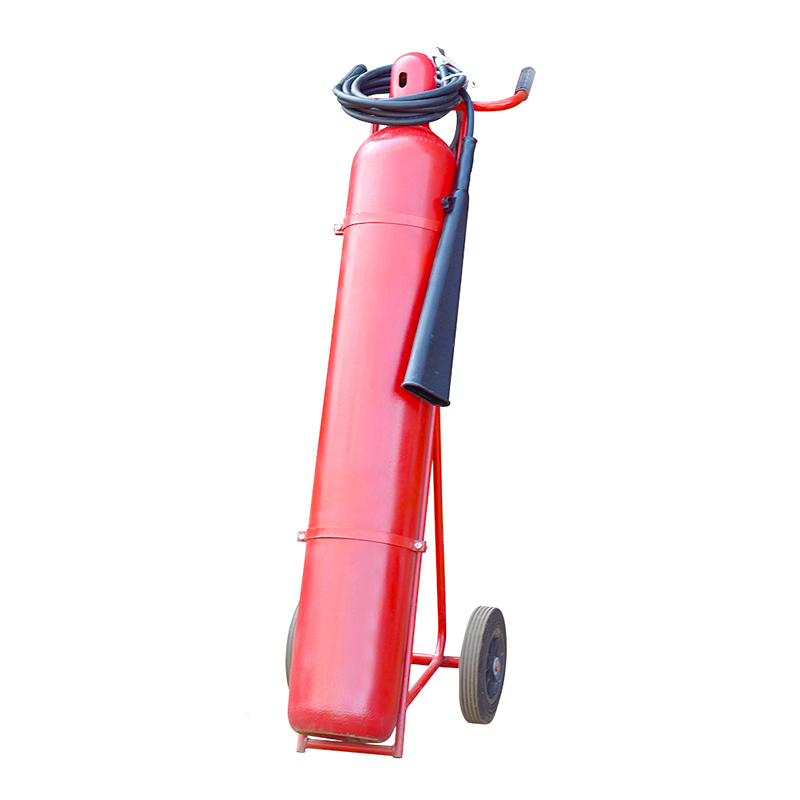
The 25kg trolley mobile fire extinguisher is a high-capacity fire-fighting equipment designed for large-scale fires. It has mechanical strength and co...
See Details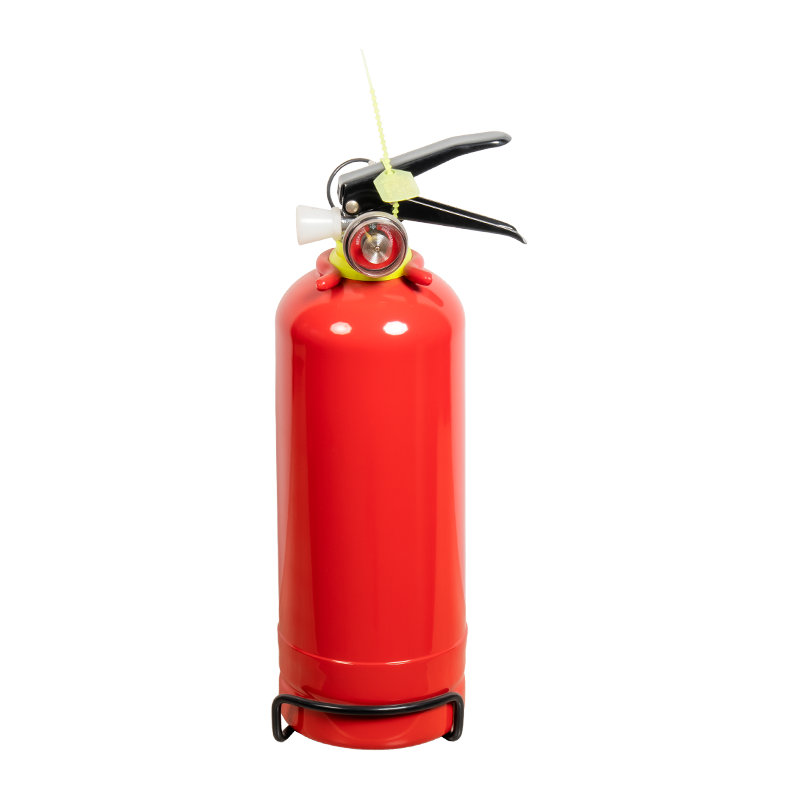
The 1kg portable dry powder fire extinguisher is a safety device used to put out small fires in emergency situations. Its outer shell is made of steel...
See Details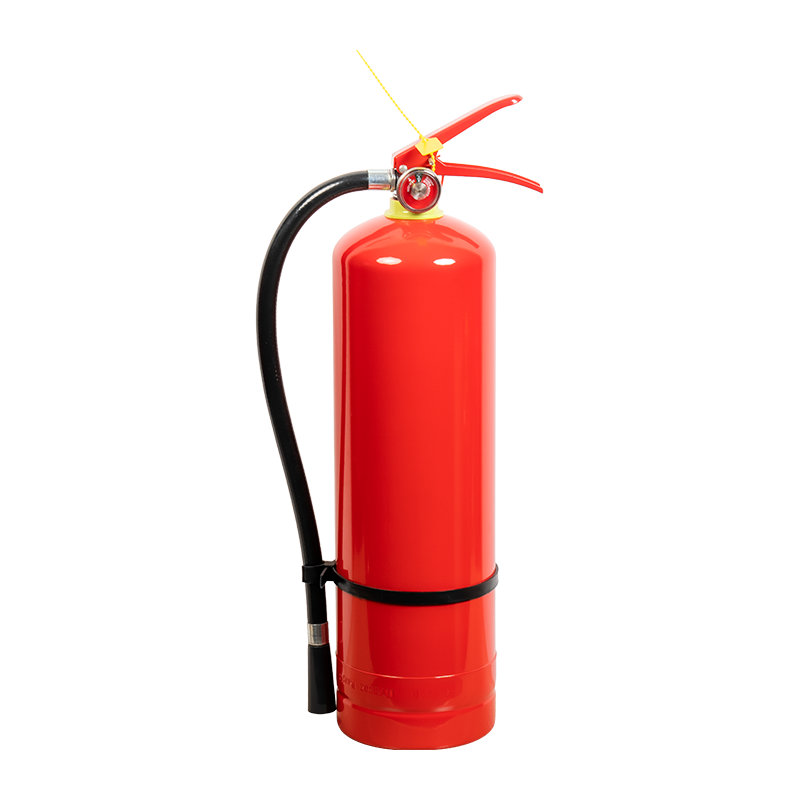
The 6kg stainless steel portable dry powder fire extinguisher is a fire extinguishing device suitable for extinguishing various small fires. Dry powde...
See Details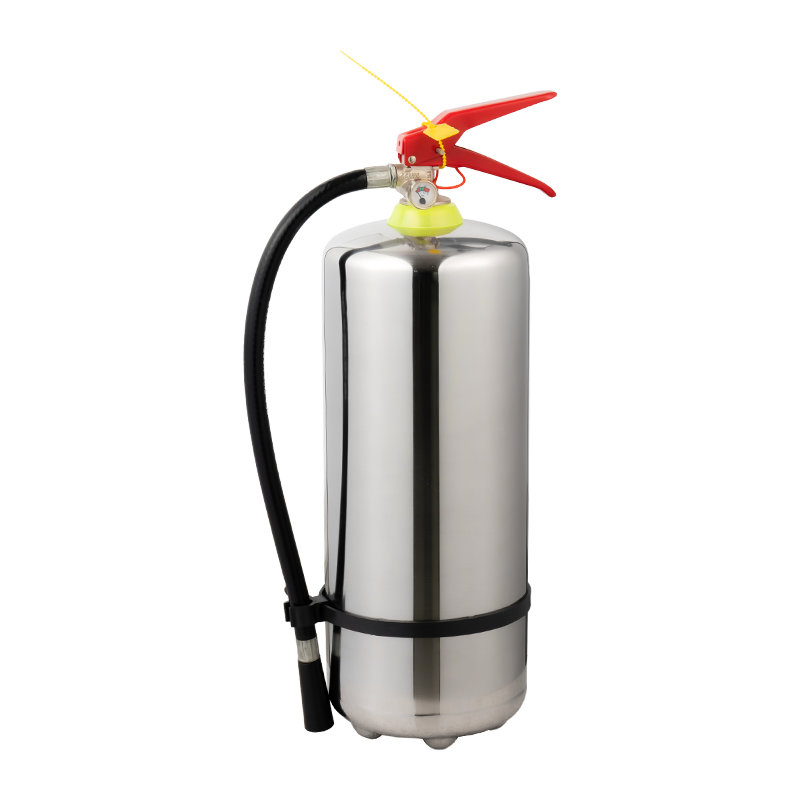
304 stainless steel 6L fire extinguisher is a professionally designed fire extinguishing equipment, made of high-quality SUS304 stainless steel materi...
See Details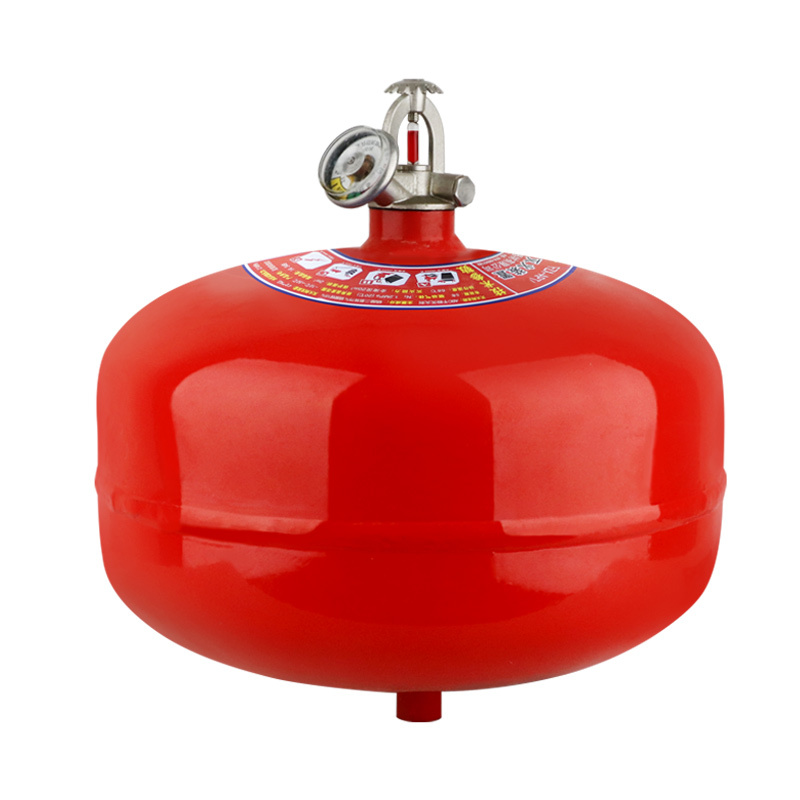
8KG hanging fire extinguisher can be installed on the wall or ceiling, fixed by hook or bracket, making it easy to quickly access and operate when nee...
See Details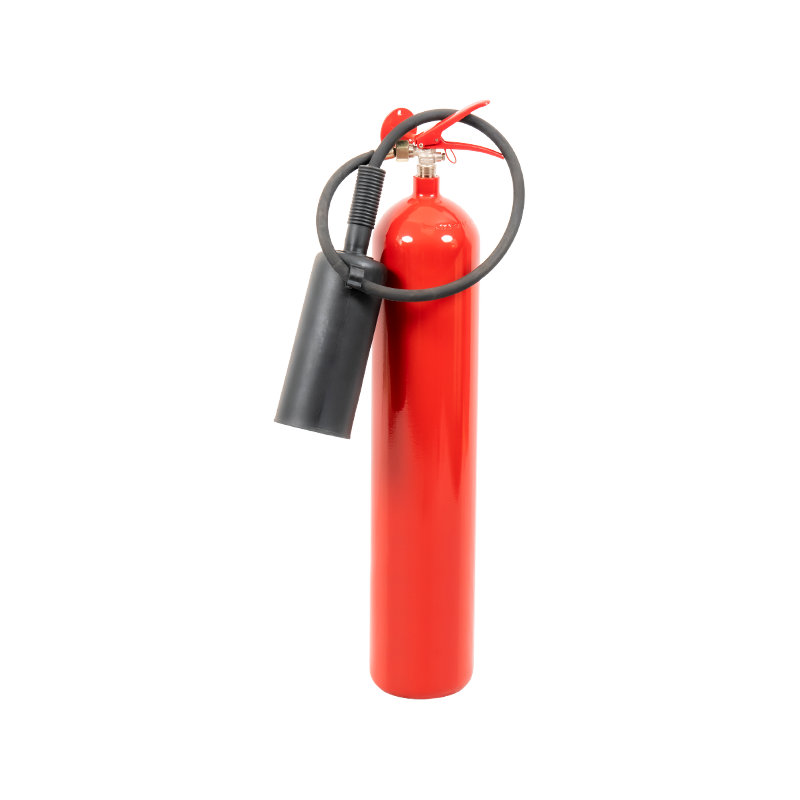
The 5kg fire-fighting carbon dioxide fire extinguisher can work in a wide temperature range, from -30˚C to +60˚C, to meet the firefighting needs in va...
See Details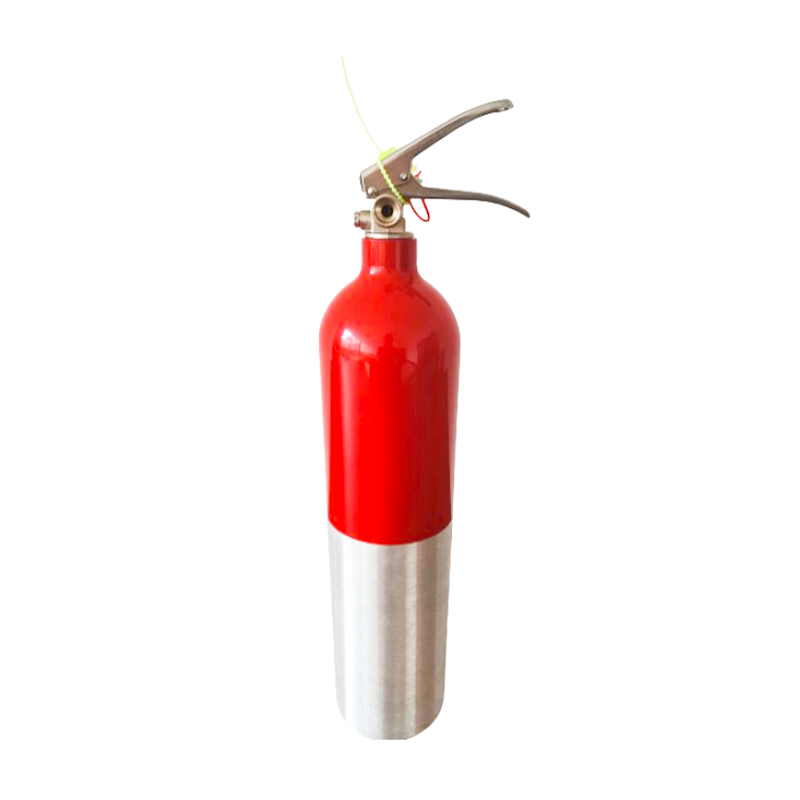
The 5KG portable aluminum fire extinguisher is an efficient and reliable fire extinguishing equipment suitable for fire protection needs in various in...
See Details
Zhejiang Yongshang Pressure Vessel Co., Ltd. was established in 2016. It is a modern enterprise integrating R&D, production and sales, specializing in the production of dry powder, carts, carbon dioxide fire extinguishers, seamless steel cylinders, and aluminum bottles.

+86 13857576559


Zhuhai Village, Gaibei Town, Shangyu District, Shaoxing City, Zhejiang Province, China
